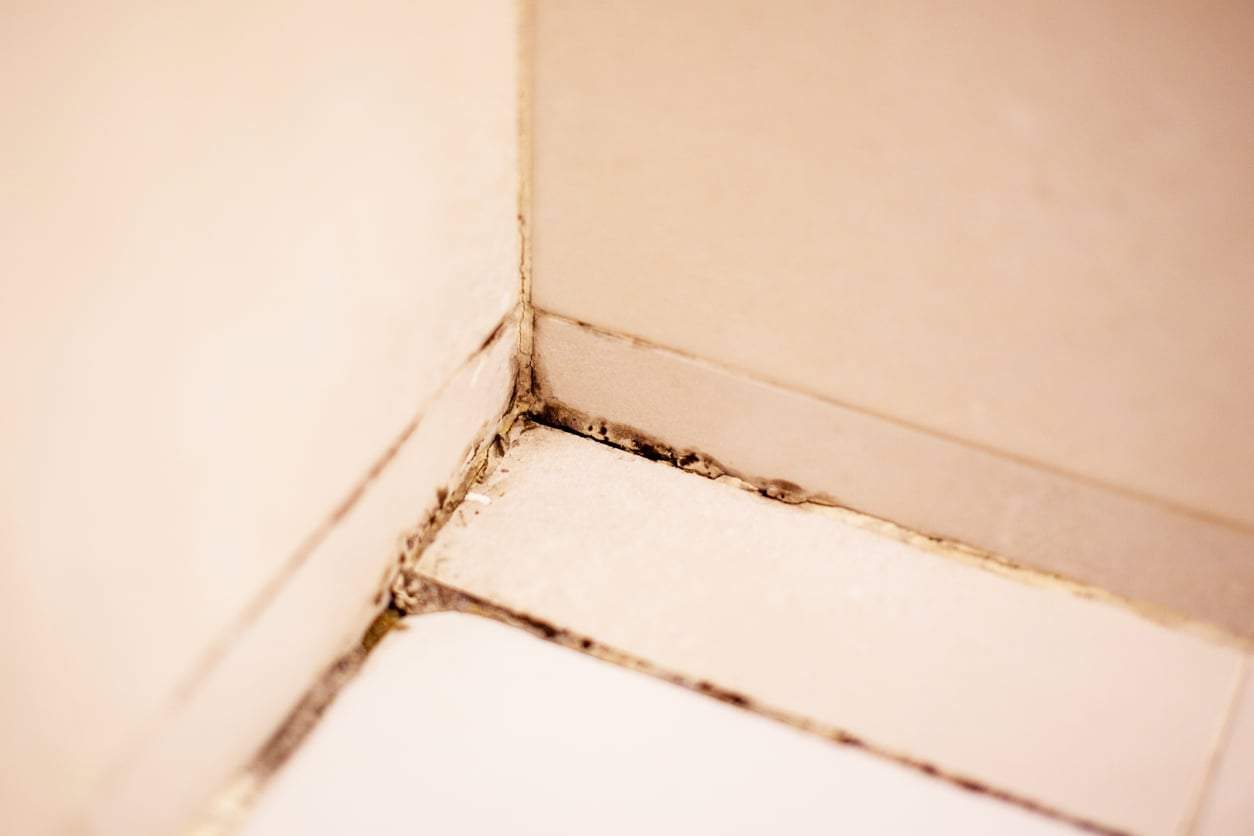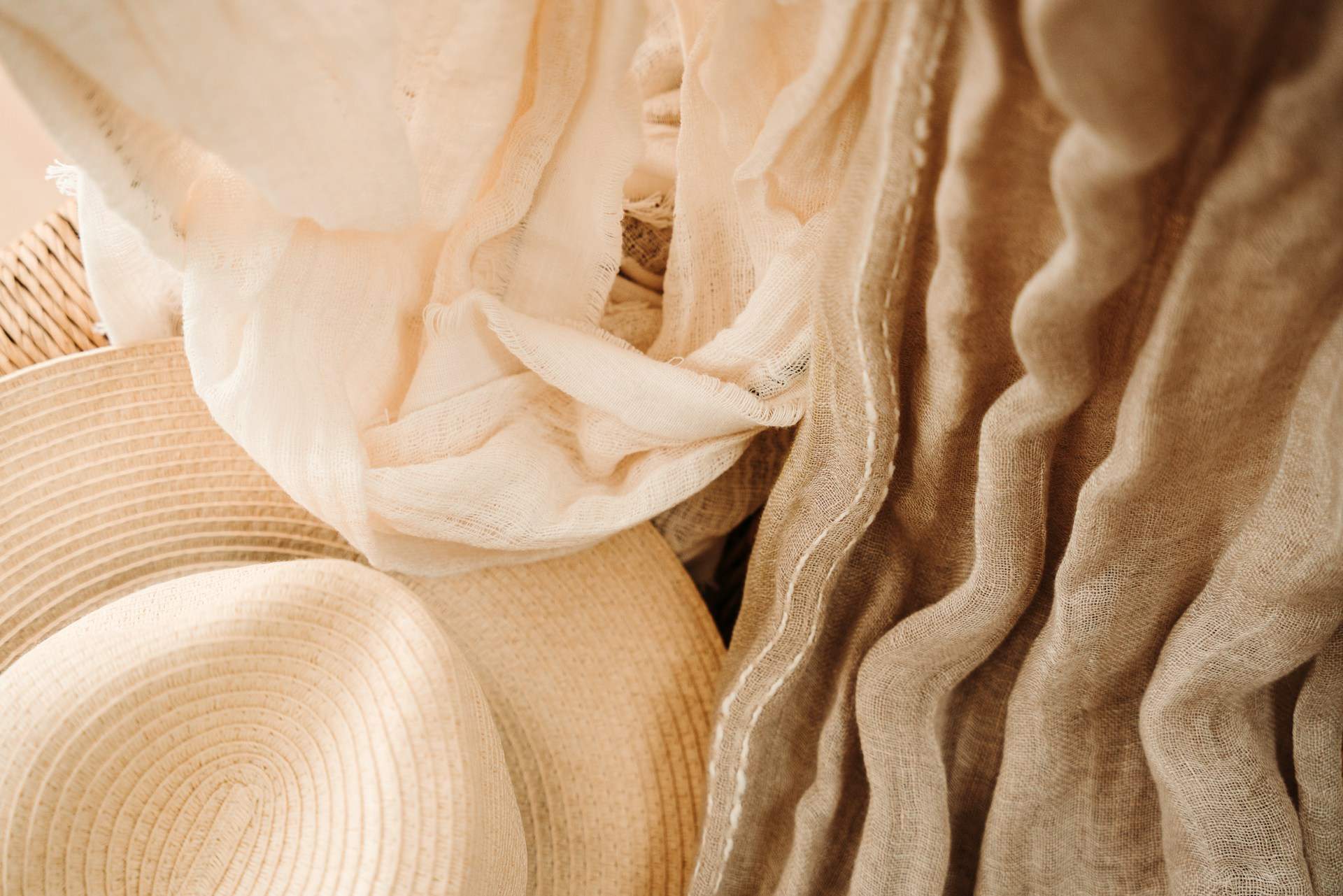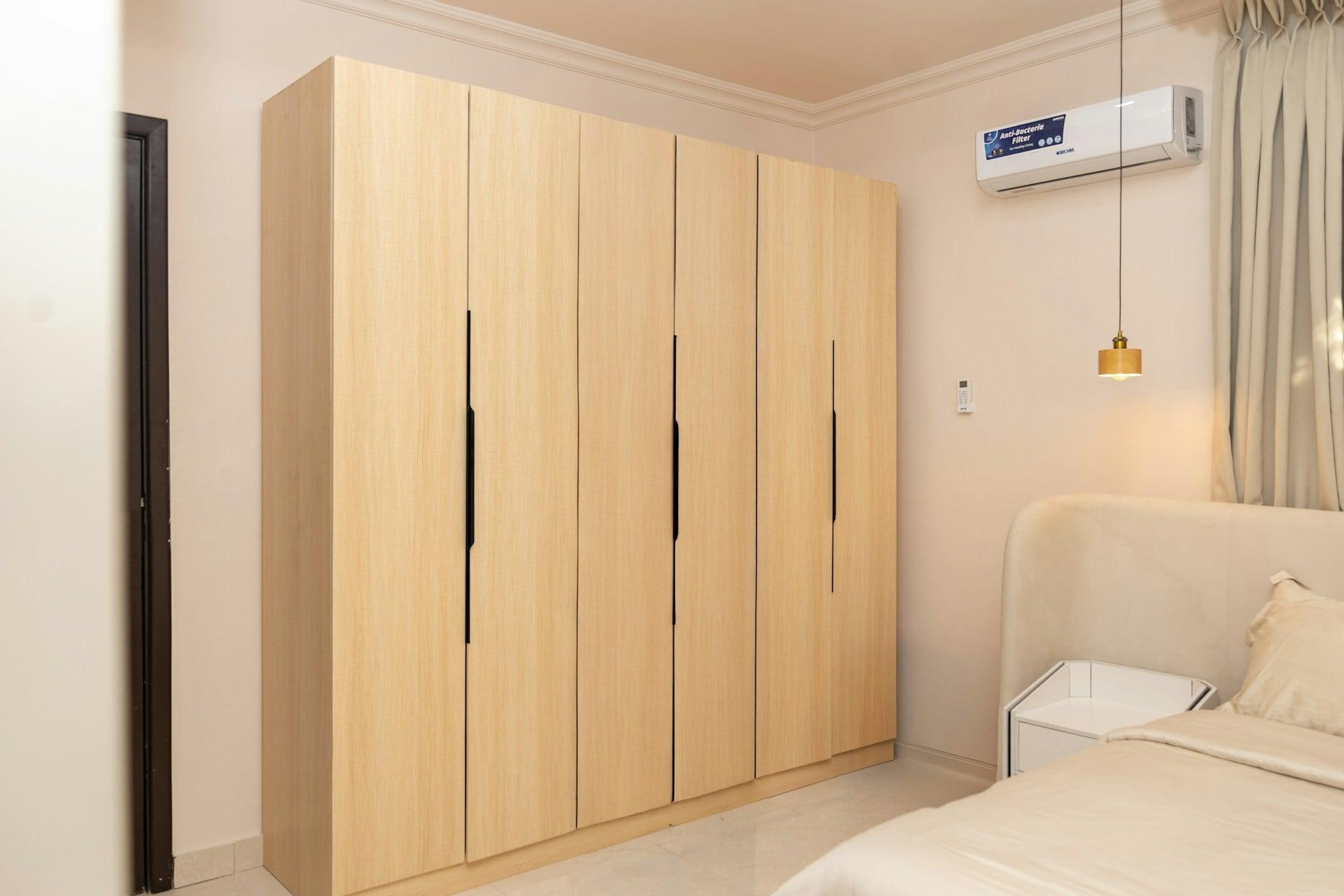
If you've noticed moisture collecting on the back wall of your wardrobe, don't ignore it. That dampness isn't just unpleasant — left unchecked, it creates the perfect conditions for mold growth and that unmistakable musty smell that clings to clothes. The good news? There's a surprisingly simple fix you probably already have at home.
Why does the back panel of your wardrobe get damp in autumn?
As outdoor temperatures drop, the walls of your home cool down — especially any external-facing walls. If your wardrobe sits against one of these walls, its back panel gets cold too. Meanwhile, indoor heating raises the humidity of the air inside your home. When that warm, moisture-laden air meets the cold surface at the back of your wardrobe, the water vapor condenses — exactly the same way a cold glass fogs up on a humid day.
Poor ventilation inside the wardrobe makes things worse. A sealed, airless space is the ideal breeding ground for moisture and mold spores. The problem tends to creep up gradually, which is why it can go unnoticed until it's already causing damage.
The chalk trick: old-fashioned, but it works
Traditional white chalk — the kind used on blackboards — is made from calcium carbonate or gypsum, both of which are naturally absorbent materials. Place a few pieces in the corners of your wardrobe and they'll quietly draw excess moisture out of the air before it has a chance to condense on the back panel.
This won't fix a serious damp problem in your walls, but it can make a real difference to everyday condensation — reducing that musty smell that settles into fabrics over time.
How to use it: Break a few sticks of chalk into two or three pieces each and place one in every corner of the wardrobe. Tuck them into a small fabric pouch if you'd rather keep things tidy. Check them monthly — chalk becomes saturated over time and will need replacing.
Other household remedies worth trying
- Coarse salt or uncooked rice: A small bowl of either works similarly to chalk, absorbing excess moisture from the air — just takes up a little more space.
- Baking soda: Place a small open container of baking soda in the wardrobe and it will neutralize both moisture and odors at the same time.
- Activated charcoal: Granulated charcoal — sold for gardening or aquarium use — is an excellent moisture absorber and lasts longer than chalk before needing to be replaced.
- Silica gel packets: Those little sachets that come tucked inside shoe boxes? Save them. They're surprisingly effective at keeping corners dry.
Even more important than chalk: ventilation
No moisture absorber will solve the problem long-term if your wardrobe never gets any fresh air. Make a habit of opening the doors fully at least once a week and letting the inside breathe for a few hours. If the wardrobe is pushed flush against a cold exterior wall, even pulling it a few inches away to create an air gap can make a significant difference — it allows air to circulate behind the back panel and prevents cold spots from forming.
For wardrobes where condensation comes back year after year, it's worth considering sticking a thin sheet of cork or insulating foam to the inside of the back panel. This reduces the temperature difference between the panel surface and the indoor air, giving moisture far less opportunity to settle.
When it's time to call in the professionals
If you've tried chalk, regular airing, and an air gap — and the dampness keeps returning — it may be more than just condensation. Dark patches spreading on the wall, or a smell that's getting stronger and distinctly moldy, can point to underlying issues like poor insulation, a cracked drainage pipe, or structural damp that no home remedy can fix. In that case, it's worth having a professional take a look before the problem worsens.
Does chalk really absorb moisture in a wardrobe?
Yes, to a degree. Chalk is made from calcium carbonate or gypsum, which are naturally porous and absorb excess humidity from the air around them. It won't solve structural damp, but it can noticeably reduce everyday condensation in an enclosed space like a wardrobe.
How often should I replace the chalk in my wardrobe?
Check it roughly once a month. Once the chalk feels heavy or crumbly and no longer dries out, it has absorbed as much moisture as it can hold and should be swapped out for fresh pieces.
Why does my wardrobe smell musty even when there's no visible mold?
Musty odors can develop even before mold becomes visible, simply from elevated humidity and poor airflow. Regular ventilation, combined with an absorber like chalk, baking soda, or activated charcoal, usually addresses the smell at its source.
Is pulling the wardrobe away from the wall really enough to help?
Even a gap of a couple of inches (5 cm) allows air to circulate behind the back panel, preventing the cold surface from becoming a condensation trap. Combined with occasional airing of the wardrobe interior, it's one of the most effective low-effort fixes available.