There's something about Scandinavian interiors that's hard to put into words. Why do they work so well? How do they feel confident and completely relaxed at the same time?
The Nordic approach to decorating is built around natural light, a strong sense of flow between rooms, and a love of local materials and handmade details. And the best part? The principles behind that effortless harmony are surprisingly simple to copy.
At first glance, you might not even notice what makes these spaces feel so right. Instead of cramming a room full of pieces that compete for attention, Scandinavians focus on what actually matters — and let the rest breathe.
So which rules do they quietly follow that the rest of us mostly ignore? And how can they make your home calmer, brighter and far more inviting?
1. They create contrast with texture, not color
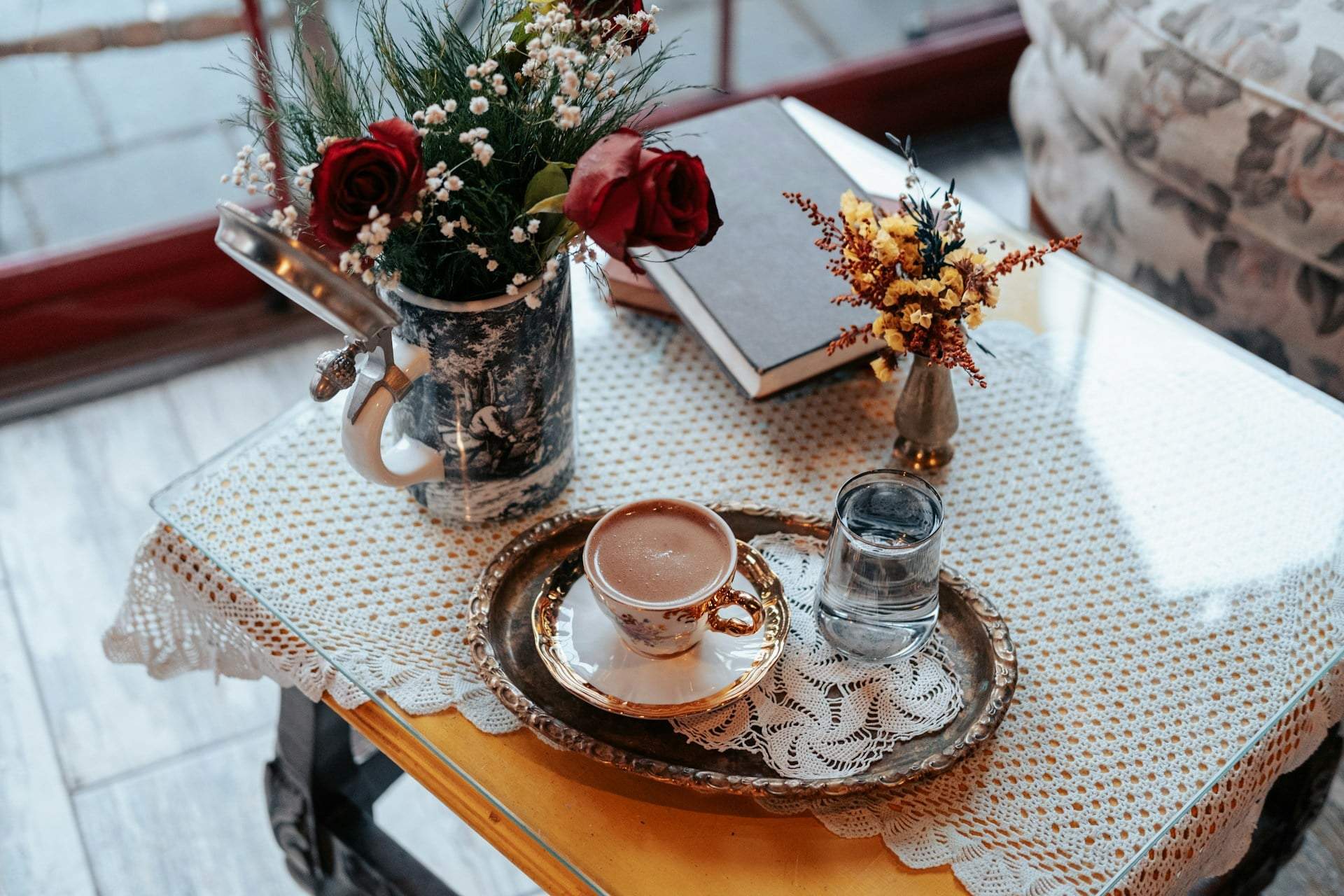
When most people think about a layered, interesting room, they picture bold colors and busy patterns. Scandinavian style takes the opposite route — it builds interest through materials. Natural surfaces do the heavy lifting, especially in rooms that stick to one color palette.
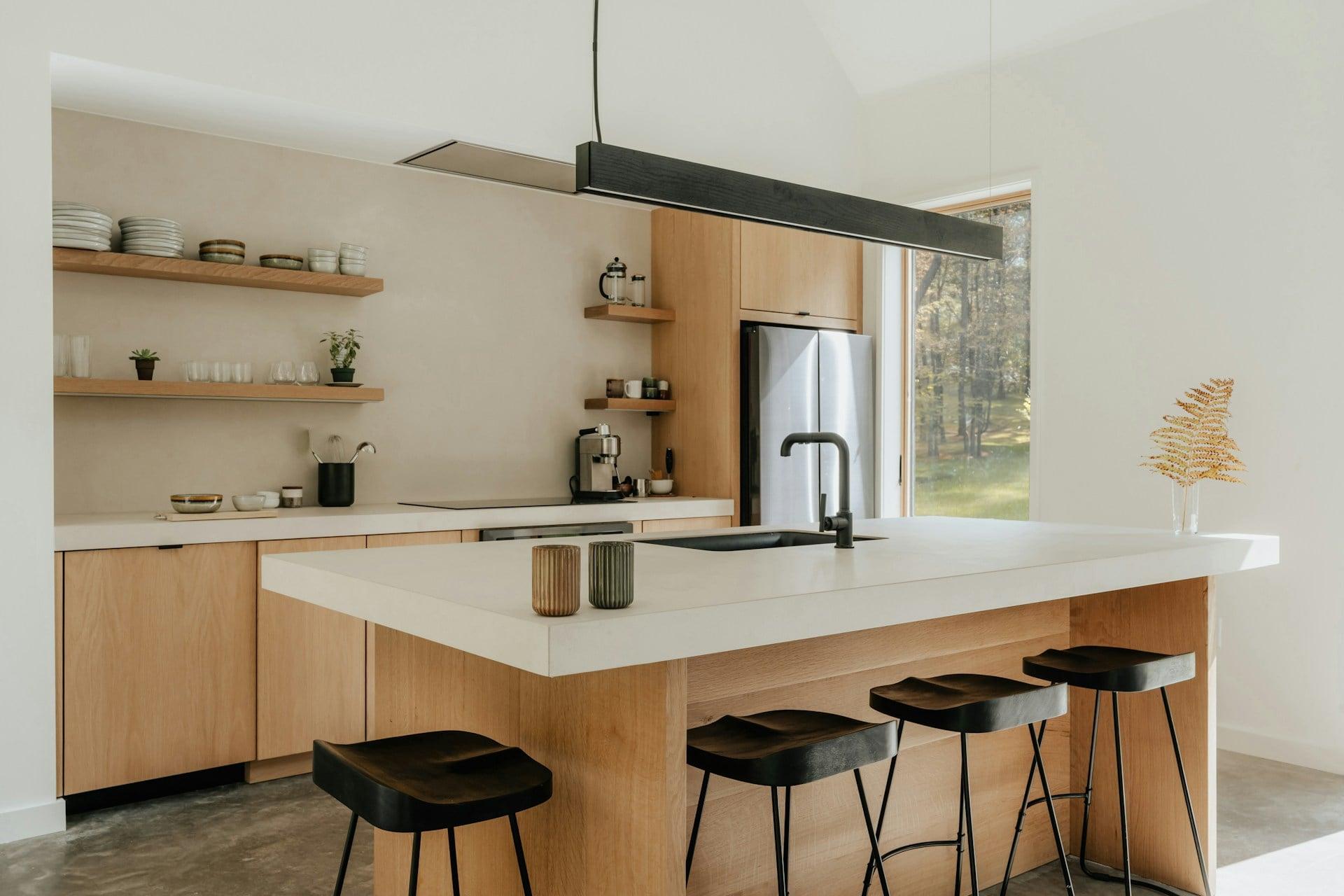
The secret is the contrast between different materials. One dominant element — usually wood — anchors the space, and then other textures bring it to life. The more varied those surfaces are, the more depth you get.
The grain of a wooden table offers a calm, steady base, beautifully offset by a pale lamp or a soft rug. It isn't the colors that create richness here — it's the conversation between materials.
2. Windows are for light, not decoration
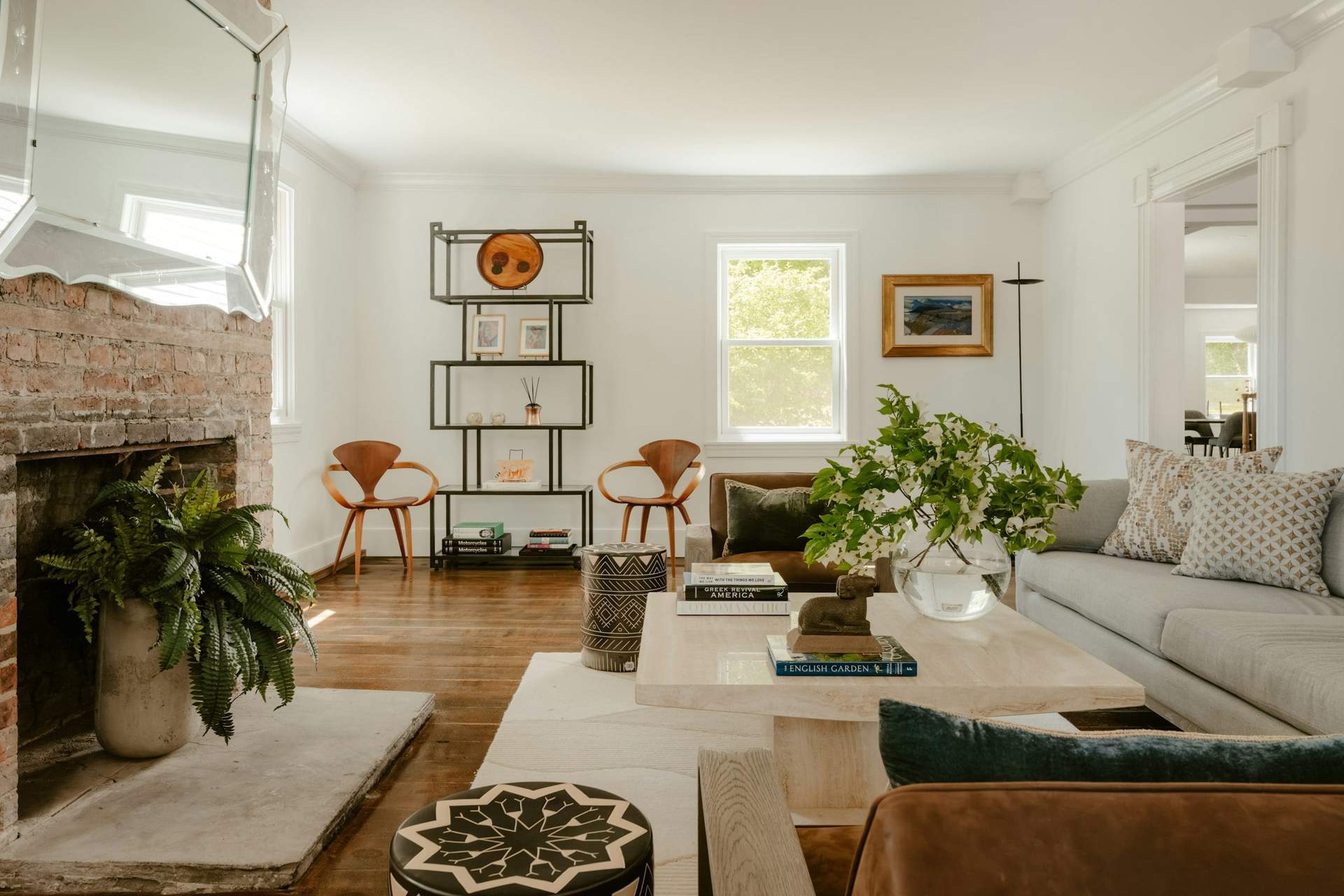
Natural light is one of the most important elements in any Scandinavian home. In a region where long, dark winters make every ray of sunshine count, one of the main goals of decorating is simply to let in as much light as possible.
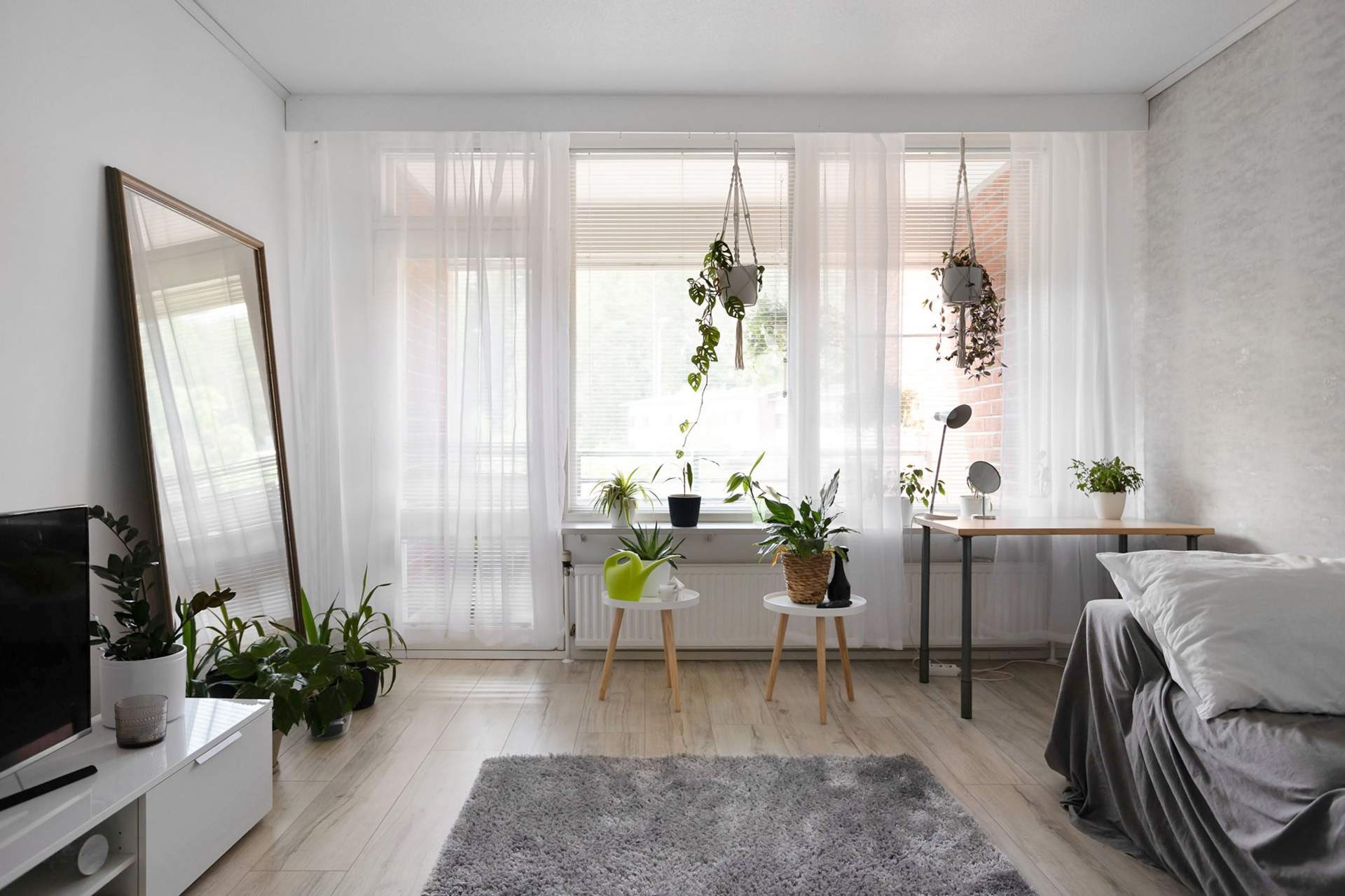
You can see this clearly in the way windows are treated. The focus isn't on elaborate curtains or heavy dressing — it's on keeping the view open, the light flowing, and the connection to the outdoors strong.
That's why Nordic window styling tends to be simple and understated. The aim is never to block the light, but to make the most of it.
3. They design the space first
From Copenhagen apartments to countryside family homes, Scandinavian interiors share one thing: a flexible layout with an intuitive sense of flow.
Openness is always paired with purpose. Sightlines run freely between areas, so daylight can travel through the whole home unobstructed. Different zones aren't necessarily separated by walls, yet each one still has its own role and mood.
The idea is for spaces to feel gently distinct without any physical barriers between them. Low furniture, linen, jute and wood all help a room feel open and cozy at the same time.
If you're working with limited square footage, this is where the magic happens — you can borrow these tricks even in a small flat. It's worth exploring smart storage ideas for small spaces to keep everything feeling airy.
4. Lighting is treated like sculpture
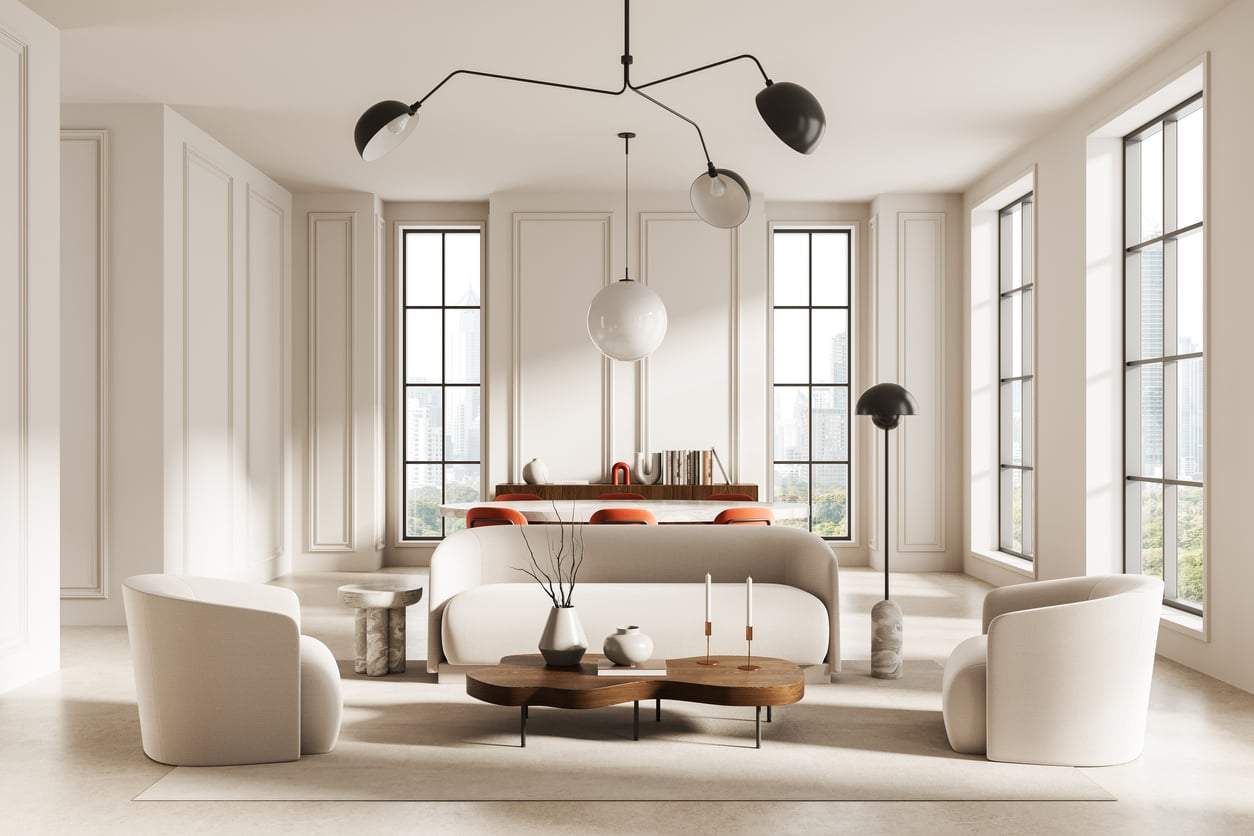
Scandinavians don't see lighting as a purely practical afterthought. Lamps are considered part of a room's architecture. The best Nordic fixtures are beautiful and functional at once — they never shout for attention, yet they give a space character through their shape, materials and the quality of light they cast.
It's no coincidence that Scandinavian design has given the world so many iconic lamps. These pieces have proven for decades that good lighting doesn't just illuminate a room — it shapes its entire atmosphere.
5. They treat the whole home as one story
Scandinavian designers don't think of a home as a series of separate rooms. For them, the entire house or apartment is a single, connected whole.
This mindset creates a calm, continuous experience. Each room is part of the same story, so the home never feels chaotic or overcrowded.
You can build that sense of continuity in simple ways: by repeating the same paint color across several rooms, running the same flooring through an entire level, or echoing certain textures and materials from one space to the next.
6. Storage is part of the architecture
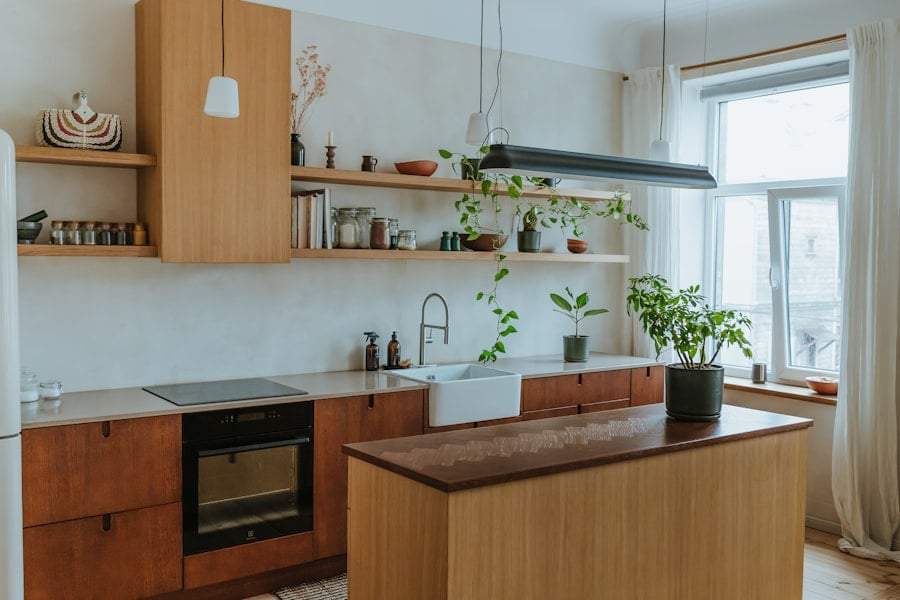
Scandinavian homes look tidy and calm for a reason. Nordic designers realized long ago that storage shouldn't be an add-on — it should be a natural part of the space itself.
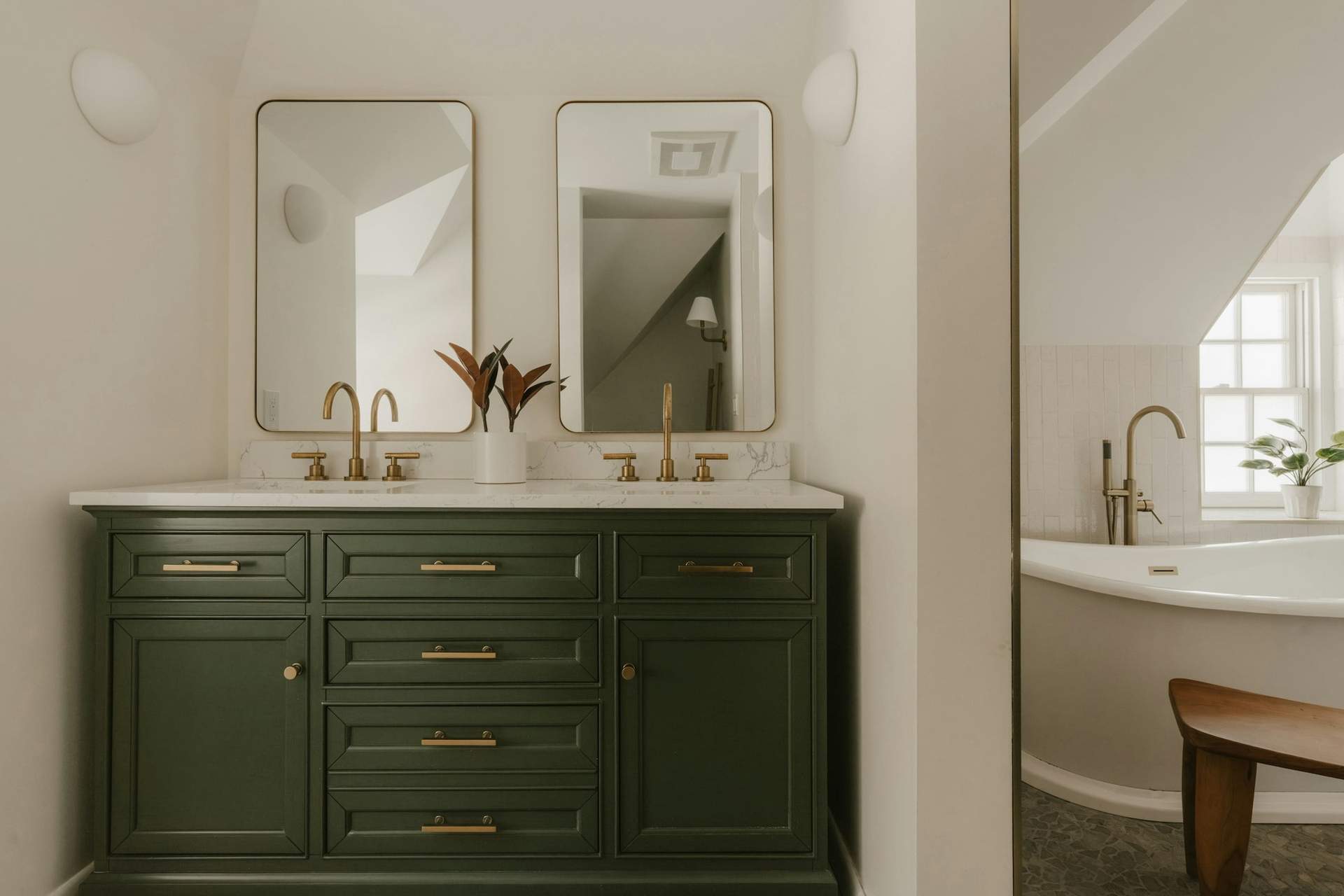
Built-in cabinets and custom solutions blend into an interior far more gracefully than a room stuffed with standalone furniture. This matters most in spaces where organization really counts, like the kitchen or the bathroom.
Built-in storage reduces visual noise and makes a room feel both more organized and more spacious at once.
7. Comfort matters more than looks
Because of the long winters and short daylight hours, people in the Nordic countries spend a lot of time at home. That's why comfort isn't a luxury there — it's a basic need.
But Scandinavian style isn't about oversized, showy furniture. The pieces are chosen to serve everyday life, not to impress guests. The result is a home that feels genuinely lived-in and welcoming, rather than like a showroom.
Furniture is scaled to the human body and to real routines, so it naturally invites you to slow down and relax.
Whether you're planning a full renovation or just refreshing a single room, it's worth borrowing a few tricks from Norwegian, Danish and Swedish homes. Best of all, these principles are timeless — they help you sidestep the kind of trendy choices that look dated just a few years later.
What is Scandinavian interior design in a nutshell?
It's a style built around natural light, flowing spaces, local materials and handmade details. Instead of filling rooms with competing elements, it focuses on what truly matters and lets everything breathe.
How do Scandinavian rooms feel interesting without bold colors?
They create depth through texture rather than color. One dominant material — usually wood — anchors the space, and contrasting surfaces like soft rugs or pale lamps bring it to life.
Why is storage so important in Scandinavian design?
Storage is treated as part of the architecture, not an afterthought. Built-in cabinets and custom solutions reduce visual clutter and make a home feel calmer, tidier and more spacious.
Are Scandinavian design ideas suitable for small homes?
Yes. Low furniture, open sightlines, natural materials and clever built-in storage all help small spaces feel more open and inviting without adding physical barriers.