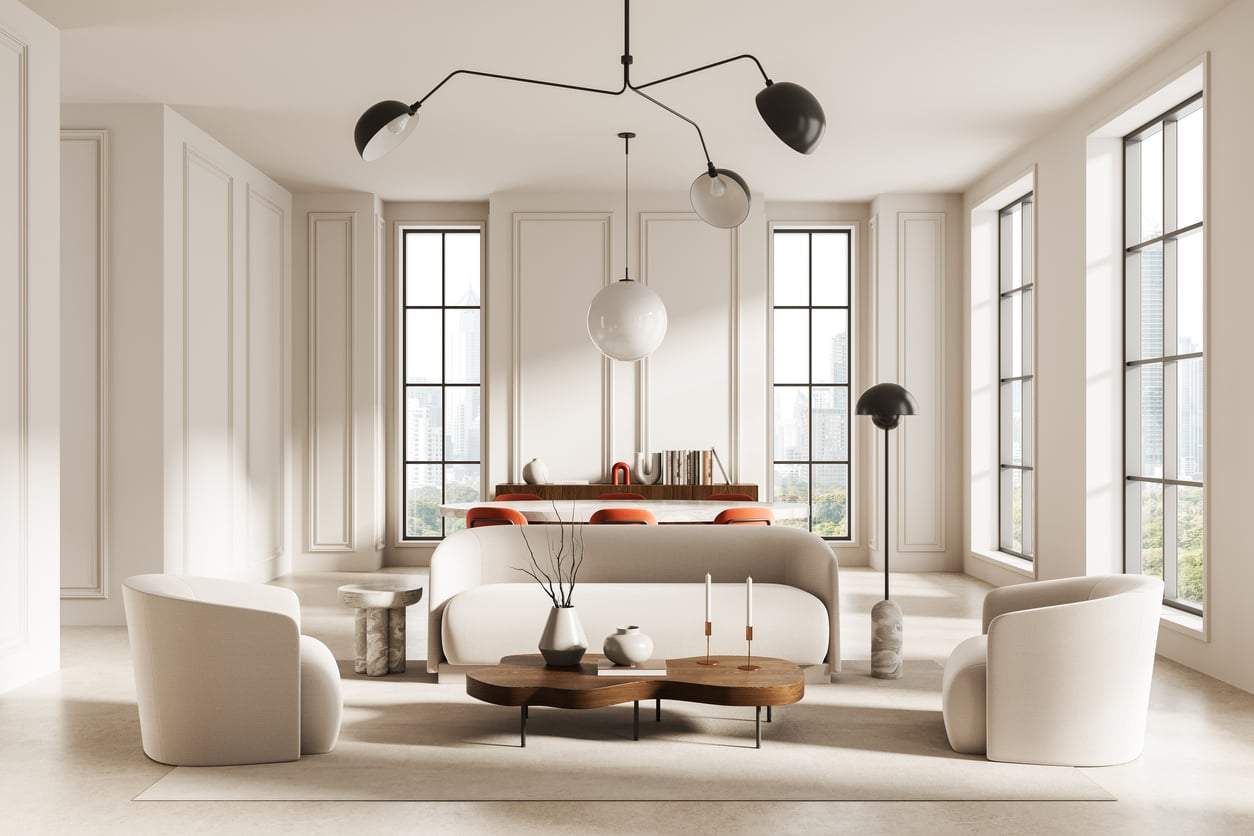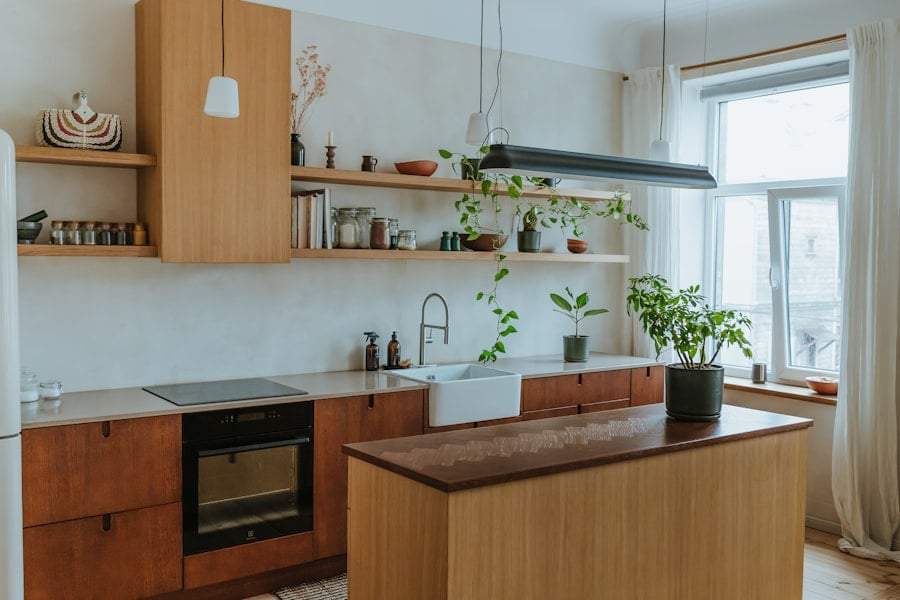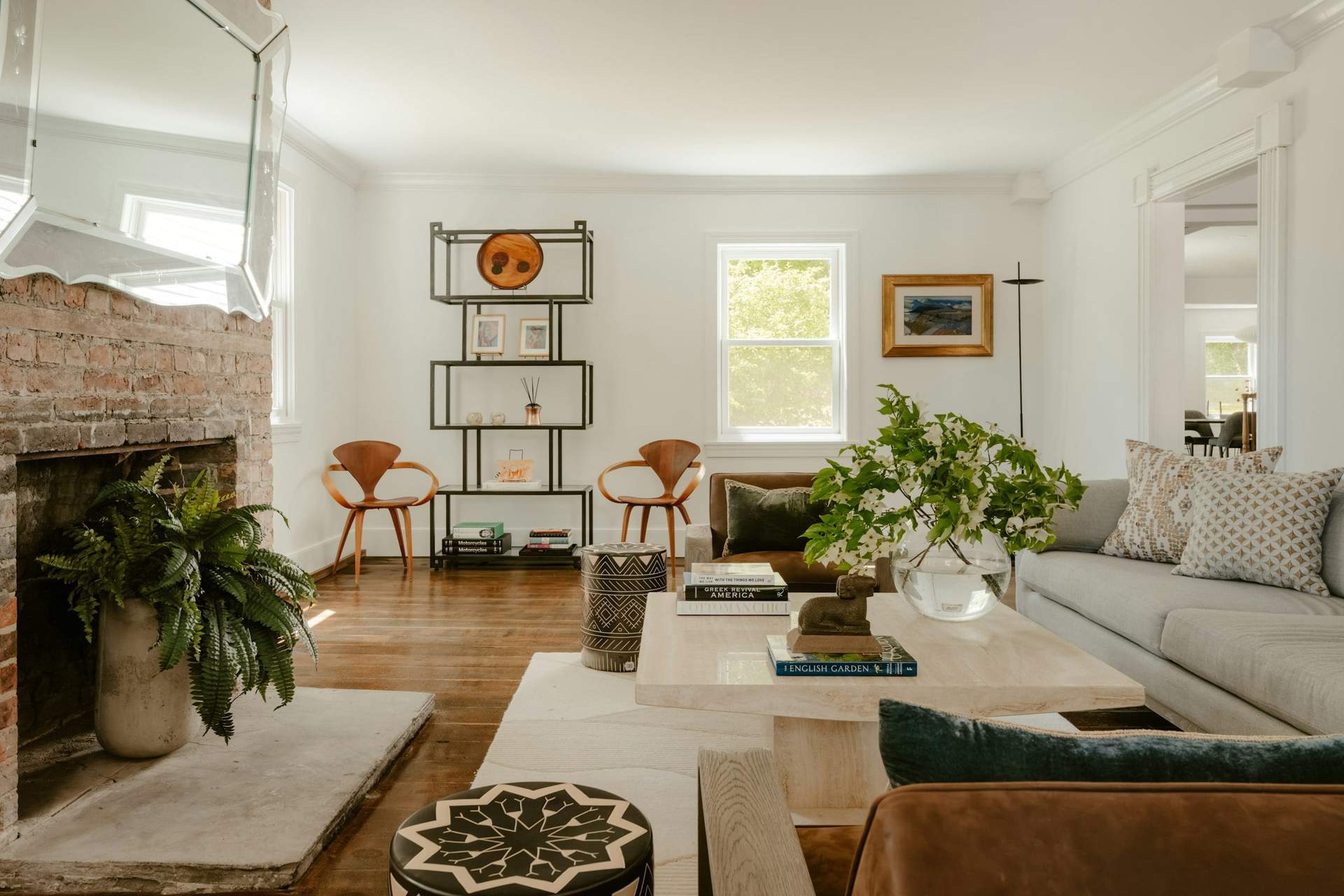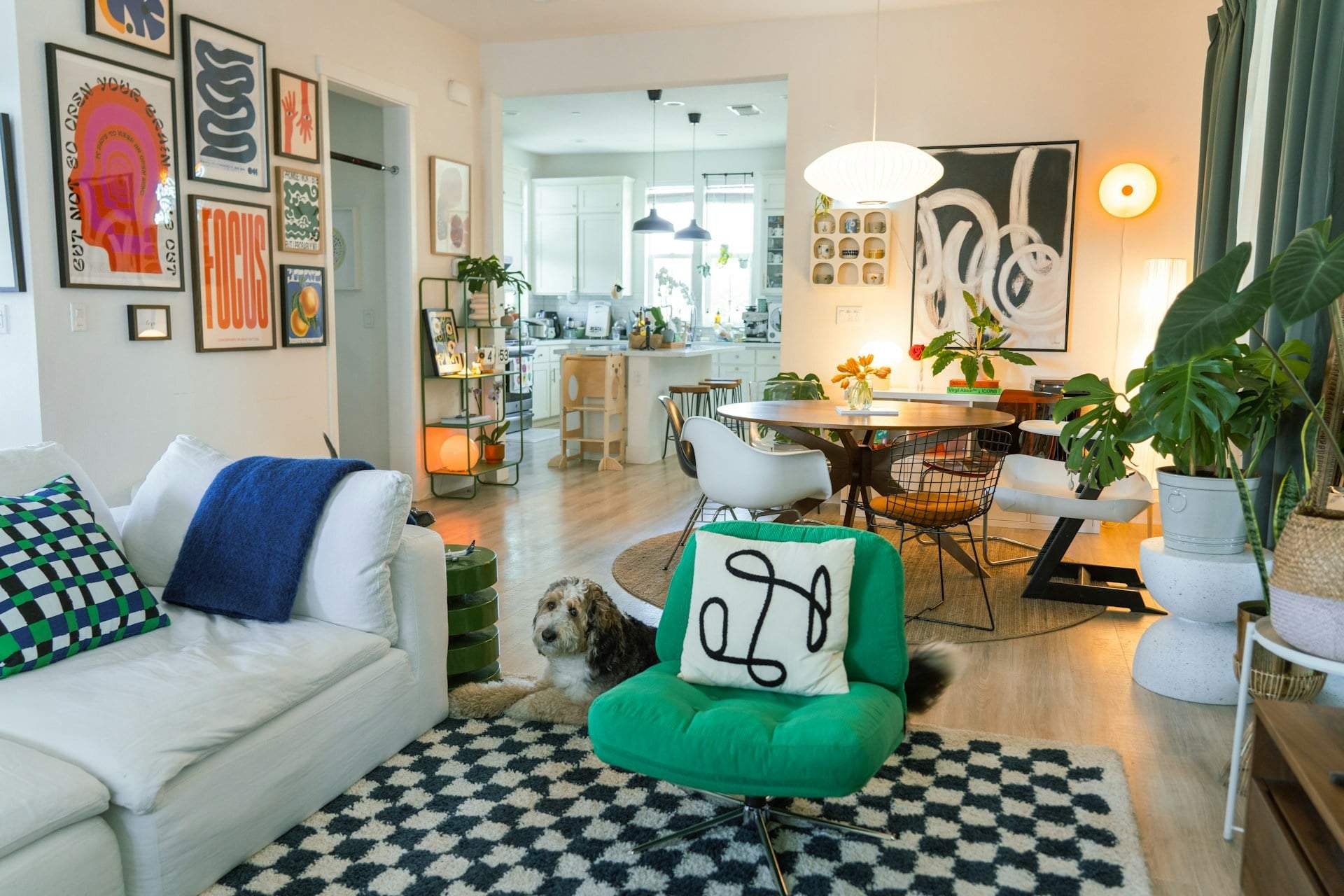
You know exactly how it starts. A quiet Sunday afternoon, mindlessly scrolling through your feed, and suddenly — there it is. Soft, flowing fabric, perfectly coordinated colors, golden light flooding a beautiful living room. Before you've even put your phone down, the thought is already there: "I need this. And it can't be that hard, right?"
A curtain swap. Quick, affordable, transformative. At least, that's what Pinterest would have you believe.
When the algorithm doesn't account for price tags
It all started innocently enough. I used an AI tool to visualize how a new curtain and a modern curtain rod would look in our living room. The result was stunning. I was convinced this would be a small, feel-good investment — the kind that makes you smile every morning without putting any real strain on the family budget.
Then came the first shop visit. And reality hit like a bucket of cold water.
A decent blackout curtain — the kind I wanted purely as a decorative accent, not even for full light-blocking — started at the equivalent of around £50 per meter. Before I could process that, the sales assistant cheerfully added that for a proper, elegant drape and a good gather, I'd need at least twice the width of the window in fabric.
So the price of one purely decorative element shot up to a level that neither Pinterest nor my common sense had prepared me for.
Searching smart in the middle of the chaos
We didn't give up after the initial shock. Lessons learned from years of home projects kicked in: patience and thorough research are still the best tools you have, whether you're building a house from scratch or refreshing a single room.
What genuinely surprised me was the enormous gap between prices on the shelves of big DIY stores and what you can find in online shops. The same brand, the same quality — available for a fraction of the in-store price, if you're willing to put in the time to look. That kind of awareness isn't something you're born with. You learn it the hard way.
Of course, finding affordable fabric and hardware was only part of the equation. The other part was having a capable, patient partner who knew exactly how to cut the curtain rod to size, which screws would actually hold the weight of heavy blackout fabric, and who never lost sight of the finished result even when the technical challenges piled up.
I won't pretend the final total didn't make me wince. I'm still quietly processing the numbers. I see inflation at the supermarket every week, but the home décor market is a different world entirely — one we simply hadn't been paying close attention to.
Was it worth it? Yes. Will I think twice next time? Absolutely.
Now I sit in the living room and look at the beautifully pleated, perfectly hung new blackout curtains. The room genuinely feels transformed. The result was worth it — I can't deny that.
But the thought still lingers in the back of my mind: it's just a curtain.
The sticker shock fades, though, and what replaces it is something unexpected: genuine gratitude. Seeing what things cost today, I feel incredibly lucky that the hardest chapters of building our home are already behind us — that we're not starting from zero right now. Every project like this is a choice, a small refinement, not a necessity.
Still, this little adventure taught me something real about where prices stand in 2026. From now on, I'll think twice — maybe three times — before letting a perfectly lit Pinterest photo convince me that anything in home décor is ever going to be simple or cheap.