You don't need to knock down walls or spend a fortune on renovations to make your home feel bigger. One of the most effective — and most beautiful — design moves you can make is blurring the boundary between your living room and your terrace. When the inside and outside start to flow together, everything opens up.
Here are six practical, budget-friendly ways to create that seamless indoor-outdoor connection.
It all starts with the transition zone
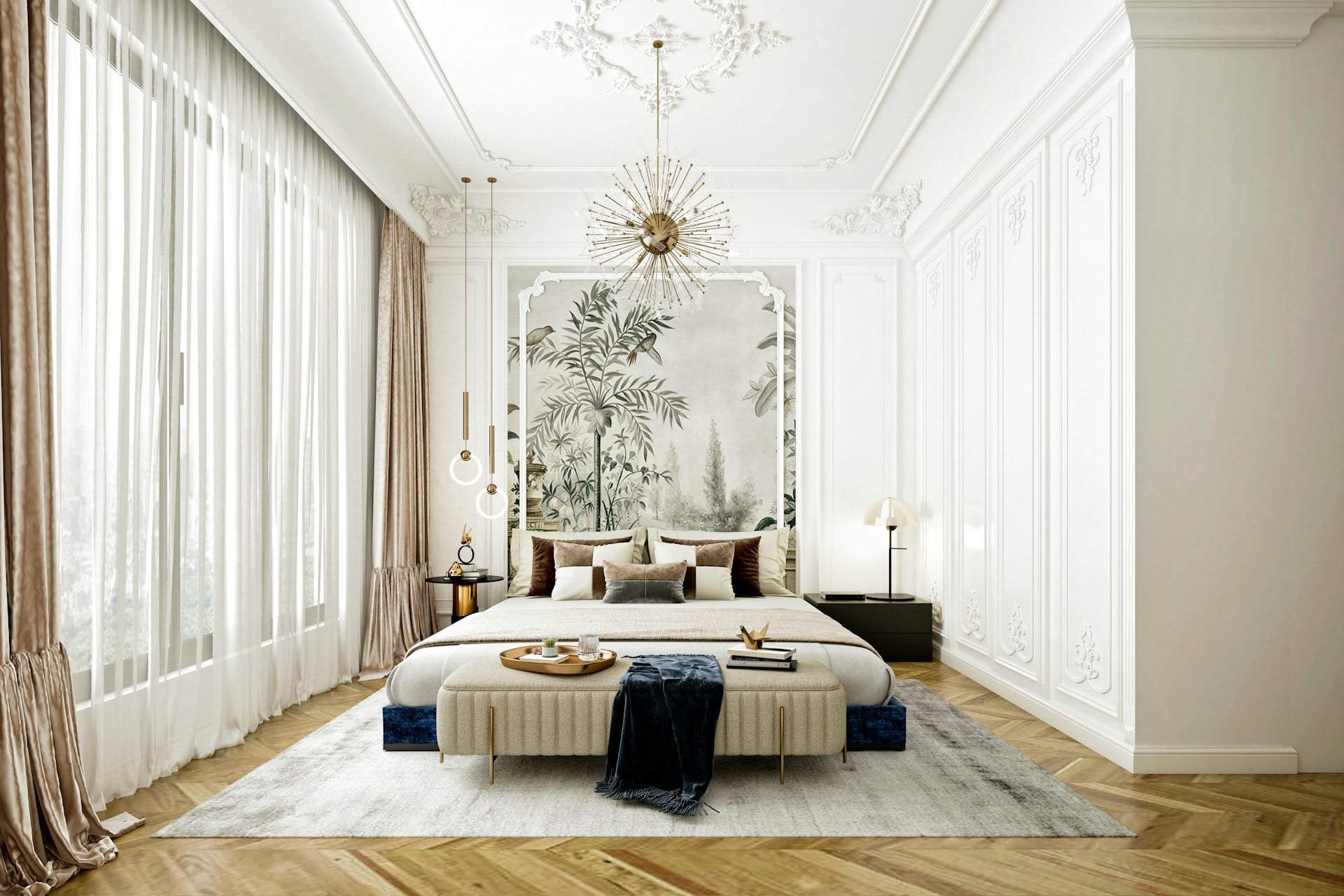
The key to merging two spaces isn't a dramatic gesture — it's a smooth, thoughtful transition. Sheer curtains in natural tones, translucent shades, or lightweight panels can elegantly link your living room to the terrace without touching a single structural element.
You can also use subtle level changes, a strip of gravel, or a small stepping stone path to gently guide the eye — and the feet — from one space to the other. The trick is to keep colors and materials consistent across both areas, so nothing jars the senses as you move through.
Plants do more work than you think
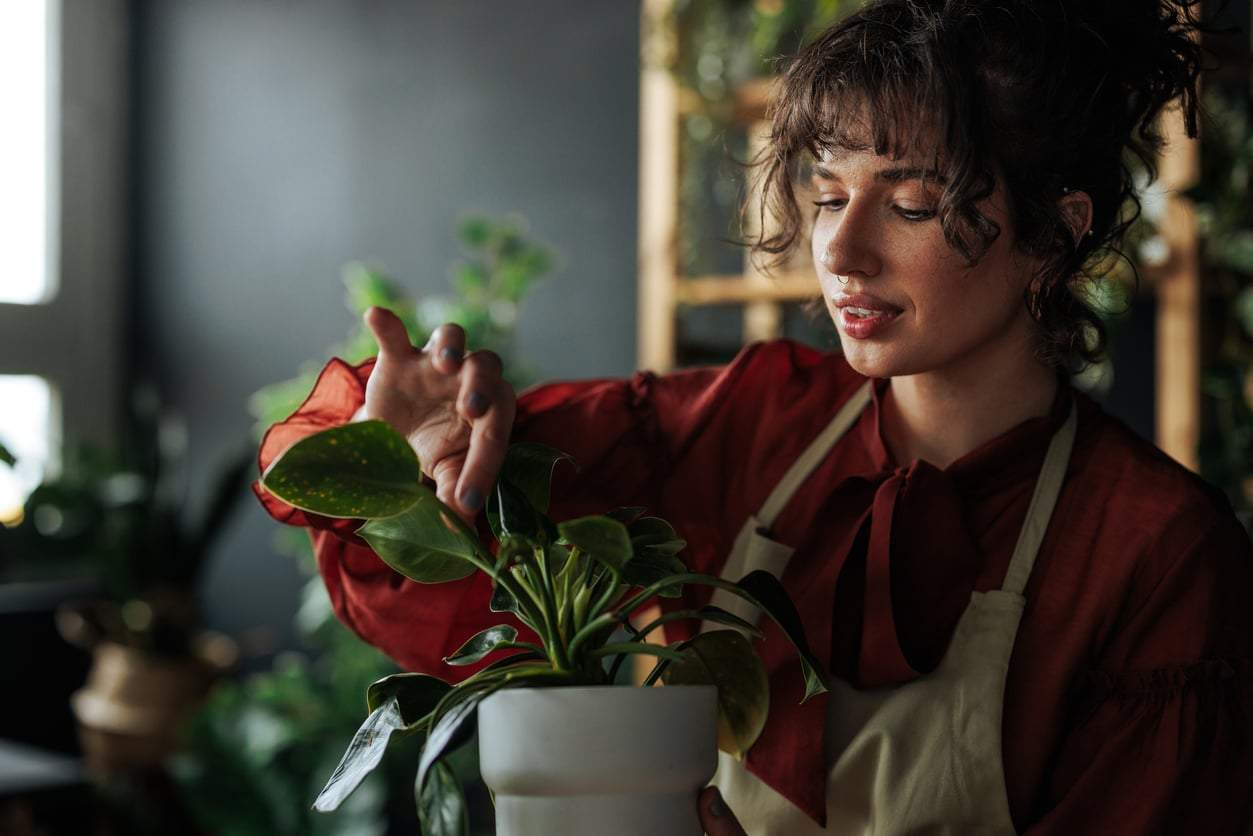
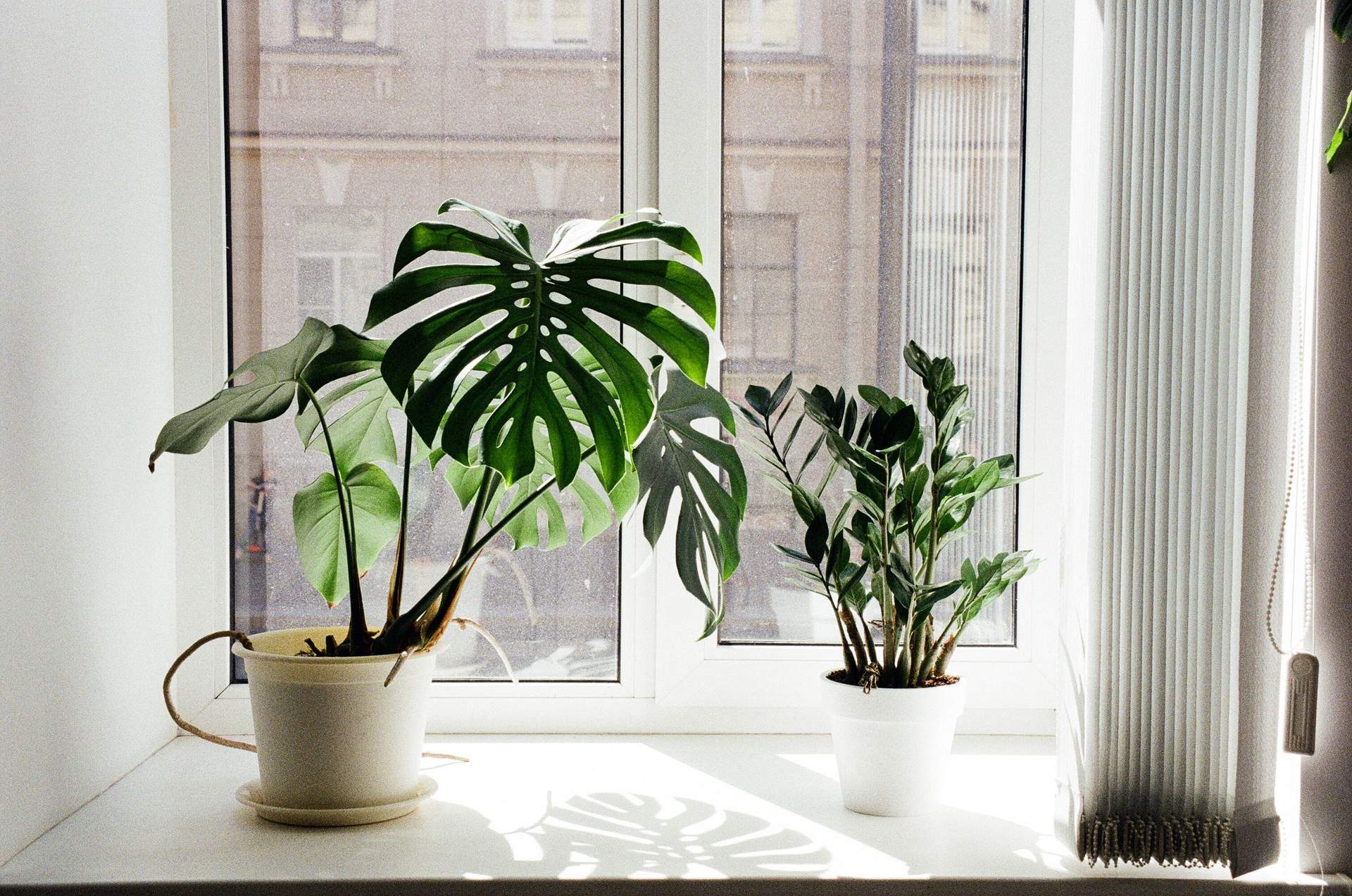
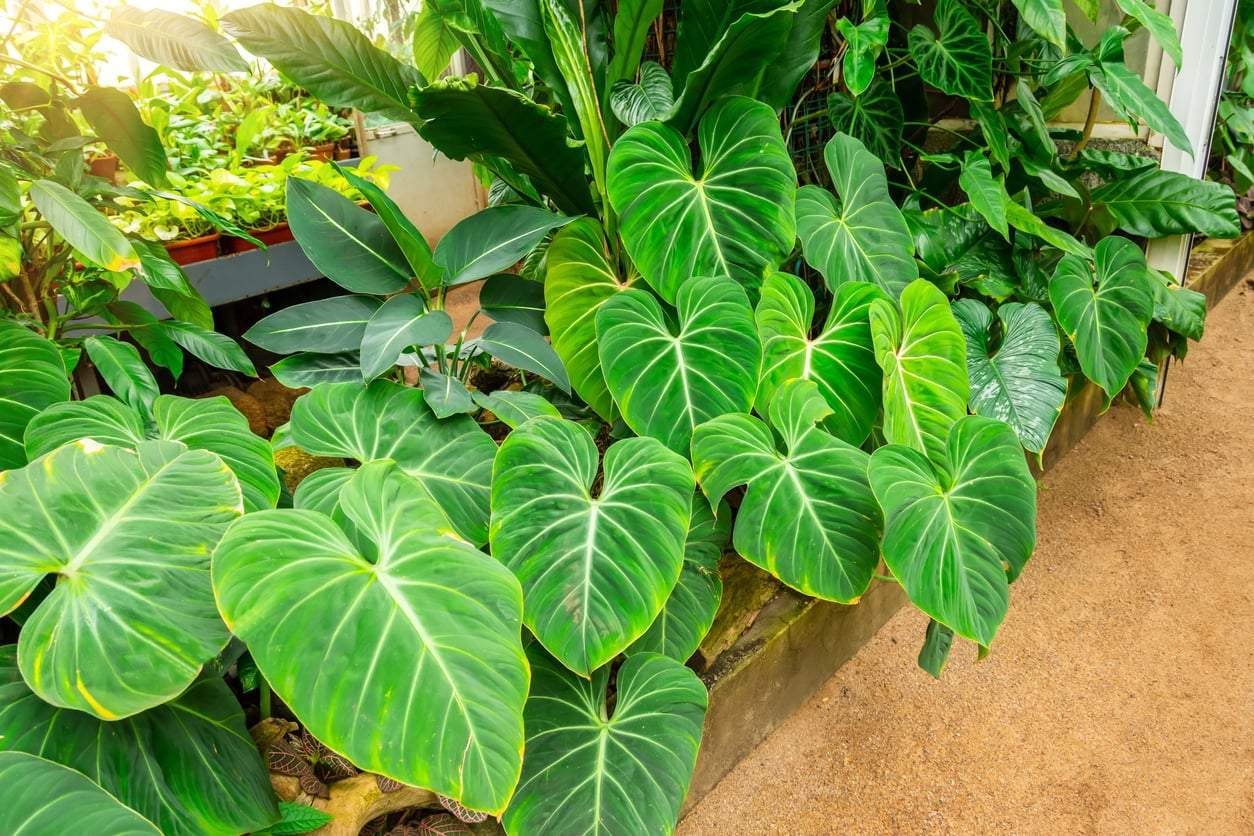
Few things bridge the gap between indoors and outdoors as naturally as greenery. A large potted plant positioned near the threshold seems to reach toward the terrace, while outdoor plants can spill visually into the living room. When the windows are open and a light breeze moves the leaves, it genuinely feels like one continuous space.
Cohesive plant arrangements — using similar species, pots, or color palettes inside and out — create a visual rhythm that draws you effortlessly from room to terrace and back again.
Looking for more ways to bring nature into your home? Explore our latest decor ideas for plant-forward interior inspiration.
Use lighting to make both spaces glow
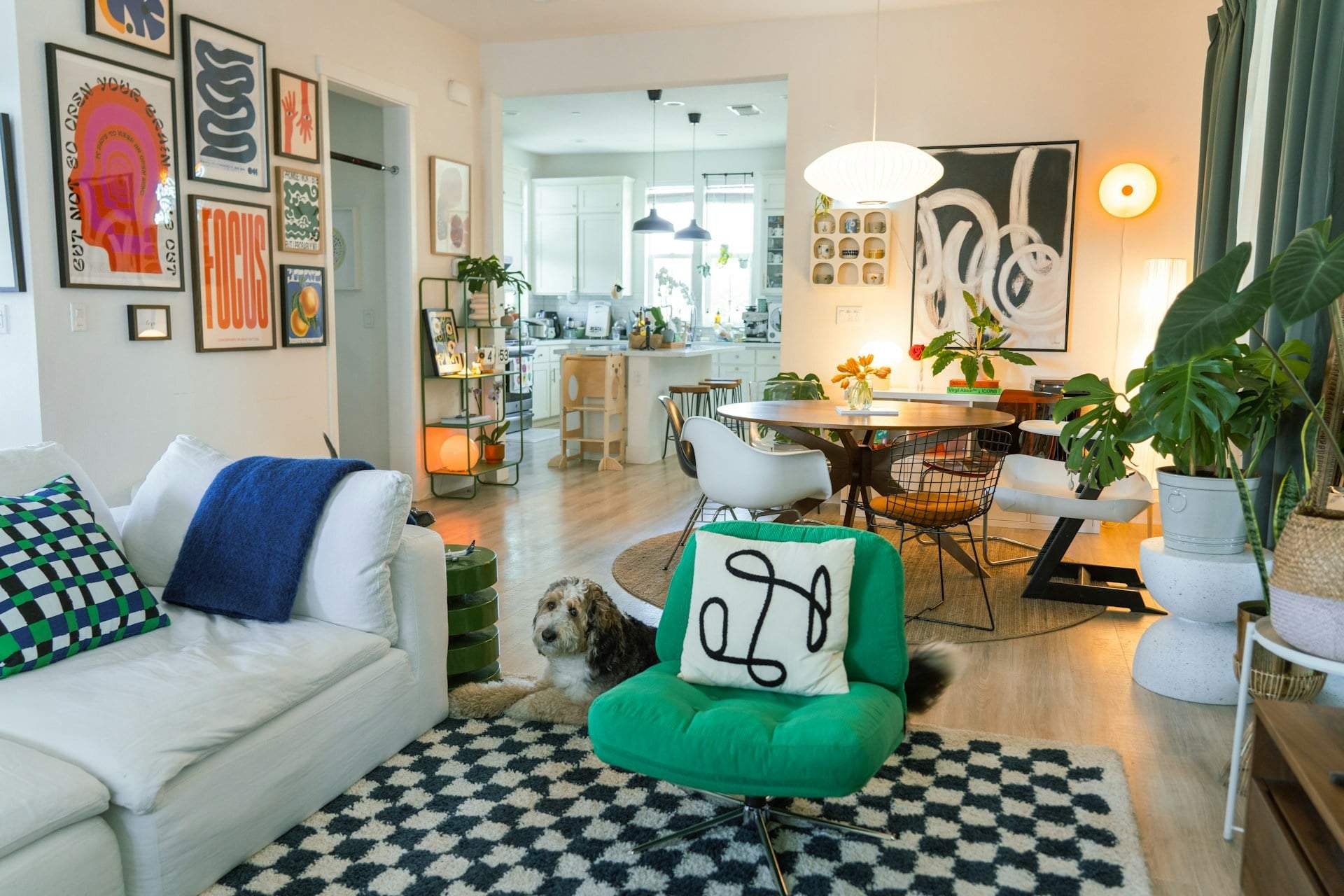
Well-lit rooms always feel larger, and this is just as true for a terrace as it is for a living room. Floor lamps, ceiling fixtures, and LED strip lights used consistently across both spaces reinforce their unity. Warm amber tones are especially effective — they make the living room feel inviting and cast a golden glow that extends naturally onto the terrace at night.
Consistent lighting doesn't just look beautiful — it creates an optical illusion that makes the whole space feel significantly larger.
Match your floors and walls
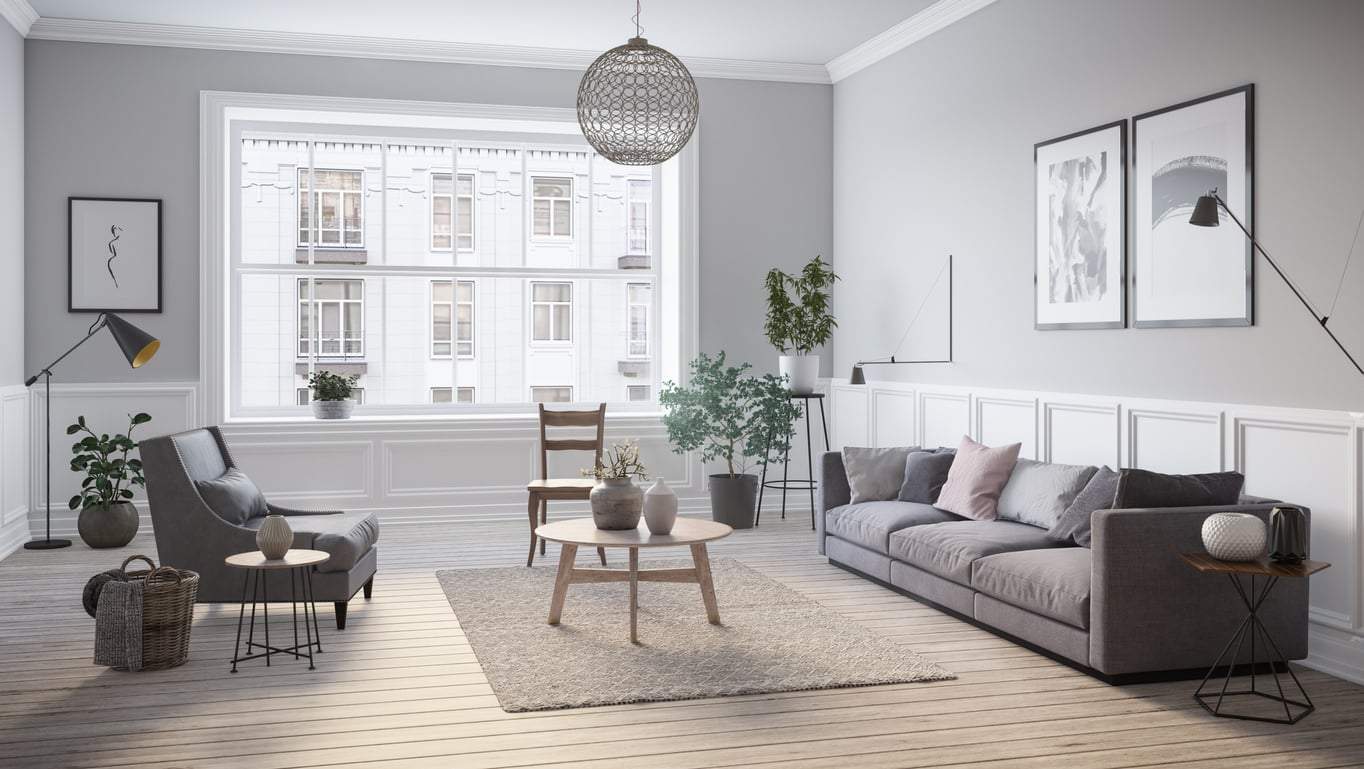
Using the same or closely matched flooring and wall tones inside and out is one of the most powerful visual tricks in interior design. Continuous tile, stone, or wood flooring that runs from the living room to the terrace removes the hard visual "stop" that makes spaces feel small and separate.
If replacing the floor isn't an option, don't worry. Coordinating rugs — one inside, one outside — can achieve a surprisingly similar effect by echoing the same color story across both zones.
Choose furniture that works in both worlds
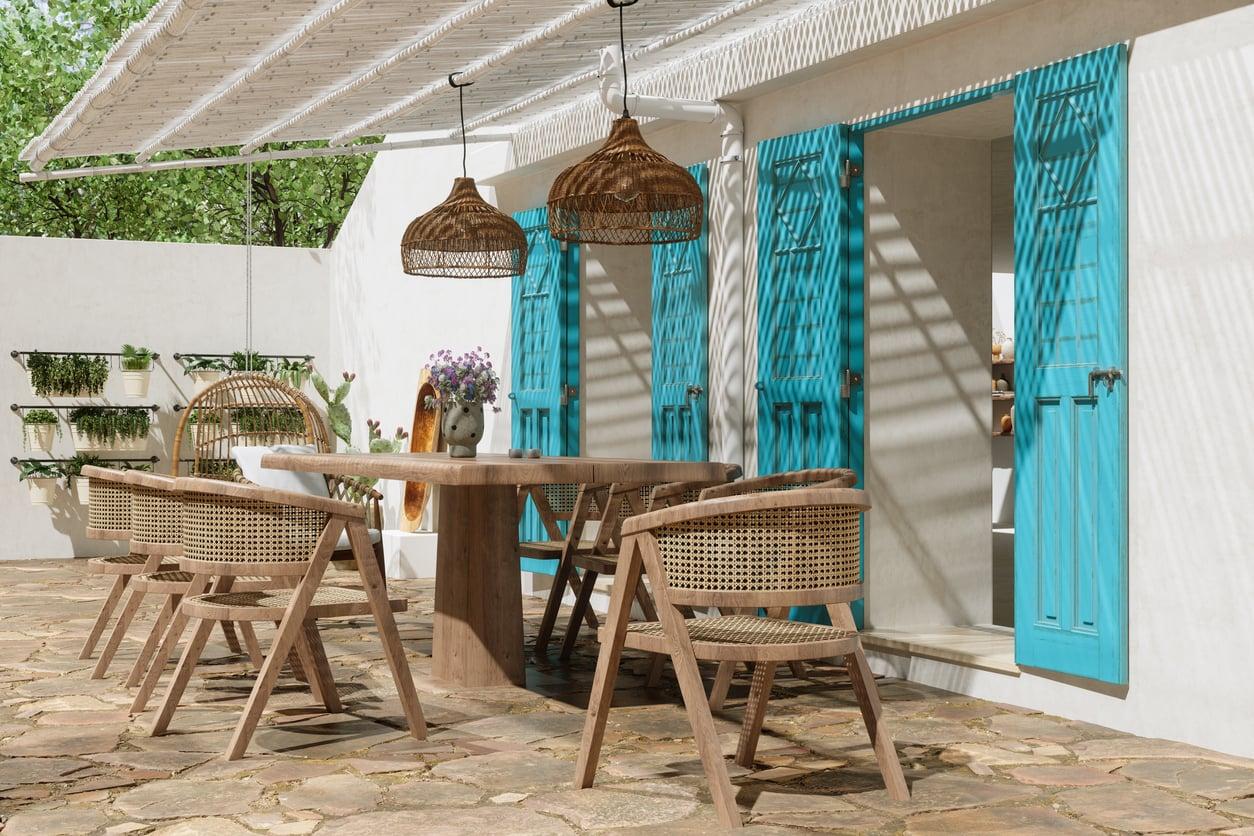
Multifunctional, movable furniture is your best friend when designing an indoor-outdoor space. Rattan chairs, stackable stools, foldable side tables, and versatile poufs can migrate between the living room and terrace as the mood — or the weather — changes.
Layer in textured cushions and throws in complementary colors and the two spaces will feel like a curated whole rather than two separate rooms. Guests will notice the harmony before they can even explain why it feels so good.
Let natural wood tie everything together
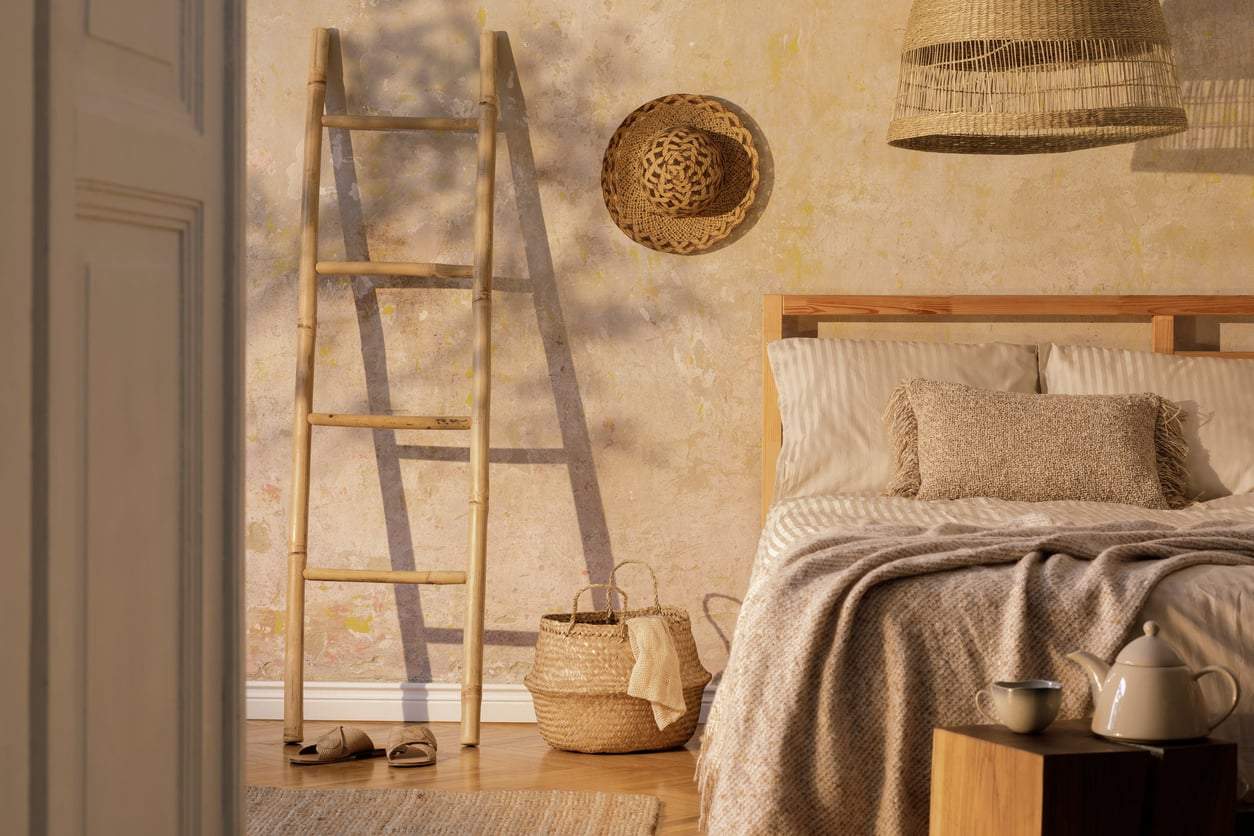
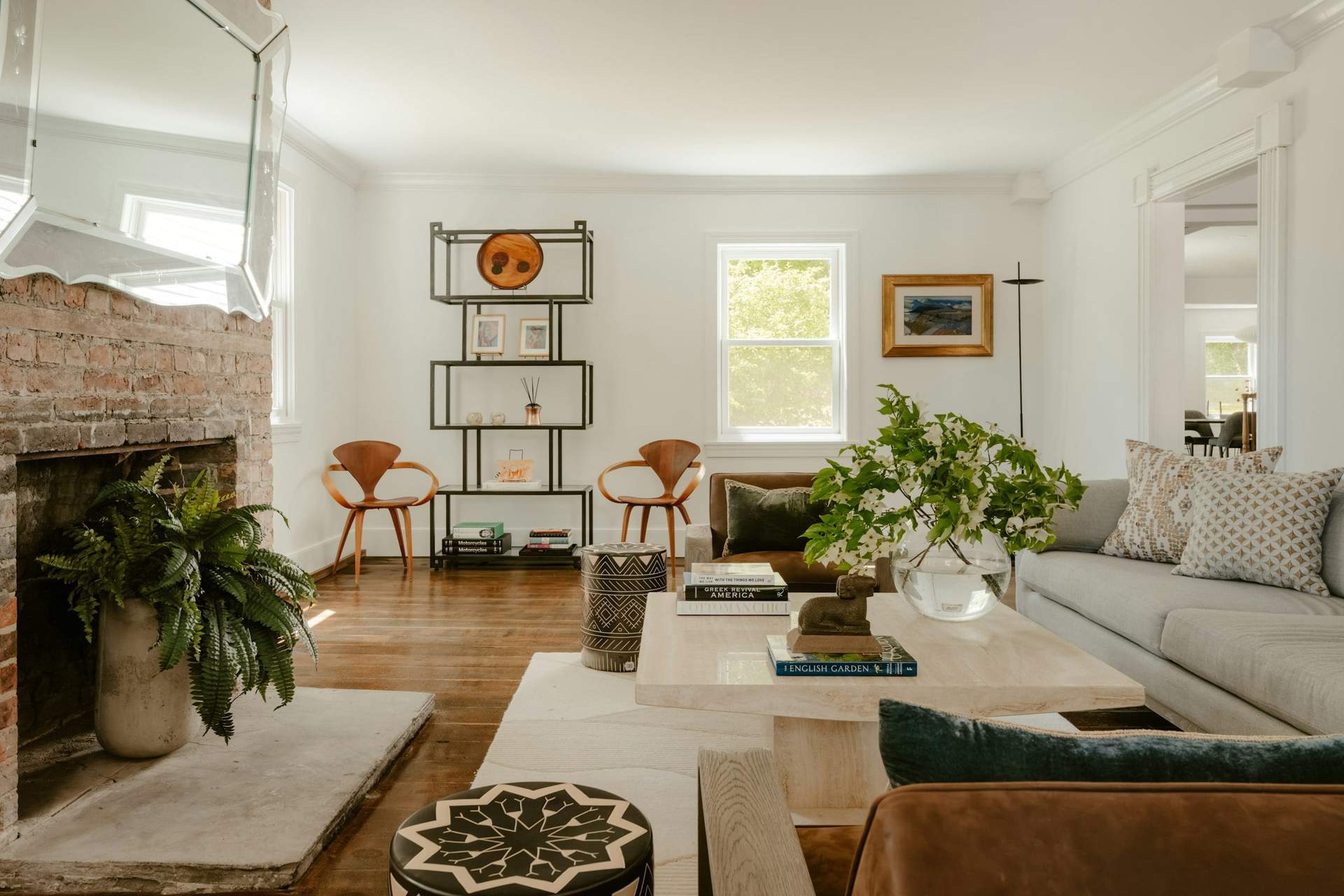
Wood is one of the most powerful materials for creating a sense of continuity between inside and outside. Whether it's a pergola overhead, a slatted privacy screen, or simple wooden shelving carried from the living room to the terrace, natural timber elements feel at home in both environments.
When you treat indoor and outdoor wood features as part of the same design language, the result is a space that feels genuinely boundless — as if your home simply continues, without interruption, into the open air.
Transforming your home doesn't have to be complicated or expensive. With the right transitions, a little greenery, cohesive lighting, matched surfaces, flexible furniture, and natural materials, you can create an indoor-outdoor flow that makes your entire home feel more spacious, more alive, and more you. Start with one change and watch how quickly the rest follows.