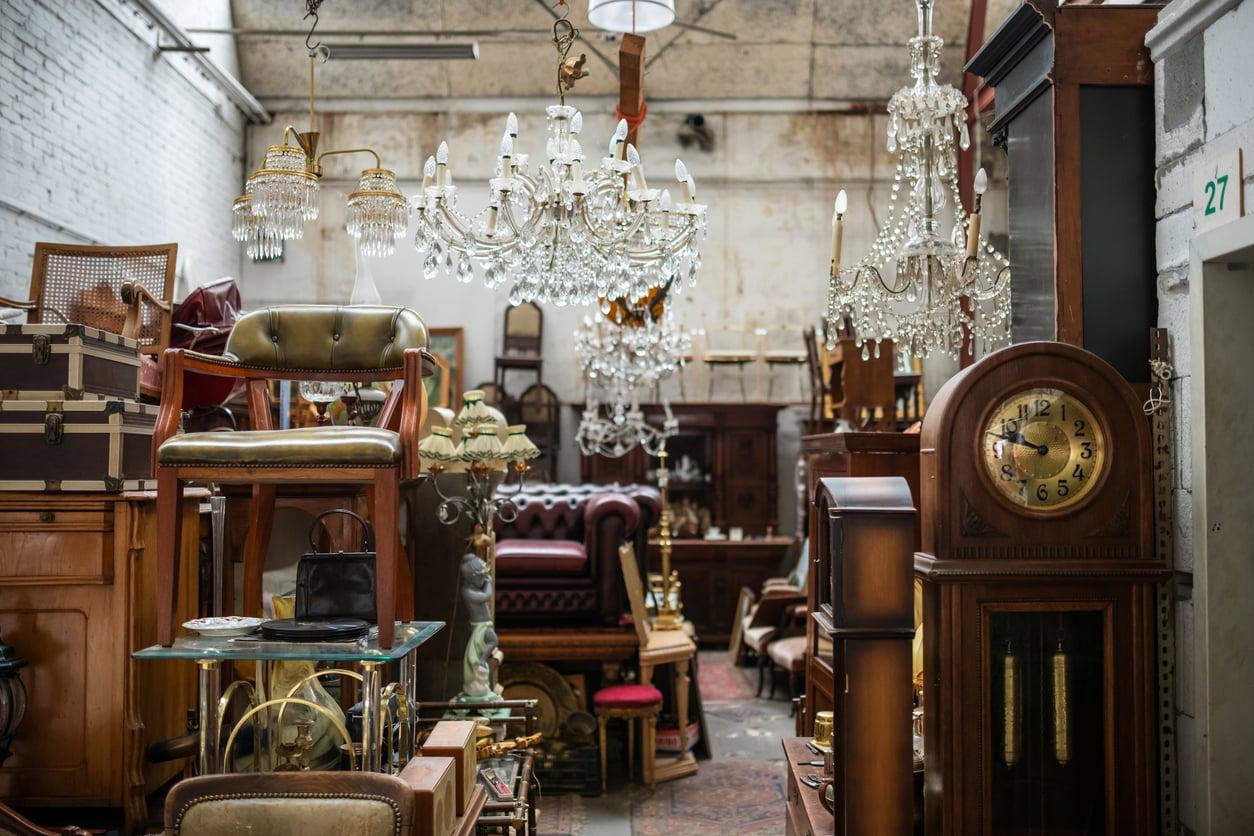
A vintage dresser, a worn leather armchair, a solid oak dining table — second-hand furniture can give your home genuine character while being kind to both your wallet and the planet. But not every "great find" is as good as it looks. Before you fall in love with a piece, there are a few things worth checking carefully.
Whether you're browsing online marketplaces, antique shops, or weekend flea markets, these five checks will help you avoid the kind of surprises that only reveal themselves once you get home.
1. Is the price actually a good deal?
Before anything else, take a step back and think honestly about the price. What would this piece cost new? What's it realistically worth on the second-hand market?
If the asking price feels fair, that's a good sign. If it seems high, don't hesitate to negotiate — haggling is completely normal and expected in the world of used furniture. Most sellers expect it.
If you're unsure about the value, consider asking a furniture restorer, an antique dealer, or even a knowledgeable friend for a second opinion. As Southern Living points out, an outside perspective can help you avoid overpaying — or missing out on a genuine bargain.
2. Is the structure solid, or just pretty?
Looks can be deceiving. A piece might be visually stunning but structurally compromised — and a wobbly, poorly jointed piece of furniture is more of a burden than a treasure in the long run.
Always check:
- Are the legs stable and even?
- Are the joints tight, with no wobbling?
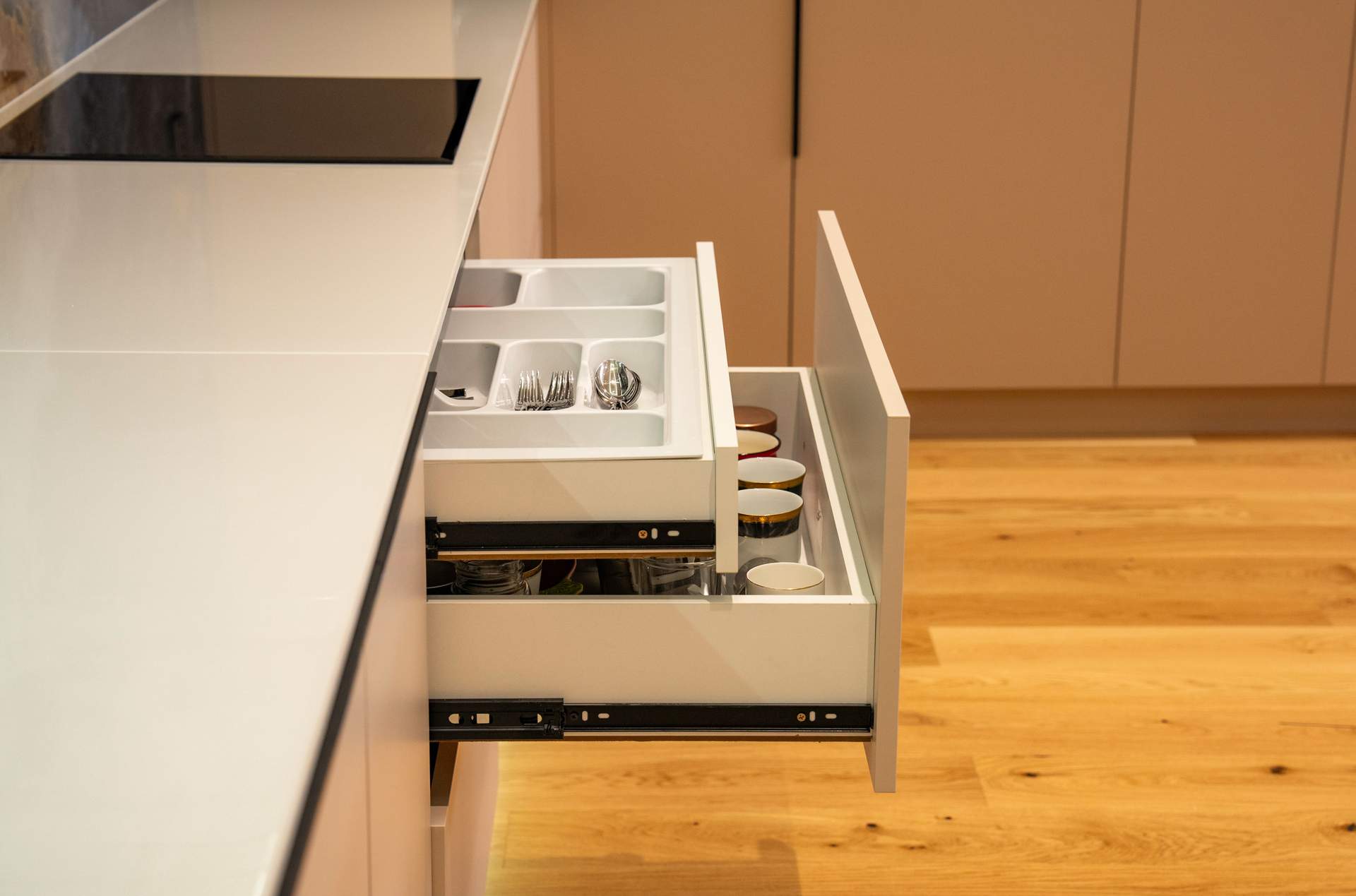
- Do the drawers and doors open and close properly?
- Is it solid wood, or lower-quality particleboard?
A strong structural foundation can extend a piece's life by years — even decades. Minor cosmetic flaws, on the other hand, are usually easy and inexpensive to fix.
3. Ask the seller everything — don't hold back
What you can see is only half the story. Before buying, always ask about the piece's history: Has it been repaired? Was it ever damaged? Is anything missing?
A trustworthy seller will be upfront about any issues. If someone is evasive or vague, take that as a warning sign and keep looking. There's no shortage of good second-hand furniture out there — but a bad decision can be frustrating for years to come.
Not sure what questions to ask? This guide to finding vintage gems at flea markets has some great tips on what to look for and how to talk to sellers.
4. How are you actually getting it home?
This is the one most people only think about after they've already bought something. A small side table is easy enough to carry, but a large wardrobe or a heavy sideboard is a different story entirely.
Think through the logistics before you commit:
- Will it fit in your car — or through your lift?
- Does it need to be disassembled first?
- Will you need to hire a removal service?
Always factor delivery costs into the total price. What seemed like a great deal can quickly become less appealing once you add transport fees on top.
5. Do you actually have space for it?
No matter how much you love a piece, it's not worth buying if you don't have a clear place for it. An overcrowded room doesn't just look cluttered — it makes daily life harder too.
Before you decide, ask yourself:
- Where exactly will this go?
- Does it suit the existing style of the room?
- Will it block any natural pathways or traffic flow?
A simple trick: Use masking tape to mark out the furniture's footprint on the floor before you buy. It makes it much easier to visualize whether it actually fits the space.
Bonus: the hidden risks people forget
There are a few extra details that are easy to overlook — but can cause real headaches later.
Pests and insects: On upholstered pieces, check all the seams and crevices carefully. On wooden furniture, look for small holes or fine dust that could signal woodworm or other insects.
Odors: The smell of cigarette smoke, pets, or chemicals can penetrate deep into wood and fabric — and it's notoriously difficult to remove once it's there.
Product recalls: If the piece is from a known brand, it's worth doing a quick search to check whether there have been any safety recalls on that model.
Restoration costs: Reupholstering or professionally restoring a piece can cost significantly more than you might expect. Always estimate these costs upfront, before you fall in love with the price tag.
Shop smart, enjoy it for years
Buying second-hand furniture is more than a financial choice — it's a lifestyle. A well-chosen piece can serve you for decades while giving your home something no flat-pack ever could: genuine personality and story.
The secret is patience and a careful eye. When you take the time to check what you're buying, an old piece of furniture can easily become the most special thing in your home.