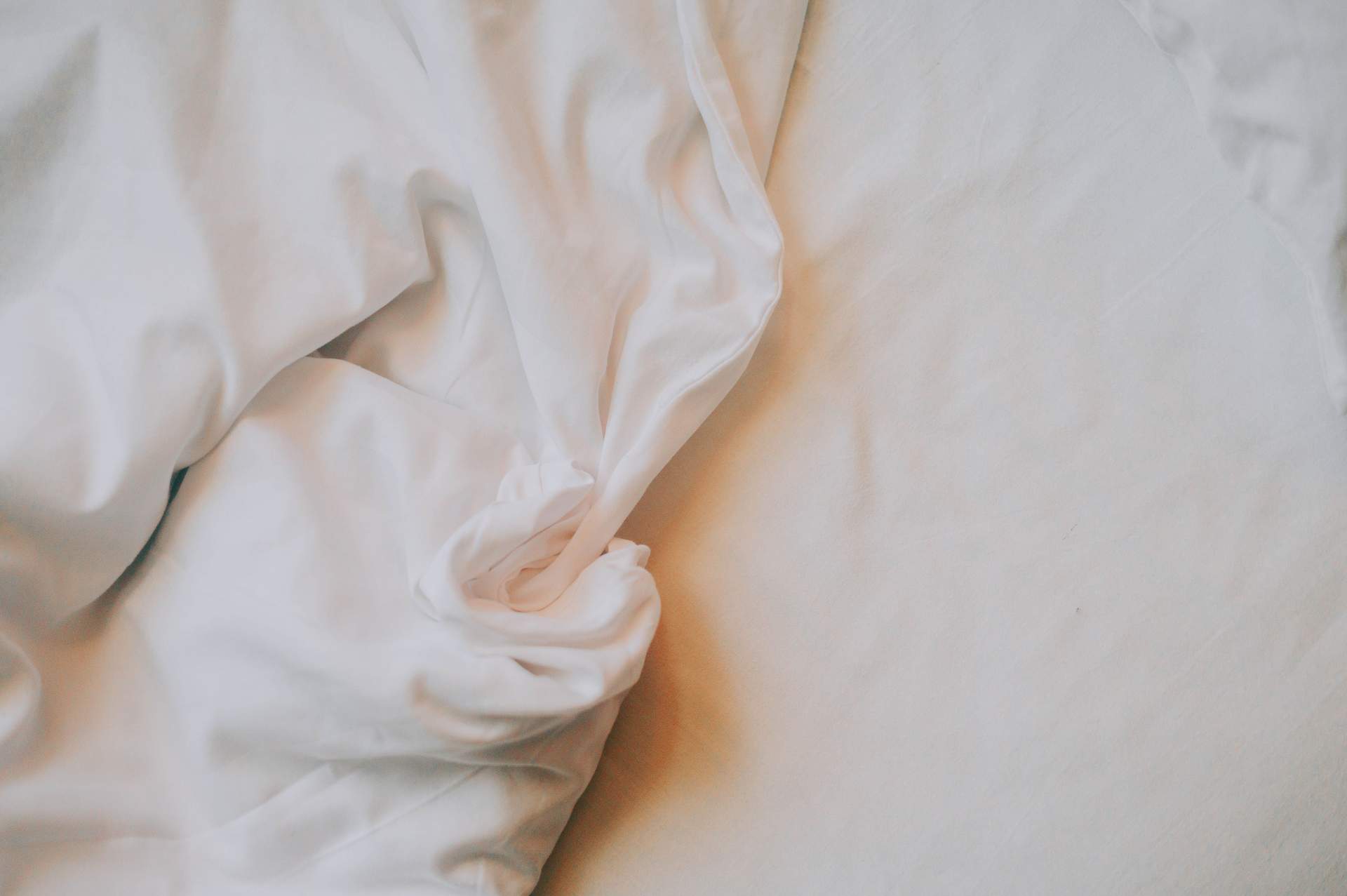
You strip the bed in the morning, and there it is: a faint yellowish-brown patch right where your head rests every night. The white pillowcase suddenly looks tired and stained. The good news? You don't need expensive bleaches to bring back that fresh, crisp white.
In summer it's almost inevitable. We sweat more in the heat while we sleep, and the natural oils in our skin, the residue from hair products, and perspiration all leave their mark on the fabric.
Why white pillowcases turn yellow in summer
That yellow discoloration usually isn't dirt in the traditional sense — it's protein buildup. Sweat, the secretions from your sebaceous glands, and the serums and oils you apply to your hair settle into the fibers in thin layers, and a regular wash at 85 to 105°F (30 to 40°C) doesn't always dissolve it completely.
What's worse, the stain oxidizes over time — which is exactly why it keeps getting darker if you don't tackle it early.
The budget-friendly home remedy: baking soda and white vinegar
Chances are your kitchen cupboard already holds the two most reliable fabric brighteners out there: baking soda and white vinegar. You don't need anything fancy, and they're much gentler on the fabric than some harsh bleaches.
- Soak the pillowcase for about half an hour in lukewarm water with two or three tablespoons of baking soda dissolved in it.
- After soaking, rub the yellow spots with a little baking soda paste (mix baking soda and water in a 3:1 ratio), then let it sit for ten minutes.
- Carefully pour white vinegar over the stain, let the two ingredients react, then rinse thoroughly with plenty of water.
- Only then toss it into the washing machine on your usual cycle — ideally at 140°F (60°C) or higher, if the fabric can handle it.
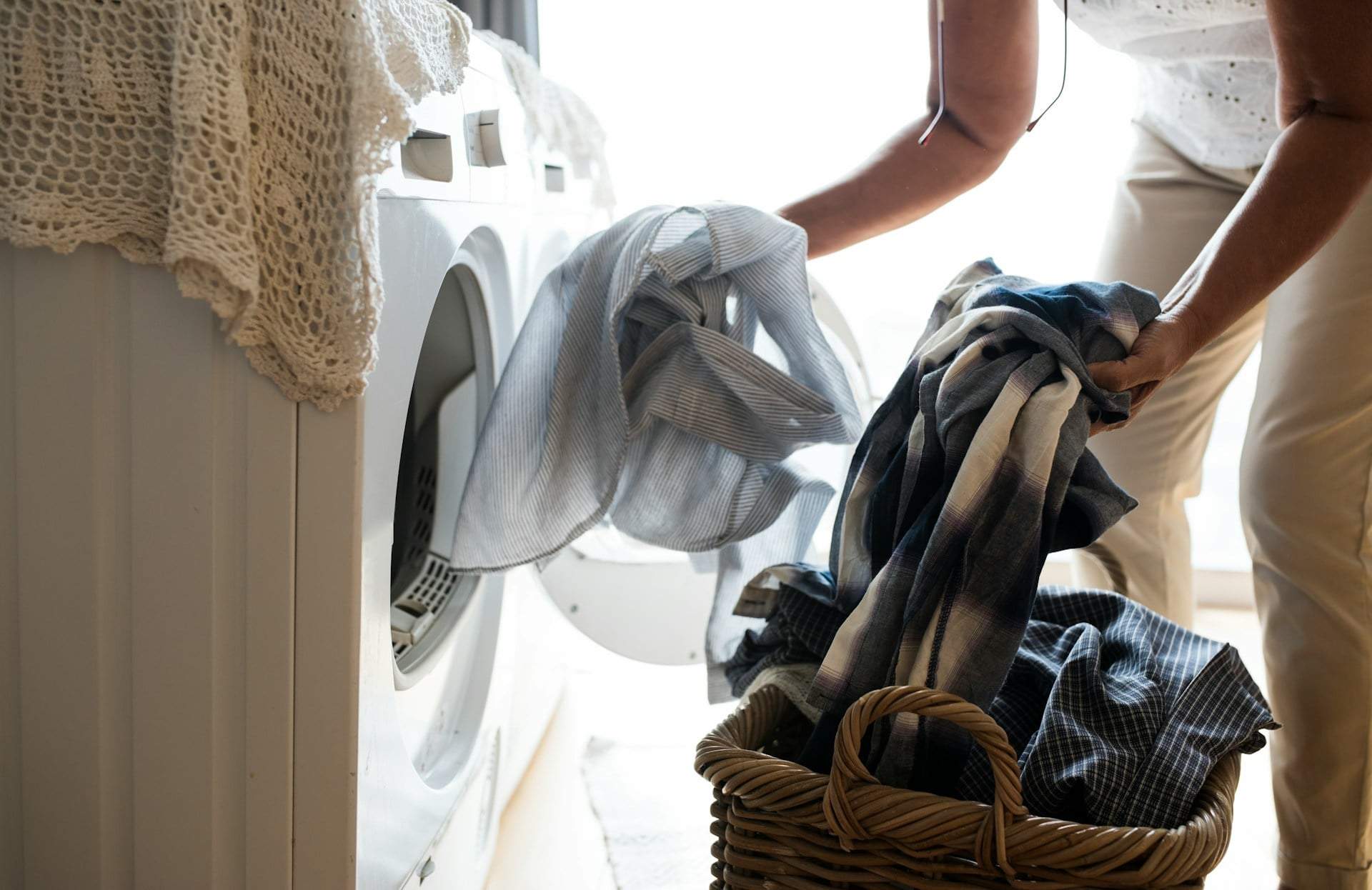
If you often battle stubborn marks after doing laundry, it's worth learning a few simple tricks that keep your clothes looking fresh straight out of the machine.
When the stain is more stubborn: citric acid and sunshine
Citric acid has a natural whitening effect and is far gentler than chlorine-based products. Dissolve one tablespoon in a quart (a liter) of warm water, soak the pillowcase for half an hour to an hour, then wash it as usual.
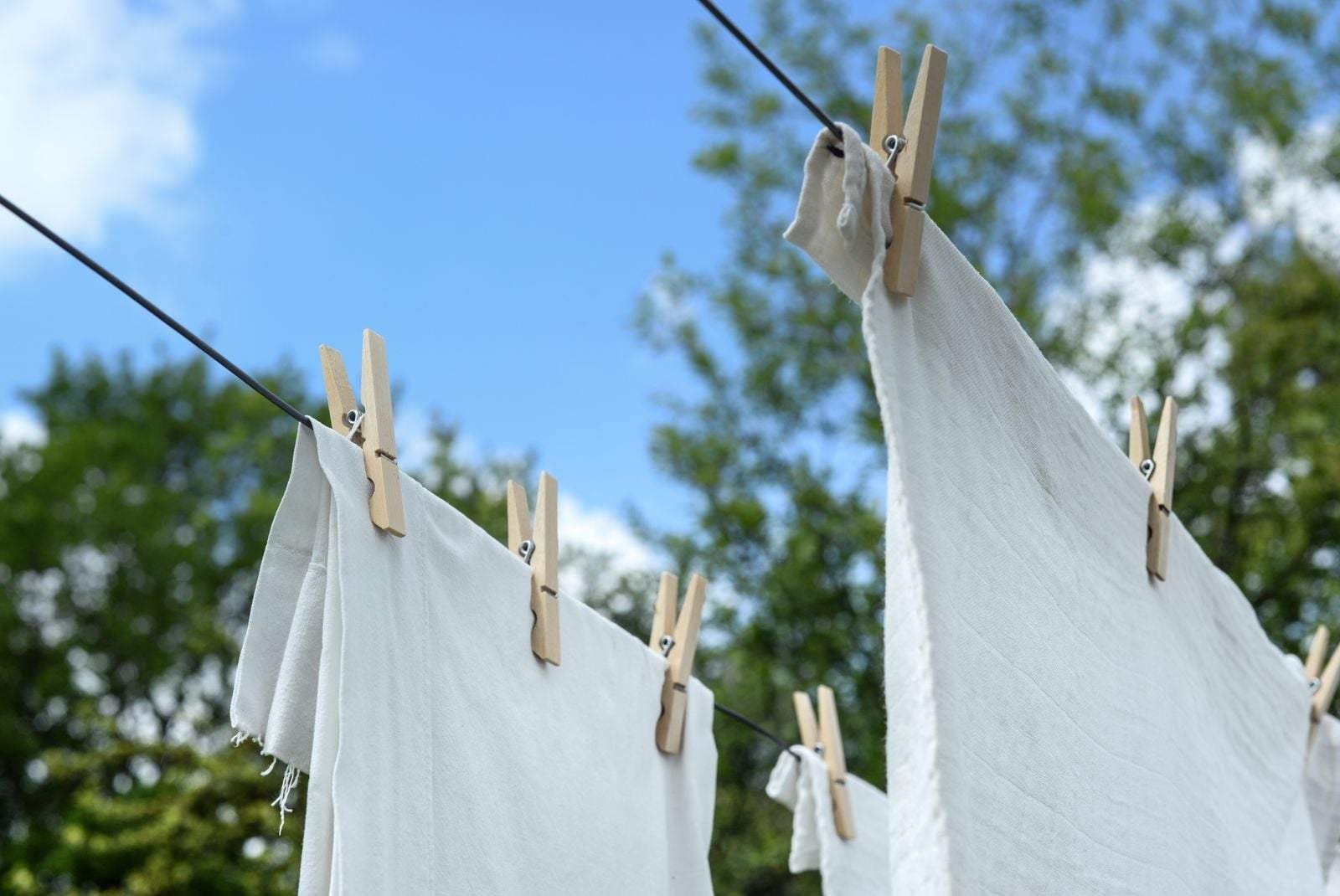
But the real secret is in the drying. If you can, spread the wet, freshly washed pillowcase out in direct sunlight. Sunshine works as a natural bleach, and in many cases it takes care of the remaining discoloration on its own — no chemicals required.
Prevention, so you have to fight it less often
During the summer months, it pays to change your bedding more often — ideally once a week — because the longer the fabric stays against your skin, the deeper the stains sink in.
If you sweat a lot at night, a thin, washable pillow protector underneath can absorb most of it, keeping the visible outer case spotless for longer. And try to apply hair oils and night serums at least half an hour before bed, so they soak in before your head hits the pillow.
A yellow stain isn't the end of your pillowcase — it's just a sign that it's time for a little patient care.
What not to do when you want to whiten
Avoid hot water when treating the stain directly before you've removed it, because heat can lock the protein buildup into the fibers, making it far harder to wash out afterward.
Be just as careful with chlorine bleaches on delicate, lacy, or decoratively trimmed pillowcases, since they can quickly ruin the finer threads. Natural methods are slower, but they're gentler — and over the long run they do a much better job of preserving the fabric.
Frequently asked questions
Why does my white pillowcase turn yellow even after washing?
The yellowing is usually protein buildup from sweat, skin oils, and hair products rather than ordinary dirt. A regular wash at lower temperatures doesn't always dissolve it completely, and over time the residue oxidizes and darkens.
What's the best home remedy to whiten a yellowed pillowcase?
Baking soda and white vinegar are the most reliable. Soak the case in baking soda water, rub the stains with a baking soda paste, pour vinegar over the spot, rinse well, then wash at 140°F (60°C) if the fabric allows.
Does sunlight really help whiten fabric?
Yes. Sunshine acts as a natural bleach. Drying a freshly washed, still-damp pillowcase in direct sunlight can lift the remaining discoloration on its own, without any chemicals.
Should I use hot water to treat the stain?
Not before you've removed the stain. Heat can set the protein buildup into the fibers, making it much harder to wash out later. Treat the stain first, then use higher temperatures for the wash.
How can I prevent my pillowcases from yellowing?
Change your bedding more often in summer, use a thin washable pillow protector if you sweat at night, and apply hair oils or serums at least half an hour before bed so they soak in first.