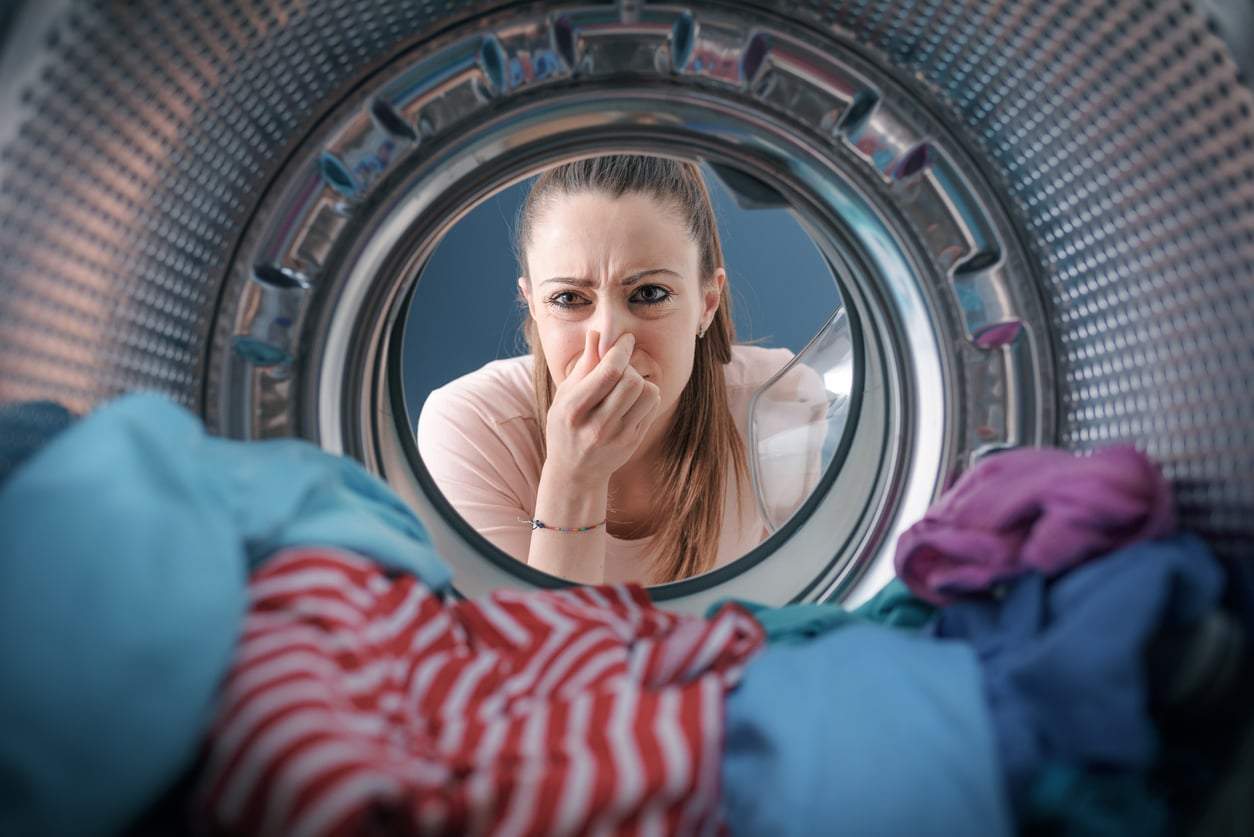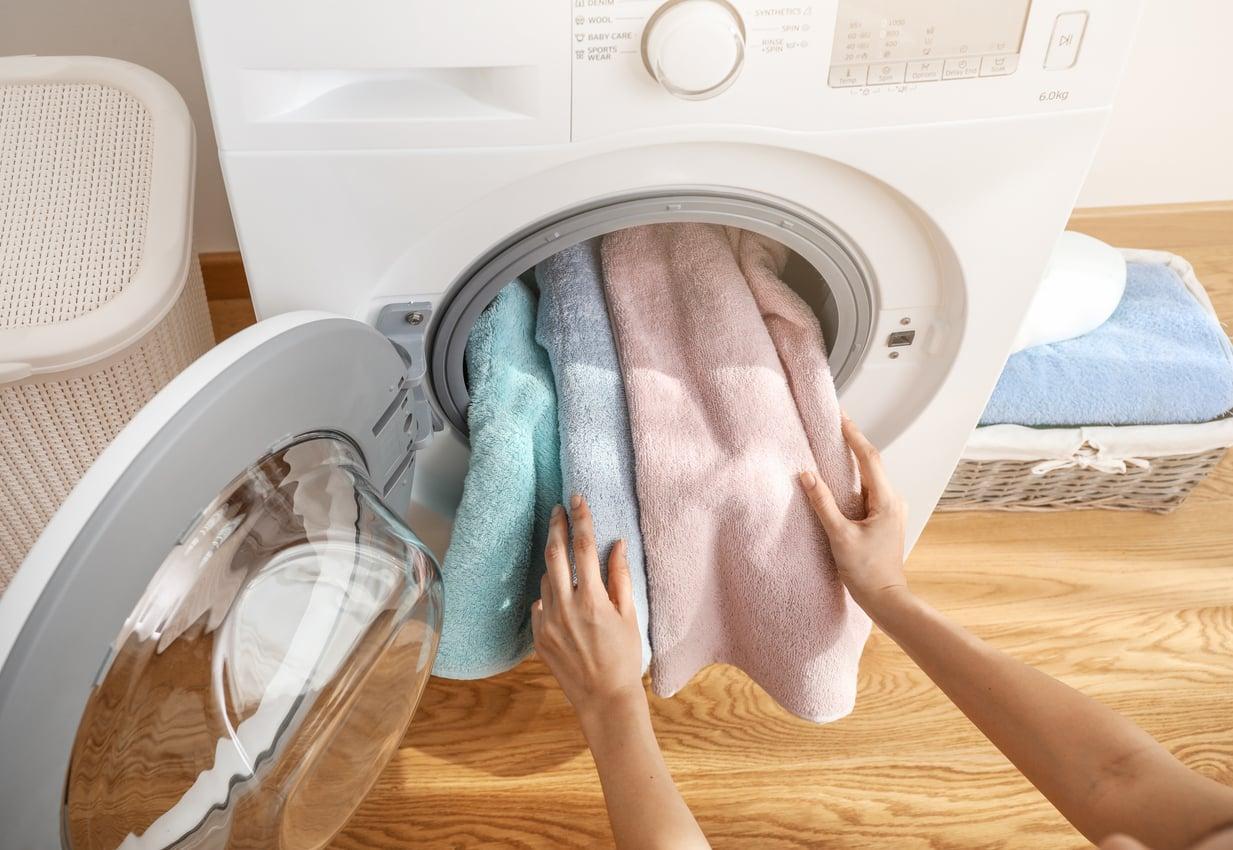
There is a particular disappointment in pulling a load of washing out of the machine and catching that damp, slightly stagnant smell on it. You sniff a towel. You sniff another towel. You conclude, hopefully, that it is fine. It is not fine. The machine that washes everything else in your house is the one appliance most of us never wash, and it will eventually tell you so.
I got serious about this the year I realised I was rewashing loads out of suspicion. The fix took twenty minutes and has become one of those small monthly rituals I now find weirdly satisfying, in the way of a job that gives instant, sniffable results.
Why machines start to smell in the first place
Nothing mysterious is happening. A washing machine is a warm, damp, dark drum that regularly handles body oils, skin, food and mud. Over time a soft film builds up in the places water sits: the rubber door seal, the detergent drawer, the hoses and, on front loaders, the filter at the bottom.
Three habits accelerate it. Washing everything on cool short cycles, which is kind to fabric and to bills but never hot enough to break down greasy residue. Using generous amounts of liquid detergent and fabric softener, both of which leave a sticky deposit. And closing the door the moment the load comes out, sealing the moisture in.
The monthly reset, in order
Work top to bottom so you are not cleaning the same surface twice.
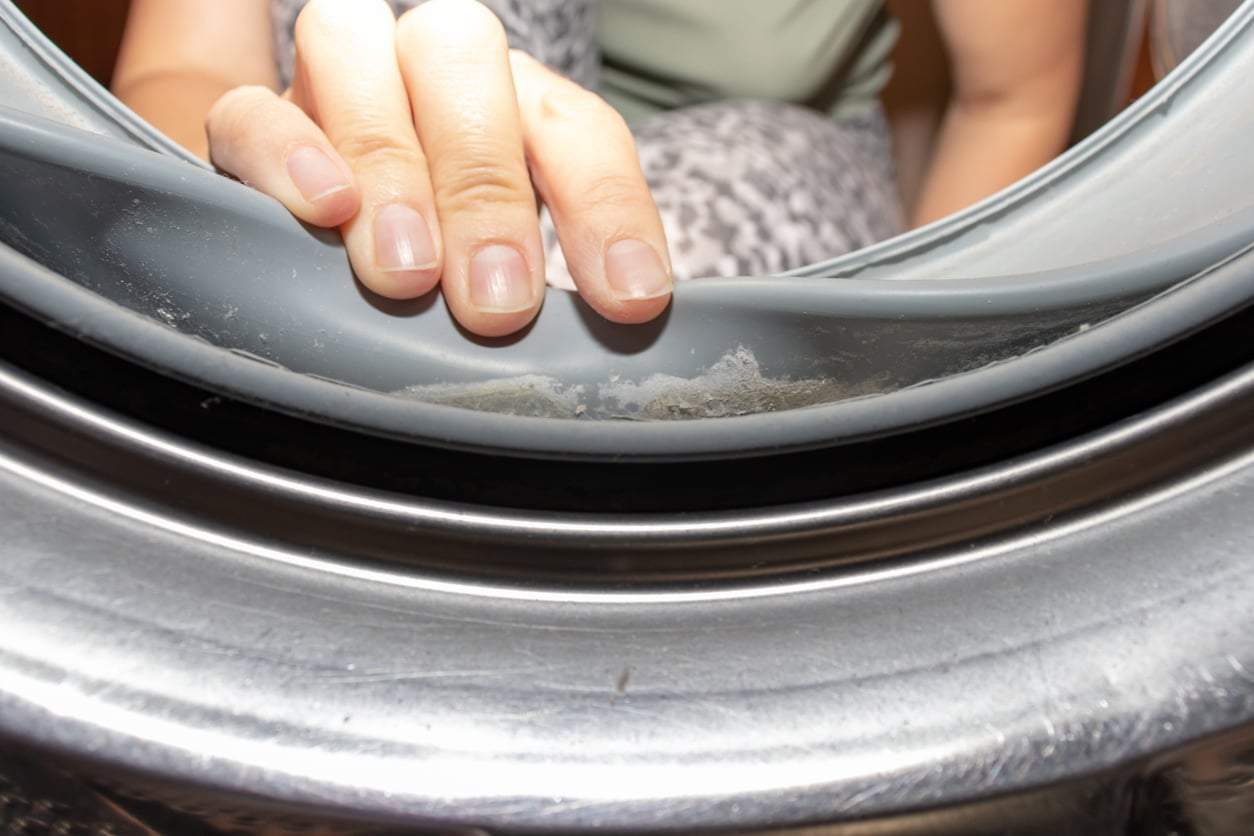
Start with the door seal on a front loader. Peel the rubber gasket back gently and wipe right into the fold with a damp cloth — this is where the black speckling and most of the smell live. If it is heavily marked, a paste of bicarbonate of soda and water, left for a few minutes and then wiped away, does more than scrubbing does.
Take out the detergent drawer completely, if yours lifts out, and soak it in hot water. The softener compartment is usually the worst offender; an old toothbrush gets into the corners and the underside of the siphon cap. While the drawer is out, wipe inside the empty cavity too, because residue collects on the roof of it where you cannot see.
Now the part almost everyone forgets: the filter, or drain pump trap. Most front loaders have a small hatch at the bottom front. Put down a towel and a shallow dish, open the little drain hose or unscrew the cap slowly, and let the water out in stages. What comes out is a compressed history of your household — hair, grit, coins, a hair clip, the button you mourned. Rinse the filter under the tap, clear the housing, and screw it back firmly. Check your manual before you start, since layouts differ and a few machines handle this differently.
Finally, run the machine empty on its hottest cycle, or the drum-clean programme if it has one. A machine cleaner tablet or a good dose of powder detergent both work; powder is mildly abrasive and surprisingly effective. Do not tip bleach and vinegar in together, and do not mix cleaning products in general — one thing at a time, following its own instructions.
The habits that keep it clean
Leave the door and the detergent drawer ajar after every load so the drum dries out. Move washing out promptly rather than leaving it to sit overnight in a warm damp heap. Reduce fabric softener, or drop it entirely and use dryer balls or a little white vinegar in the rinse compartment instead. And every so often run a genuinely hot wash with something that needs it — bedding, towels, kitchen cloths — so the machine gets its own periodic scald.
Top loaders need the same principles with a slightly different map: wipe the underside of the lid and around the rim, check whether yours has a lint filter, and clean the softener dispenser on the agitator.
How often should I clean my washing machine?
A full reset once a month suits most households, and every six weeks is fine if you mainly wash light everyday clothes at warm temperatures. Wipe the door seal weekly, though — it takes ten seconds and it is the single thing that prevents most smell problems from ever starting.
Why do my clothes still smell after washing?
Usually because residue and bacteria remain somewhere in the system, so start with the seal, drawer and filter, then run a hot empty cycle and see whether the next load is different. If the smell persists, look at your habits rather than your machine: overloading stops water circulating properly, too much detergent leaves deposits that hold odour, and clothes left damp in the drum will sour no matter how spotless the appliance is.