Summer is here, and if you've ever tried to sleep upstairs on a hot night, you know exactly how brutal it gets. Heat rises, the sun beats down on the roof all day, and by evening the bedroom holds so much warmth that sleep feels impossible.
If you don't have air conditioning, or you'd rather not run it all day and watch your electricity bill climb, a few simple habits can make a real difference. Here are the five most effective ones.
Close the blinds early
The simplest fix is also one of the most powerful: block the sunlight. It sounds obvious, yet a surprising number of people skip it, and the difference is genuinely noticeable.
South- and west-facing windows are the biggest culprits. They let in the most heat during the day, especially from noon through early afternoon. If you have blinds, shutters, or blackout curtains, keep them drawn while the sun is high.
Yes, the room gets darker, but the drop in temperature is worth far more than the light you lose. And if you don't have any of those yet, even a thick blanket over the window works as a temporary shield.
Fans yes, the bathroom exhaust no
If you have a ceiling fan, switch it on, and check that it's spinning clockwise in summer. That direction pushes air downward and creates a cooling breeze you can actually feel.
Here's the less obvious part: don't leave your bathroom exhaust fan running longer than you need to. It pulls air out of the house and creates low pressure that draws warm air in from outside, doing exactly the opposite of what you want. A quick run after a shower is fine, but switch it off afterward.
Small habits like these add up, and they pair nicely with knowing how to use a fan the right way at night.
Open in the morning, shut it down by day
Cool morning air is your best free resource. Open the windows early and air out the house while the temperature outside is still low.
The mistake most people make is forgetting to close everything before the heat rolls in, usually between nine and ten in the morning.
If the windows stay open, the heat doesn't just fill the air, it seeps into the walls and furniture, which then radiate it back all day long.
Those surfaces are far slower and harder to cool down than the air itself, which is exactly why it pays to seal the house up in time.
The frozen towel fan trick
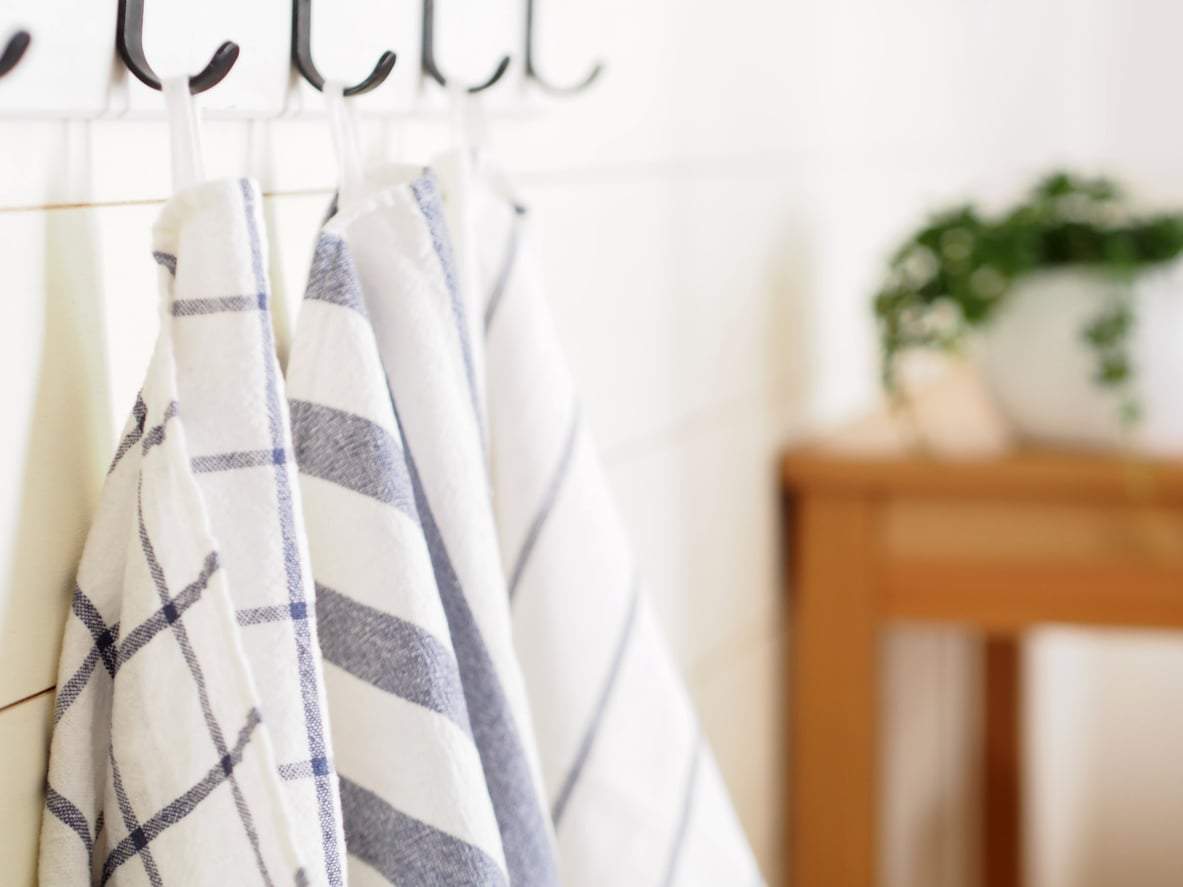
If you own a fan, there's a homemade trick that works surprisingly well. Put a few damp towels in the freezer, then drape them over the back grille of the fan while it's running.
The warm air pulled through the icy fabric comes out noticeably cooler on the room side. If you'd rather not repeat this every hour, placing a frozen jug of water behind the fan lasts longer and creates a similar effect.
And if a heat wave is on the way, it's worth freezing a few in advance so you're ready.
Don't run heat-generating appliances at peak hours
The oven, the stove, and the tumble dryer all pump out serious heat, and the air picks up on it instantly. In a small upstairs room, that warmth builds up especially fast.
Try to avoid using them around midday and early afternoon. Shift your cooking and laundry to early morning or evening, when the outdoor temperature eases off too. You'll cut heat production during the worst hours and save a bit on energy at the same time.
And if that gives you a good excuse to order lunch in on the hottest days instead, no one's going to judge.
Why does the upstairs get so much hotter than the rest of the house?
Heat naturally rises, and the top floor also sits directly under a roof that bakes in the sun all day. That combination means warm air collects upstairs and lingers well into the evening.
Should I keep windows open or closed during a heat wave?
Open them early in the morning to let cool air in, then close everything before the outside temperature climbs, usually between nine and ten. Leaving them open later lets heat soak into your walls and furniture.
Does closing curtains during the day really make a difference?
Yes. Blocking direct sunlight, especially on south- and west-facing windows, is one of the simplest and most effective ways to keep a room cooler. The temperature drop is worth the darker room.
How does the frozen towel fan trick work?
Freeze a few damp towels, then drape them over the back grille of a running fan. As warm air passes through the icy fabric, it comes out cooler. A frozen jug of water behind the fan works similarly and lasts longer.