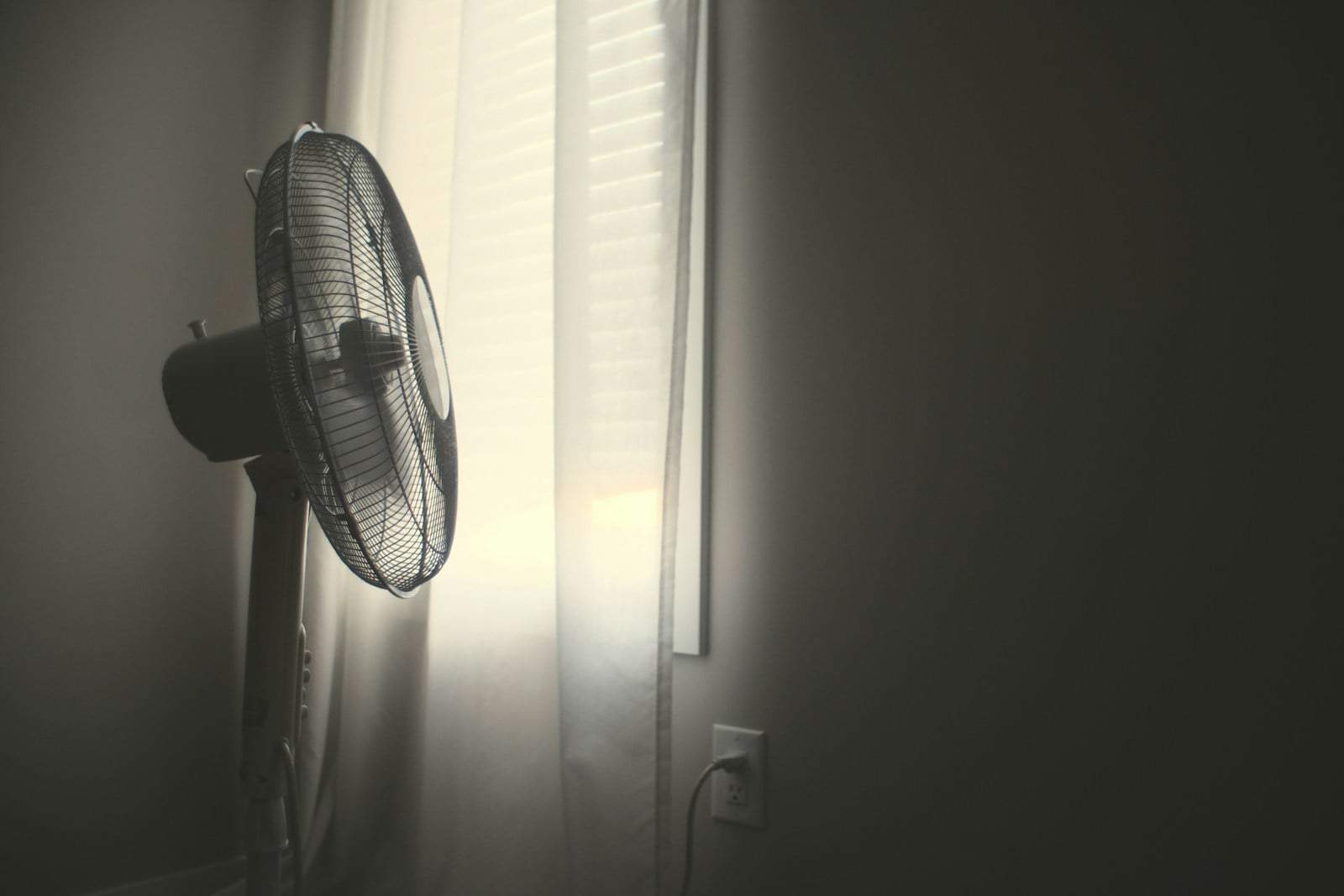
When a heatwave settles in for days on end, the air conditioner runs almost non-stop — and your energy bill shows it. But staying cool at home doesn't have to cost a fortune. With a few smart, low-effort changes, you can keep your living space comfortable while using significantly less energy.
The good news? You don't need a full renovation. Even small, practical adjustments can make a surprising difference — both in how your home feels and how much you pay each month. Here are 8 simple tricks to make your home cooler and more energy-efficient, even on the hottest summer days.
Stop the hidden heat leaks
Cool air escapes from homes more easily than most people realize. A poorly sealed window or a hairline gap around a door frame can be enough to make your air conditioner work overtime without ever catching up.
Take the time to check around windows, doors, baseboards, and electrical outlets for any gaps or cracks. Sealing them with caulk or weatherstripping is inexpensive and takes very little effort — but the payoff in comfort and savings can be significant. The better your home holds cool air in, the less your AC has to run.
Switch your ceiling fan to summer mode
Many people don't know that ceiling fans have a seasonal setting — and it genuinely matters. In summer, the blades should spin counterclockwise. This pushes air straight down, creating a wind-chill effect that makes the room feel cooler.
With the fan set correctly, you can raise your thermostat by a few degrees without noticing any difference in comfort. That small adjustment alone can reduce your cooling costs noticeably over a full summer.
Don't underestimate good insulation
Insulation tends to get associated with winter heating, but it plays an equally important role in summer. Well-insulated walls and attic spaces act as a barrier against heat, slowing down how quickly your home warms up during the day.
If your home feels like an oven by mid-afternoon, poor insulation could be the culprit. Upgrading your insulation is a longer-term investment, but it can dramatically reduce energy consumption year-round — not just in winter.
Use blackout curtains and window coverings
Sunlight is beautiful, but in summer it brings a serious heat load into your home. South- and west-facing windows in particular can let in a huge amount of warmth during the hottest parts of the day.
Blackout curtains, blinds, or UV-filtering window film reflect sunlight before it has a chance to heat up your rooms. Keeping them closed during peak sun hours can make a noticeable difference in temperature — and as a bonus, they also protect your furniture and fabrics from fading.
Keep your AC and ventilation system well maintained
An air conditioner's efficiency depends heavily on its condition. Clogged filters and dusty vents force the system to work harder to deliver the same level of cooling — meaning higher energy use for the same result.
At the start of summer, clean or replace the filters and consider having the unit professionally serviced. Also make sure that vents and airflow openings aren't blocked by furniture or thick rugs, which can quietly undermine your system's performance.
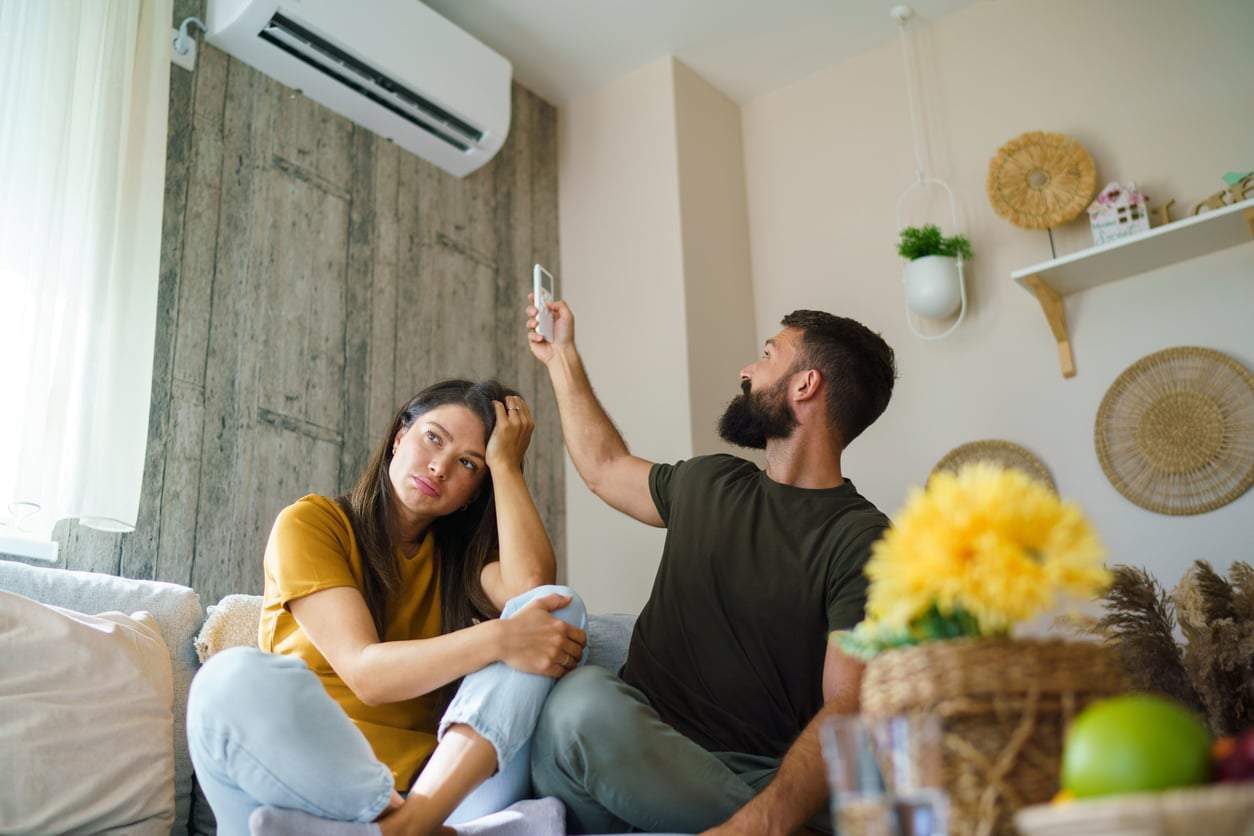
Be smarter about your thermostat settings
If nobody is home during the day, there's no reason to cool the entire house to your preferred evening temperature. Even raising the thermostat by a few degrees while you're out can lead to meaningful savings.
A programmable or smart thermostat makes this effortless — it automatically adjusts to your schedule, so by the time you walk through the door, the temperature is already comfortable. No wasted energy, no coming home to a sweltering house.
Switch your old bulbs to LED
Traditional incandescent bulbs don't just consume more electricity — they also generate heat. In a smaller room, this can add up more than you'd expect during a hot summer.
LED bulbs are more energy-efficient, run much cooler, and last far longer. Swapping out your old bulbs is one of the simplest changes you can make — and it benefits your home in more ways than one.
Time your appliance use wisely
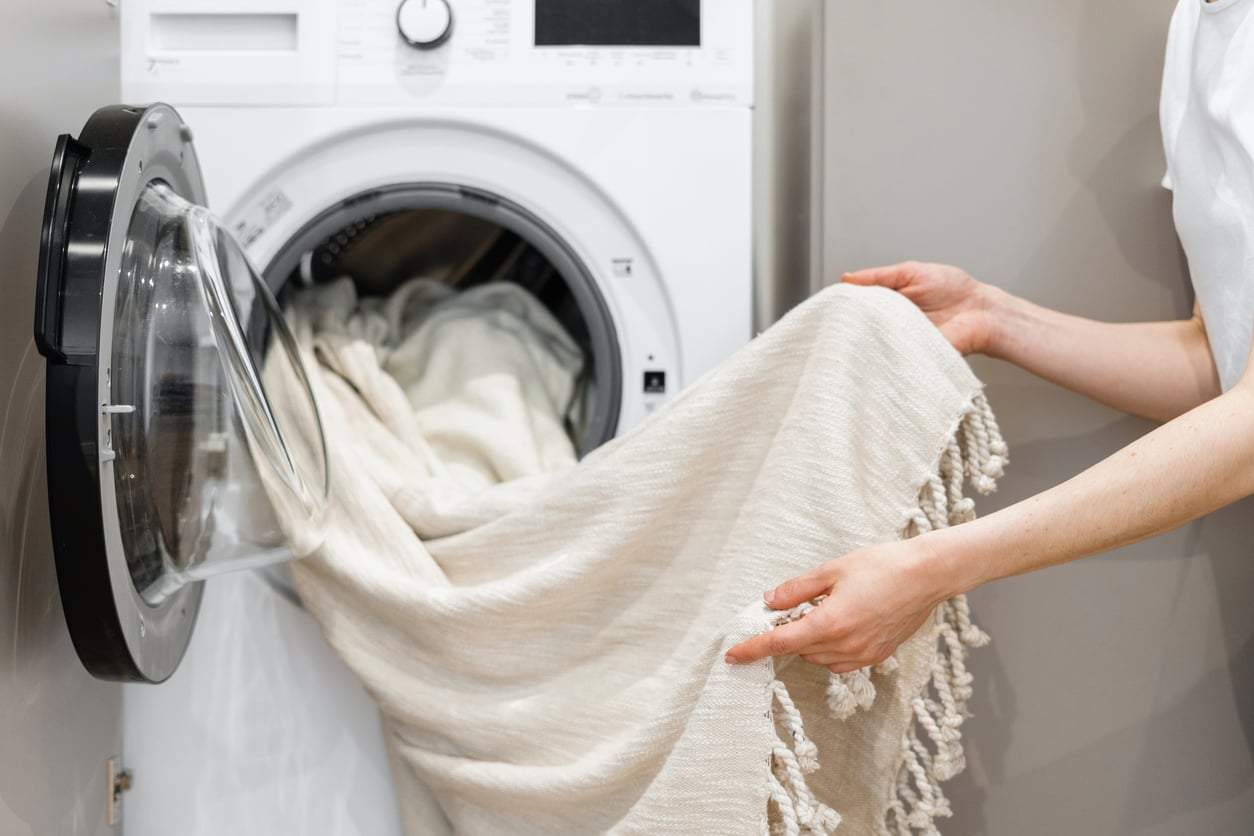
Your washing machine, oven, and even your dishwasher all generate extra heat when running. Using them during the hottest part of the afternoon adds unnecessary warmth to your home right when you least want it.
Shifting these tasks to late evening or early morning keeps your home cooler during peak heat hours and means your air conditioner doesn't have to compensate for the extra warmth. It's a small habit change with a real impact on both comfort and energy use.
A little awareness goes a long way
An energy-efficient home doesn't require expensive renovations or complicated upgrades. Often, a handful of small habit changes is all it takes to feel a real difference — in both the temperature of your home and the size of your monthly bill.
During the summer months, your home should be a genuine refuge from the heat. With these simple tricks, it can be — without putting unnecessary strain on your wallet or the environment.