You set it to 72°F (22°C) in the morning, and by evening the thought of the electricity bill chills you more than the room does. Because an air conditioner isn't a simple switch: on, off, done.
The truth is, the way you run it matters far more than how long it stays on. Let's clear up the confusion once and for all.
Running all day doesn't mean burning power all day
Plenty of people assume that if the unit runs all day, it automatically means a brutal spike on the bill. In reality, a well-set air conditioner does most of its heavy lifting at the start, when it has to bring the room down to the temperature you want.
Once it only has to hold a steady level from there, the compressor works far less than when you flip it on and off every few minutes.
The problem isn't long running time. It's the unit constantly starting its cooling from zero all over again.
The temperature gap decides everything, not the hours
For every degree you drop the indoor temperature below the outdoor air, the energy demand rises proportionally. If it's 93°F (34°C) outside and you set it to 66°F (19°C), the unit is trying to bridge an enormous gap, and it never stops trying.
Set it to around 75-77°F (24-25°C) instead, and your body adjusts better while the machine works far less. Those extra five or six degrees of over-cooling are often the most expensive line on your bill.
Your filter and indoor unit matter more than you think
A clogged filter forces the air conditioner to work harder for the same result, like trying to take a deep breath through a thin straw. A regularly cleaned filter, plus clear airflow around both the indoor and outdoor units, fundamentally shapes how much energy it takes to reach the same cooling effect.
This is the one thing most people forget, even though it hits efficiency more directly than almost anything else. If you're rethinking your whole setup this summer, it's worth looking at the small habits that quietly drive your energy bill up.
Your home's insulation is invisible but decisive
Even the most expensive AC works in vain if the cold air escapes in minutes through a cracked window or an uninsulated blind.
A shading blind, blackout curtain, or even a simple awning dramatically cuts the amount of heat the AC has to fight in the first place. When the sun beats directly through the window, the room heats back up faster, and the unit kicks in more often just to hold your set temperature.
Blocking the afternoon sun often saves more than any clever setting on the air conditioner itself.
Timing plus a fan is a powerful combo
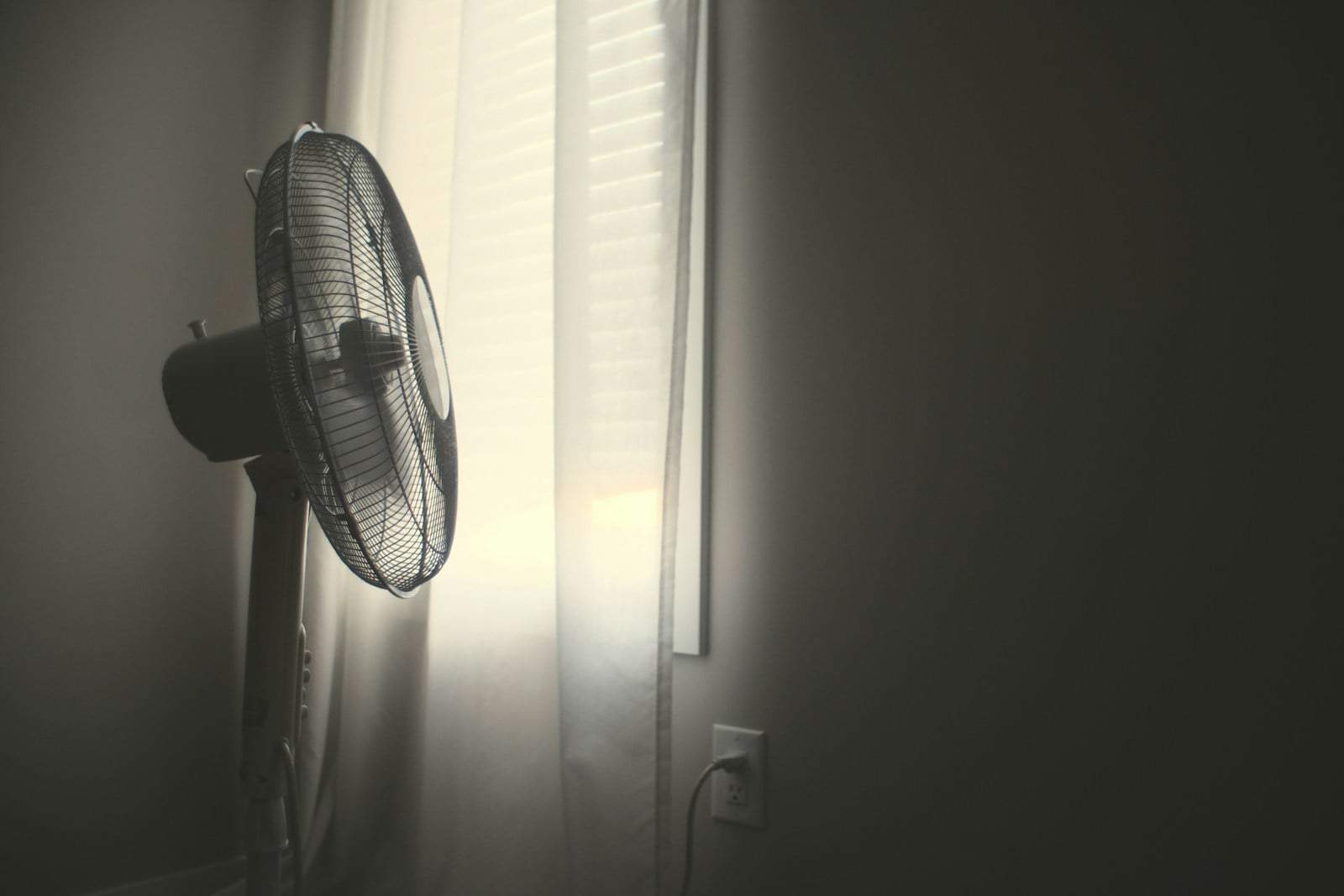
You don't need to run the AC at full power all day for your home to feel comfortable. A ceiling or standing fan alongside the AC moves the cold air more evenly, so even a lower setting feels like enough.
Many units also have an automatic or eco mode that shifts to a slower speed once the temperature stabilizes. Over time, that meaningfully lowers consumption without asking you to give up the cool air.
What actually matters in the end
Your AC's consumption doesn't depend mainly on how many hours it's on, but on how hard it has to strain during each of those hours. The set temperature, the cleanliness of the filters, the shading, and the airflow together shape the final number you see on the bill.
A smartly run air conditioner that quietly holds a steady temperature all day often looks far better than one switched on for just a few hours, then forced to cool a scorching home at full blast.
Is it cheaper to leave the AC running all day or turn it off?
If it only has to hold a steady temperature, leaving it on can use less power than switching it on and off repeatedly, because the compressor doesn't have to keep restarting the cooling from scratch.
What temperature should I set my air conditioner to?
Around 75-77°F (24-25°C) is a good balance. Your body adapts more easily, and the machine works far less than when it's fighting a huge gap with the outdoor temperature.
How does a dirty filter affect energy use?
A clogged filter forces the AC to work harder for the same cooling effect, much like breathing through a thin straw. Keeping filters clean directly improves efficiency and lowers consumption.
Can a fan really help lower cooling costs?
Yes. A ceiling or standing fan moves the cold air more evenly, so a lower AC setting still feels comfortable, which reduces how hard the unit has to work.