After a long day at the beach or pool, it's tempting to just toss your swimsuit into the laundry basket — or hang it up to dry with the thought of "I'll rinse it tomorrow." But is that actually good enough? And does every wear really call for a full wash cycle? The answer might surprise you, and it matters more than you think.
Timing and method both matter
Your swimsuit quietly endures a lot every time you wear it: UV rays, saltwater, sand, chlorine, sunscreen, and sweat all take a constant toll on the fabric. According to Southern Living, the ideal approach is to rinse or wash your swimsuit after every single use. But before that feels overwhelming — there's good news.
You don't need to do a full wash every time. Most manufacturers recommend a simple two-step routine:
- Rinse with cold water after every wear to flush out chlorine, salt, and sunscreen residue.
- Hand wash with a gentle detergent every 3 to 5 wears for a deeper clean.
This keeps the fabric in good shape and prevents the buildup of irritants that can break down the fibres over time.
Should you use a washing machine? Think twice
It's convenient, but machine washing is one of the fastest ways to ruin a good swimsuit. The agitation can stretch the fabric, damage the stitching, and cause colours to fade quickly. If you absolutely must use a machine, use cold water, place the swimsuit in a mesh laundry bag, and skip the spin cycle entirely.
When it comes to drying, always air dry in the shade — never in direct sunlight or in a tumble dryer. Heat degrades the elastic fibres and can cause colours to bleach unevenly. Lay it flat on a towel rather than hanging it, which can distort the shape.
How to hand wash your swimsuit properly
- Pre-rinse: Right after wearing, rinse the swimsuit thoroughly under cold water. Gently press out the water — never wring or twist it.
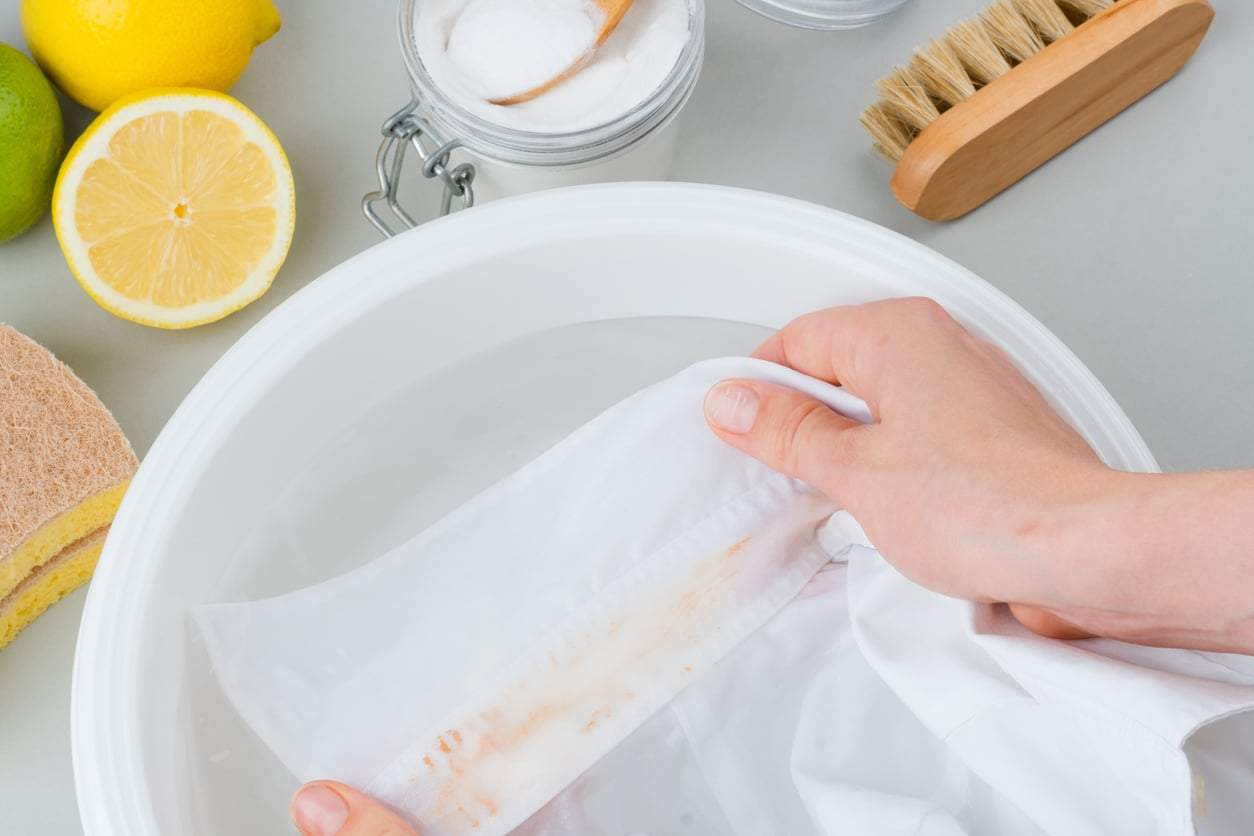
- Wash: Fill a basin with lukewarm water and add a small amount of mild detergent. Gently work it through the fabric. If it's heavily soiled, let it soak for up to 30 minutes.
- Rinse: Rinse thoroughly with cold water until no trace of detergent remains.
- Dry: Lay the swimsuit flat on a dry towel, roll it up to absorb excess moisture, then unroll and lay it out flat in a shaded spot to finish drying.
It's not just about the fabric — it's about your health
Many people don't realise that washing your swimsuit regularly isn't only about keeping it looking good. There are real hygiene reasons to take it seriously too.
- Chlorine, salt, and bacteria: Pool chemicals, seawater minerals, and microorganisms from natural bodies of water all cling to the fabric. Left there, they can irritate the skin and trigger allergic reactions.
- Bacterial and fungal growth: A damp swimsuit worn close to the body is an ideal breeding ground for bacteria and fungi — including Candida. Wearing a swimsuit for too long while wet, or not washing it properly, can contribute to yeast infections, urinary tract infections, or skin irritation.
- Sunscreen, body oils, and sweat: Even when a swimsuit looks clean, it absorbs oils, sweat, and SPF products from your skin. These residues feed microorganisms and create unpleasant odours over time.
- Stubborn smells and discolouration: Neglecting regular washing means chlorine, salt, and stale sweat can become permanently embedded in the fabric — causing both odour and uneven colour changes that are very hard to reverse.
A small habit with a big payoff
Taking care of your swimsuit properly doesn't require much effort — just a quick rinse after each wear and a gentle hand wash every few uses. It keeps the fabric lasting longer, the colours staying vibrant, and most importantly, it keeps you comfortable and healthy all summer long.
A little care goes a long way. Your swimsuit — and your skin — will thank you for it.