Summer heat has a way of making even the most comfortable home feel unbearable. And while air conditioning is the obvious fix, it's not always an option — or something you want running around the clock. The good news? A few smart habits can make a surprisingly big difference in how cool your home feels, no AC required.
Block the sun before it heats the room
Direct sunlight pouring through your windows is one of the fastest ways to turn your home into an oven. The simplest defence? Close your blinds or curtains before the heat builds up — not after.
The sun is most intense between midday and mid-afternoon, so that's when full shading matters most. If you take your home's orientation into account, you can be even more strategic: east-facing windows should be covered early in the morning, before the sun swings around. Thermal or heat-reflective curtains are especially worth the investment — they block significantly more heat than standard fabric.
Use cross-ventilation to flush out the heat
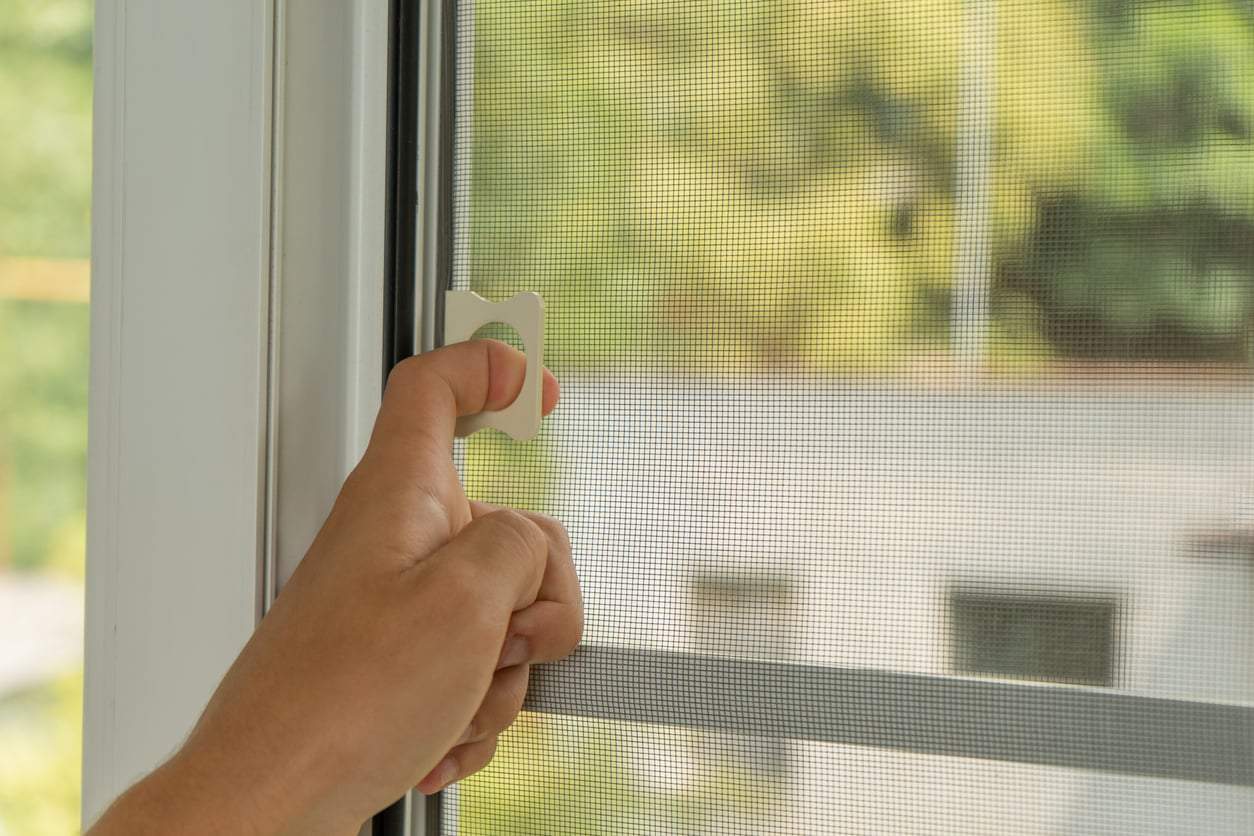
One of the most effective forms of natural ventilation is creating a cross-breeze. Open windows or doors on opposite sides of your home at the same time, and the air will flow straight through, carrying built-up heat with it.
This works best during the cooler evening and early morning hours, when the outside temperature finally drops. If you're using a fan, position it so it pushes warm air outward rather than just circulating it — this actively draws fresher, cooler air in from the other side of the room.
Reflect sunlight away from your windows
Heat-reflective window films and external shading solutions can dramatically reduce how much solar heat enters your home. By bouncing a portion of the sun's rays back before they even reach the glass, they keep indoor temperatures noticeably lower throughout the day.
External options like awnings, sun shades, or a pergola work on the same principle — and they're even more effective, because they stop the heat before it reaches the window at all. The further out you intercept the sunlight, the cooler your interior stays.
Let houseplants cool the air naturally
Houseplants aren't just decorative — they can genuinely help cool the air around them. Through a process called transpiration, plants release moisture into the air, which has a subtle but real cooling effect on the surrounding environment.
Hardy varieties like snake plants (sansevieria) are a great choice: low-maintenance, resilient in warm conditions, and effective at improving air quality. Grouping a few plants near windows or in sun-exposed rooms can create a noticeably more comfortable microclimate.
Your fan is more powerful than you think
A fan won't replace air conditioning, but used cleverly, it can make a real difference to how cool you feel. Try placing a bowl of ice or cold water in front of it — as the fan blows air across the surface, it picks up the chill and circulates it around the room.
A bowl of ice in front of a fan is one of the oldest cooling tricks around — and it still works surprisingly well on a hot afternoon.
If you have a ceiling fan, check the rotation direction. In summer, counter-clockwise rotation pushes air downward, creating a wind-chill effect that makes the room feel cooler without actually lowering the temperature.
Staying cool in summer doesn't have to mean a sky-high electricity bill. With a few conscious habits and the right setup, you can keep your home genuinely comfortable — even on the hottest days — while keeping your energy use low.