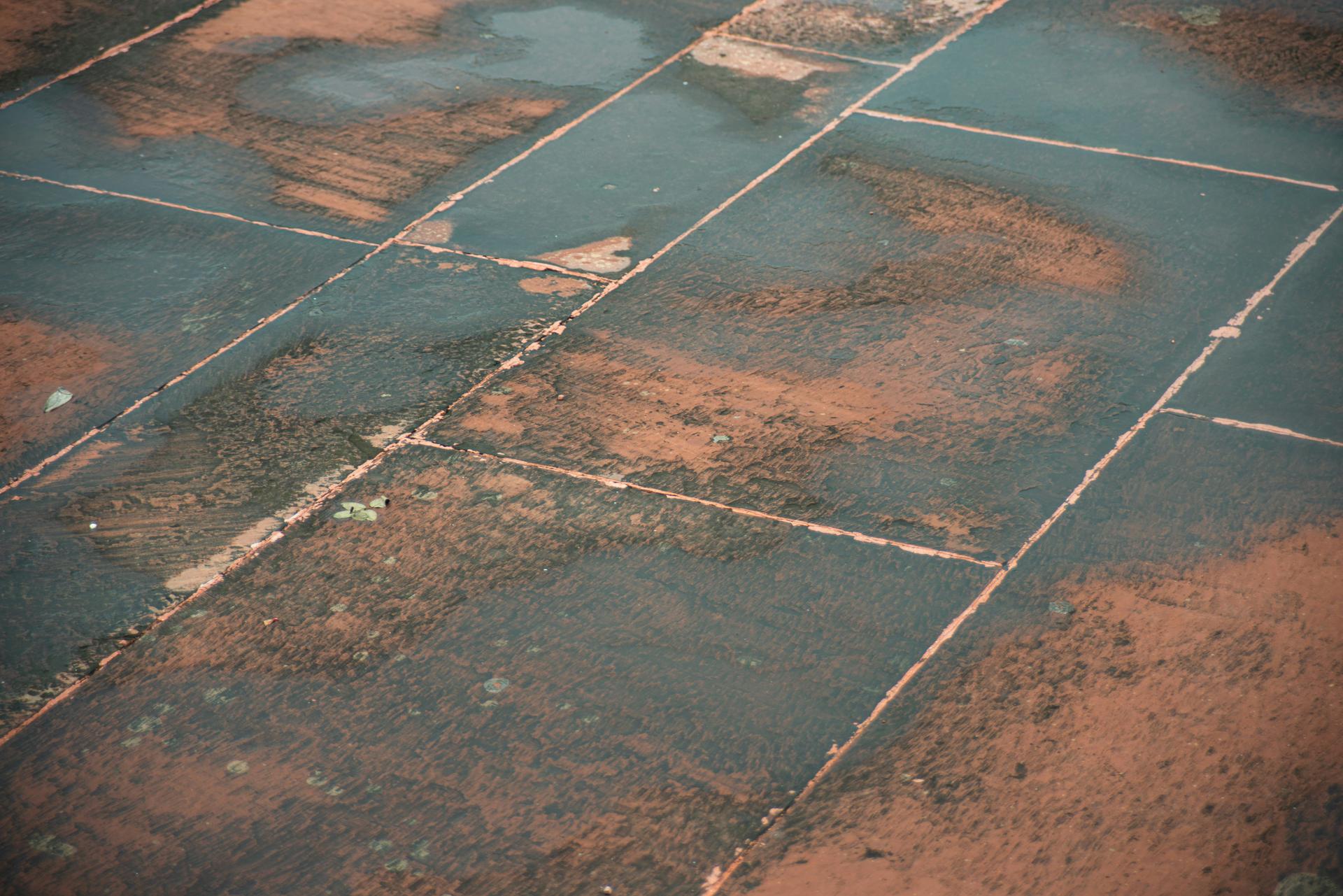
You step outside in the morning, coffee in hand, and there they are: those ugly dark patches creeping along the joints between your patio stones, as if an invisible hand had smeared the whole surface overnight.
Before you rush off to buy an expensive cleaner, take a look in your kitchen or bathroom cabinet. The solution is almost certainly already there.
What causes the black stains on patio stones?
Those dark patches are usually the work of mold, algae, or moss-like microorganisms settling in and multiplying. They thrive in damp, shady, poorly ventilated corners — and after a summer downpour, the stones can stay wet for days.
The porous surface acts like a perfect breeding ground. As a rule, the less sunlight a part of your patio gets, the faster these stubborn stains appear.
The cheap home remedy: baking soda and vinegar
There's no need to reach for industrial disinfectants. Baking soda is mildly alkaline and gently abrasive, so it breaks down organic grime beautifully. Vinegar, thanks to its acidity, destroys most of the mold and algae.
Used together, they make a surprisingly effective — and completely natural — cleaner.
- Sprinkle a generous amount of baking soda over the black stains, paying special attention to the joints.
- Pour white vinegar on top and let the mixture start to fizz and bubble.
- Work the paste deep into the pores of the stone and the cracks in the joints using a stiff-bristled brush, ideally a wire brush.
- Let it sit for ten to fifteen minutes, then rinse with plenty of water — a pressure washer is ideal.
When the stain is more stubborn: oxygen stain remover
For very old, deeply set discoloration, the baking soda and vinegar combo on its own may not be enough. In that case, it's worth bringing in an oxygen-based stain remover powder, the kind you can find in supermarkets and drugstores.
It was originally developed to lift stains from laundry, but it works wonders on patio stones too. Mix it with lukewarm water into a thick paste, spread it over the stains, and let it work for at least half an hour before scrubbing and rinsing.
This method is especially good for grey, marbled stone, because it won't bleach out the natural color the way a chlorine-based product would.
If you're already thinking about how to refresh the whole space, you might also enjoy our guide to climbing plants that can transform your terrace in a single season.
What to watch out for while cleaning
Always wear rubber gloves. These may be home ingredients, but prolonged contact with the vinegar and baking soda mixture can still irritate your skin.
If you have garden plants or potted flowers next to the patio, protect them from any runoff, since the vinegar-and-soda liquid can also alter the pH of the soil.
It's also smart to test the remedy on a smaller, less visible spot first, especially on natural stone like limestone or marble. These are more sensitive to acids and can stain if the mixture is left on too long.
How to stop the stains from coming back
Once everything is clean, applying a thin coat of stone-safe sealant goes a long way toward keeping the problem from restarting after the next rain. Sealing closes up the pores of the stone, so moisture can't seep in deep enough for fungi and algae to take hold.
On top of that, it's worth sweeping the patio regularly with a stiff broom so damp leaves and organic debris — the food source for these microorganisms — don't build up.
A well-maintained, regularly cleaned patio holds onto its original color for years, so you won't have to fight the same battle every late summer when the dark stains reappear along the joints.
How often should you clean patio stone to prevent stains?
Ideally twice a year — once in spring and once in autumn — give the patio a thorough scrub, and check the joints after any wet spell.
What if the stains in the joints won't come out completely?
Repeat the treatment, and if needed, use a wire brush or a pressure washer to lift out the more deeply ingrained grime.
Can I use these methods on natural stone like marble?
Yes, but be cautious. Natural stone such as limestone and marble is more sensitive to acids, so test on a hidden spot first and don't leave the mixture on too long.