You probably keep a bag of it in the cupboard without a second thought. But sugar isn't just for sweetening your coffee or your cakes — used carefully, it can quietly transform what happens in your garden.
If you love natural, low-cost gardening tricks, this is one worth knowing. Here's exactly where sugar helps, how much to use, and the mistakes that can backfire.
Sugar for healthier soil
Healthy plants start with healthy soil. And this is where sugar can quietly do some of its best work.
Sugar feeds the beneficial bacteria living in your soil. Those microbes help break down nutrients and make them available to your plants' roots — so a little sugar can help kick-start the whole cycle.
A small amount of sugar worked into the soil, or mixed into your compost, can encourage helpful microorganisms to multiply — making your soil a richer source of food for plants.
The key is restraint. Too much sugar has the opposite effect and can actually disrupt the natural nutrient cycle. Aim for one or two applications a year, alongside your usual soil feeding, especially around vigorous, hungry-rooted plants.
Keeping pests in check with sugar
Here's something many gardeners don't realise: sugar can help you fight off unwanted visitors, too.
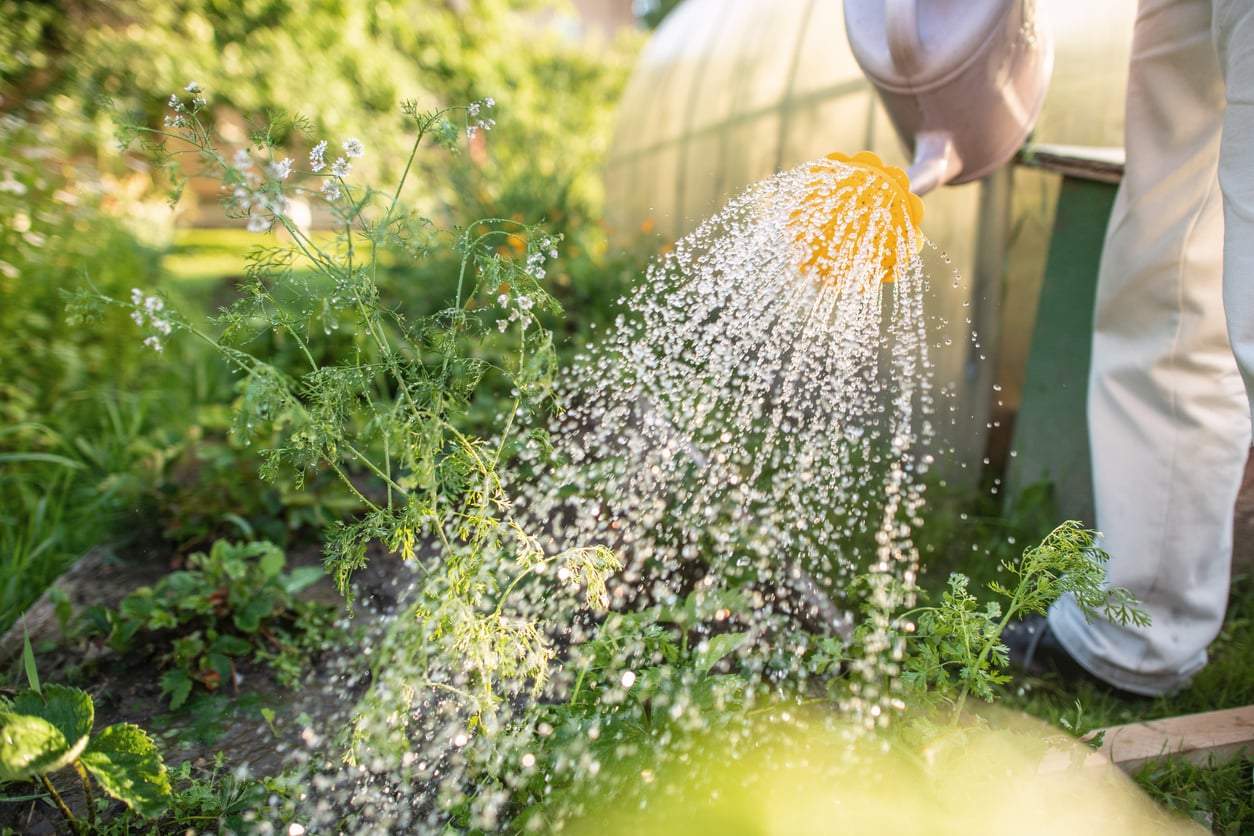
Ants, aphids and a few other pests react badly to sugar, which lets it double as a gentle, natural deterrent. To make a simple spray, dissolve two tablespoons of sugar in about a litre of water, then mist your plants and the soil around them.
This kind of natural spray is especially handy if you'd rather steer clear of chemicals. Just use it in moderation — and reapply after rain, since water washes it straight off the leaves.
Faster, better compost
Anyone who composts eventually asks the same question: how do I speed this up and get richer results? Sugar can help here as well.
It gives the bacteria and microorganisms in your compost heap a quick hit of energy, which accelerates decomposition — so you get that lovely, nutrient-dense compost sooner.
Just add a little sugar to your fresh compost materials, ideally near the centre of the pile. The golden rule is the same as always: go easy, so you don't trigger an overgrowth of bacteria that could actually spoil the quality of your compost.
Reviving a tired lawn
A lush green lawn is the calling card of a well-kept garden — but even the best lawns sometimes need a helping hand.
Sugar can play a part in bringing neglected or patchy grass back to life. It acts as a carbon source in the soil, feeding the microorganisms that help rebuild the structure around the roots.
The easiest approach is to scatter a thin layer of sugar over the lawn, then water it in so it reaches the soil. This trick can be especially useful after a hard, frosty winter, when the ground needs waking up again.
Helping certain plants grow
Some plants actually welcome a little sugar in the soil. Root vegetables like carrots and beetroot, in particular, seem to enjoy it, and it can encourage growth and improve your harvest.
If you want to try it, mix a small amount into the soil every couple of weeks — especially around younger plants.
Remember, though: sugar is no substitute for regular care and good soil. It's a bonus, not a shortcut — a gentle way to give your garden plants an extra boost.
So sugar is far more than a kitchen sweetener. In the garden it can support your plants in all sorts of ways — enriching the soil, deterring certain pests and giving compost a lift. The one thing to keep in mind is balance: use it sparingly and thoughtfully, and this humble ingredient can become a surprisingly useful ally.
Can too much sugar harm my garden?
Yes. Too much sugar can disrupt the natural nutrient cycle in the soil and encourage bacteria to multiply excessively, which may even reduce the quality of your compost. Moderation is essential.
How do I make a sugar spray for pests?
Dissolve about two tablespoons of sugar in a litre of water, then mist your plants and the surrounding soil. Reapply after rain, since water easily washes it away.
Which plants benefit most from sugar?
Root vegetables such as carrots and beetroot tend to respond well. Mixing a small amount into the soil every couple of weeks, especially around younger plants, can support their growth.
Can sugar replace regular garden care?
No. Sugar is only a supplement to good gardening. It can boost soil life and plant vitality, but it can't replace proper soil composition and consistent care.