From spring through midsummer, plenty of homeowners run into the same surprise: a neatly built bird's nest sitting right inside the gutter. It might feel like a nuisance, especially if it's blocking the rainwater. But the worst thing you can do is tear it out on the spot.
With a little patience, you can protect both your local birds and your home at the same time. Here's what to look for before you touch anything.
First, check whether the nest is still in use
Before you do anything, find out if the birds are still using the nest. If you spot eggs, chicks, or parent birds regularly coming and going, then you're looking at an active nest.
In that case, the best move is simple: leave it alone. Most songbirds have a fairly short nesting period, and the chicks fledge within a few weeks. After that, the nest empties out on its own and can be safely removed.
Many wild birds are legally protected, which means disturbing or removing an active nest can run afoul of wildlife protection rules. If you're unsure what you're allowed to do, it's worth asking a professional or a local wildlife organization for guidance.
Why the gutter of all places?
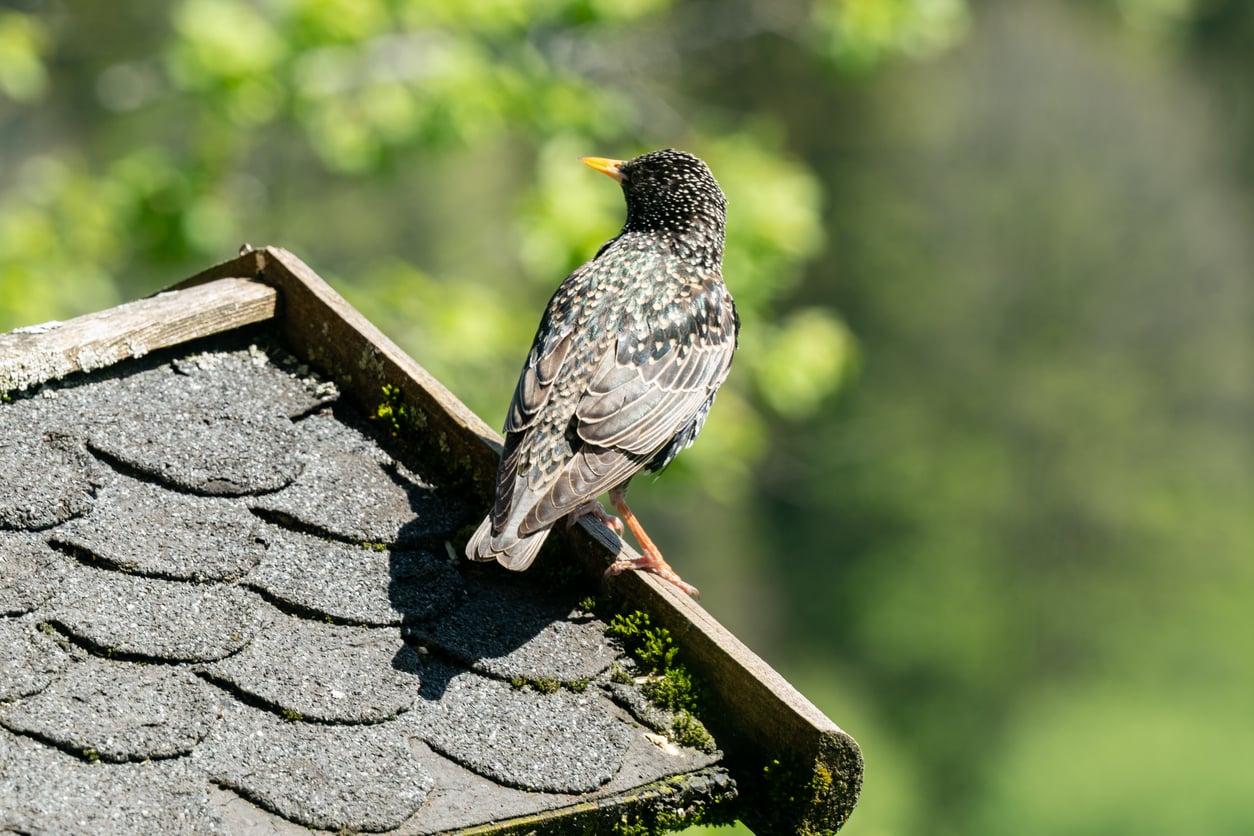
To a bird, a gutter can look like the perfect hideaway. It's high up, partly sheltered from the weather, and hard for many predators to reach. No wonder species like sparrows, starlings, and redstarts often choose this spot to raise their young.
In cities and suburbs, natural nesting sites are becoming scarcer, so many species have simply learned to live alongside us.
What problems can a nest cause?
As lovely as it is to have birds around, a nest lodged in your gutter can lead to trouble over time.
A nest made of twigs, leaves, moss, and feathers can block rainwater from draining freely. During heavier downpours, the water can overflow and spill onto the facade, the roof structure, or even down toward the building's foundation.
If the issue lingers, that constant moisture can damage plaster and woodwork — and even encourage mold to take hold. Abandoned nests can also attract insects, mites, and other pests.
When can you remove the nest?
Experts agree on one thing: only touch the nest once the birds have clearly moved out.
Before you remove it, watch it for a few days to see if any birds come back. If the nest is empty, gently lift it out while wearing gloves, then thoroughly clean the gutter.
Old nests can leave behind droppings, dust, mites, and other debris, so it's wise to wear proper protective gear while cleaning.
How to stop them from nesting there again next year
Once the birds have gone, a few simple steps can lower the chances of them building in the same spot next season.
Gutter guards or leaf covers make it much harder for birds to nest, while still letting rainwater flow through without a problem.
It also pays to clean your gutters regularly, clearing out any built-up leaves and small branches — because those are exactly the building materials birds love. Regularly trimming trees near the house can help too, by making the gutter harder to reach.
Offer them a better option instead
If you'd like to welcome more birds into your garden but would rather not have another nest in the gutter, put up properly sized nest boxes or artificial nesting sites in the quieter corners of your yard.
That way you're giving birds a safe place to breed without putting your home at risk. Different species prefer different box sizes, so it's worth doing a little research to find the right type for the birds living in your garden.
Patience pays off
A bird's nest in your gutter can be inconvenient, but in most cases all it takes is a few weeks of patience. Once the chicks have fledged, you can safely remove the nest, clean out the gutter, and set up preventive measures for the next breeding season. That way you protect your home and support the birds around you — at the same time.
Is it illegal to remove a bird's nest?
Many wild birds are legally protected, so disturbing or removing an active nest can breach wildlife protection rules. If you're unsure, check with a professional or a local wildlife organization before acting.
How do I know if a nest is still active?
Look for eggs, chicks, or parent birds regularly flying in and out. If you see any of these signs, the nest is active and should be left alone until the chicks have fledged.
How long until the birds leave the nest?
Most songbirds have a fairly short nesting period, and the chicks usually fledge within a few weeks. After that, the nest empties out naturally and can be safely removed.
How do I clean the gutter after removing a nest?
Wait until the nest is empty, then gently lift it out wearing gloves and clean the gutter thoroughly. Old nests can hold droppings, dust, and mites, so use proper protective gear while you work.
How can I keep birds from nesting in my gutter again?
Fit gutter guards or leaf covers, clean the gutters regularly to remove nesting materials, and trim nearby trees. Offering nest boxes elsewhere in the garden also gives birds a safer alternative.