Ask almost anyone which room in the house is the dirtiest, and the answer comes instantly: the bathroom. It feels obvious. But it's wrong.
Microbiologists have been saying it for years, even if most of us would rather not hear it: the kitchen is where bacteria really feel at home. Not the toilet bowl, but the area around your sink is the most contaminated spot in the entire house.
That sounds strange at first. After all, we're constantly cleaning, washing dishes and wiping down surfaces in the kitchen. But that's exactly the problem: moisture, warmth and food residue create the perfect breeding ground for microorganisms. Meanwhile, bathroom surfaces get disinfected far more often, thanks to cleaning products and chlorinated water.
The kitchen sponge nobody suspects
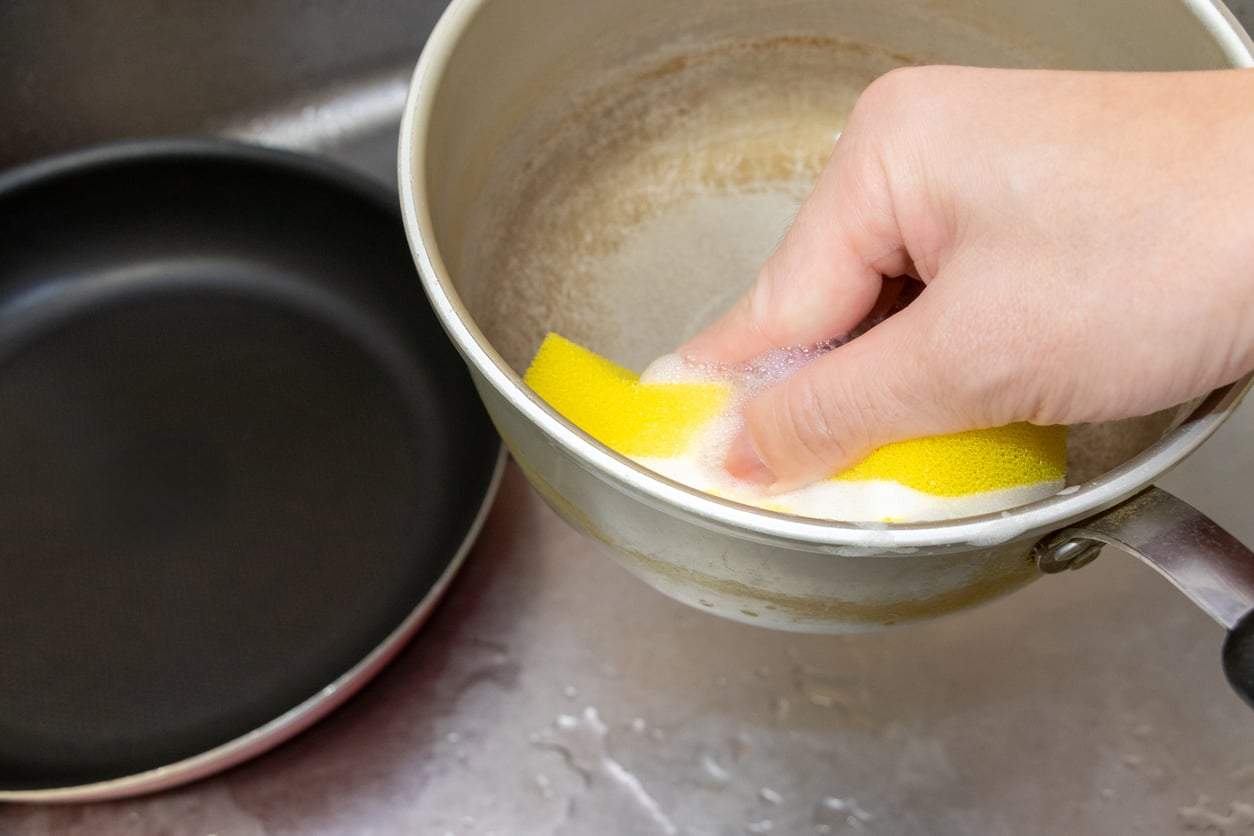
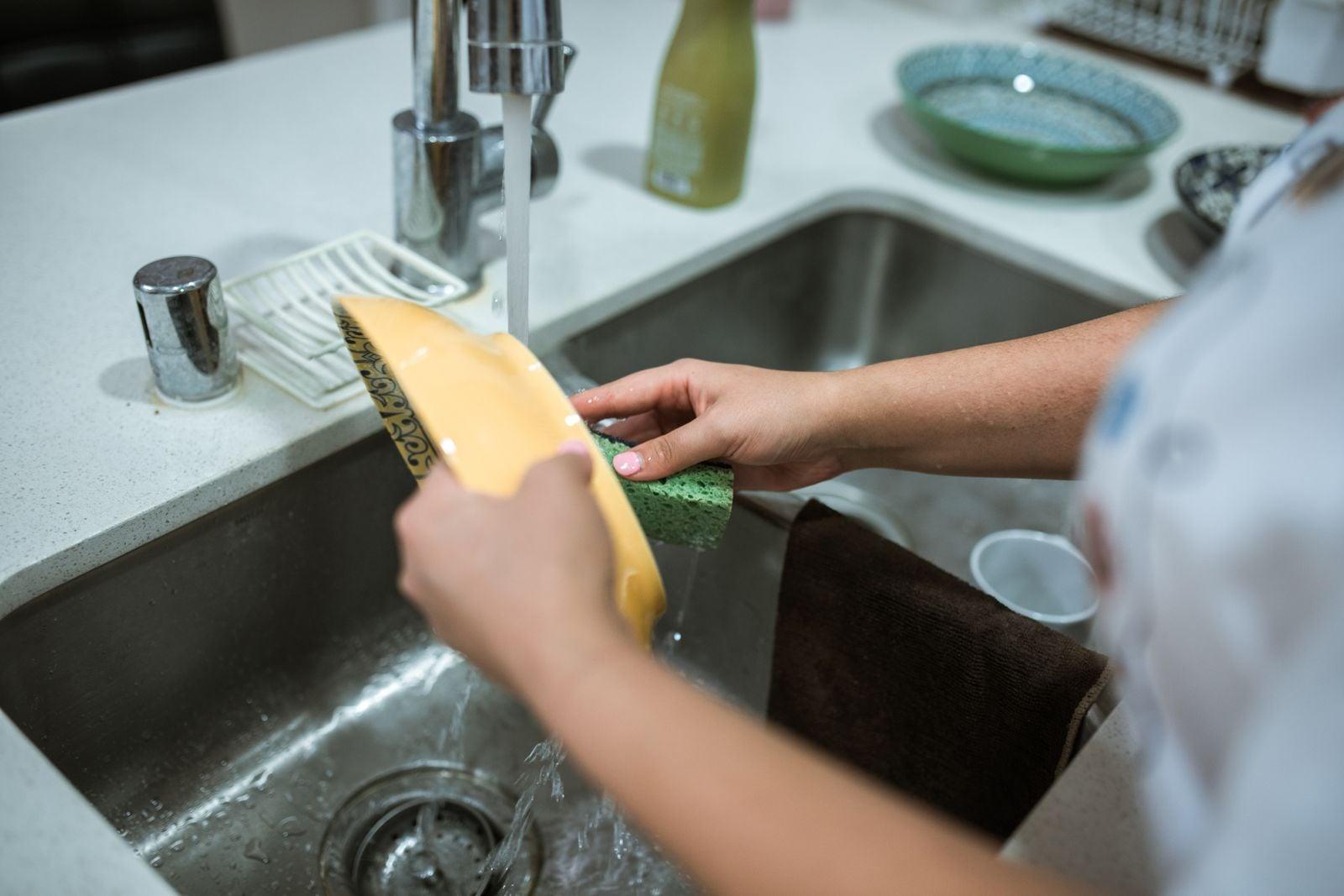
In most homes, the same sponge wipes up raw meat juices, eggshell bits and coffee mugs alike. That little yellow or green square stays permanently damp, packed with food crumbs, sitting at room temperature on the edge of the sink. It would be hard to invent a more welcoming environment for bacteria.
That's exactly why many microbiological studies name the kitchen sponge as one of the most contaminated objects in the entire household - far ahead of the toilet bowl.
The hidden danger of your cutting board
Over time, the surface of a plastic cutting board fills up with tiny scratches, and residue from raw meat or vegetables easily gets trapped in those grooves. If you slice chicken breast and then chop salad ingredients on the same board, cross-contamination is almost unavoidable.
Wooden boards, by contrast, have natural antibacterial properties - but only if you dry them regularly and never leave them soaking in water for long.
If you're curious about how everyday kitchen tools affect your health, you'll find plenty more worth knowing about the objects we touch every day.
The dish towel that soaks up everything
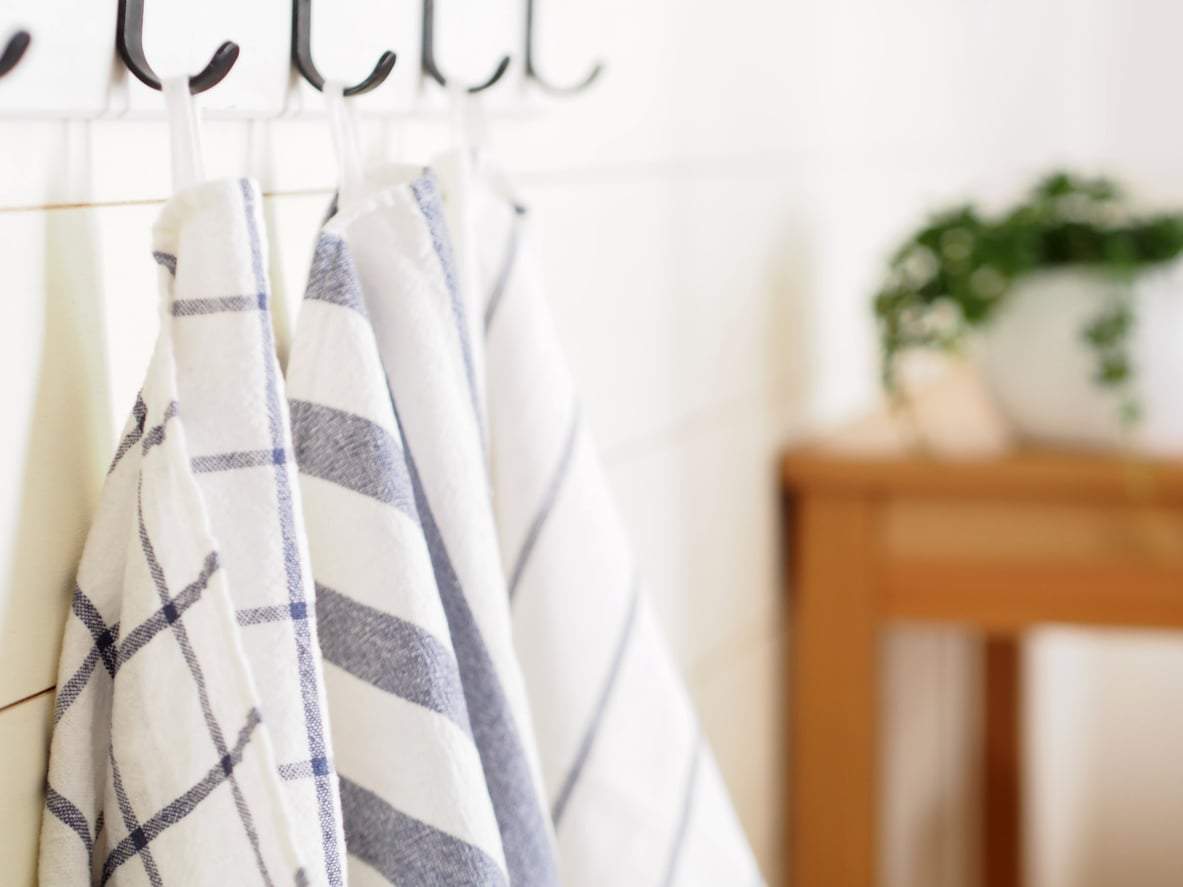
Throughout the day, your dish towel dries your hands, mops up spilled soup and wipes down the counter. In other words, it absorbs everything the kitchen throws at it - then hangs there on the fridge handle, damp, for hours.
Few objects in the house accumulate microbes as quickly as a dish towel that gets used several times a day and washed only rarely.
The faucet handle and the fridge door
These are the surfaces we touch most often, yet it almost never occurs to us to wipe them down. When you handle raw meat and then grab the faucet to wash your hands, contamination transfers straight onto the metal. From there, everyone else who cooks in that kitchen picks it up too.
In the kitchen, what matters isn't what you can see - it's what you can't. And the greatest risks hide on exactly those invisible surfaces.
What you can actually do about it
The solution isn't complicated. It just takes a little consistency:
- Replace your kitchen sponge often, and after each use wring it out thoroughly and let it dry standing up, so no moisture lingers inside.
- Keep separate cutting boards - one for raw meat and another for fruits and vegetables.
- Wash your dish towels as often as you wash bath towels, in hot water, so the heat helps disinfect them.
- Give the faucet handle and fridge door a quick wipe every few days, even when they don't look dirty.
A kitchen is a kitchen because something is always happening there: cooking, washing up, eating, talking. That's exactly why it's so hard to keep it completely sterile - and maybe that isn't even the goal. But once you know where the most stubborn germs are hiding, it becomes far easier to pay attention to the spots our eyes usually skip right over.
Is the bathroom really cleaner than the kitchen?
In many cases, yes. Bathroom surfaces tend to be disinfected more often with cleaning products and chlorinated water, while damp, food-covered kitchen surfaces offer bacteria a much better breeding ground.
How often should I replace my kitchen sponge?
Replace it frequently, and between uses wring it out well and let it dry standing up. Keeping it damp is what lets moisture and bacteria build up inside.
Are wooden or plastic cutting boards more hygienic?
Wooden boards have natural antibacterial properties, but only if you dry them regularly and don't leave them soaking. Plastic boards develop scratches over time where residue can get trapped.
What's the best way to wash dish towels?
Wash them as often as you wash bath towels and use hot water, since the heat helps disinfect the fabric that absorbs spills and germs all day long.