Let's be honest: if the kitchen looks clean at a glance, most of us assume everything is fine. We wipe down the counter, do the dishes, give a few surfaces a quick once-over — and call it done. But there's one thing almost everyone overlooks, even though we use it constantly throughout the day: the kitchen towel. That humble little cloth hanging by the sink is quietly doing a lot more than you think — and not in a good way.
What actually happens to your kitchen towel during the day
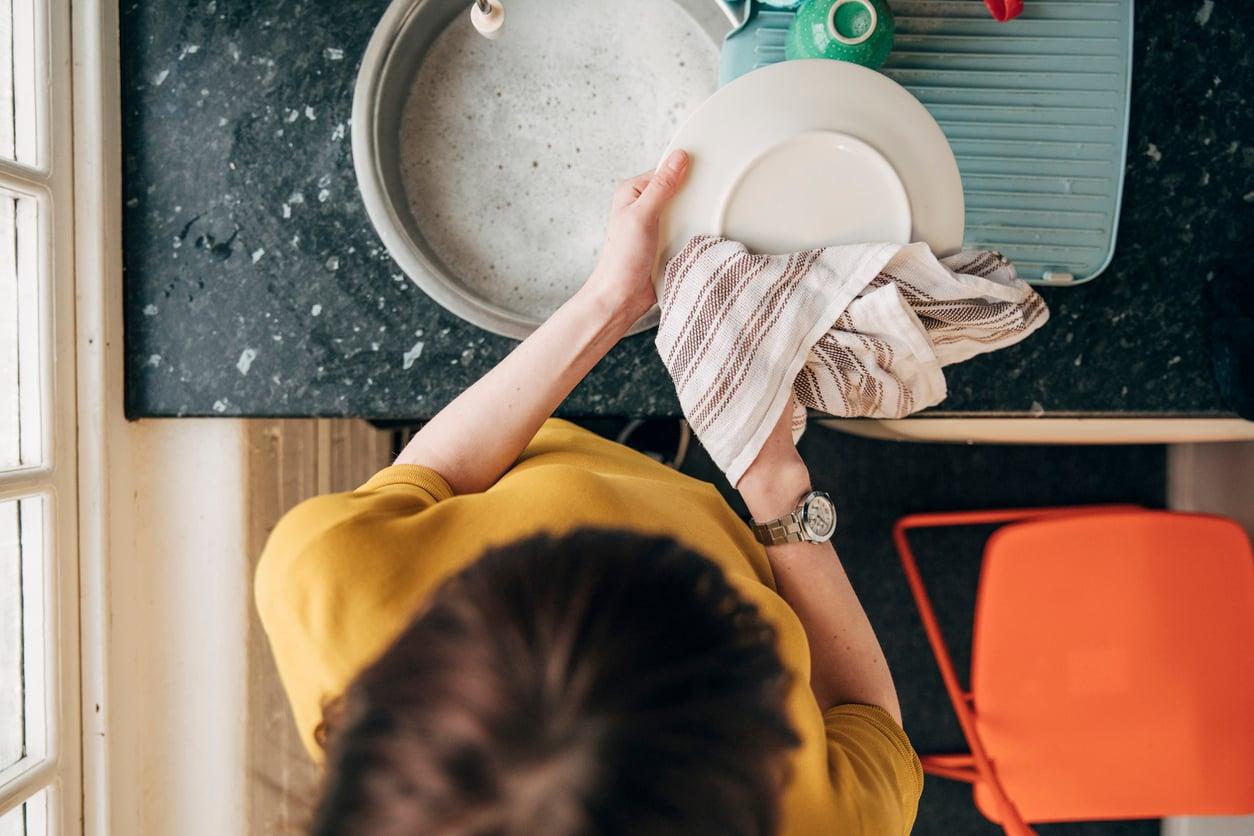
Think about it for a moment. You dry your hands on it while cooking, then a few minutes later you use it to wipe the counter. Later, you might dry a freshly washed dish with it too. In a single day, that towel touches an enormous variety of surfaces, foods, and hands.
Here's the problem: a kitchen towel is almost always slightly damp. And warmth combined with moisture is exactly the environment bacteria love most. It's like a five-star resort for microbes — they multiply quickly and silently, and you won't notice a thing until it's too late.
The mistakes almost everyone makes (yes, you too)
The most common habit? Using the same towel until it starts to smell. But odour is a terrible benchmark for hygiene. A towel can be loaded with bacteria long before it smells like anything at all.
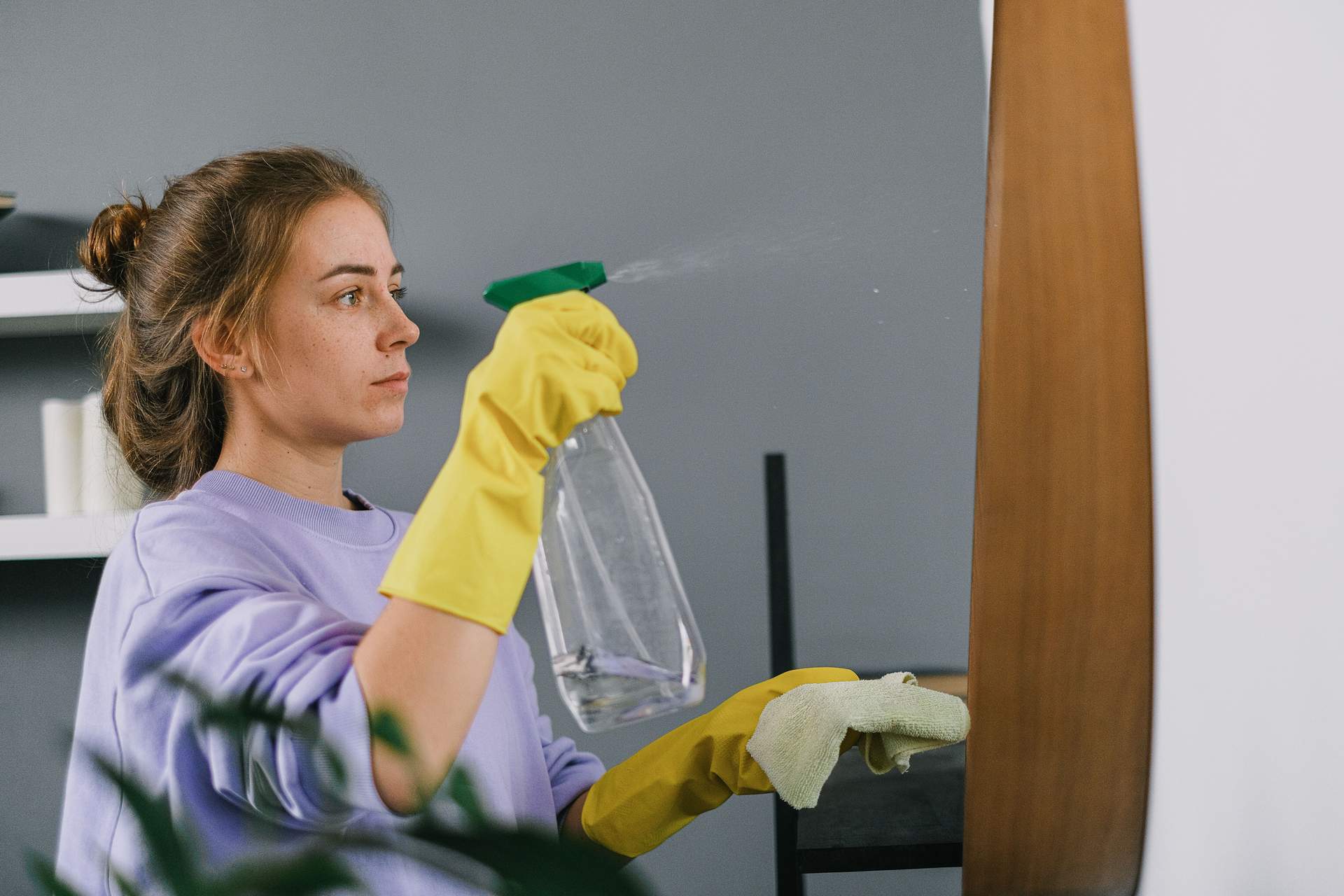
Another classic mistake is using one towel for everything — hands, counters, dishes, you name it. All you're really doing is spreading bacteria from one surface to another.
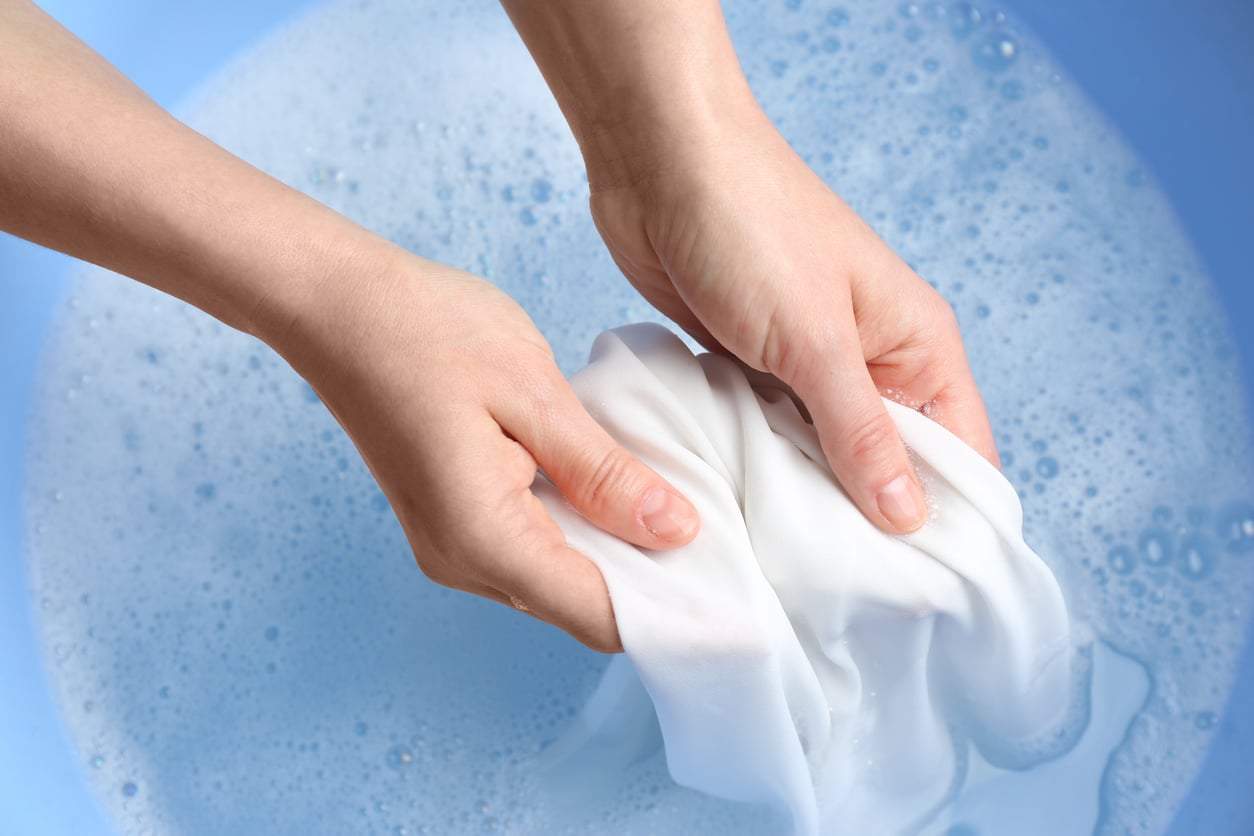
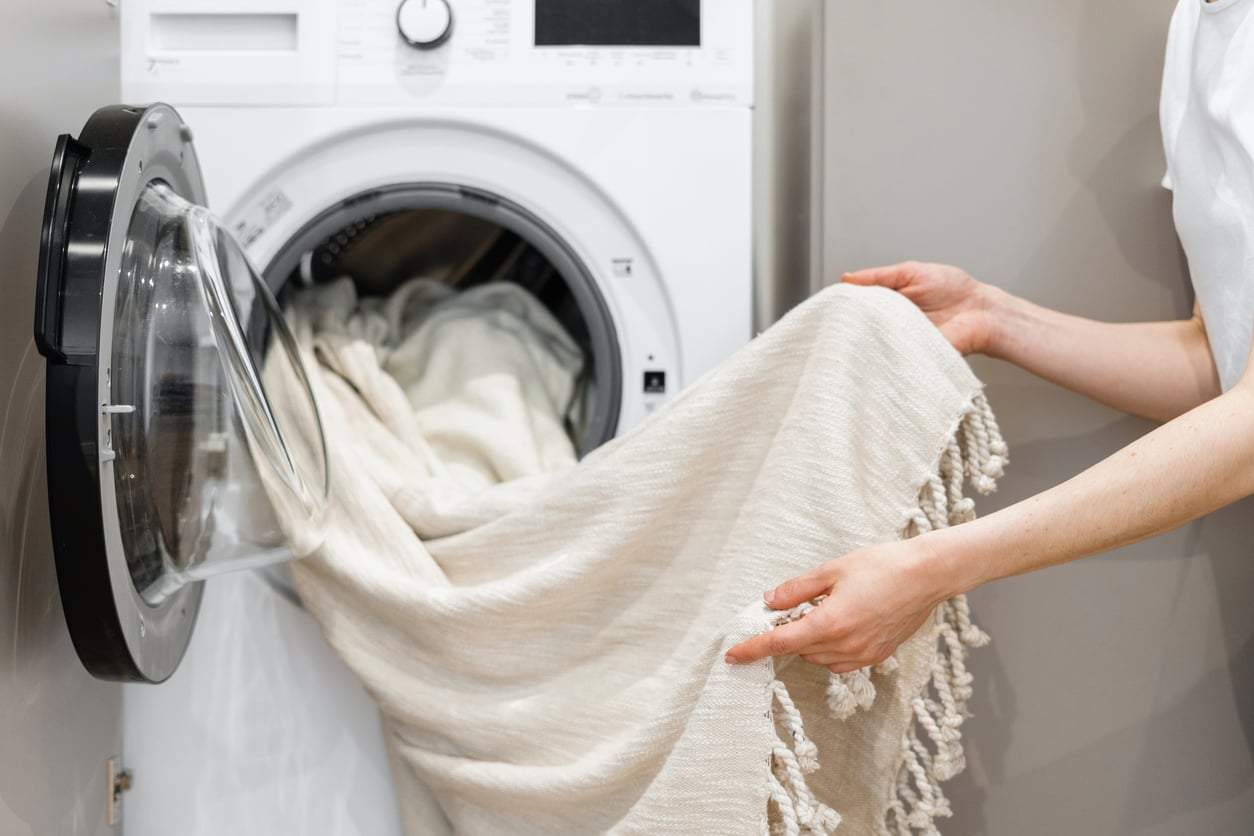
And then there's the washing issue. Many people wash their kitchen towels infrequently, or when they do wash them, they use 30–40°C cycles — which simply isn't enough. At that temperature, you're essentially giving the towel a warm rinse, not a proper clean.
So what should you actually do?
It doesn't need to be complicated. A few small shifts in habit can make a real difference. Start by keeping separate towels for different tasks — one for drying your hands, another for wiping surfaces. That single change alone significantly reduces cross-contamination.
Next, swap them out more often. If you cook a lot, consider changing your kitchen towel daily. If your kitchen sees lighter use, every two to three days is a reasonable minimum. Don't let the same cloth sit around all week.
When it comes to washing, don't cut corners on temperature. 60°C is the threshold where you're actually killing bacteria, not just moving them around. For extra peace of mind, occasionally run a hotter cycle or use a laundry sanitiser.
Does this really matter in everyday life?
At first glance, this might all seem like overkill. It's just a towel, right? But consider this: you touch it multiple times a day, and it comes into direct contact with the food you eat and the surfaces you prepare it on. So yes — it genuinely matters.
You don't have to be perfect about it. You just have to be a little more intentional. These small habits add up over time and make a bigger difference to your household hygiene than you might expect.
Practical tips to get it right
Pick a fixed day each week to wash your kitchen towels — treat it like any other household routine so it doesn't slip your mind. If possible, keep several towels in rotation so there's always a clean one ready and you're never tempted to stretch a dirty one for another day.
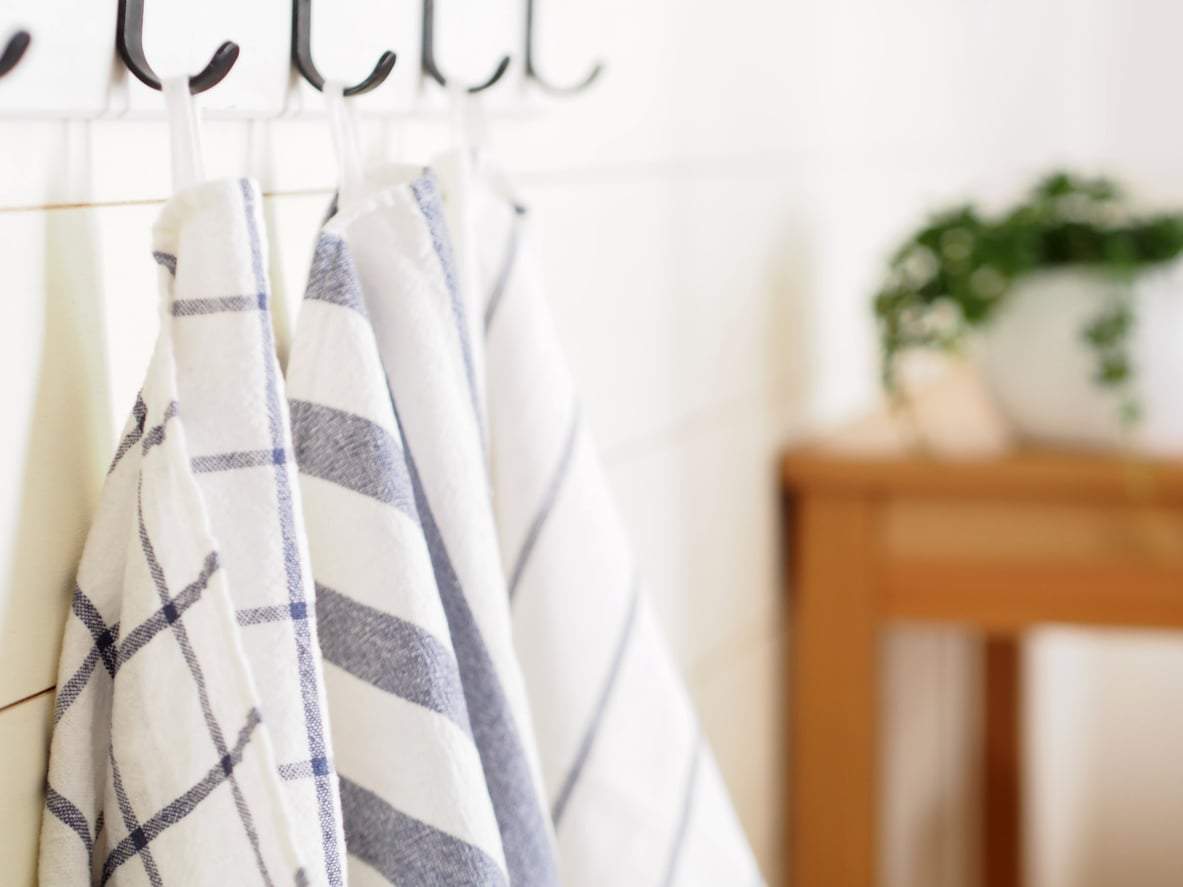
Using towels in different colours or patterns for different tasks is a surprisingly effective trick — it makes it easy to remember which one is for hands and which is for surfaces.
Every so often, retire old towels entirely — especially if they've become worn or are hard to get properly clean. You don't have to throw them away; repurpose them for general cleaning tasks where kitchen-level hygiene isn't required.
After each use, don't scrunch the towel up and leave it in a heap — spread it out so it can dry properly. A damp, bunched-up towel is a bacteria breeding ground. And if you have the time, ironing your kitchen towels occasionally adds an extra layer of hygiene, since the heat helps eliminate any remaining bacteria.
And if you're ever genuinely unsure whether a towel is still clean enough? Trust your instincts — swap it out rather than risk it. It's a small habit that costs almost nothing and quietly protects your household every single day.