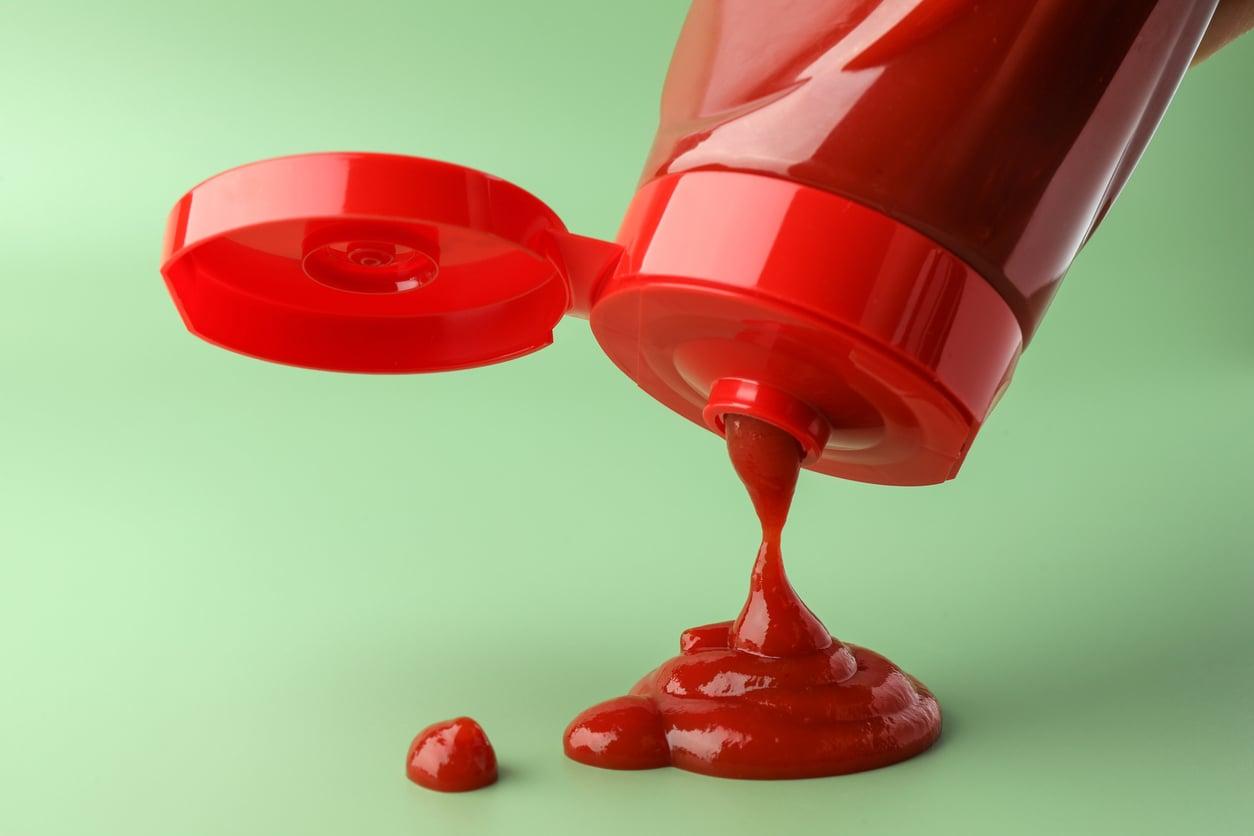
Most of us reach for ketchup when there are fries on the table — and never think about it again. But that bottle in your fridge is hiding a surprising second life as a household helper.
According to Southern Living, the natural acids in tomatoes combined with vinegar give ketchup a mild cleaning power. On certain surfaces, that gentle acidity can help loosen limescale, rust and stubborn discoloration.
Here are the 10 most surprising ways to put it to work.
Copper can shine again
Over time, copper reacts to air, moisture and the natural oils on our skin, leaving behind a brownish or greenish patina.
Spread a thin layer of ketchup over the affected area, let it sit for a few minutes, then buff gently with a soft microfiber cloth. Rinse thoroughly afterward and dry the item completely.
The same trick can bring surprisingly good results on copper coins, too.
It can lift surface rust off your tools
If a screwdriver, pair of pruning shears or another hand tool has been left in the damp and started to rust, ketchup's mild acidity can help loosen that first layer.
Coat the rusty spots, cover them with foil, and leave it to work for up to a full day. Then scrub gently with an old toothbrush or a stiff brush, rinse and dry.
Burnt-on food comes off more easily
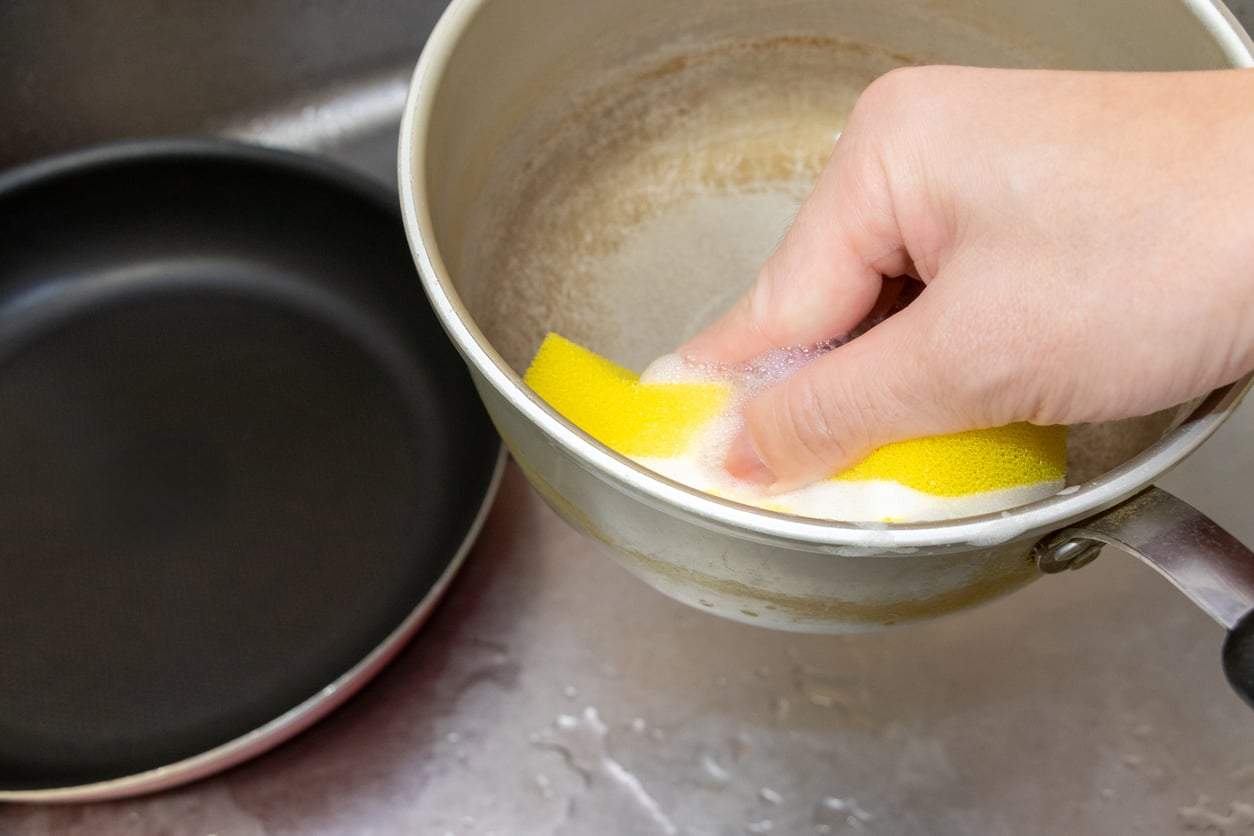
Stubborn, baked-on food residue often means endless scrubbing. Ketchup can lend a hand here as well.
Spread a thick layer over the burnt area and let it sit for at least half an hour — or, for tougher grime, overnight. After that, a scouring sponge should lift the residue far more easily.
Important: avoid this method on aluminum pans, as the acidic ingredients can damage the surface.
It works on limescale stains
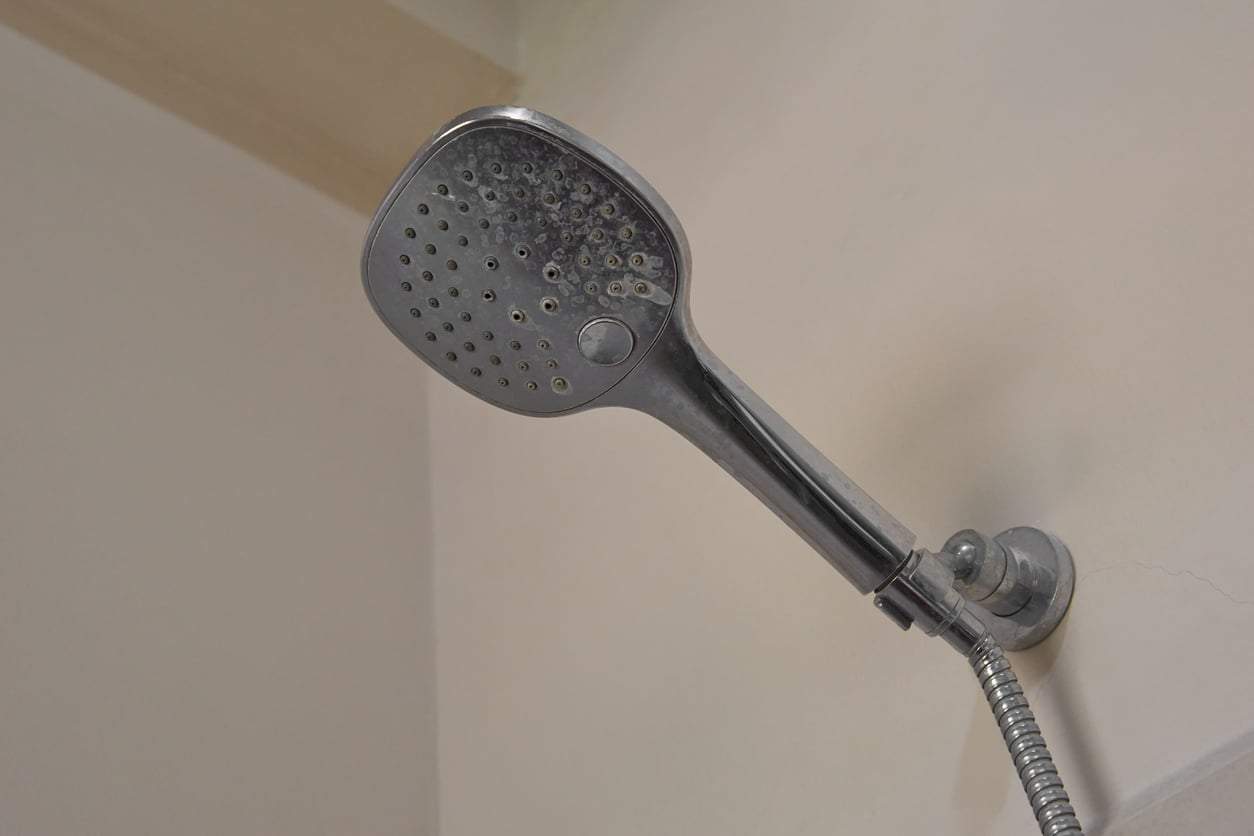
The whitish limescale buildup that appears on taps and fixtures can be notoriously hard to remove.
After a few minutes of ketchup treatment, simply wipe the surface with a soft cloth. The acidic ingredients can help dissolve part of the scale, and your chrome fittings may even look brighter afterward.
If you love finding clever everyday shortcuts like this, you might also enjoy our simple daily cleaning routine for people who dread big clean-ups.
It can rescue lightly rusted cast iron
Cast iron and acidic cleaners usually don't mix, since the acid can strip away the natural protective seasoning. But if your pan has already started to rust, this method can be surprisingly useful.
Coat the rusty areas with ketchup, leave it for at least an hour, then gently remove the rust with a nylon brush or sponge. Afterward, clean the pan thoroughly, dry it completely, and re-oil it so the protective layer is restored.
It can polish several kinds of metal
Ketchup can also work on lightly tarnished brass, pewter or silver items.
Apply it to the surface, wait about 15 minutes, then buff with a soft cloth. This trick tends to work best on mild oxidation.
It makes grill cleaning easier
Removing baked-on grease and food from a grill grate is often a serious chore.
Slather ketchup generously over the grate, leave it for about 15 minutes, then scrub with a grill brush or a crumpled ball of aluminum foil. Give the grate a thorough clean, rinse it off, and it's ready to use again.
It can help with stuck bolts
Rusty bolts often refuse to budge because corrosion has fused the metal surfaces together.
Apply ketchup around the bolt, then try to loosen it after roughly an hour. For badly rusted parts, though, you may still need a dedicated rust remover or penetrating oil.
It may cool an insect bite
As an old household remedy, some people dab a small amount of ketchup onto mosquito or other insect bites.
The cool sauce might temporarily ease the discomfort, but there's no scientific evidence behind it, so treat it as an occasional trick at best. It's not recommended for sensitive skin, and you should wash it off immediately if any irritation appears.
It's used on chrome and car headlights
Ketchup can turn up not just in the kitchen but also during car care.
It can gently polish chrome trim, and many people try it on slightly dulled headlights, too. Leave it on for about 15 minutes, then wipe with a soft cloth. If the lens is heavily hazed, you'll need a more thorough restoration or a dedicated polishing product.
A few things to keep in mind
While ketchup can be a genuinely handy helper for several household tasks, it doesn't replace cleaning products designed specifically for the job.
Because of its acidity, it can actually cause damage on some sensitive surfaces — such as aluminum or certain natural stones — so always test it on a less visible spot first.
After use, wash the treated surface thoroughly and dry it completely. And when you're facing stubborn rust, thick limescale or serious grime, it's worth choosing a cleaner recommended for that specific surface, as these are usually more effective and safer than homemade fixes.
Does ketchup really clean metal?
Yes — the natural acids in tomatoes combined with vinegar give ketchup a mild cleaning power that can help loosen tarnish, rust and limescale on certain metal surfaces like copper, brass and chrome.
Which surfaces should you avoid using ketchup on?
Skip aluminum pans and certain natural stones, since the acidity can damage them. Always test on a small, less visible spot first before treating the whole surface.
How long should you leave ketchup on to remove rust?
For tools, you can leave it covered with foil for up to a full day. On cast iron, at least an hour usually helps, and around an hour works for stuck bolts before you try to loosen them.
Can ketchup replace regular cleaning products?
No. It can be a useful helper for many tasks, but for stubborn rust, thick limescale or heavy grime, a cleaner made for that specific surface is usually more effective and safer.