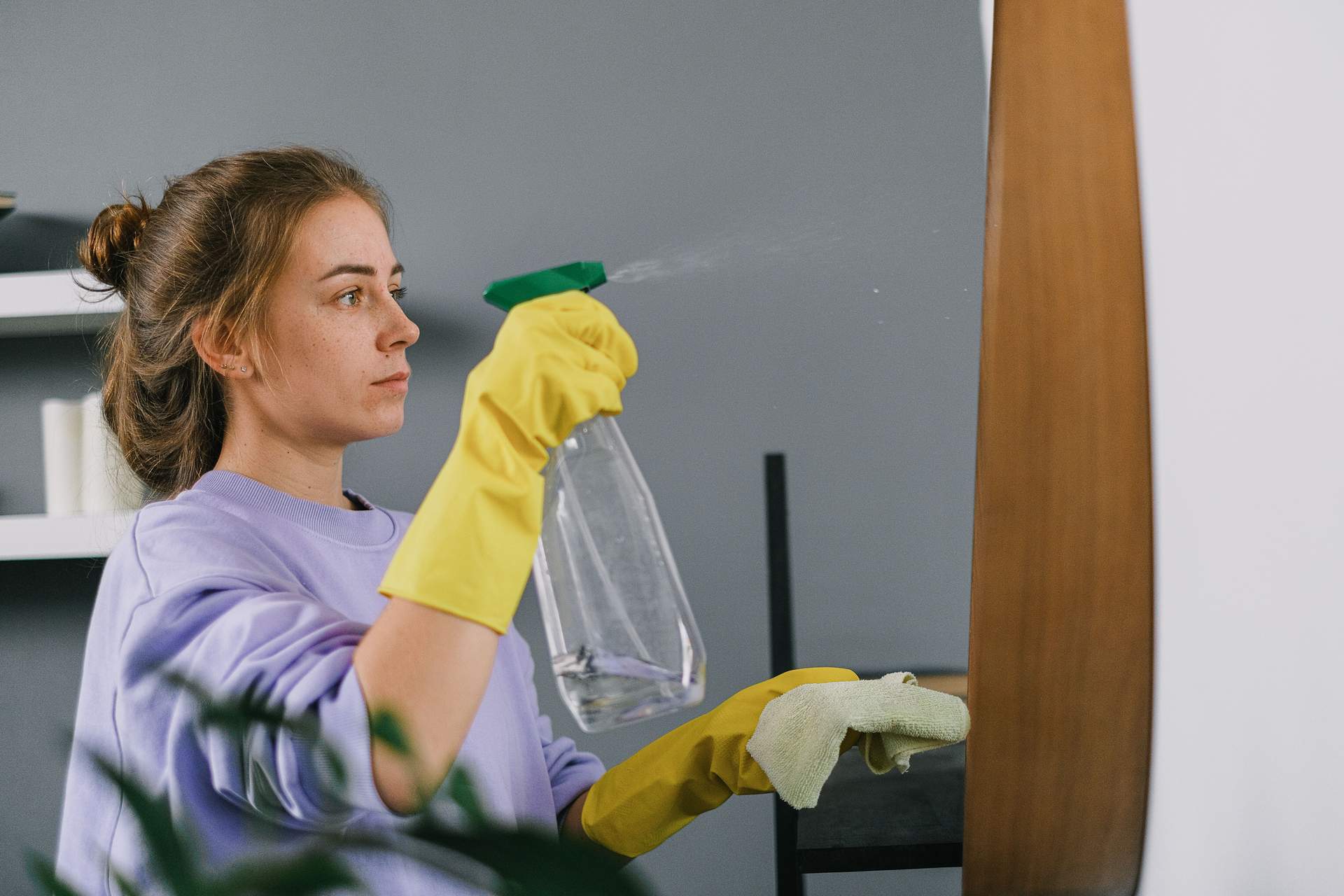
There's one room in your home you vacuum every week, occasionally mop, and yet almost never treat to a real deep clean. And it's probably the last place you'd suspect.
It's your bedroom. While we scrub, disinfect and freshen up the kitchen and bathroom, the bedroom somehow always slips down the cleaning list. Yet this is where we spend nearly a third of our entire lives — and where the most dust, dead skin cells, sweat and tiny living organisms quietly build up. Things we'd honestly rather not think about too much.
Why the bedroom is the most neglected room
Guests rarely see your bedroom. It doesn't carry the same pressure as the living room or kitchen, so we tend to do a quick vacuum, smooth out the bed, and call it done.
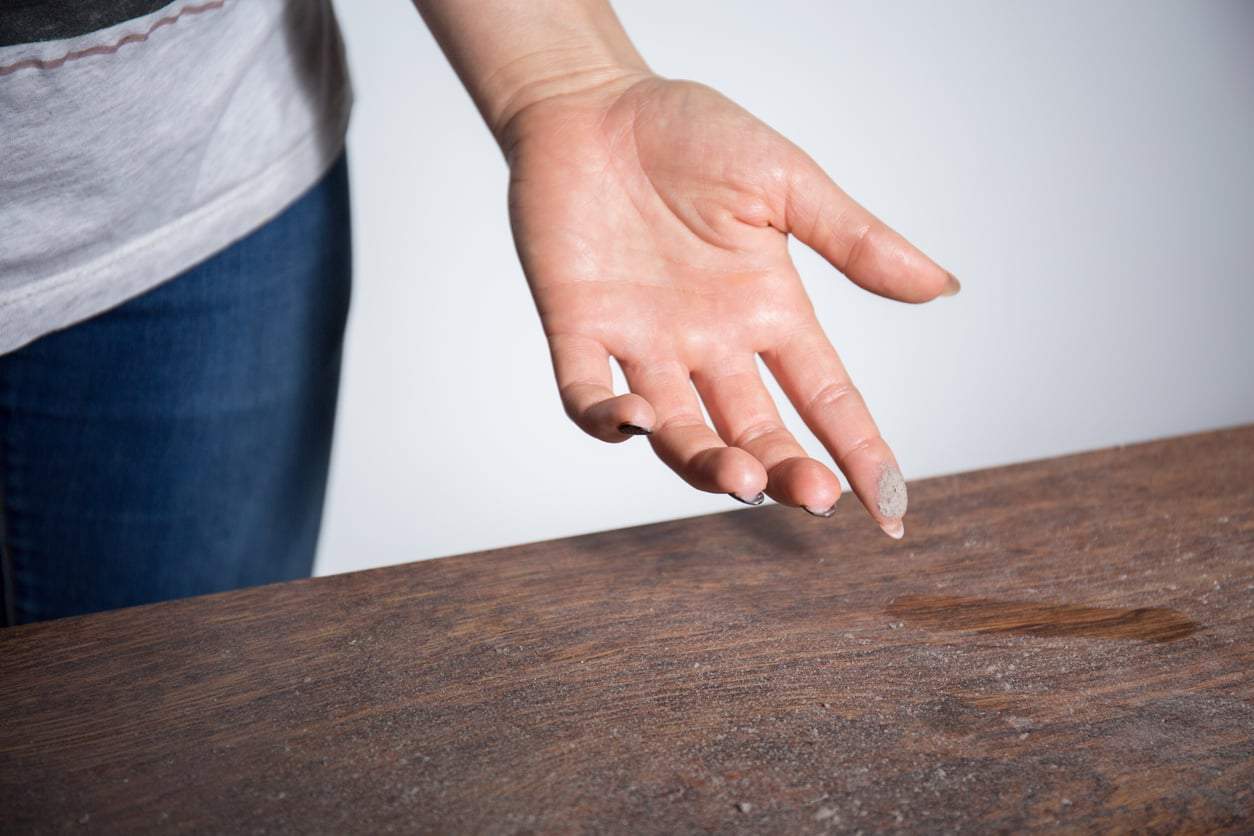
But the bedding, the mattress, the pillows, the curtains and the rugs are constantly collecting skin flakes, sweat, dust — and the dust mites that feed on all of it.
And those mites have a favorite habitat: a warm, humid, dark environment. A bed used every single night provides exactly that.
What your mattress and pillows are really hiding
Many people go years without replacing their mattress and pillows — and rarely air them out properly. Yet these are the surfaces we're in the most direct, prolonged contact with. Sweat, dead skin cells and moisture create the perfect breeding ground for dust mites and bacteria, which over time can lead to unpleasant odors and allergy symptoms: a stuffy nose, sneezing, itchy eyes.
- During the day, when you can, let your bedding breathe. Fold the duvet back so the mattress gets some air.
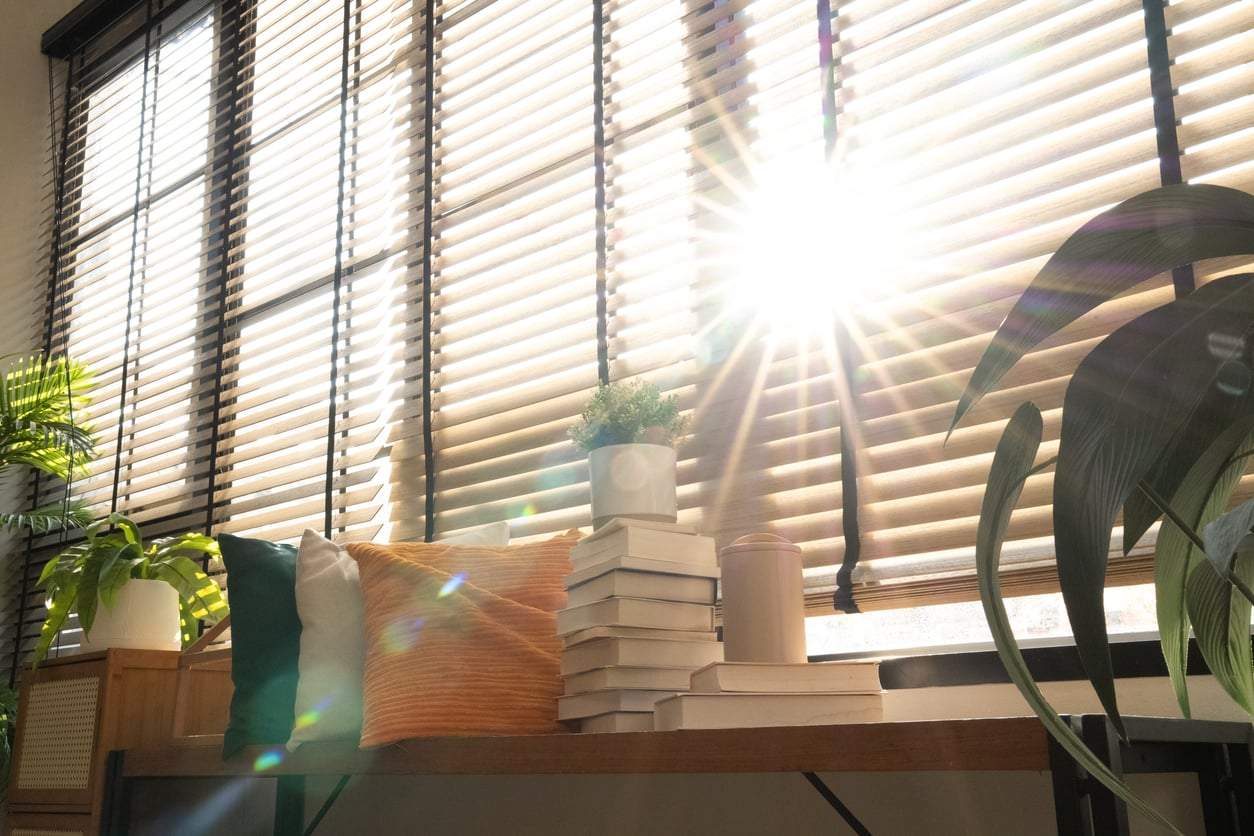
- If possible, occasionally take the mattress — or at least the pillows — outside into the sun. Sunlight and fresh air help cut down on trapped moisture.
- Use a mattress protector and pillow covers that are easy to remove and wash regularly.
If lingering odors are your main concern, it's also worth learning a few simple tricks to lift overnight sweat and smells out of your bed without a full wash.
The bedding we wash less often than we should
Plenty of people swap their fitted sheet once a week but change the duvet cover and pillowcases far less often — even though those fabrics touch our skin just as intensely. Washing at a high temperature helps kill dust mites and reduce allergens, and it's worth drying covers thoroughly before putting them back on the bed.
The bed where we rest every night is actually one of the most heavily used surfaces in the home — we just can't see what's collecting on it.
The rug and curtains we never take down
Your bedroom rug and curtains are another blind spot — surfaces we go months, sometimes years, without properly washing or vacuuming. And they're excellent at trapping dust, hair and tiny insects. Give the rug a good shake outdoors or a thorough vacuum from time to time, and if the fabric allows, wash the curtains regularly or at least shake them out.
Simple habits that make a real difference
- In the morning, don't make the bed the instant you get up — let the covers air out for a few minutes first.
- Air the room out for a few minutes every day, even when it's cold outside.
- Avoid piling up plush toys and textiles on the bed — they're dust magnets too.
- Once a month, take the time to vacuum the mattress and air out the pillows.
You don't need a dramatic overhaul to make your bedroom genuinely restful and healthy. A few small, consistent habits — airing the room, changing the bedding more often, giving the mattress an occasional vacuum — add up to a noticeable difference in how fresh you feel when you wake up, and how clean the air is that you breathe all night long.
How often should I wash my bedding?
Aim to change your sheets weekly, and don't forget the duvet cover and pillowcases, which touch your skin just as much. Washing at a high temperature helps kill dust mites and reduce allergens.
Why do dust mites love the bedroom?
Dust mites thrive in warm, humid, dark spaces — and a bed used every night provides exactly that. Sweat, moisture and dead skin cells give them an ideal breeding ground.
Do I really need to clean the mattress?
Yes. It's one of the surfaces you're in the most direct contact with. Vacuuming it about once a month, airing it out and using a washable mattress protector all help keep it fresh.
Can a dirty bedroom trigger allergies?
It can. A buildup of dust mites and bacteria may lead to unpleasant odors and allergy symptoms like a stuffy nose, sneezing and itchy eyes.