There's something deeply satisfying about brewing a cup of tea made from herbs you grew yourself. It tastes better, it's better for you — and it starts with a simple raised bed in your garden. No exotic plants, no specialist knowledge. Just a handful of easy-to-grow herbs and a little care.
Why a raised bed makes all the difference
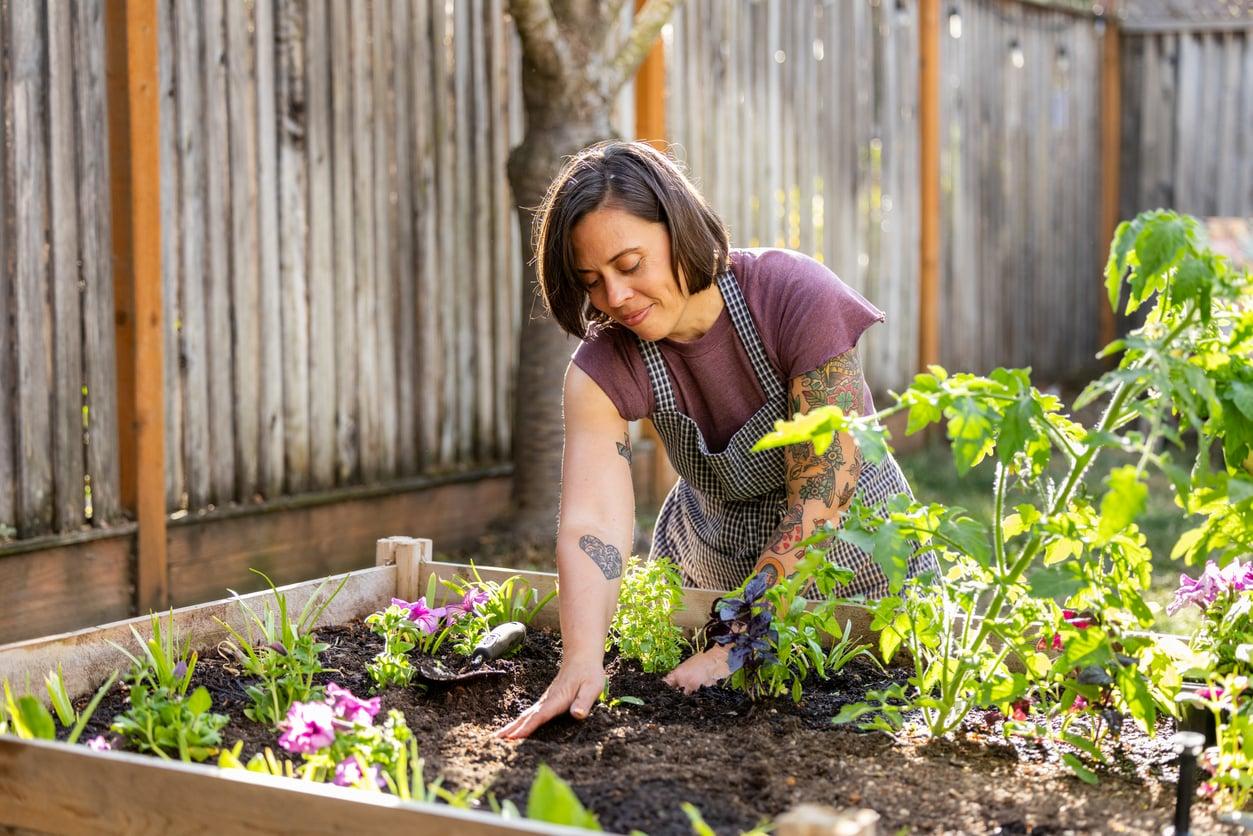
Raised beds aren't just a trend — they genuinely make herb growing easier and more enjoyable. Because the planting surface is elevated, you spend far less time bending over, which is a real bonus during regular watering and harvesting.
More importantly, you have complete control over the soil. You can mix the perfect growing medium for your herbs, ensure excellent drainage, and avoid the compaction that often plagues traditional garden beds. The result? Healthier plants and more aromatic harvests.
The best herbs to grow for homemade tea
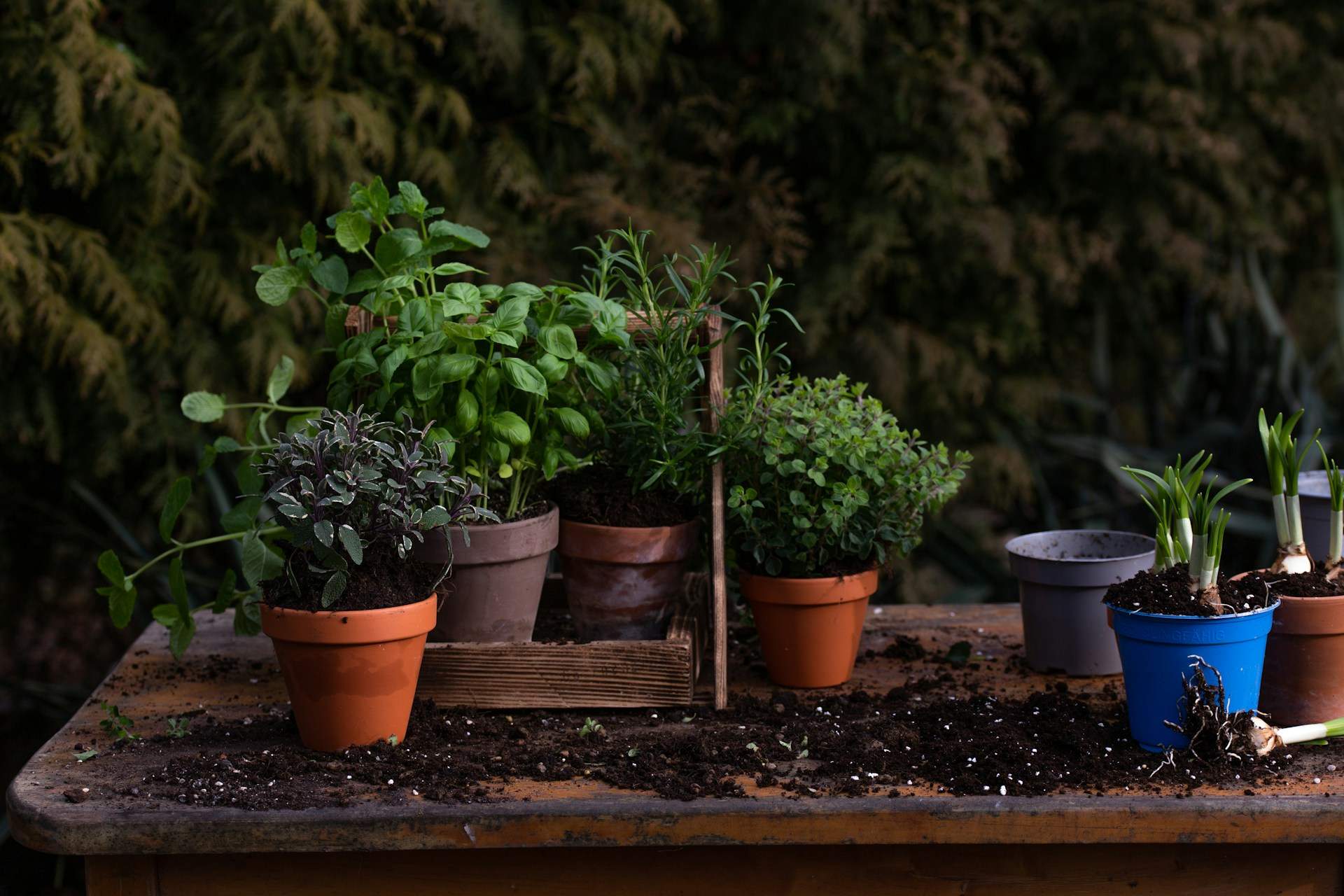
You don't need anything rare or hard to find. These five herbs thrive in raised beds and produce beautiful, flavourful teas:
- Lemon balm — Gently calming with a bright, citrusy flavour. Perfect on its own or blended with other herbs.
- Chamomile — A classic for good reason. Anti-inflammatory, stress-relieving, and wonderfully soothing before bed.
- Mint — Refreshing and invigorating, it also supports healthy digestion. Grows vigorously, so it earns its own corner of the bed.
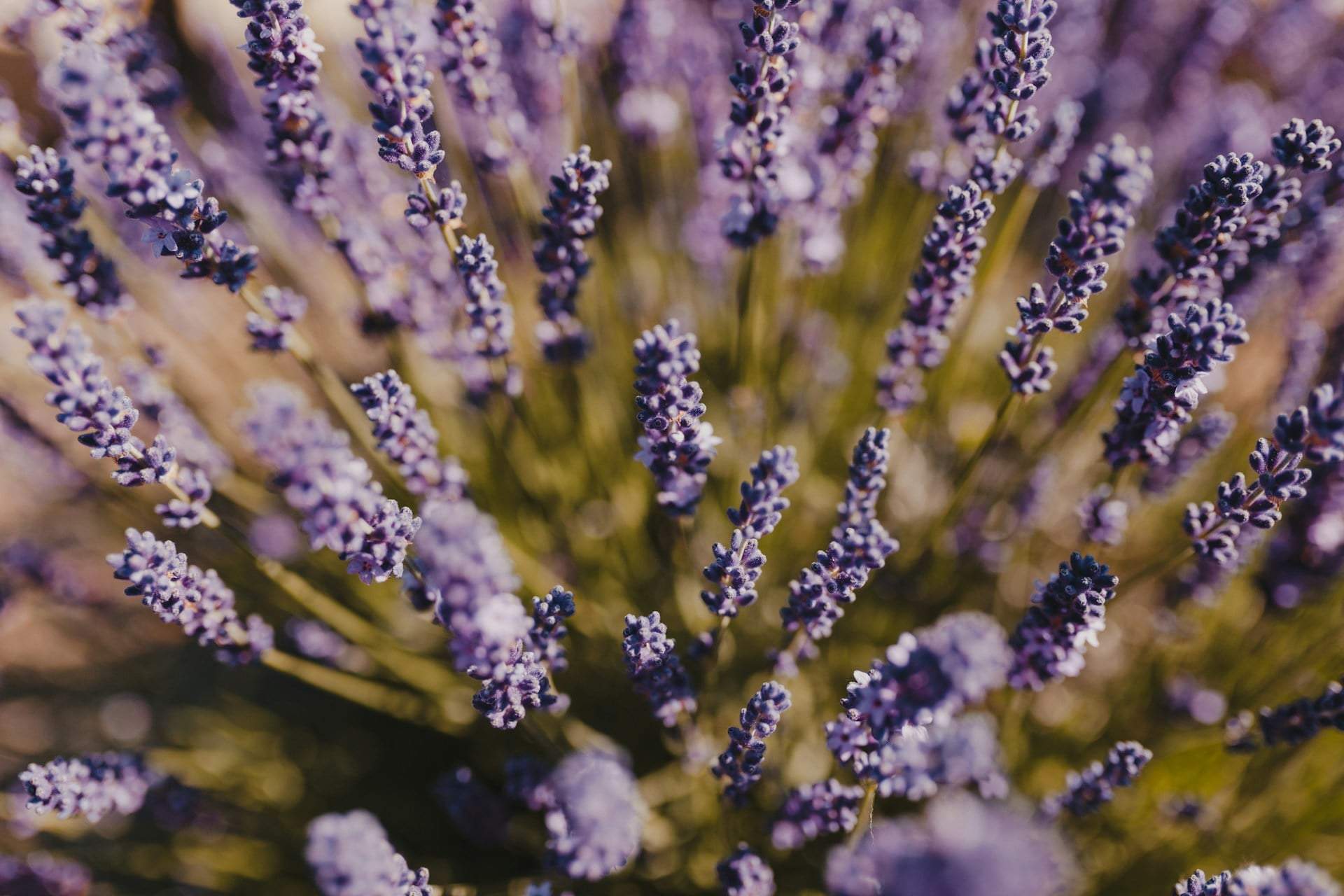
- Lavender — Beautifully fragrant and naturally relaxing. A small amount goes a long way in a tea blend.
- Sage — Immune-boosting with a distinctive, earthy aroma. Excellent during the colder months.
How to care for and harvest your herbs
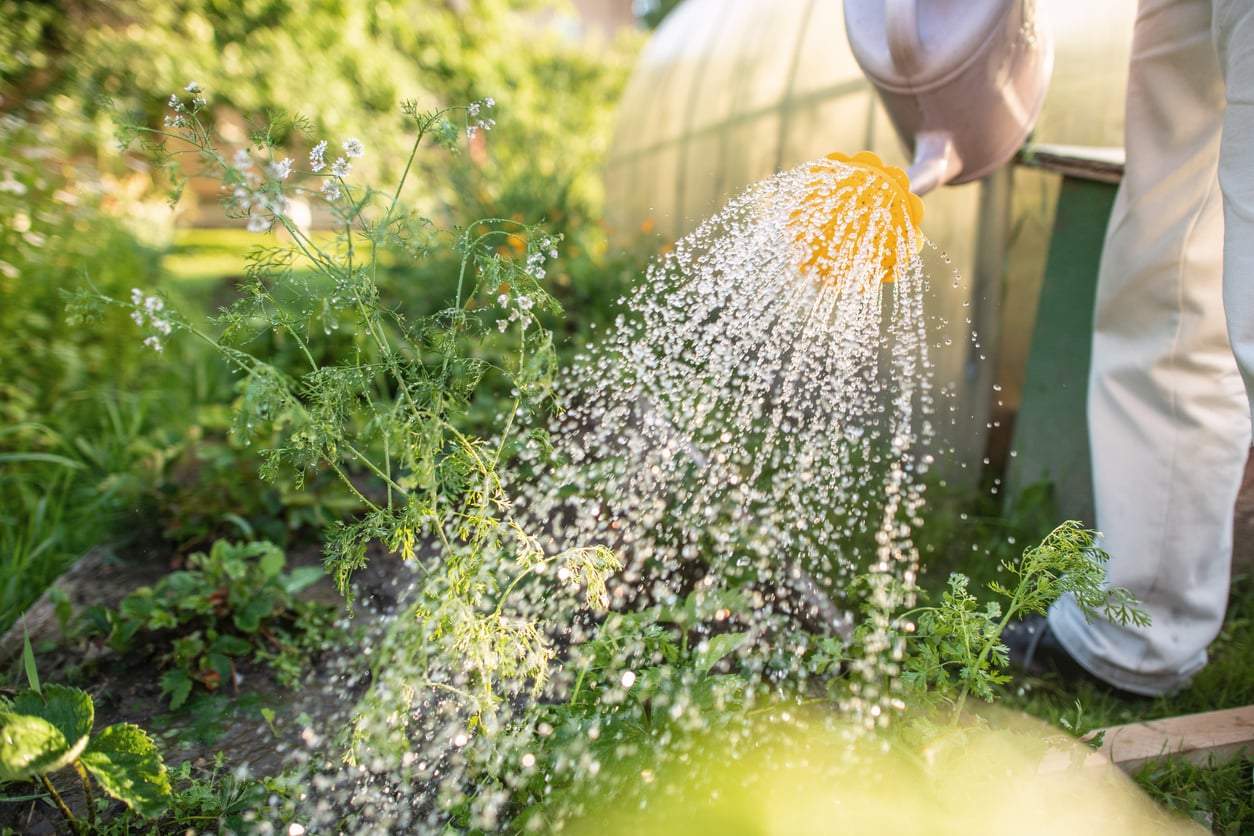
Most tea herbs share similar needs: plenty of sunshine, well-drained soil, and regular watering. What sets a good harvest apart from a great one is timing.
The best moment to pick leaves and flowers is just before the plant reaches full bloom — this is when the essential oil content is at its peak, meaning the most intense flavour and the greatest health benefits. Harvest in the morning, after any dew has dried but before the midday heat sets in.
If you enjoy using herbs beyond tea, you might also love making homemade face masks from garden herbs — a wonderful way to get even more from your raised bed.
Drying your herbs and making your own tea bags
Once harvested, rinse your herbs gently and shake off excess water. Then spread them out in a dry, well-ventilated spot away from direct sunlight. Good airflow is key — it prevents mould and preserves the flavour.
After a week or two, the herbs will be fully dried and ready to use. Crumble the leaves and flowers, then store them in airtight jars to lock in the aroma.
You can fill the dried blends into reusable or biodegradable tea filter bags, mixing your own combinations to suit your mood — a calming evening blend, a refreshing morning cup, or a warming winter brew for the whole family.
More than just a drink
A cup of tea made from your own herbs is more than a healthy habit. It's a small ritual that connects you to something slower and more intentional. The warmth, the scent, the knowledge that you grew every leaf yourself — it nourishes more than just the body.
Starting a raised bed herb garden is one of the most rewarding steps you can take toward a more natural, self-sufficient lifestyle. If you're curious about the wider health benefits of herbal teas, explore our guide to herbal teas and their benefits for even more inspiration.
Don't be afraid to experiment with blends, try new herbs each season, and enjoy every sip of something you made entirely from scratch.