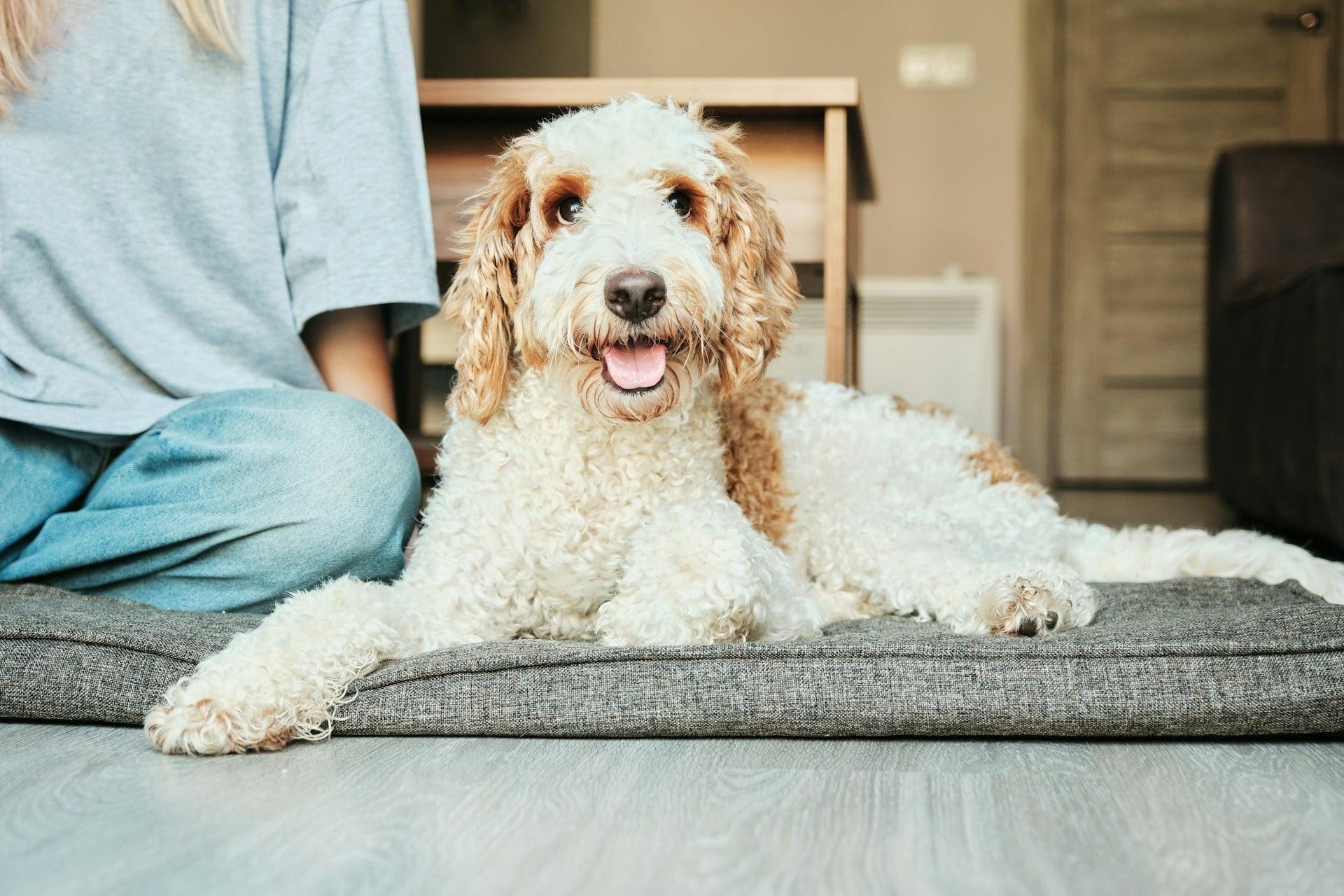
Pets bring so much joy into a home — but they're also hard on it. Scratched floors, muddy paw prints, the occasional accident, fur on everything. If you share your space with a dog, cat, or any other animal, the materials you choose for your home aren't just a style decision. They're a survival strategy.
The good news? You don't have to sacrifice beautiful interiors for practicality. You just need to know what to look for.
Why flooring is the first decision to get right
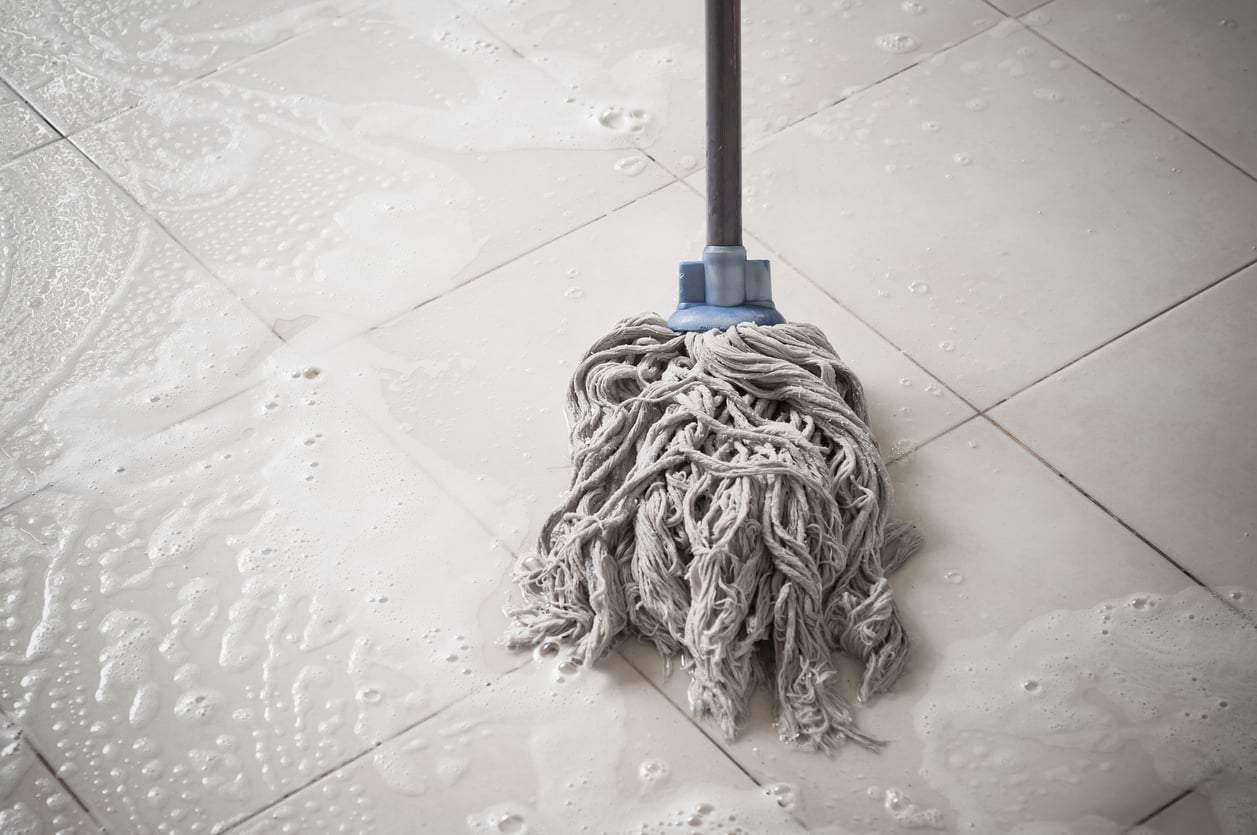
Your floors take the most punishment in a pet-friendly home. Claws, spills, constant foot (and paw) traffic — it adds up fast. Choosing the wrong material means you'll be replacing it far sooner than you planned.
The key qualities to look for are scratch resistance, waterproofing, and easy cleaning. Not every flooring type delivers all three, so it's worth thinking carefully before committing.
The best flooring options for pet owners
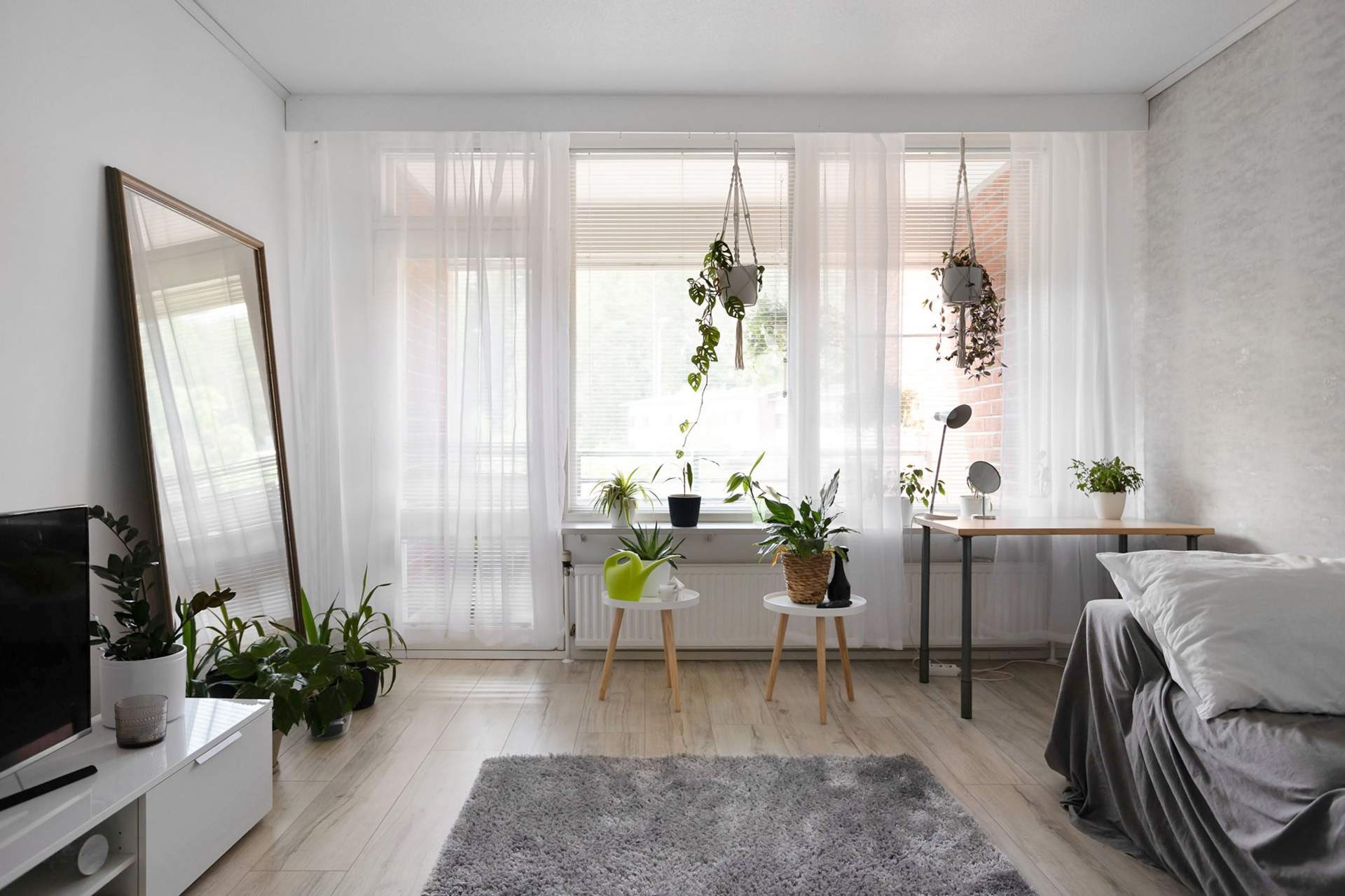
Laminate flooring is one of the most popular choices, and for good reason. It's attractive, relatively affordable, and holds up well against scratches — especially higher-grade options with a reinforced wear layer. It's also simple to wipe clean after muddy adventures.
Vinyl flooring (particularly luxury vinyl plank) is arguably even better for pet households. It's fully waterproof, softer underfoot, and highly resistant to scratches and stains. If your pet has the occasional indoor accident, vinyl is far more forgiving than laminate or hardwood.
One often-overlooked factor: slip resistance. Smooth, glossy floors can be genuinely uncomfortable — and even dangerous — for pets, especially older dogs. Look for flooring with a matte or textured finish that gives paws something to grip.
Choosing wall paint that can handle real life
You might have a dream color in mind for your walls — but in a pet household, the finish matters just as much as the shade.
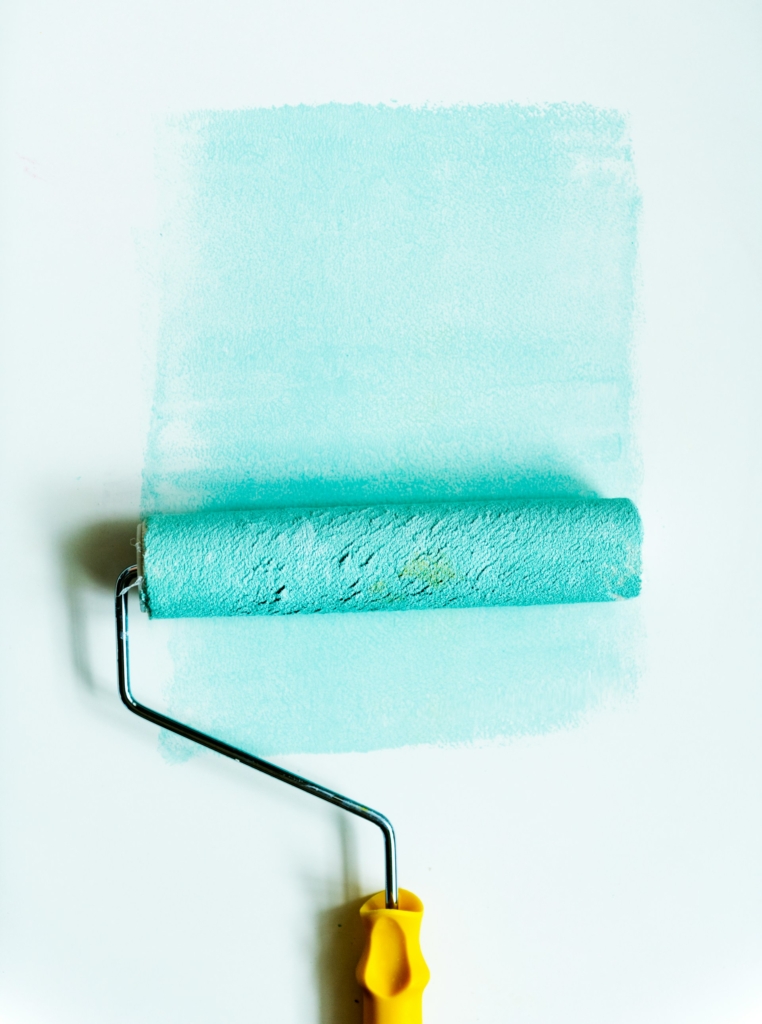
Washable, scrubbable paints are a game-changer. They resist smudges and marks, and a quick wipe with a damp cloth is usually all it takes to keep them looking fresh. Look for paints labeled as "washable," "kitchen and bathroom," or with a satin or eggshell finish — these are far more durable than flat or matte paints, which absorb stains.
Color choice matters too. Mid-tones and deeper shades are more forgiving than stark white or very pale walls, which highlight every nose smudge and muddy splash. That doesn't mean you have to go dark — warm neutrals, soft greens, and earthy tones all work beautifully and hide the evidence of daily pet life far better.
Sofas and fabrics: what actually survives a pet household
If you have a pet, your sofa is probably their sofa too — whether you planned it that way or not. Choosing the right upholstery can save you a lot of frustration.
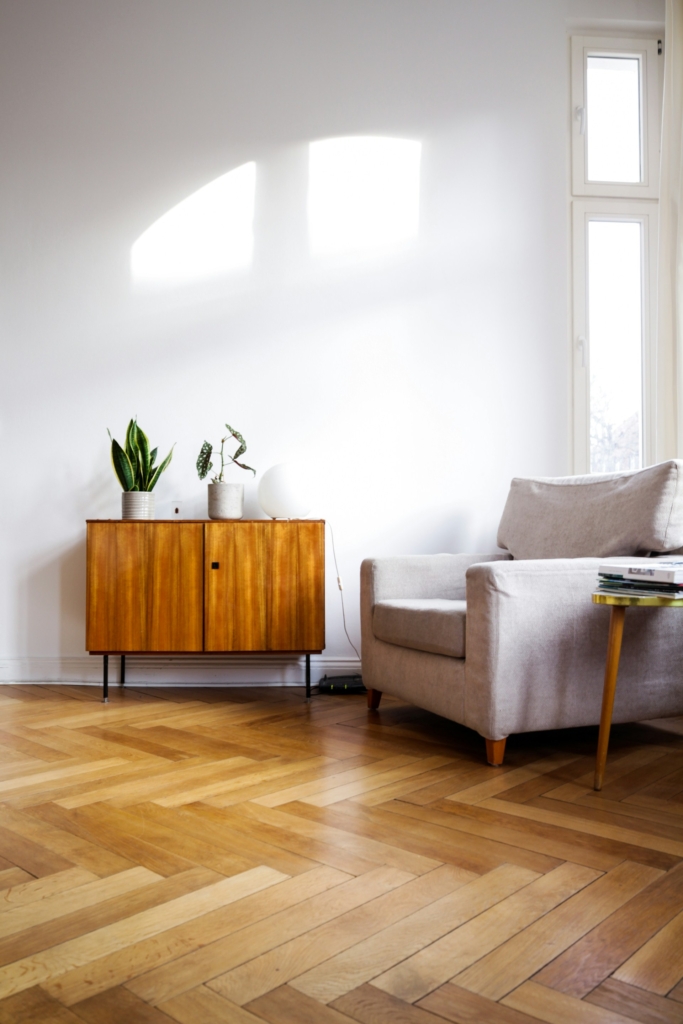
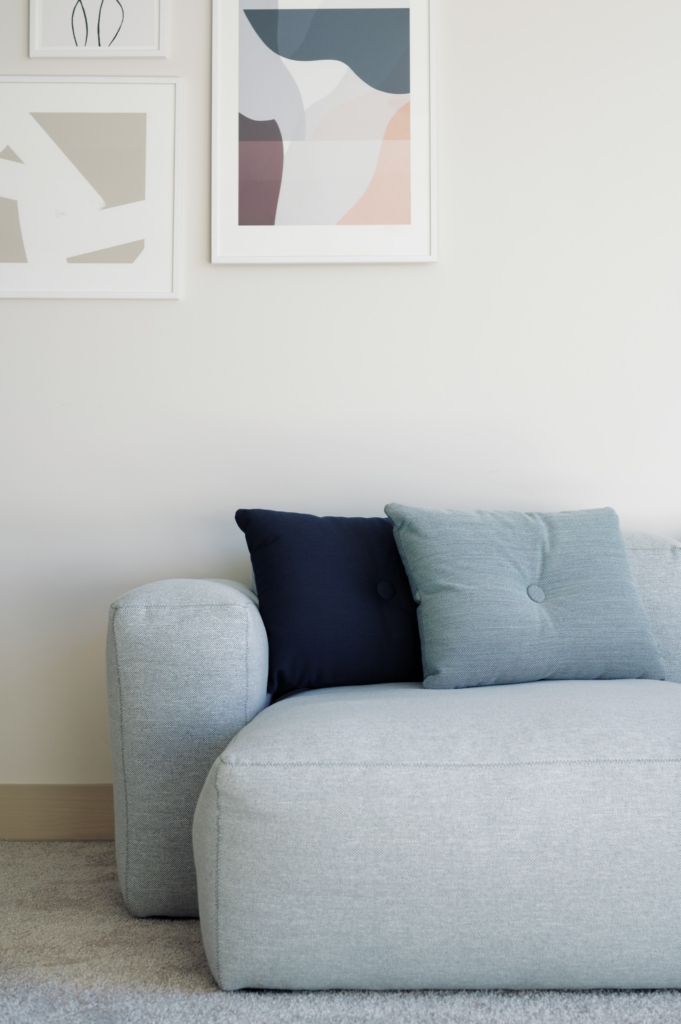
Microfibre fabrics are among the best options for pet owners. They're tough, easy to clean, and — crucially — pet hair doesn't cling to them the way it does to velvet or loosely woven textiles. Tightly woven fabrics in general are a better choice, as claws are less likely to snag and pull threads.
Avoid delicate materials like silk, chenille, or open-weave fabrics. They look beautiful in a showroom, but they won't last long in a home with animals. Leather and faux leather are also worth considering — they wipe clean easily, though they can show claw marks over time.
A few more things worth thinking about
Beyond floors, walls, and furniture, there are a few other details that make a real difference in a pet-friendly home.
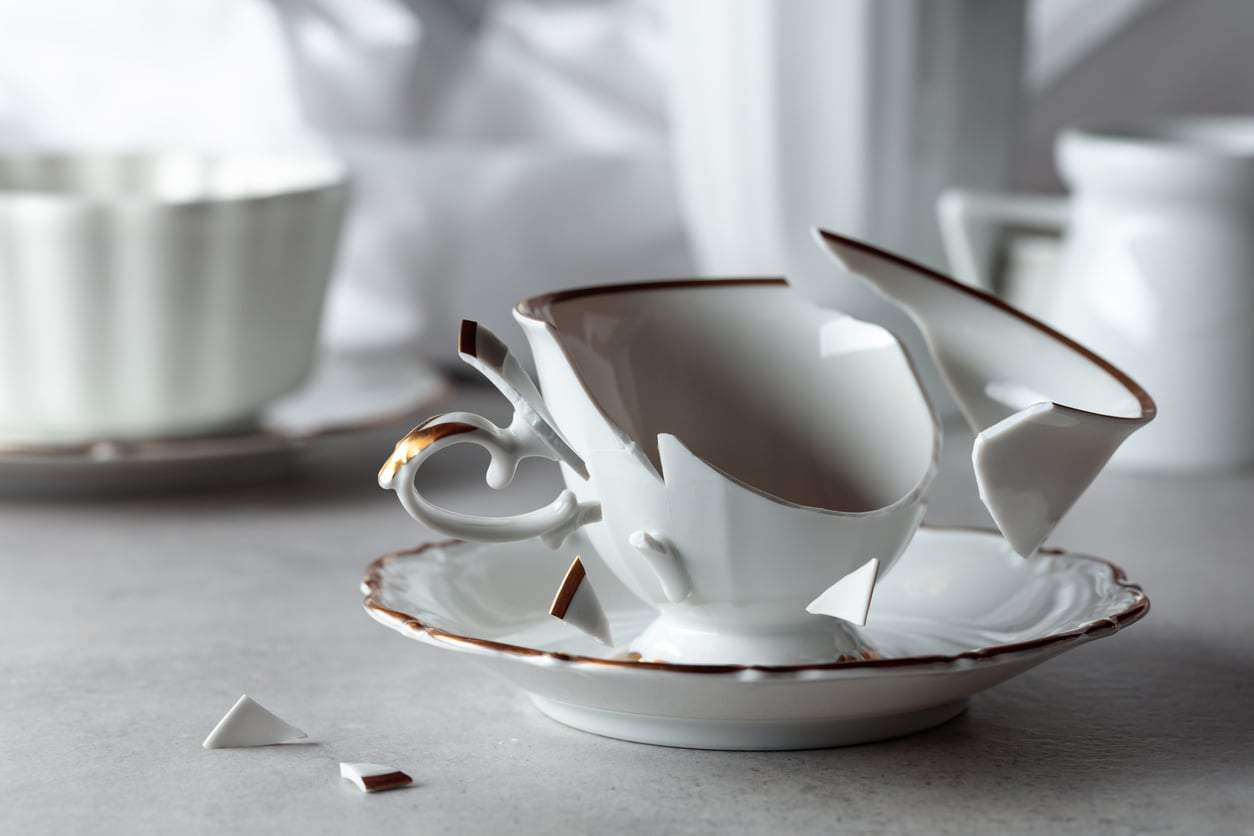
- Secure loose decorative objects. Curious pets — especially cats and playful dogs — will knock things off shelves. Keep fragile items out of reach or secured.
- Protect electrical cables. Chewing on wires is a real hazard for pets. Use cable covers or route wires out of reach wherever possible.
- Think about corners and edges. Sharp furniture corners can injure an excited pet mid-sprint. Rounded edges and softer furniture profiles are safer choices.
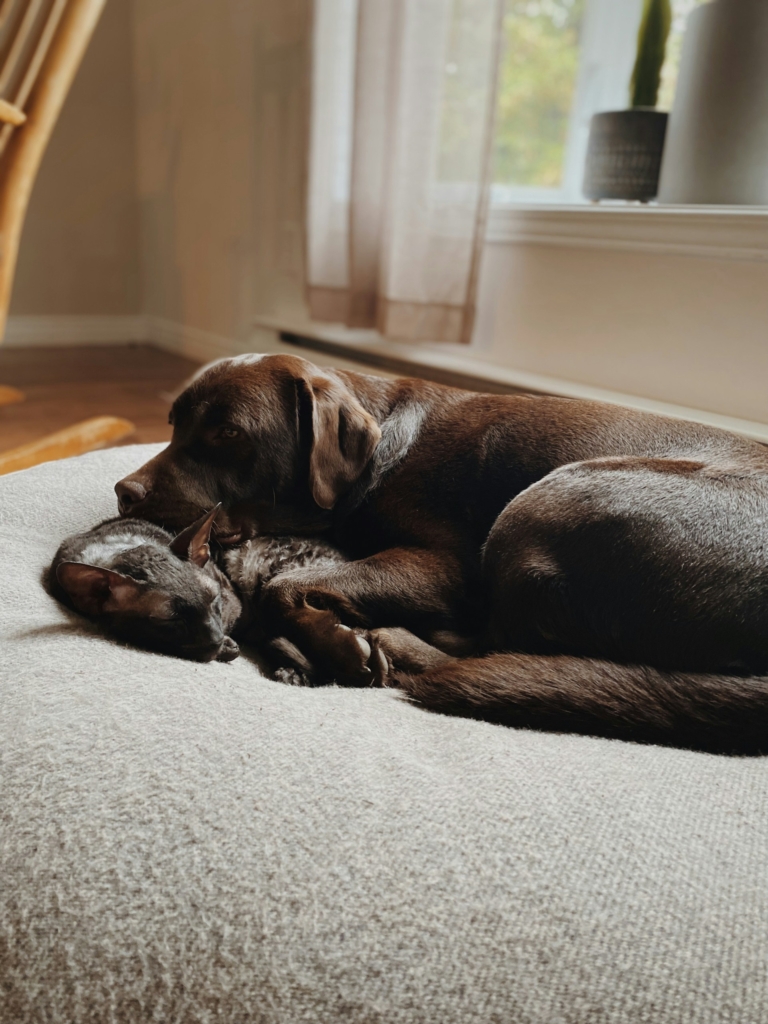
Creating a pet-friendly home isn't about giving up on style — it's about making smarter choices. The right flooring, paint finish, and upholstery mean your home stays looking good, your pet stays safe and comfortable, and you spend far less time stressing about the inevitable mess. Everyone wins.