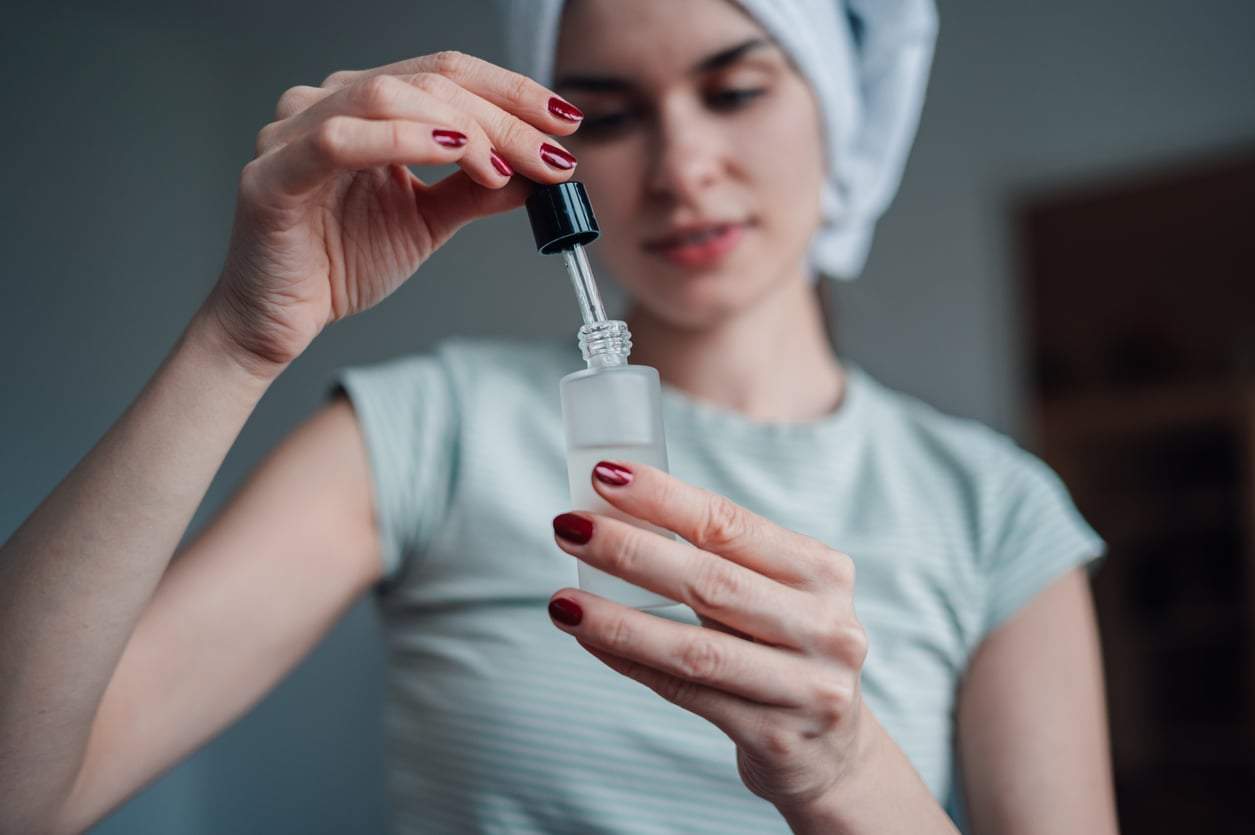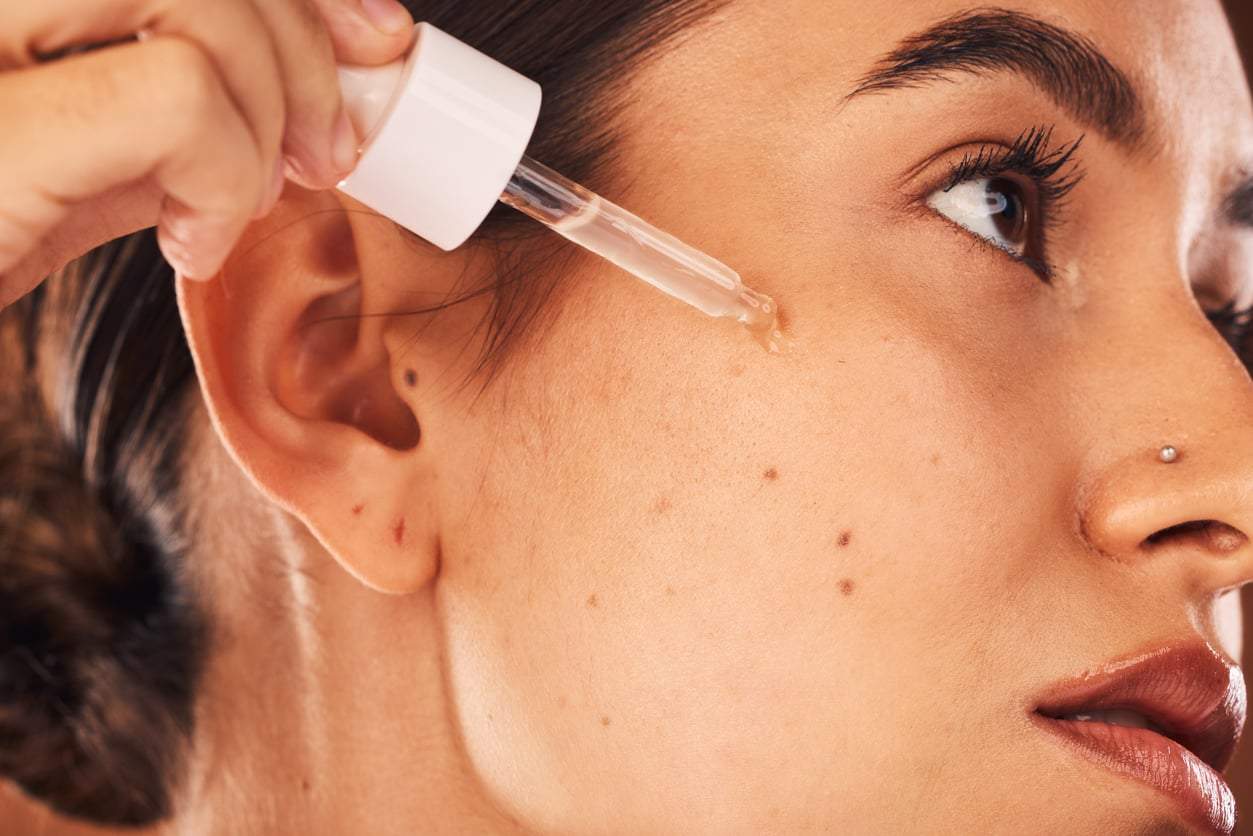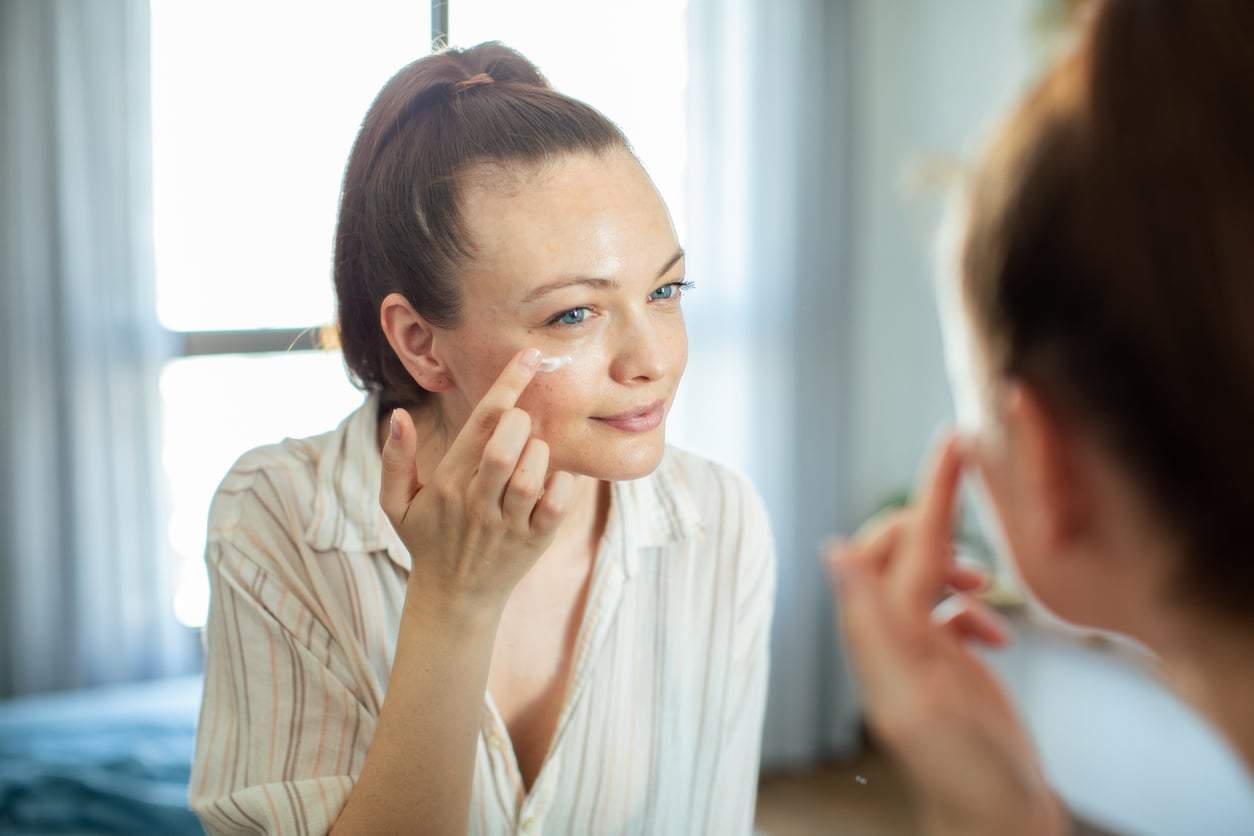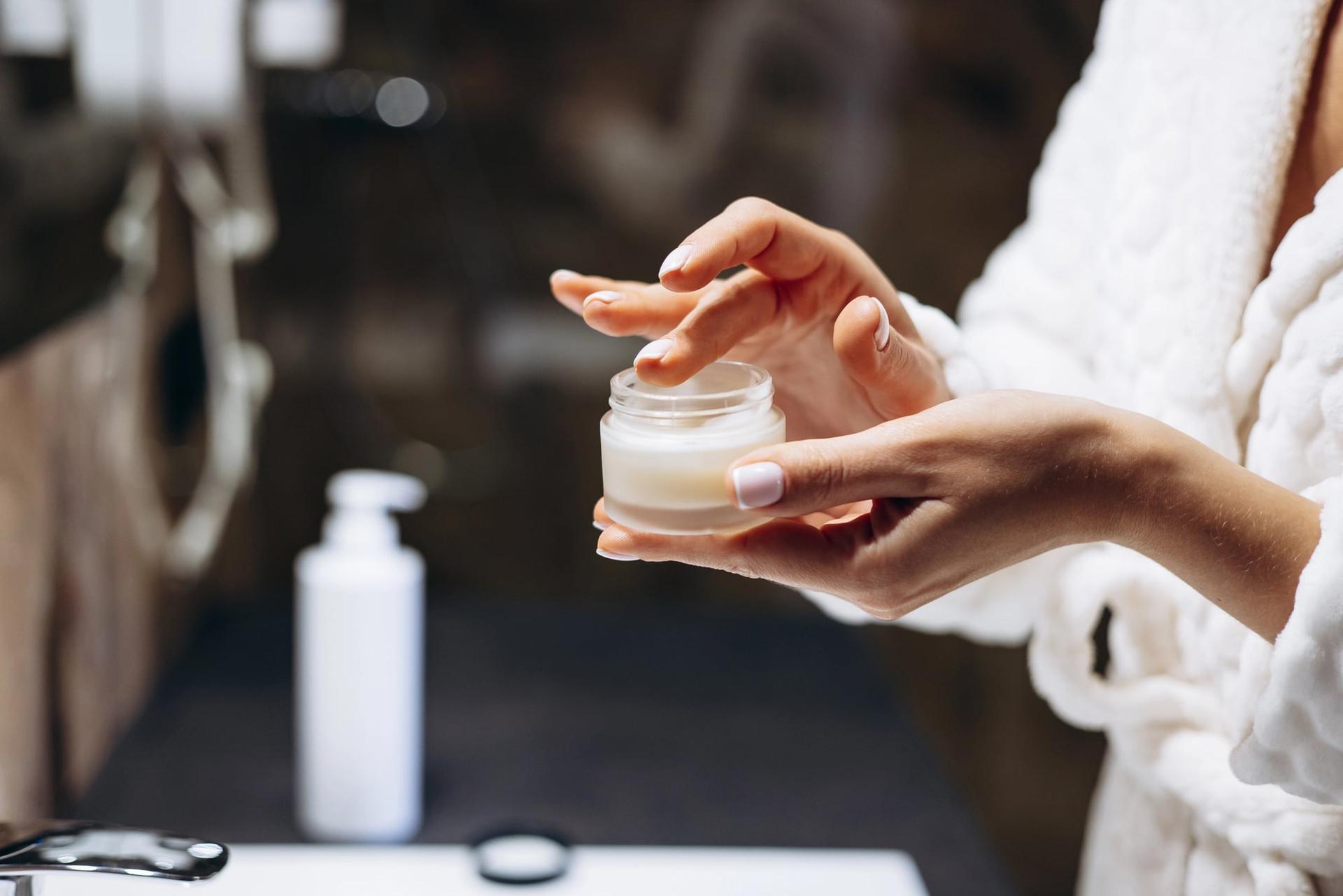
You don't need to spend a fortune on a serum for it to actually work. Dermatologists have been saying it for years: with certain ingredients, effectiveness has nothing to do with the price tag — it comes down to concentration, formula stability, and molecular quality. For these four powerhouses, a well-formulated drugstore product does exactly the same job as a luxury one.
Hyaluronic acid: the hydrator that doesn't care about the label
Hyaluronic acid is one of the most extensively studied moisturizing ingredients in skincare — and its mechanism is beautifully simple: it can bind many times its own weight in water. That ability doesn't change depending on which brand's bottle it comes in.
What actually makes a difference is molecular weight and concentration — not prestige. A well-formulated drugstore serum that contains multiple molecular sizes of hyaluronic acid delivers the same layered hydration as a product that costs ten times more. The science is the same. The skin doesn't know the difference.
Niacinamide: the multitasker that doesn't need fancy packaging
Niacinamide — also known as vitamin B3 — is one of the best-documented ingredients in dermatological literature. It helps strengthen the skin barrier, can visibly minimize pores, and has a calming effect on reactive skin. It's also exceptionally stable and easy to formulate, which means it doesn't require expensive or complex technology to stay effective.
Most drugstore serums contain around 5% niacinamide — which is exactly the concentration most dermatologists recommend for daily use.
That 5% in a $10 serum works the same as 5% in a $90 one. You're paying for the jar, not the results.
Glycerin: the invisible workhorse
Glycerin appears on nearly every moisturizer and serum ingredient list — yet it rarely gets the credit it deserves. This humectant draws moisture from the air directly into the skin, it's incredibly inexpensive to produce, and it has decades of proven efficacy behind it.
Here's the thing: there is no premium version of glycerin that hydrates better than the standard one. When a moisturizer's price tag reaches the stratosphere, glycerin is definitely not the reason. If a product charges a premium, it's the branding and packaging doing the heavy lifting — not this ingredient.
Salicylic acid: pore-clearing chemistry that gold leaf can't improve
Salicylic acid is a beta-hydroxy acid (BHA) — and its oil-soluble nature is what makes it uniquely effective. It can actually penetrate inside pores to dissolve dead skin cells and excess sebum, rather than just working on the surface.
Dermatological guidelines consistently point to concentrations between 0.5% and 2% as both effective and safe for daily use. Going higher doesn't make it more powerful — it just makes it more irritating. Because the mechanism is purely chemical, a drugstore toner or cleanser with the right concentration triggers the exact same process in your skin as an exclusive boutique serum at five times the price.
So when does spending more actually make sense?
Not every premium product is a waste of money. Texture, scent, applicator design, and certain genuinely complex formulations — like advanced retinoid systems or sophisticated peptide combinations — can offer real differences that justify a higher price point.
But for these four ingredients, the scientific consensus is clear: concentration and formula stability are what matter, not the packaging cost. The smartest move is to read the ingredient list instead of the brand name — check where a key ingredient appears on the list, and how high up it sits. A shiny box tells you nothing about what's inside.
Does the order of ingredients on the label matter?
Yes. Ingredients are listed in descending order by concentration. If hyaluronic acid, niacinamide, glycerin, or salicylic acid appears near the top of the list, the product contains a meaningful amount. If it's near the bottom, it's likely present in trace quantities only.
Are drugstore serums really as stable as luxury ones?
For the four ingredients covered here, yes. Hyaluronic acid, niacinamide, glycerin, and salicylic acid are all highly stable and straightforward to formulate effectively. You don't need cutting-edge technology or premium packaging to preserve their potency.
When should you consider spending more on skincare?
It can be worth investing in premium products when the formula involves genuinely complex or less stable ingredients — such as certain retinoids, encapsulated actives, or advanced peptide combinations — where delivery technology and formulation expertise make a measurable difference.
Is a higher concentration of salicylic acid always better?
No. Dermatologists recommend staying within the 0.5% to 2% range for daily use. Beyond that, the ingredient becomes more irritating without being more effective. More is not more with salicylic acid.