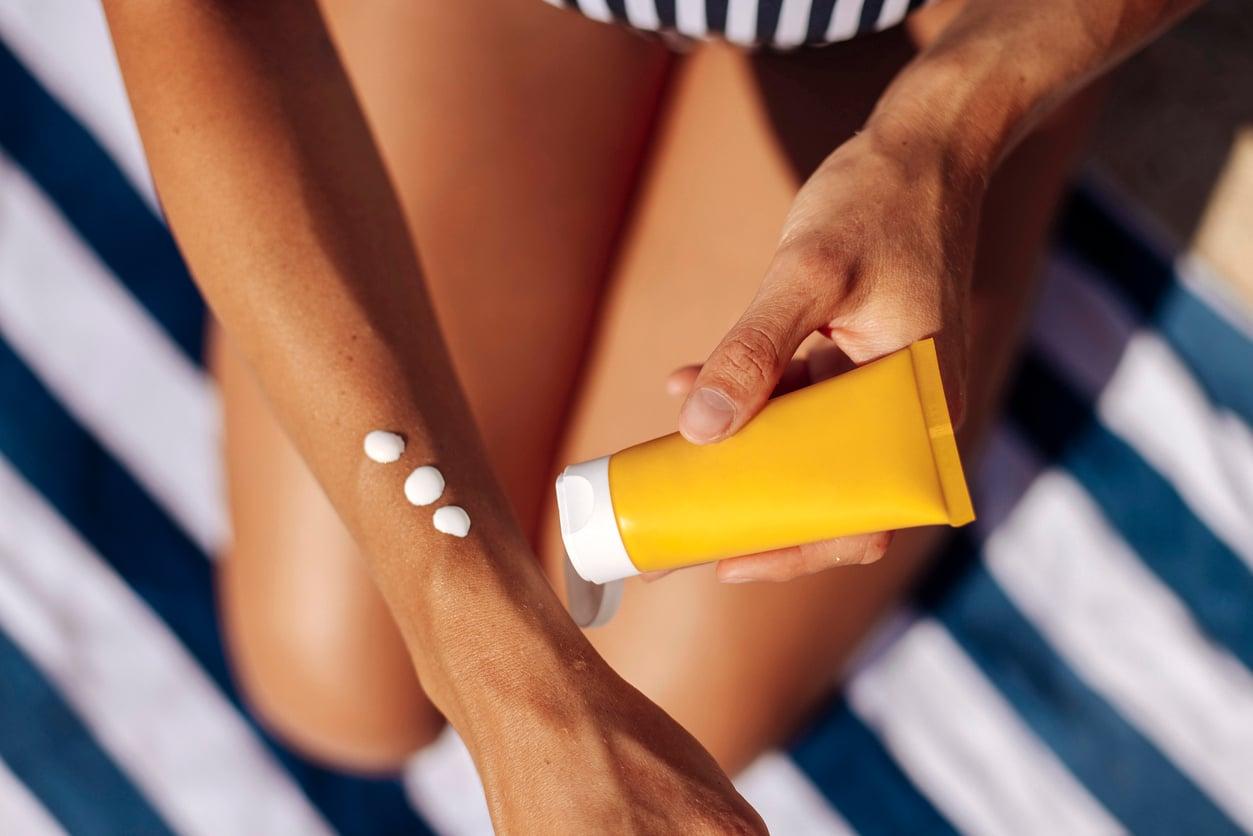
Summer is for sunshine, beach days, and switching off — but the damage UV rays can do to your skin is very real. Most of us know we should wear sunscreen, yet nearly everyone makes at least one mistake that quietly undermines all that effort. Here are the five most common ones, and how to fix them before your next day out.
Using too little product
This is probably the most widespread mistake of all. To properly cover an adult body, you need around two tablespoons of sunscreen — roughly a shot glass worth. That sounds like a lot, but it's exactly what's needed to reach the SPF level printed on the label. Apply less, and you're getting significantly less protection than you think.
Not reapplying throughout the day
Putting sunscreen on in the morning is a great start — but it's not enough for a full day outdoors. Swimming, sweating, and towelling off all break down the protective layer faster than you'd expect. Experts recommend reapplying every two hours, and immediately after getting out of the water. This is the step most people forget, and it's one of the most important.
Applying it at the wrong time
Slapping on sunscreen as you step onto the beach? You're already behind. Sunscreen should be applied at least 15 to 30 minutes before sun exposure, so the UV filters have time to properly absorb into the skin and start working. Make it part of your getting-ready routine, not an afterthought at the door.
Only wearing it on sunny days
Clouds don't block UV rays — they just make them less visible. UVA and UVB radiation can penetrate cloud cover and reach your skin even on overcast days. UV exposure also happens in the shade, reflected off sand, water, and pavements. Sun protection isn't just a beach holiday habit; it's something worth building into your everyday routine year-round.
UV rays are present even when the sun isn't shining. If you're outside, your skin is being exposed — full stop.
Using expired sunscreen
It's tempting to dig out last summer's bottle and carry on, but expired sunscreen can lose a significant amount of its effectiveness. Before you rely on an old product, always check the expiry date. Sunscreen that hasn't been stored properly — left in a hot car, for example — can degrade even before it officially expires. When in doubt, replace it.
Avoiding these five mistakes won't take much extra effort, but it makes a real difference. Consistent, correctly applied sun protection is one of the most effective things you can do to prevent skin damage, premature ageing, and long-term health risks. Enjoy every moment of summer — just make sure your skin is properly looked after while you do.