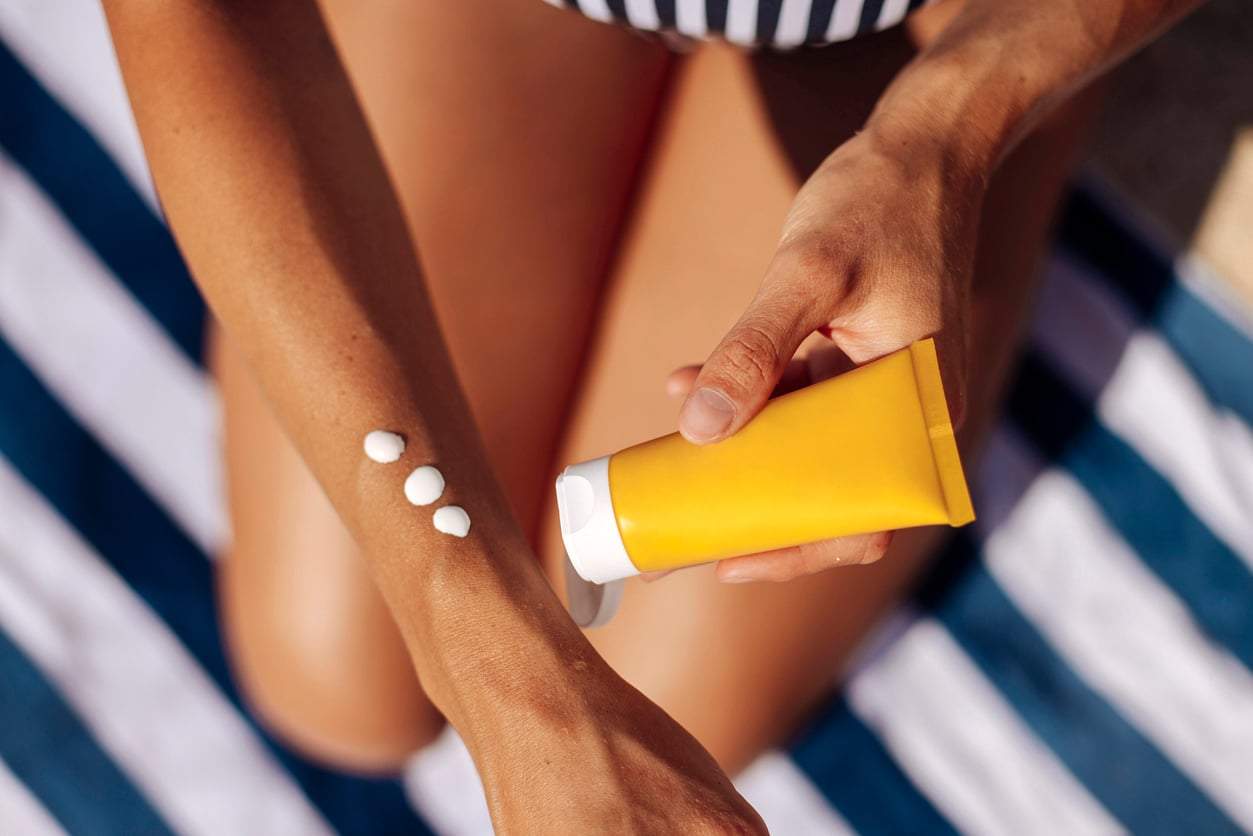
Sunscreen is one of the most important things you can put on your skin — and yet most people are using it wrong. Not because they're careless, but because a surprising number of myths about sun protection have become accepted as fact. Dermatologists are pushing back, and what they have to say might change your entire routine.
Myth 1: Sunscreen is only for the beach
This is probably the most widespread misconception of all. Many people only reach for SPF when they're heading to the pool or spending a full day in the sun. But UV radiation doesn't take days off — it reaches your skin during your morning walk, your lunch break outside, and even through your car window.
Dermatologists recommend applying sunscreen every single morning before leaving the house, regardless of your plans. A quick coffee run or a few minutes waiting for the bus is enough exposure to cause cumulative skin damage over time.
Don't be fooled by overcast skies either — UV rays penetrate cloud cover just as effectively, even when the sun isn't visible.
Myth 2: A high SPF will protect you all day
Reaching for SPF 50 and feeling invincible for the rest of the day is a mistake almost everyone makes. The truth is, no sunscreen — no matter how high the factor — lasts all day. Protection breaks down with time, sweat, and water exposure.
Dermatologists are clear on this: reapply every two hours, and immediately after swimming or heavy sweating. Even the best SPF 50 formula offers little protection if it was applied at 9 a.m. and it's now 3 p.m.
Equally important is how much you apply. Most people use far too little. For full-body coverage, dermatologists recommend roughly 30 ml — about a shot glass worth of product. Skimping on the amount significantly reduces the level of protection you actually get.
Myth 3: Sunscreen is just about preventing sunburn
Avoiding a painful burn is reason enough to wear SPF, but sunscreen does far more than that. Regular use is one of the most effective tools against premature skin aging — including fine lines, wrinkles, and dark spots caused by UV-induced cell damage.
More importantly, dermatologists emphasize that consistent sunscreen use significantly lowers the risk of skin cancer. This isn't a cosmetic concern — it's a genuine health issue. Sunscreen isn't vanity; it's prevention.
Myth 4: Any sunscreen works for every skin type
The sunscreen aisle can be overwhelming, and it's tempting to just grab whatever is on sale. But not all formulas suit all skin types — and using the wrong one can cause breakouts, irritation, or a greasy finish that puts you off wearing it altogether.
- Sensitive skin: Look for hypoallergenic, fragrance-free formulas. Mineral sunscreens (containing zinc oxide or titanium dioxide) are an excellent choice — they sit on top of the skin rather than being absorbed, making them far less likely to cause irritation.
- Oily or acne-prone skin: Choose lightweight, oil-free, or gel-based formulas that won't clog pores or add shine.
- Dry skin: Go for richer, moisturizing formulas that hydrate while they protect.
Finding the right match for your skin type makes it much easier — and more enjoyable — to wear sunscreen consistently every day.
Don't forget your skin after sun exposure
Good sun protection doesn't end when you come indoors. Heat and UV exposure deplete moisture from the skin, so post-sun hydration is just as important as the SPF you applied in the morning. Reach for a body lotion or after-sun product rich in antioxidants and vitamins to help your skin recover and repair overnight.
The bottom line? Sunscreen works — but only when used correctly. Don't let outdated myths get between you and healthy skin. Follow dermatologist-backed guidance, build SPF into your daily routine, and your skin will thank you for years to come.