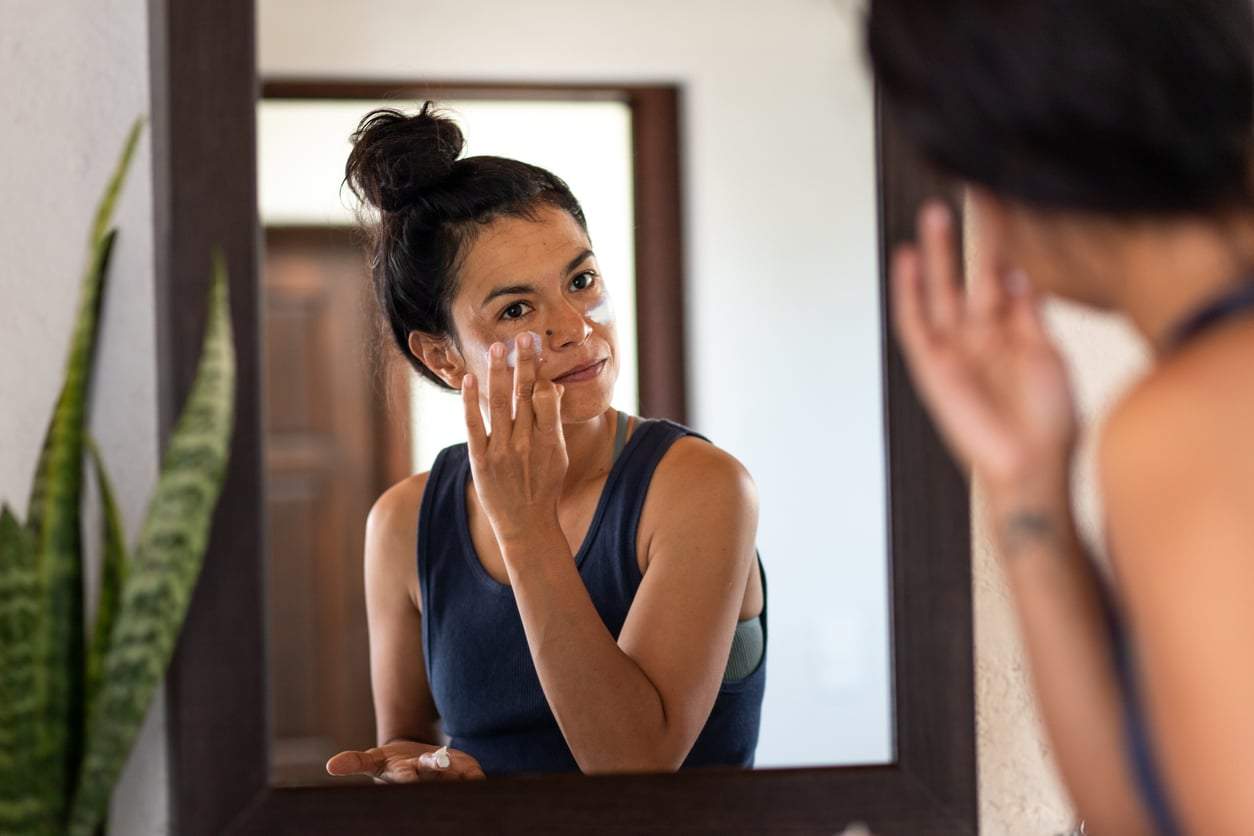
You've got sunscreen on the bathroom shelf, tucked into your beach bag, maybe even layered under your makeup. But here's the uncomfortable truth: owning SPF and using it correctly are two very different things.
According to skin health experts at Dr Prlja Medical, most people unknowingly undermine their sun protection every single day — through small habits that are surprisingly easy to fix. Here's what you need to know.
What does SPF actually mean?
SPF stands for Sun Protection Factor. It tells you how much longer you can stay in the sun without burning compared to bare skin. If your skin starts to redden after 10 minutes unprotected, an SPF 30 product theoretically extends that to 300 minutes.
Important: A higher SPF number doesn't mean total protection. How well sunscreen works depends almost entirely on how — and how consistently — you apply it.
Mistake 1: Not using enough product
This is the most widespread mistake of all. Most people apply a thin smear and call it done — but that can cut the actual protection level in half.
For the face: roughly two finger-lengths of product.
For the full body: about 30 ml — a small shot glass worth.
Lab testing for SPF ratings is done at a specific application thickness. Use less, and you're not getting the protection the label promises.
Mistake 2: Thinking a tan — or darker skin — means you're protected
A base tan is not a shield. Neither is naturally darker skin tone, even though both contain more melanin.
Melanin does offer some natural protection, but it's roughly equivalent to SPF 2 — nowhere near enough to block serious UV damage. And that "base tan"? It's not a protective layer. It's a sign your skin has already been damaged by UV exposure. A tan is a warning, not armor.
Mistake 3: Missing the spots that need it most
It's easy to cover the obvious areas and forget the rest. These commonly missed spots can account for up to 10% of your total unprotected skin exposure:
- Neck and ears
- Backs of hands and fingers
- Lips (use a dedicated SPF lip balm)
- Sides of the nose and the eye area
- The parting line of your scalp
Mistake 4: Applying it at the last second
Chemical sunscreens need time to absorb and activate — typically 15 to 20 minutes before sun exposure. If you're applying it as you walk out the door, your skin is temporarily unprotected during that window.
Make sunscreen the second-to-last step in your morning routine, not an afterthought as you're leaving the house.
Mistake 5: Relying on SPF in your makeup
Foundation and BB creams with SPF can feel like a convenient two-in-one — but they rarely deliver full protection on their own. The reasons are simple:
- You apply them in too thin a layer
- They're difficult to reapply over a full face of makeup
- Coverage is rarely even across the whole face
Think of makeup SPF as a bonus, not a substitute. Your dedicated sunscreen should always go on first, as the base layer.
Mistake 6: Not reapplying throughout the day
Sunscreen isn't a set-it-and-forget-it product. Sweat, water, towel drying, and even touching your face break it down gradually.
The general rule:
- Reapply every 2 hours when outdoors
- More frequently at the beach, pool, or during exercise
- Even water-resistant formulas only last around 40 to 80 minutes in water
Mistake 7: Using expired or badly stored sunscreen
An expired sunscreen won't protect you reliably. Heat, light, and humidity all degrade the active ingredients faster than you might expect.
Signs your sunscreen has gone off:
- Discoloration
- An unusual or unpleasant smell
- Change in texture — separation, clumping, or wateriness
- Damaged or swollen packaging
If in doubt, replace it. Sun protection is not the place to cut corners.
Mistake 8: Using one product for every situation
Not all sunscreen occasions are equal. What works for a daily city commute isn't ideal for a full day at the beach — and children's skin has entirely different needs from adults'.
- Urban daily use
- Beach and pool days
- Sport and outdoor activity
- Children's sensitive skin
Each scenario calls for a different formula, texture, and protection level. Having more than one product isn't excessive — it's smart skincare.
Mistake 9: Underestimating sun protection for children
Children's skin is significantly more sensitive to UV radiation than adult skin, making consistent protection even more critical.
What to look for in kids' sunscreen:
- SPF 30 or higher
- Mineral filters such as zinc oxide or titanium dioxide
- Fragrance-free and alcohol-free formula
For babies under six months, direct sun exposure should be avoided altogether.
Mistake 10: Thinking sunscreen alone is enough
Even perfect sunscreen application has its limits. The most effective sun protection is always layered:
- Sunscreen
- A wide-brimmed hat
- UV-protective sunglasses
- Clothing with UV protection
These layers work together to provide real, long-term skin defence — especially during prolonged outdoor exposure.
Small habits, big difference
Sun protection doesn't have to be complicated, but it does require a little awareness. Most of these mistakes are easy to correct — and correcting them makes a meaningful difference to your skin's health, appearance, and long-term ageing.
When you use the right amount, at the right time, and reapply consistently, SPF delivers exactly what it promises: real protection against sunburn, pigmentation, and premature ageing.
The takeaway is simple: it's not enough to use sunscreen. You have to use it well.