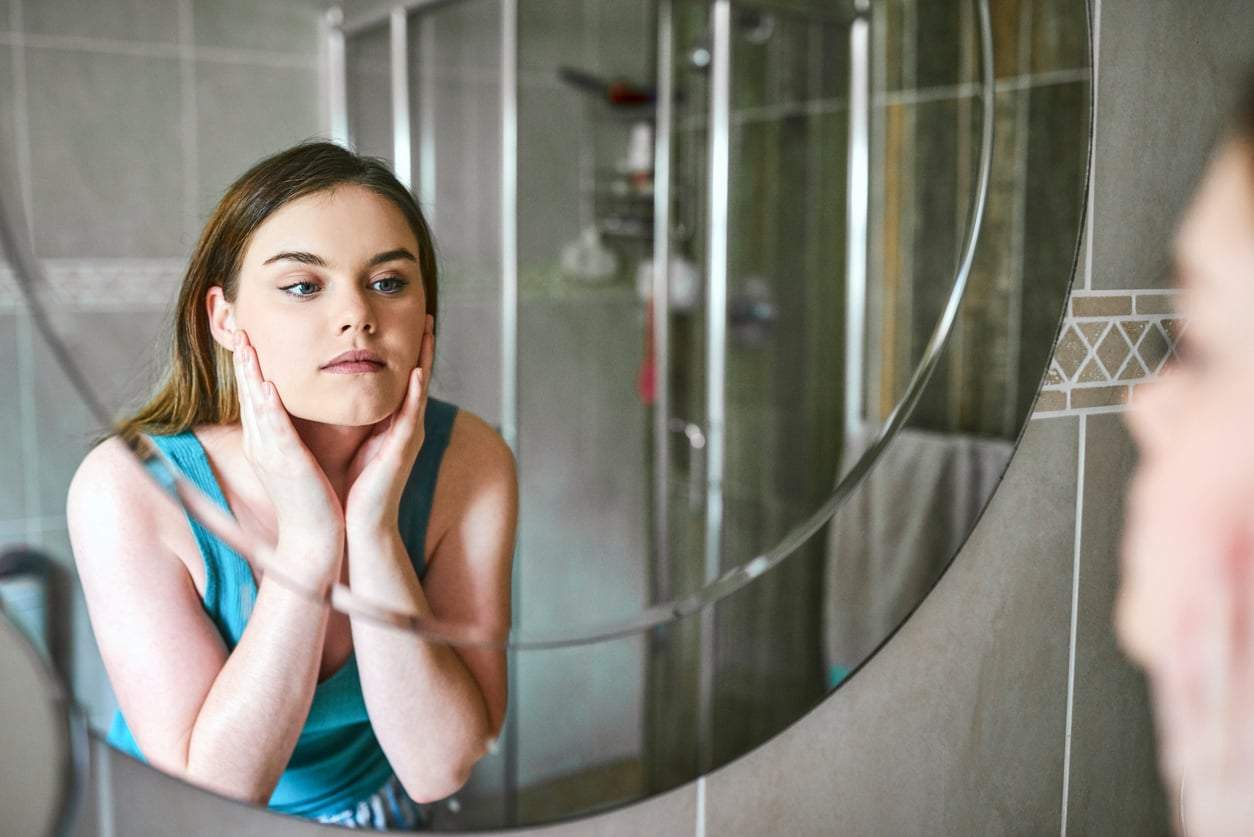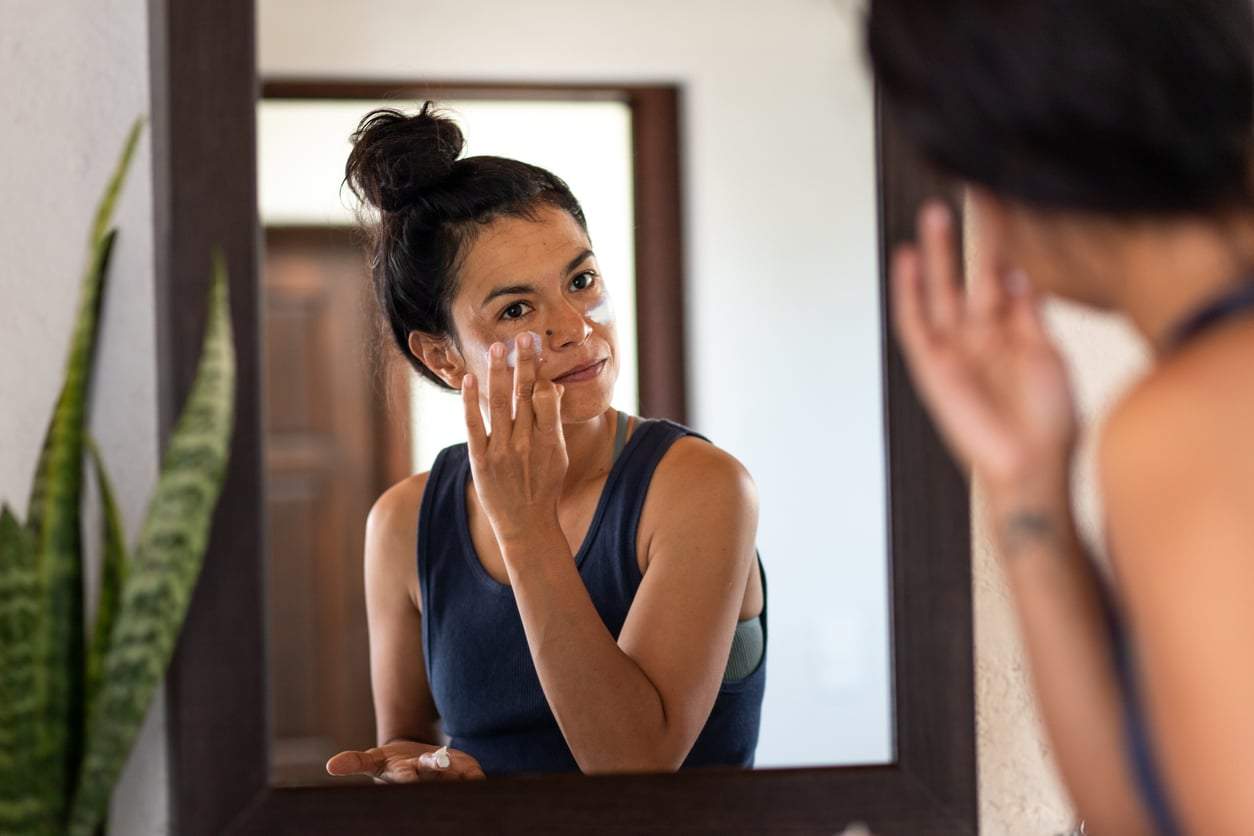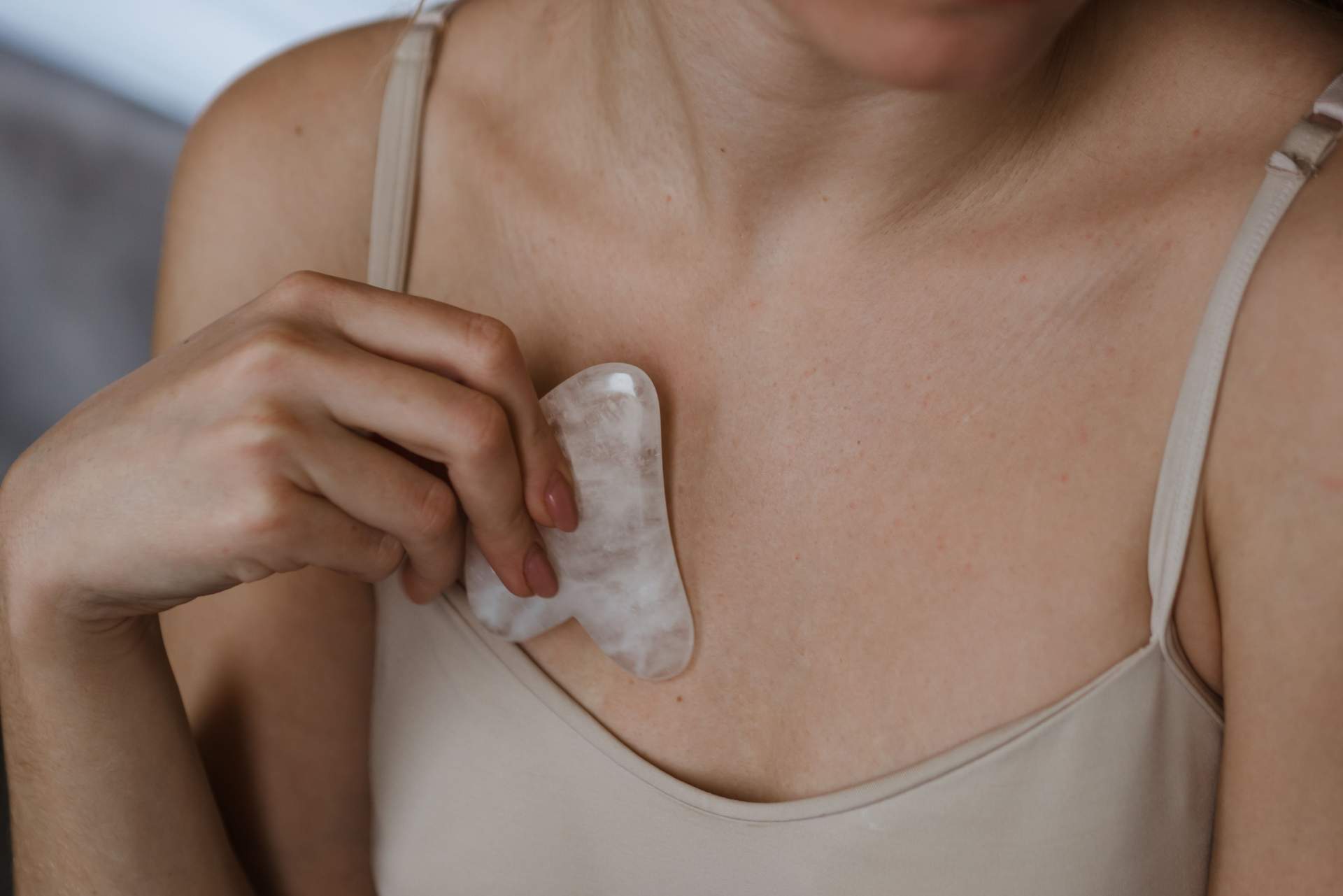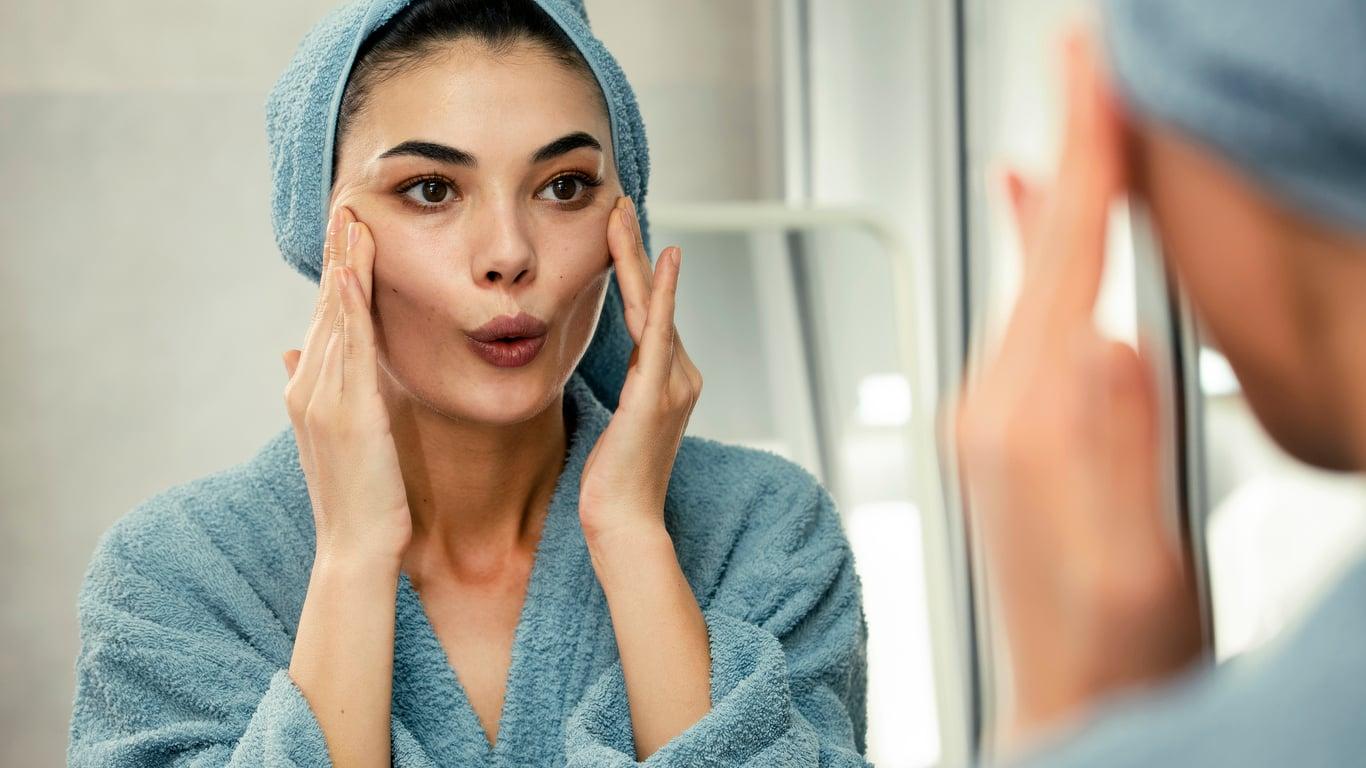
You've probably scrolled past someone on TikTok pulling the most dramatic expressions — wide eyes, exaggerated smiles, faces that look vaguely unhinged. Easy to dismiss as another ridiculous trend. But here's the thing: what you're actually watching is face yoga, a practice that's been around far longer than social media.
Face yoga is exactly what it sounds like: a workout for your facial muscles. Through targeted movements and stretches, it aims to tone the muscles beneath your skin, boost circulation, and bring a little mindfulness into your day.
Many people use it as a natural, non-invasive alternative to cosmetic procedures — but the benefits go beyond the mirror. It can also help release tension, slow you down, and genuinely improve how you feel. So let's look at what it can actually do, what the science says, and how to make it work for you.
What is face yoga, exactly?
Face yoga is best known for its anti-aging effects — but it does more than soften the signs of time. As we age, it's not just the skin that changes. The muscle and fat tissue beneath the surface also shifts, losing volume and tone. Face yoga works on all of it.
Over time, skin loses elasticity, leading to fine lines and wrinkles. Face yoga offers a natural way to gently push back against that process. By stimulating blood flow, it supports detoxification, speeds up cell renewal, and helps reduce puffiness. Better circulation also means more nutrients reaching your skin — which adds up to a real long-term advantage.
Best of all, you don't need any equipment. Just a few minutes and a mirror.
Does it actually work?
Think of your facial muscles the way you think of any other muscle in your body: use them well and they strengthen; neglect them and they weaken. But it's not just about strength — muscles that are held in poor positions over time start to settle there.
If you clench your jaw, grind your teeth at night, or constantly squint and furrow your brow (guilty on all counts), it shows. Face yoga uses deliberate, targeted movements to both strengthen and release those small muscles — correcting tension patterns that build up over years.
Many regular practitioners report that their face looks fuller, firmer, and more defined. I recently completed a multi-week face yoga workshop, committing around 10 minutes a day — including warm-up, cool-down, and breathing exercises. The results genuinely surprised me.
Within the first few sessions, my skin looked noticeably better. Over the following weeks, my face actually changed shape slightly — my jawline became more defined, and my overall complexion improved. My partner and family noticed without me saying a word.
If you're watching for visible changes in the mirror, be patient: most people start seeing real results after several weeks of consistent practice.
That said, if relaxation is your goal, you can feel the benefit almost immediately. Even a short session helps you slow down and decompress — and that alone has real knock-on effects for your skin, since stress impacts everything from your complexion to your digestion.
The key, as with any physical practice, is consistency. You can see encouraging results in two to three weeks, but the real payoff comes from making it a daily habit. Pair it with the basics — good nutrition, regular movement, stress management, and a solid skincare routine — and you'll get the most out of it.
What the science actually says
A 2024–2025 study looked specifically at how face yoga affects facial muscles in middle-aged women. Participants followed an intensive face yoga program over eight weeks, and researchers measured muscle stiffness, tension, and elasticity before and after using specialized equipment.
The results were nuanced. In expressive areas like the forehead and around the eyes, muscle tension and stiffness decreased — suggesting that face yoga can help release the chronic tightness that often contributes to wrinkle formation.
In more functional areas — like the cheeks and under the chin — muscles actually gained tone and firmness, contributing to a more contoured appearance.
Crucially, every muscle tested showed improved elasticity — one of the first things we lose as we age, and one of the hardest to recover.
A widely cited 2018 study published in JAMA Dermatology found similar promise. Participants practiced face exercises daily for the first few weeks, then less frequently, over a 20-week period. Independent experts assessed their photos before and after.
The most visible improvement? Fuller, more lifted cheeks — addressing one of the key signs of aging: volume loss in the mid-face. On average, participants appeared measurably younger by the end of the program, according to outside observers.
It's worth being realistic, though. These studies involved small samples, and more research is needed. The honest takeaway is that face yoga delivers subtle, natural improvements — not dramatic transformations. But subtle and consistent beats dramatic and fleeting every time.
The mental side: your mood benefits too
Face yoga isn't just a skin thing. Many people treat it as a form of active relaxation — a few minutes in the day that belong entirely to them.
There's something almost cathartic about it. Pulling exaggerated expressions, releasing tension you didn't even know you were holding — it's a bit like a good cry or a laugh that catches you off guard. You feel lighter afterwards. Moving your facial muscles can genuinely help your whole body shift into a calmer state.
Combine face yoga with a few deep breathing exercises and some gentle stretching, and you've got a short but powerful wind-down ritual.
There's also a fascinating connection between facial expression and mood: your emotions show on your face, but the relationship runs both ways — moving your face can actually influence how you feel.
A few things to keep in mind
Face yoga is safe for most people, but more is not always better. In certain areas — particularly the forehead and around the eyes — too many repetitive movements can actually deepen lines rather than soften them.
The key is moderation, correct technique, and listening to your body. Build a routine that feels good, not one that feels like a chore. Face yoga isn't magic — but it is one of those small daily habits that quietly improves both how you look and how you feel. Inside and out.