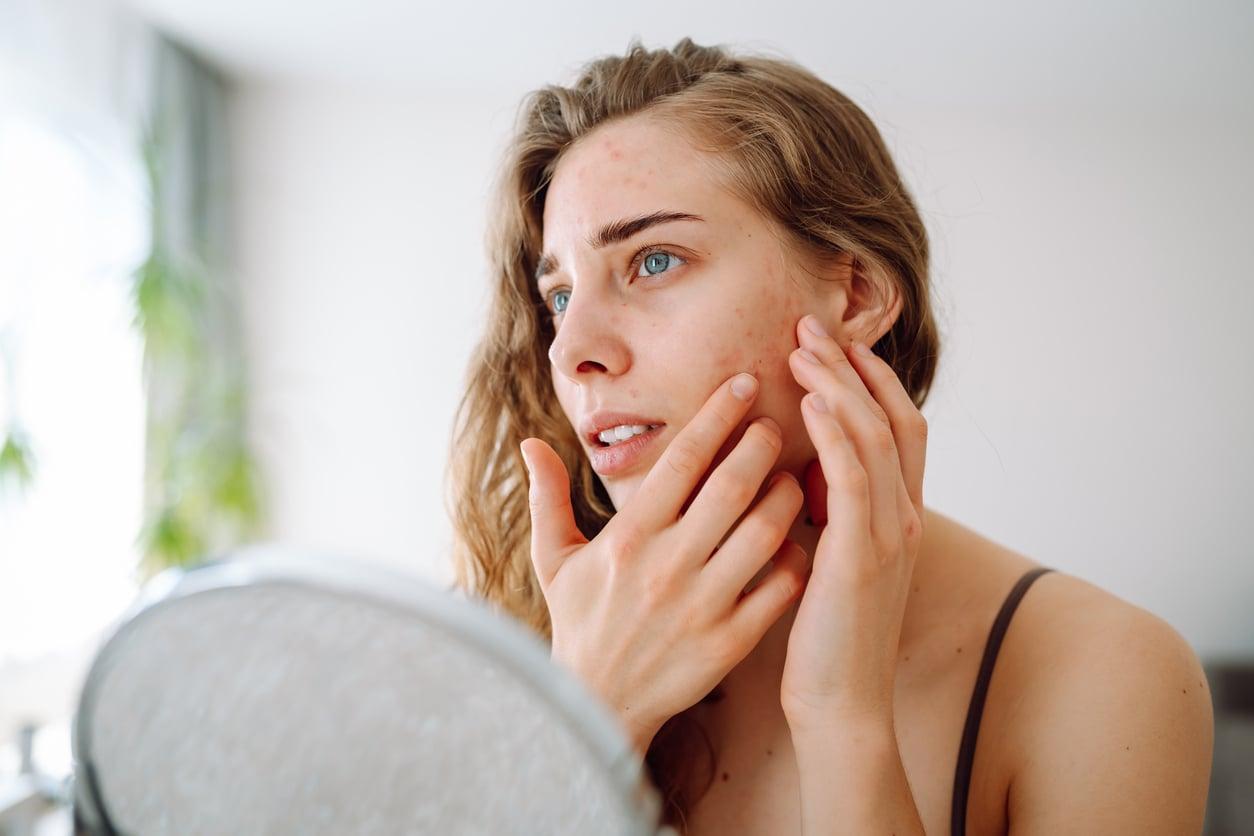
You finally committed to eating better. More vegetables, less sugar, real food instead of processed junk — and somehow, your skin looks worse. Breakouts where there weren't any before, dryness, strange little rashes. If you've started questioning whether healthy eating is actually worth it, you're not alone. But here's the truth: your diet isn't betraying you. Your body is just going through something nobody warned you about.
Your body is detoxing — through your skin
When your body finally gets what it's been missing — more fiber, more water, more nutrients — it doesn't just absorb the good stuff quietly. It also starts clearing out what's been building up. Toxins and waste products that were stored in your system can exit through the skin, which temporarily shows up as breakouts, redness, or minor rashes.
This isn't a sign that something's wrong. It's actually the opposite — your body is responding to positive change. This phase typically lasts two to four weeks. If your skin continues to deteriorate beyond that window, it's worth taking a closer look at exactly what you've introduced into your diet.
Sugar withdrawal is real — and your skin feels it
If you were consuming a lot of sugar and suddenly cut back, your body can go through withdrawal — and yes, it shows on your face. Inflammatory processes can temporarily spike during this adjustment, leading to breakouts and flushing.
It sounds counterintuitive, but this is actually a good sign. Your body is recalibrating to a lower baseline of inflammation, and it's going through one final "clearing wave" before it settles in.
New healthy foods can trigger reactions too
One of the most common mistakes people make when switching to a healthier diet is introducing too many new foods at once — nuts, seeds, dairy alternatives, fermented foods, new fruits and vegetables. Your skin can react to these not because they're harmful, but because your digestive system is adapting to unfamiliar ingredients.
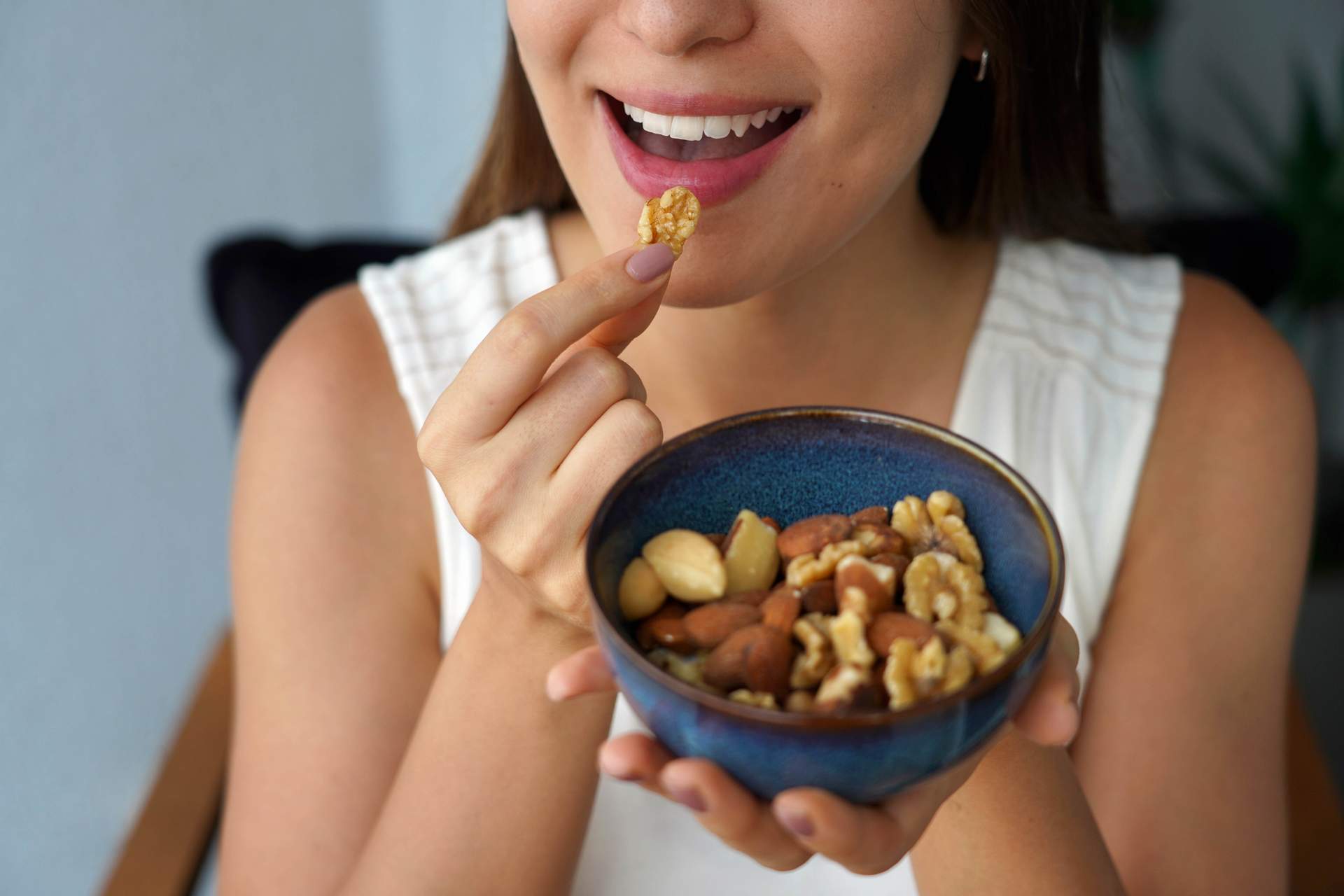
Nuts and seeds in particular are known to cause temporary skin reactions even in people who aren't allergic to them. If you notice flare-ups after adding these foods, try pulling back for a week or two and then reintroducing them gradually. Slow and steady really does win this race.
The gut-skin connection is very real
The gut-skin axis isn't just a wellness buzzword — it's a genuine biological relationship. When you change your diet, your gut microbiome shifts too. The bacterial strains that dominated before start to decline, while new ones haven't yet established themselves strongly enough to take over. This temporary imbalance can surface on your skin as inflammation or breakouts.
Fermented foods like kefir, yogurt, and sauerkraut can help shorten this transition — but ironically, introducing too many of them at once can also trigger a reaction. Gradual is the key word here too.
More fiber means you need more water
Increasing your fiber intake is a genuinely positive change — but if you're not drinking enough water alongside it, your body will pull moisture from wherever it can find it, including your skin. The result? A dull, tight, dry complexion that can even accelerate the appearance of fine lines.
If you're eating cleaner but your water intake hasn't changed, your skin will pay the price. It's one of the most overlooked parts of any dietary transition, and one of the easiest to fix.
How long does this last — and when does it get better?
The temporary worsening phase typically lasts between two and six weeks. Once your body has adapted to its new diet, your gut microbiome has rebalanced, and the detox process has run its course, your skin usually begins to improve noticeably — often ending up in better shape than it was before you changed anything.
If the deterioration goes on longer than that, consider whether you've introduced something your body is sensitive to. A simple food diary can reveal a lot. Track what you eat and note how your skin responds. Patterns tend to emerge faster than you'd expect.
Switching to a healthy diet rarely comes with an immediate glow — at least not for your skin. The first few weeks can be messy, unpredictable, and full of unwelcome surprises. But that doesn't mean you're doing it wrong. It means your body is doing the work. Give it time, and drink more water while you wait.