Every September there's a small collective disappointment. You buy into the season properly — something warmer, spicier, with a bit of resin or rose or vanilla in it — spray it on at eight in the morning, and by eleven you genuinely cannot tell whether you're wearing it. Meanwhile someone walks past you in a lift trailing a scent that seems to have been applied last Tuesday and is still going strong.
Very little of this is about how much a fragrance cost. Scent behaves differently in cold air, on dry skin, and against wool rather than cotton, and once you understand those three variables you can get considerably more out of the bottle you already own.
Cold air holds scent closer
Fragrance molecules need warmth to lift off the skin and reach your nose. In summer, heat does the work for you, which is why light citrus scents feel enormous in August. In autumn and winter, the same molecules sit tight against the skin. The perfume hasn't vanished — it has simply stopped projecting, and because your own nose adapts to a scent within minutes, you lose track of it long before anyone else does.
This is exactly why heavier autumn compositions exist. Woods, ambers, spices and resins are made of bigger, heavier molecules that release slowly and cling longer, so they survive in cold air in a way a bright cologne cannot. If you're wearing something fresh and green in October and finding it gone by noon, the fragrance isn't underperforming; it's out of season.
Dry skin is the real culprit
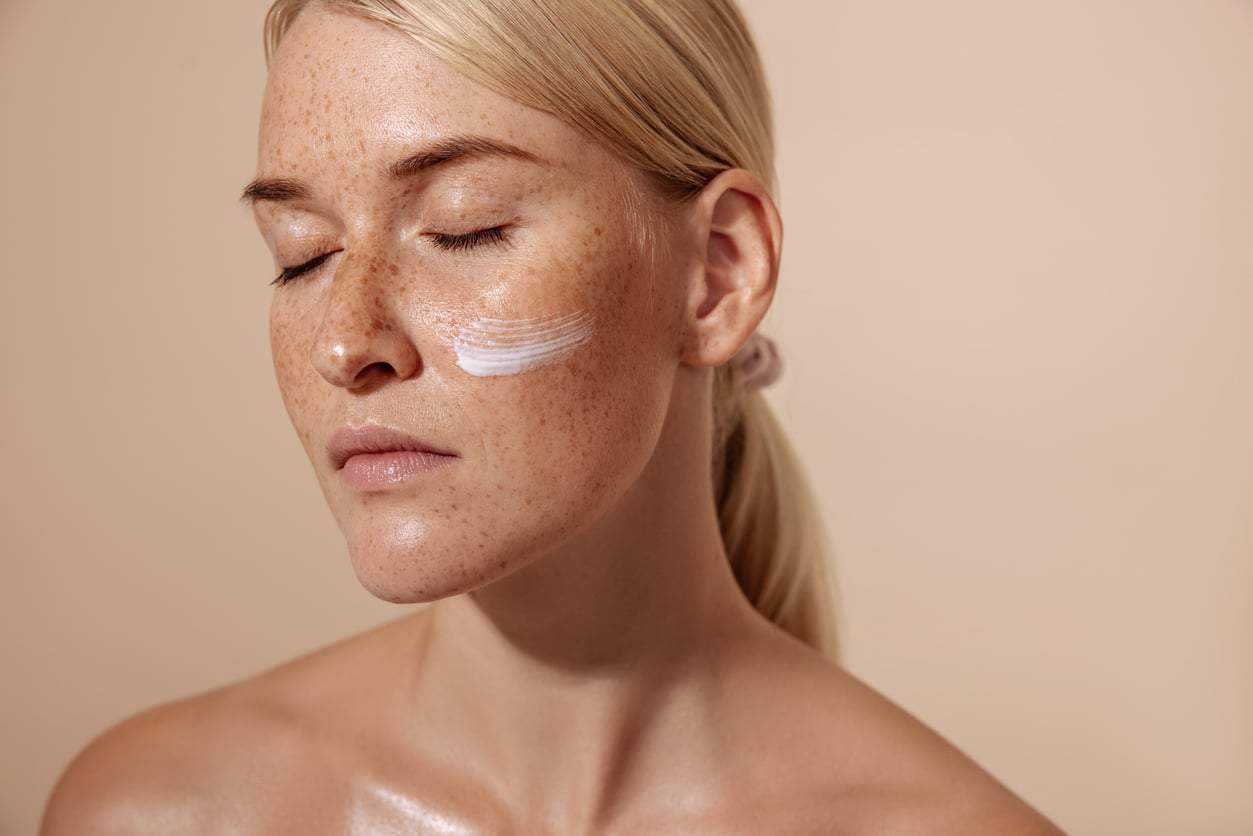
Scent needs something to hold on to, and that something is oil. Central heating starts in autumn, humidity drops, and skin gets thirstier without our really noticing. Perfume applied to dry skin evaporates off it at speed.
The fix is embarrassingly simple: moisturise the spot before you spray. An unscented body cream or a plain balm on the pulse points, left to sink in for a minute, will noticeably extend wear. If your fragrance comes with a matching body lotion and you have it, that's the ideal version, but any occlusive layer works. A tiny smear of plain petroleum jelly on the wrist before spraying is the old trick that still holds up.
Where you spray matters too. Pulse points are warm, which helps projection, but heat also burns through the top notes faster. Spraying somewhere slightly cooler and more covered — the inner elbow, the back of the neck under the hairline, the chest under a shirt — gives a lower, longer-lasting wear.
Let fabric do the work
Autumn's great advantage is that we are suddenly all wearing wool, cashmere and heavy cotton, and textile holds scent far longer than skin ever will. A light mist on a scarf, the inside of a coat collar, or the lining of a jacket can carry a fragrance through the whole day and greet you again the next morning.
Be sensible about it: spray from a distance, avoid silk and anything pale or delicate, as oils can mark, and test on an inside seam first. Hair is another excellent carrier — but spray perfume onto a brush rather than directly onto strands, because alcohol is drying, particularly if your hair is coloured.
The habits that shorten wear
Rubbing your wrists together after spraying is the classic one. It crushes the delicate top notes and speeds up evaporation; let the scent dry on its own instead. Storing the bottle on a sunny windowsill or on a shelf in a steamy bathroom degrades the composition over months, so a drawer or cupboard is kinder.
Applying to skin that's just been washed with strongly scented shower gel creates a muddle that fades into something generic. And spraying into the air and walking through it looks lovely in films but wastes most of the fragrance on your carpet.
How many sprays is actually enough?
Two to four is the usual honest answer, depending on concentration: an eau de parfum needs fewer than an eau de toilette, and anything labelled extrait or parfum may only need one. The better test is asking someone you trust rather than relying on your own nose, because scent fatigue sets in fast and the temptation to keep topping up is how people end up wearing far more than they realise.
Should I have a different perfume for autumn and winter?
You don't need a wardrobe of bottles, but one warmer scent alongside your year-round favourite genuinely earns its place, because heavier notes perform far better in cold air. An alternative is to layer — a warm, simple base such as a vanilla or amber under your usual fragrance gives the lighter scent something to anchor to and pushes it through the afternoon.