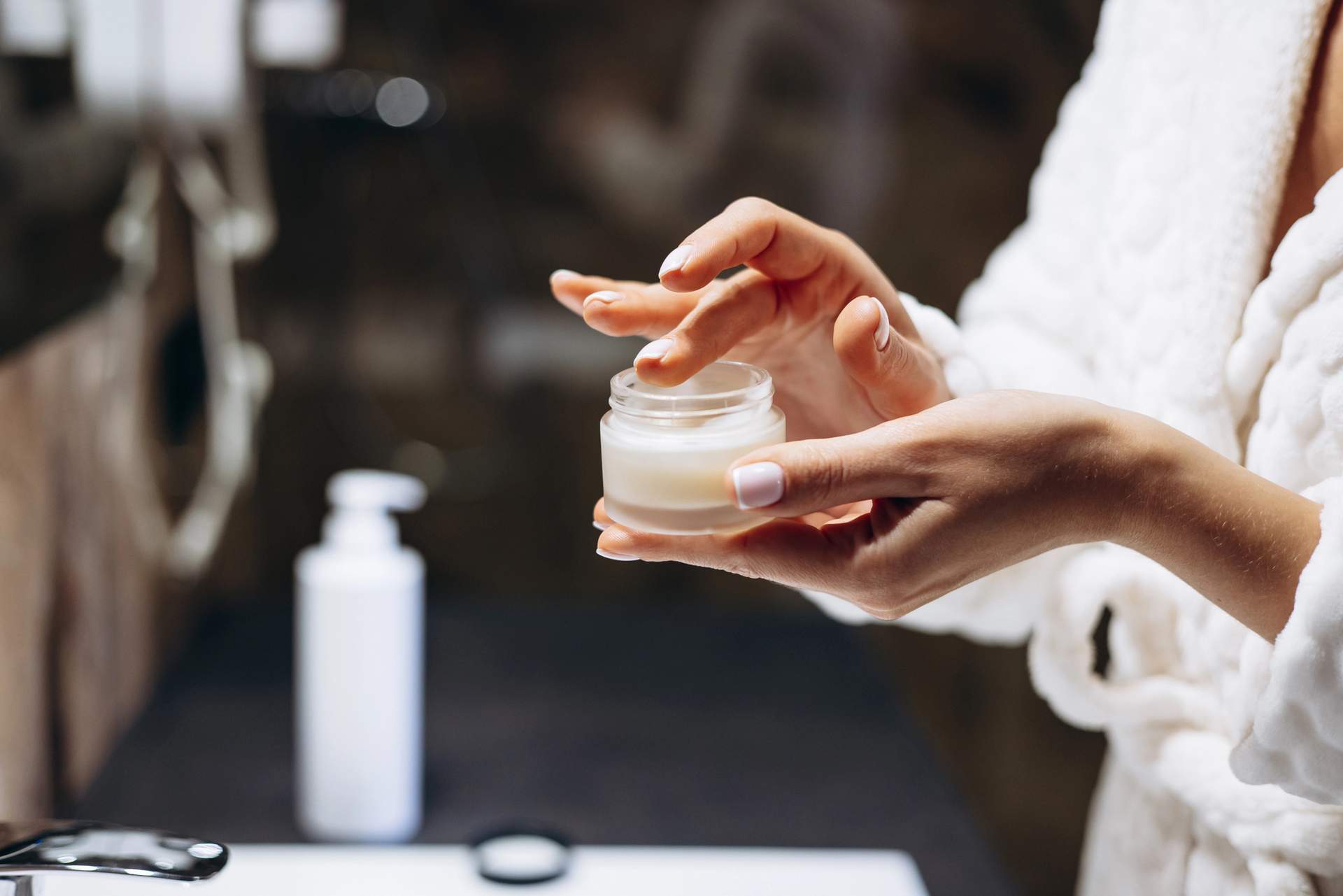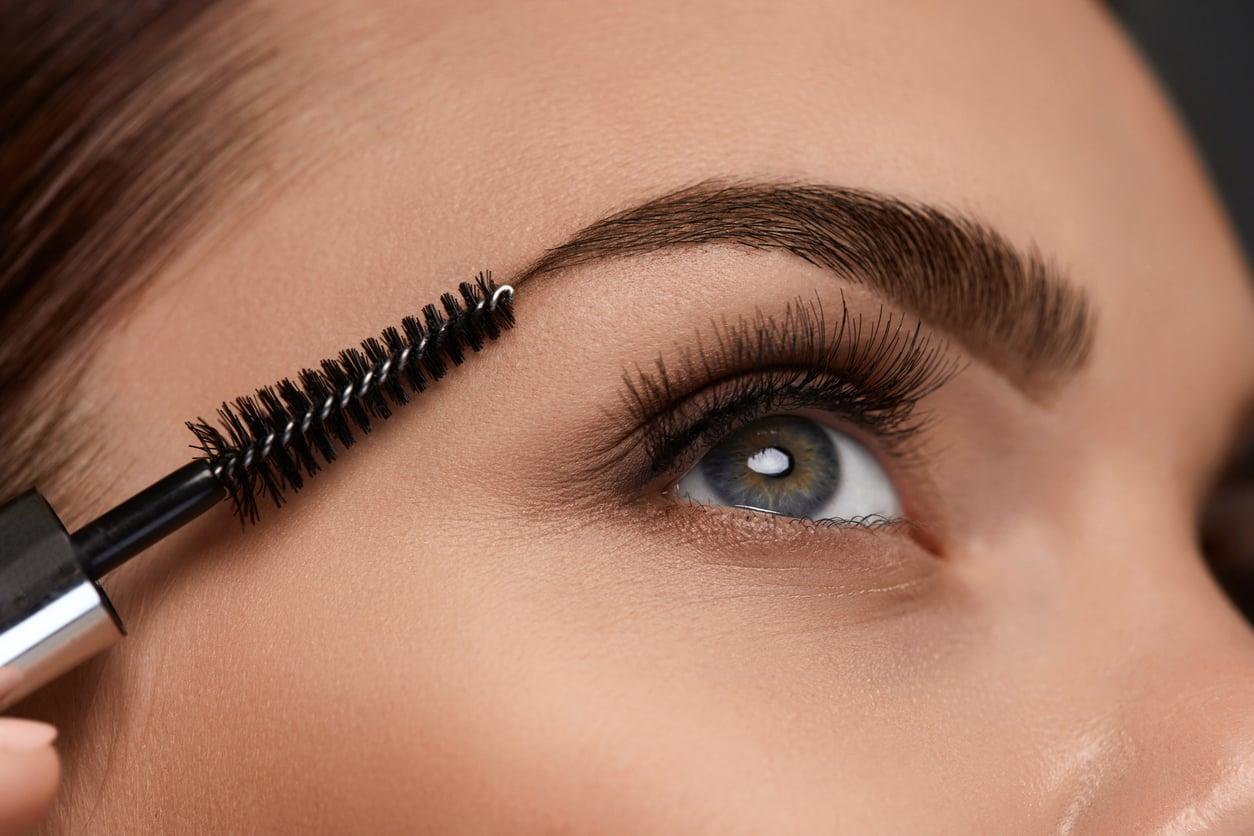
There is a particular week every autumn when you look in the bathroom mirror and think: what happened? The skin that behaved all summer is suddenly tight across the cheekbones, flaky at the sides of the nose, oddly shiny on the forehead, and dull in a way that no amount of highlighter seems to fix. Foundation that sat beautifully in September now clings to little patches. This is the thing people have started calling winter face, and it is less mysterious than it feels.
What cold weather is actually doing to your skin
Three things happen at once, and they compound each other. Outdoor air gets colder and holds much less moisture, so it draws water from whatever it touches, including you. Indoor air gets heated, which dries it out further, so there is nowhere to hide. And blood vessels near the surface constrict in the cold and then flush when you come back into a warm room, which is why so many of us go through winter looking either grey or blotchy with nothing in between.
Add the behavioural changes we make without noticing — longer, hotter showers, more washing-up in hot water without gloves, scarves rubbing the jaw, a wool jumper against the neck — and the skin barrier, the oily mortar that keeps water in and irritants out, starts to leak. Once that barrier is compromised, products that never stung before start to sting, and the flaking creates a rough surface that scatters light instead of reflecting it. That is the dullness. It is texture, not pigment.