The routine edits that make the biggest difference
Start with cleansing, because it is where most winter damage is done. If your face feels squeaky after washing, that feeling is not cleanliness, it is stripped lipids. Switch a foaming gel for a cream, milk or balm cleanser, at least in the evening, and wash with lukewarm rather than hot water. In the morning, many people with dry winter skin do perfectly well simply rinsing and going straight to moisturiser.
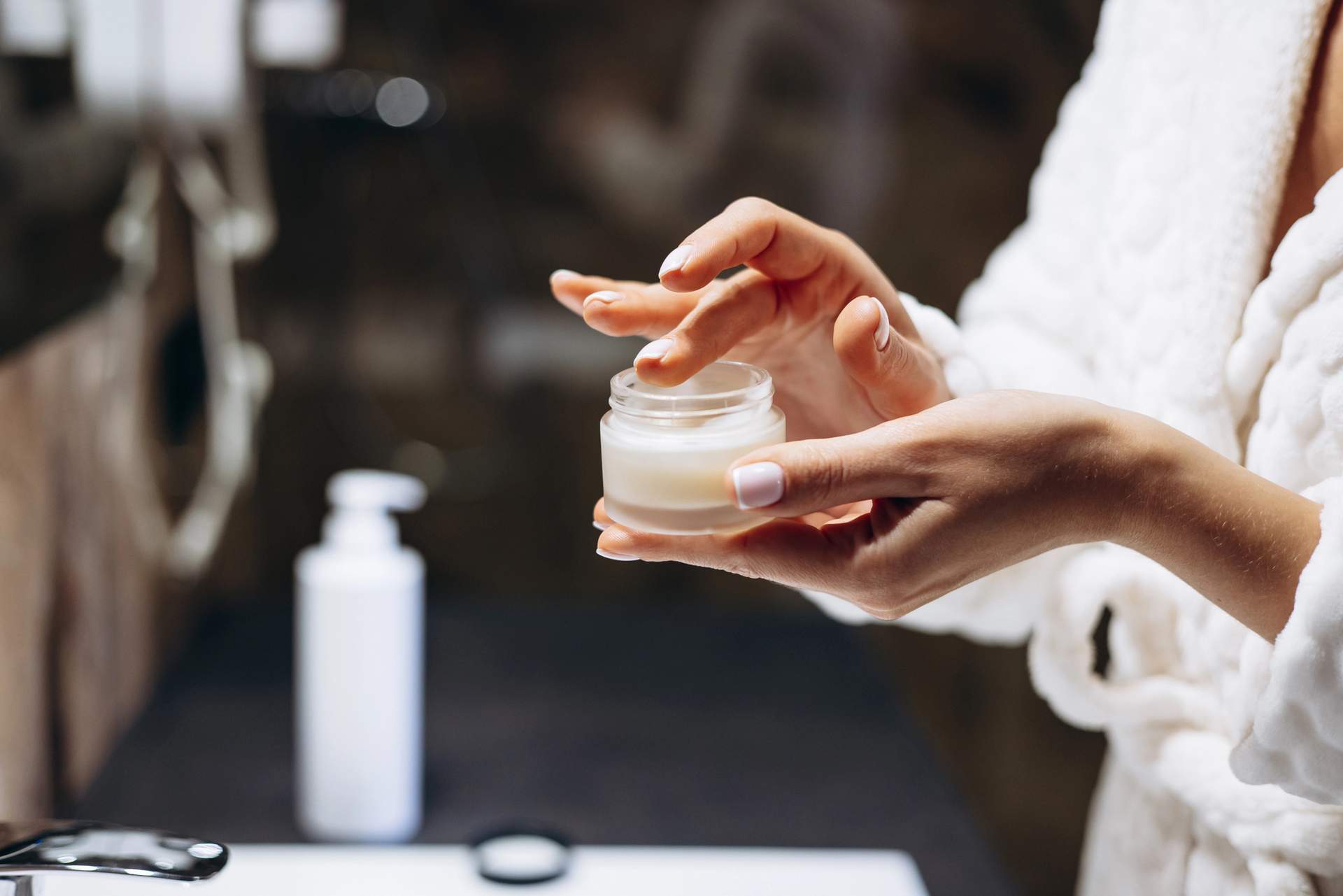
Second, think in layers rather than in one heavier cream. Apply a humectant — glycerin, hyaluronic acid, panthenol or a simple hydrating essence — to slightly damp skin, then seal it with something richer on top. A humectant alone in dry air can feel counterproductive; it needs a lid. For most people the lid is a ceramide-rich moisturiser, and for the very dry, a thin film of an occlusive balm over the top at night on the areas that crack: around the nostrils, the corners of the mouth, the eyebrows.
Third, pull back on actives before you decide they have stopped working. If you were using a retinoid four nights a week and an exfoliating acid on the others, winter is the moment to drop one of them and alternate rather than stack. Irritation looks remarkably like dryness, and treating irritated skin with more treatment is how people end up with a face that reacts to water. Keep your sunscreen, though — the light is lower but it has not gone away, and pigmentation does not take the winter off.