You're scrolling, you see a serum that promises to fix everything, and before you know it, it's in your cart. We've all been there. The truth is, skincare can only do so much — and not every trending ingredient deserves its glowing reputation. That doesn't mean these ingredients are useless. It means marketing has a habit of running far ahead of the science. With input from dermatologists, here are the ingredients surrounded by the most hype and the least hard evidence.
Hyaluronic acid
Hyaluronic acid has been crowned the ultimate hydration hero — the ingredient that instantly plumps, brightens, and turns back the clock. There's some truth to that, but dermatologists say it's nowhere near the miracle it's made out to be. The core problem is that most hyaluronic acid molecules are simply too large to penetrate deeply into the skin. They sit on the surface and hydrate from there.
The best formulas use multiple molecular weights — smaller molecules for deeper hydration, larger ones for surface protection. Even then, think of it as a hydration supporter, not a wrinkle eraser.
Collagen creams
The logic sounds perfect: your skin loses collagen, so you put collagen back in. Unfortunately, it doesn't work that way. Collagen molecules are too large to pass through the skin's outer layer, meaning they never reach the deeper layers where they're actually needed.
Collagen creams can soften the skin and create a temporary plumping effect, but they don't rebuild your collagen stores. If stimulating collagen production is your goal, retinoids and peptides are far more effective options — and a good SPF will protect the collagen you already have from UV damage.
Vitamin C
Vitamin C is one of the most popular skincare ingredients on the market, but experts say it's overrated — especially when it's treated as the only antioxidant worth caring about. Two key issues: first, vitamin C oxidizes quickly and loses its potency faster than most people realize. Second, the skin has vitamin C "reservoirs" that fill up, meaning daily application isn't even necessary — every other day is enough.
On top of that, it's not the most powerful antioxidant available. Green tea polyphenols, for example, offer a compelling and often overlooked alternative.
Niacinamide
Dermatologists actually like niacinamide — the problem is that it's everywhere, and people are using way too much of it. More is definitely not better here. Around 4% concentration is all your skin genuinely needs. Layer multiple niacinamide products or push the concentration too high, and the ingredient can become unstable, potentially causing breakouts and redness — the exact opposite of what you were going for.
Niacinamide is genuinely useful: it calms, protects, hydrates, brightens, and supports collagen production. But it's a supporting player, not a headliner. Helpful, yes. A miracle? No.
Over-the-counter retinoids
Retinoids have a well-earned reputation in dermatology, but they get overhyped the moment people assume that any retinoid product delivers prescription-strength results. OTC versions are significantly weaker — and that's not necessarily a bad thing. The best active ingredient isn't the strongest one; it's the one your skin can actually tolerate long-term without irritation.
The goal is skin renewal, not waking up every morning with a peeling, inflamed face. Consistency with a gentler formula will always outperform aggressive use of something too strong for your skin.
Azelaic acid
Azelaic acid has become a go-to for acne, rosacea, and hyperpigmentation in recent years, and it does have real benefits. But dermatologists point out that it's not powerful enough on its own to carry an entire skincare routine. Unlike alpha-hydroxy acids, azelaic acid doesn't exfoliate or stimulate collagen production. It's more of a calming agent that helps inhibit pigmentation.
Used alone, results tend to be modest — and it can cause irritation on certain skin types. As part of a broader, well-rounded routine, though, it earns its place.
Exosomes
Exosomes are one of the hottest new categories in skincare right now, but the science hasn't caught up with the marketing yet. Their effectiveness hasn't been conclusively proven, and many exosome products essentially function as a rich moisturizer — which isn't a bad thing in itself, but it raises a real question: is the often eye-watering price tag justified?
Promising, yes. Worth the premium at this stage? The evidence isn't there yet.
Activated charcoal
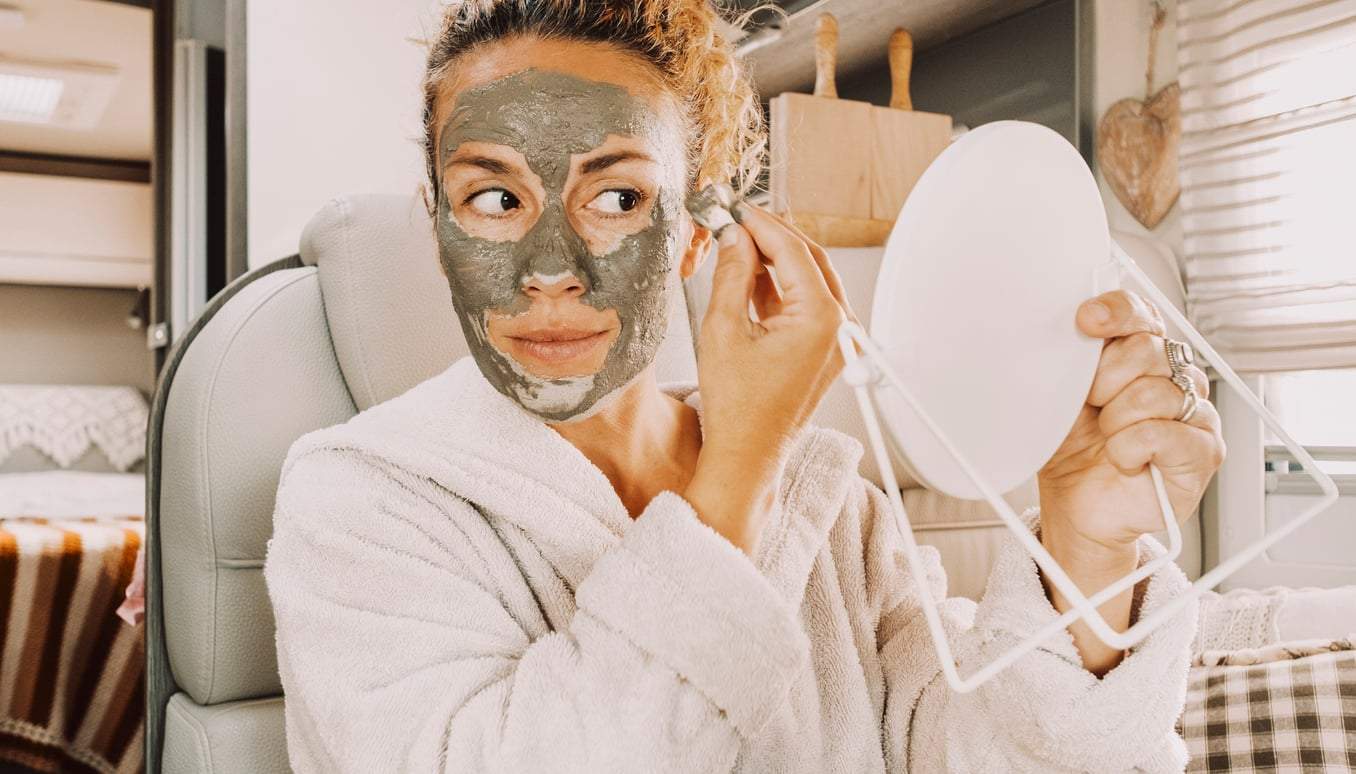
Activated charcoal has been the symbol of "detox" skincare for years, showing up in masks, cleansers, and scrubs. It can temporarily absorb excess sebum, which may benefit oily skin types — but many charcoal products are far too harsh and strip the skin's natural barrier. That tight, squeaky-clean feeling after use? It's not a sign the product is working. It's a sign your skin is dehydrated.
Gold-infused skincare
Gold creams, masks, and serums feel undeniably luxurious. But dermatologists are unconvinced by the benefits. There's no solid evidence that gold delivers meaningful improvements in wrinkles, elasticity, or overall skin health. In fact, for some people it can trigger irritation or an allergic reaction.
Gold in skincare is far more of a marketing statement than a skincare necessity. The packaging may be stunning — the results, less so.
The most effective skincare routine isn't the one with the most trending ingredients. It's the one built on consistency, proven actives, and a good SPF — every single day.