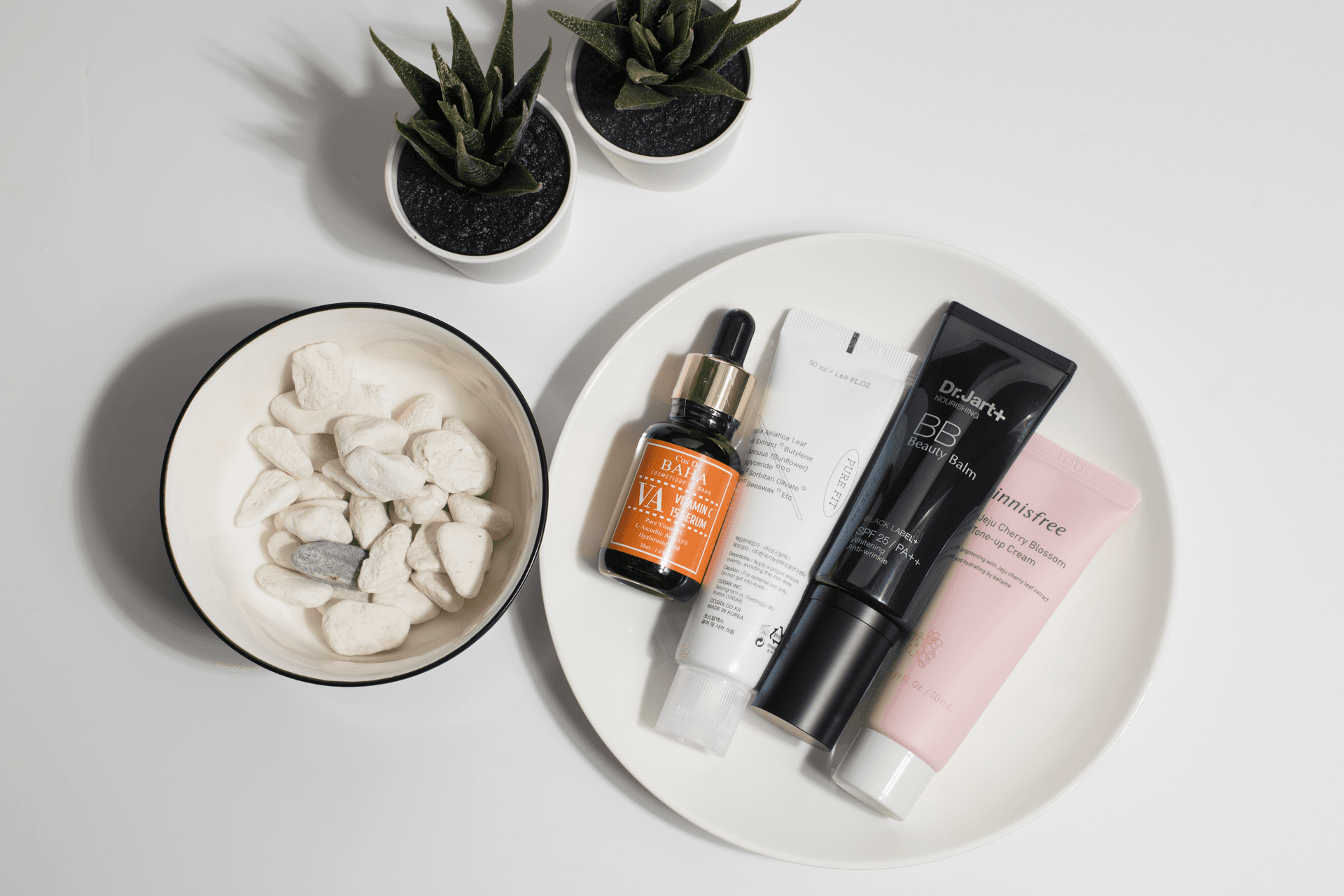
Your bathroom shelf is a treasure chest of powerful serums, so it feels logical to layer them all on at once and let your skin sort it out. But that's exactly where things go wrong.
Not all active ingredients get along. Some pairings are brilliant on their own, yet when they meet on your face they leave behind redness, flaking and a burning, stinging surface. This isn't a myth — it's a warning dermatologists repeat again and again.
Retinol and vitamin C: when two acidic powerhouses collide
Retinol and ascorbic acid (pure vitamin C) should, in theory, be a dream team. Both fight the signs of aging, just along completely different paths. The problem is chemistry: vitamin C truly works in an acidic environment (usually below pH 3), while retinol stays stable and effective at a more neutral, higher pH.
Put them on together and the acidic environment can break down or deactivate the retinol — all while your skin barrier struggles with two strong, irritating substances at the same time.
In practice, that means dry, tight, peeling skin, and for many people small red patches and a burning sensation on top of it.
This is exactly why dermatologists suggest splitting the two by time of day: vitamin C belongs in your morning routine, working as antioxidant protection against UV rays and pollution, while retinol fits the evening, when your skin repairs itself.
A routine doesn't become more effective just because you pile every active onto your skin at once. It becomes effective when you know when each one actually has room to work.
Retinol and AHA/BHA acids: double exfoliation, double risk
Glycolic acid, salicylic acid and their relatives act as chemical exfoliants, sloughing off the top layer of dead skin cells. Retinol, meanwhile, speeds up your skin's renewal process at the cellular level. Each one sensitizes the skin on its own — but used together, the outer layer's defenses drop dramatically and your skin barrier can be damaged.
This isn't just a theoretical worry. Plenty of dermatological reports and clinical observations note that using AHA/BHA and retinol at the same time significantly raises the odds of irritation, heightened sun sensitivity and micro-tears. Skin often looks thinner and more vulnerable, overreacting to the slightest cold, sunlight or even hard water.
If you want to keep both in your lineup, a few simple rules go a long way. And if you're curious about the everyday habits that quietly sabotage your skin, it's worth looking at the most common skincare routine mistakes too.
- If you want to use both, alternate your days: acid one evening, retinol the next.
- Never start with two new, strong actives at once — your skin needs time to adjust.
- After intense exfoliation, give your skin at least a day or two to rest before applying retinol.
Benzoyl peroxide and retinol: when the two simply cancel each other out
Benzoyl peroxide is one of the best-known allies of acne-prone skin, killing bacteria effectively, while retinol helps prevent new breakouts and reduces clogged pores. The catch? Benzoyl peroxide's strong oxidizing effect chemically breaks down retinol, making it unstable and dramatically reducing how well it works.
On top of that, both ingredients can be drying and irritating on their own, and used together your skin's protective layer barely gets a chance to recover. Redness, a tight, flaky surface and a burning sensation aren't the exception here — they're the rule.
Dermatologists recommend splitting these two by time of day as well: benzoyl peroxide in the morning, retinol in the evening — or, if even that doesn't feel safe enough, on separate days entirely.
What if you actually need both?
You don't have to give up any of these ingredients. You just have to fine-tune the order and the timing. A skincare routine isn't a competition where whoever crams the most actives into one bottle wins — it's a long-term process that should move at your skin's pace.
If you're unsure which combinations your own skin can handle, personalized advice from a dermatologist or skincare specialist is a far safer starting point than an online trend.
Can I ever use retinol and vitamin C on the same face?
Yes — just not at the same moment. Vitamin C works best in the morning as antioxidant protection, while retinol belongs in your evening routine when your skin repairs itself.
Why does mixing these actives make my skin red and flaky?
Each ingredient irritates the skin on its own. Combined, they overwhelm the skin barrier at once, leading to dryness, tightness, peeling, redness and a burning sensation.
Can I use AHA/BHA acids and retinol together?
It's best to alternate them on different evenings — acid one night, retinol the next. Using both at once sharply increases the risk of irritation, sun sensitivity and micro-tears.
Why shouldn't benzoyl peroxide and retinol go on together?
Benzoyl peroxide's oxidizing effect breaks down retinol and makes it unstable, so it barely works. Apply one in the morning and the other at night, or on separate days.