Somewhere in the last few years, the language changed. We stopped talking about having something done and started talking about maintenance — a schedule, a plan, a stack. One appointment leads to a top-up, the top-up reveals something else, and before long a woman who wanted to look less tired on Zoom calls has a standing calendar entry and a spreadsheet she doesn't show anyone. I hear versions of this constantly, and the honest conversations usually end the same way: I'm not sure I could tell you what any single one of these did.
This is not an argument against clinics. Plenty of women are delighted with what they've had done, and it is their face and their money. It is an argument for a slower entry point, because the stacking almost always begins with a mood rather than a plan — and a mood is a very expensive thing to treat.
Name the concern before you name the treatment
Try this before any booking. Write one sentence describing what you would like to be different, in the plainest words you have. Not "I want to look fresher." More like: "The lines between my brows are visible even when my face is relaxed." "My skin looks dull and slightly grey by mid-afternoon." "My jawline photographs softer than it did." "The pigmentation on my cheekbones is darker after this summer."
These four sentences point in completely different directions — some toward a professional, some toward sunscreen, sleep and time, and some toward simply having better lighting in your hallway. Vagueness is what gets you sold three things. Specificity is what lets you say no to two of them.
Then add a second line: how long has this bothered me? If the answer is since a bad photo on Sunday, wait a fortnight. If the answer is two years, take it seriously.
The unglamorous things that do most of the work
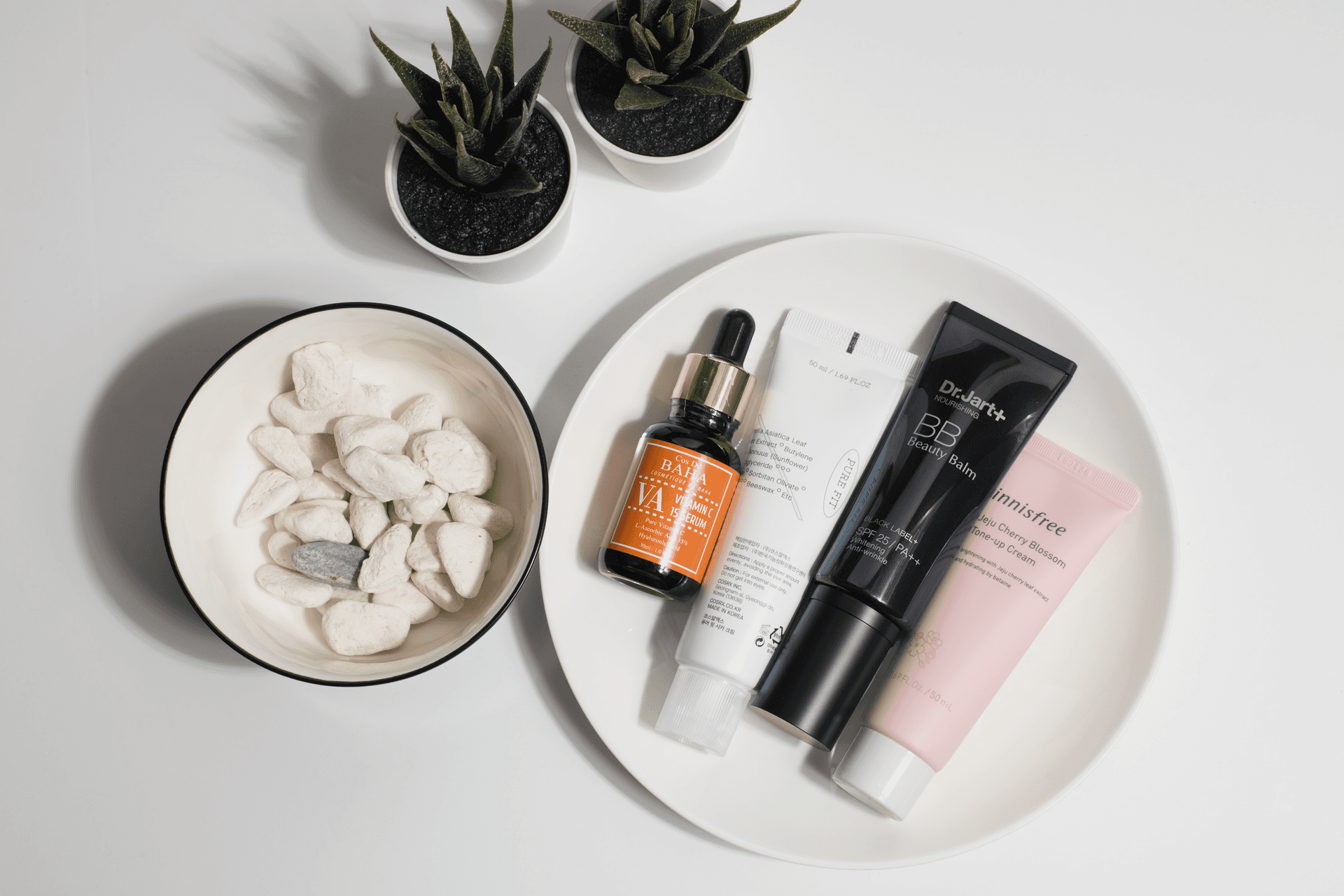
The dull truth is that the cheapest interventions have the widest effect, and they are the ones we abandon because they don't feel like an event. Daily sun protection on the face, neck and the backs of the hands does more for how skin looks over a decade than almost anything you can book. A gentle cleanser used properly rather than an aggressive one used apologetically. A moisturiser you actually enjoy applying, in enough quantity. Sleep, water, and a bit less alcohol in the week before anything you care about photographing.
Beyond that, the actives with the longest track records are the ones your pharmacist and dermatologist have been recommending for years — retinoids for texture and fine lines, vitamin C for brightness, azelaic and niacinamide for redness and tone. Introduce one at a time, slowly, and give it three months before you judge it. If your skin is reactive, or you're pregnant, or you're on medication, this is exactly the point to ask a dermatologist or pharmacist rather than a comment section.
And the least fashionable step of all: take a photograph in the same light, without makeup, every three months. Most of us can't remember our own face from spring. Without a reference, you will always feel like nothing is working, which is the emotional engine of stacking.
If you do go to a clinic, go like a client, not a patient in a hurry
Book a consultation with no treatment on the same day. That single boundary removes most of the pressure, because a good practitioner will happily discuss and then let you leave to think, and one who won't has told you something important.
Ask what the treatment does mechanically, how long the effect typically lasts, what the recovery looks like honestly, what it costs to maintain over a year rather than once, and what the plan is if you decide to stop. Ask who performs it and what their medical qualifications are. Ask to see results on faces roughly your age and skin type, not the most flattering case.
Then decide on one thing at a time, and let it settle fully before considering another. Stacking is not a strategy — it's what happens when nobody pauses long enough to assess.
How do I know if a treatment is worth the money?
Work out the annual cost, not the appointment cost, and compare it against what else that sum does in your life — because that comparison, not the price tag, is what tells you whether it fits. Then ask whether you could describe the result to a friend who hadn't been told what to look for; if the honest answer is no, and you've had it more than once, it belongs in the discontinued column rather than the maintenance one.
What should I ask at a consultation?
Start with three questions: what exactly are you treating, what happens if I do nothing, and what does this commit me to over the next twelve months. Follow up on qualifications, complication rates, and who you would call at nine on a Sunday evening if something went wrong — a practitioner who answers all of that calmly and in plain language is worth far more than one offering a discount for booking today.
The version of this that ages well
The women whose faces I quietly admire tend to have two things in common, and neither is a treatment list. They look after their skin unromantically and consistently, and they have stopped treating every new line as an emergency. If you only take one thing from all of this, let it be the pause: consultation now, decision in a fortnight. Most of the money that gets regretted is spent inside that gap.