You know the moment. The foundation goes on beautifully across your cheeks, then reaches the side of your nose, the outer corner of your jaw or that patch above your eyebrow, and suddenly it looks like sand caught in a puddle. You blend harder. It gets worse. By eleven o'clock the texture has been outlined rather than covered, and you conclude — wrongly — that you need a different bottle.
Almost every clinging base problem is a surface problem. Foundation is a film; it dries where it lands and grips whatever is loose. If the top layer of skin is thirsty and slightly rough after a summer of sun, salt water, air conditioning and enthusiastic exfoliating, the film will find it and cling. Change the surface and you can usually keep the foundation you already own.
Late-summer skin is drier than it looks
August skin is confusing. It can feel oily by mid-afternoon and still be dehydrated, because heat and air conditioning pull water out while the oil glands keep working. That combination produces the worst possible canvas: slick in the middle, tight and flaky at the edges. If you have also been using an acid toner, a retinoid and a scrub because your skin felt "congested", you may simply have sanded the surface into unevenness.
The first move is subtraction. Give the exfoliating acids and any grainy scrub a week off, keep your cleanser mild and lukewarm, and see how much of the patchiness quietly resolves. If flaking is persistent, itchy, spreading or accompanied by redness that does not settle, that is a conversation for a pharmacist or doctor rather than a makeup problem.
The ten minutes before the base
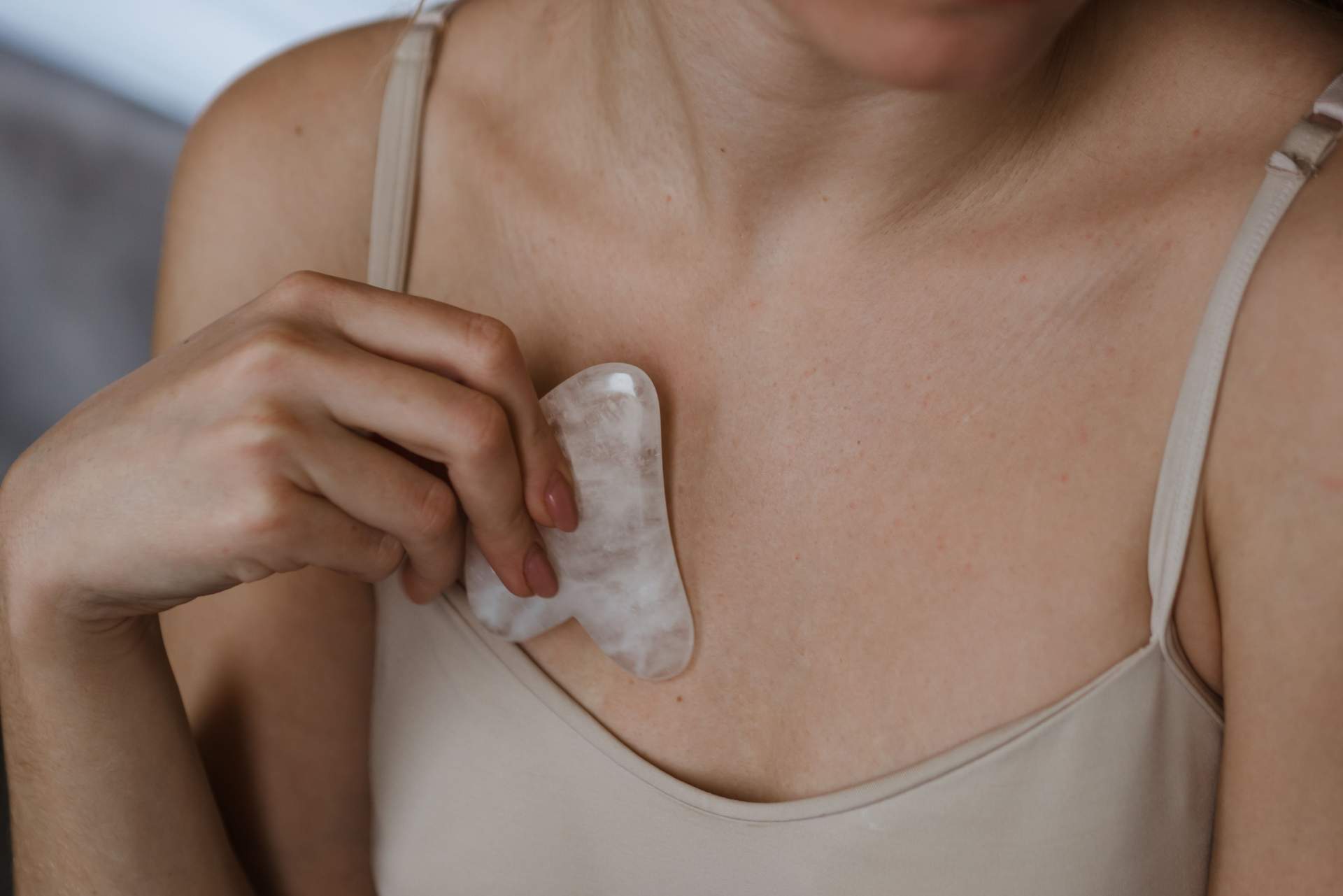
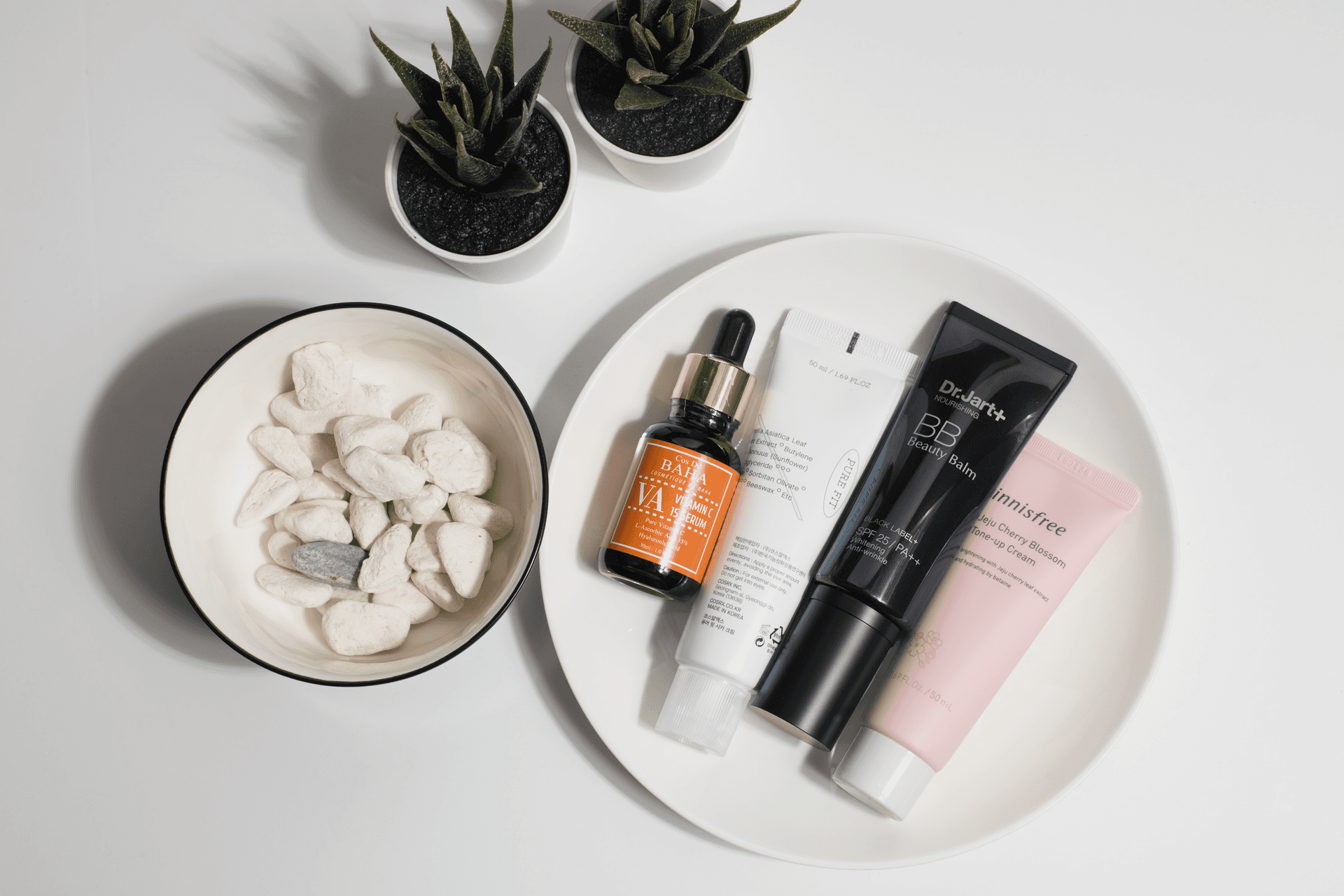
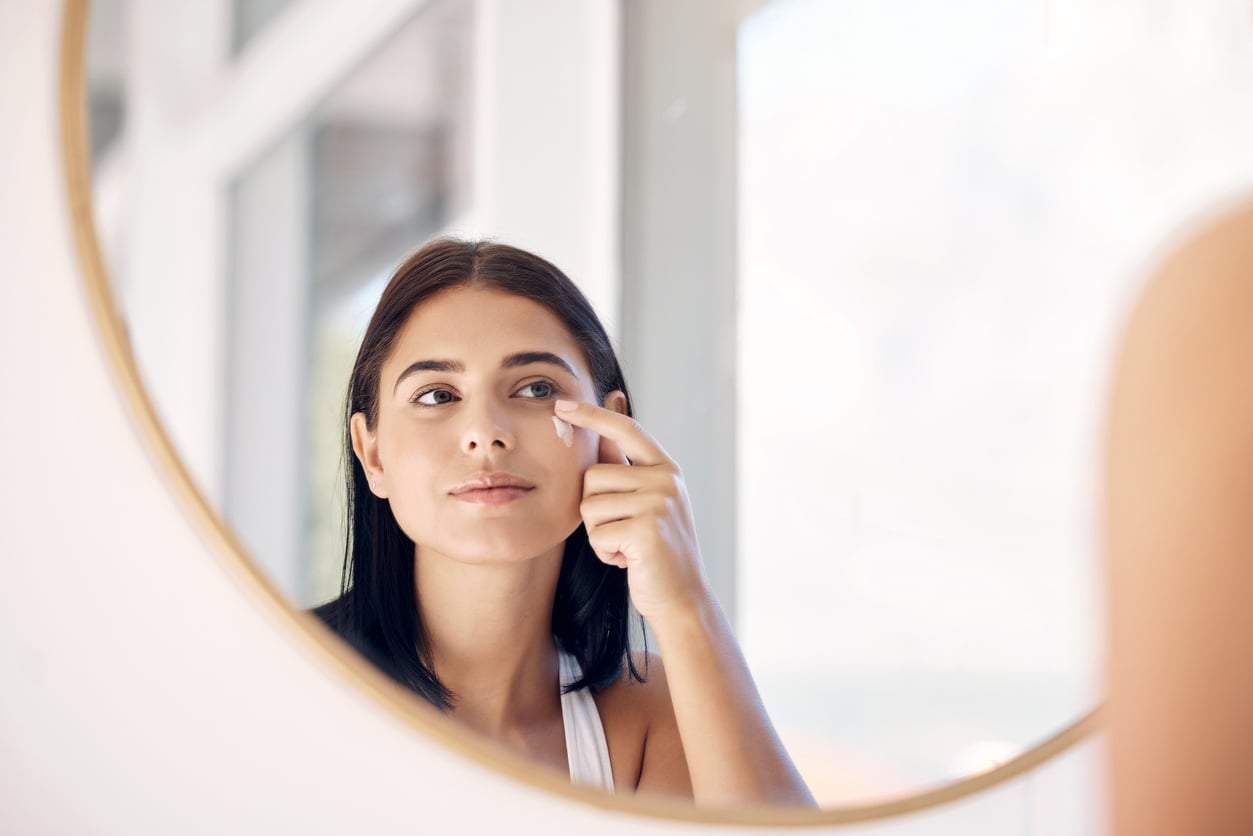
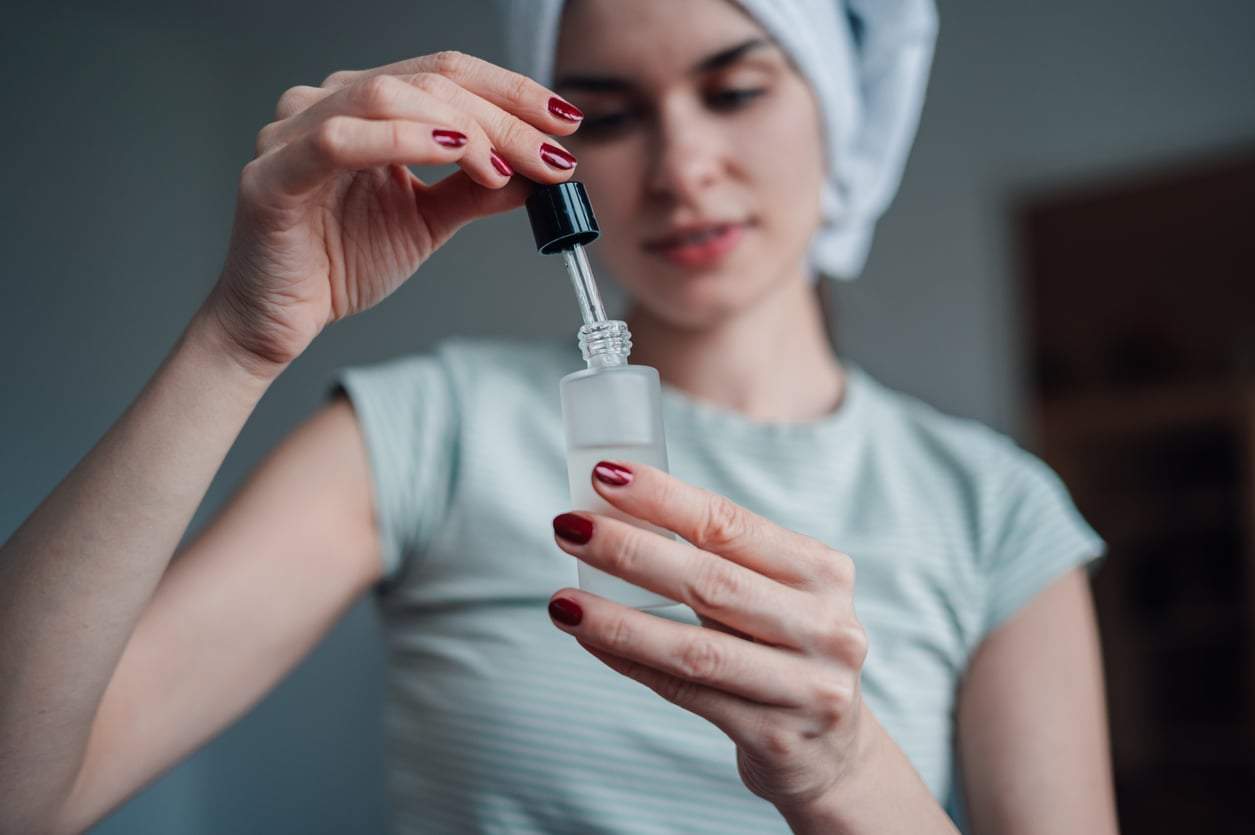
Sequence matters more than product count. Cleanse and, while skin is still slightly damp, apply a hydrating layer — a watery essence, a hyaluronic serum, anything humectant. Follow with a moisturiser that has some occlusive quality to it so the water stays put. On the specific dry spots, press in a very small amount of balm or rich cream with a fingertip and leave it to sink.
Then wait. This is the step everyone skips. Foundation applied onto tacky, half-absorbed skincare will pill, roll and cling, and no technique rescues it. Brush your teeth, make the bed, find your shoes — give it three to five minutes until the skin feels supple rather than damp. If you use sunscreen, that goes on before makeup and needs the same brief pause.
Choose a wetter formula and a lighter hand
Textures that stay flexible sit far better on rough skin than anything promising all-day matte transfer resistance. Look for skin tints, serum foundations, and creamy formulas that feel slippery rather than powdery when you rub a drop between your fingers. Long-wear matte bases set hard and fast, which is exactly the behaviour that highlights flakes.
Apply less than you think, and buff rather than drag. A slightly damp sponge, pressed and rolled over the dry zones, deposits product without lifting the surface; fingers work beautifully too because warmth helps the formula melt. Build coverage only where you want it, and leave the driest patch almost bare — nobody notices a lighter cheekbone, everyone notices texture.
Set only what actually moves. A whisper of finely milled powder in the T-zone or on the chin is enough; powdering the whole face is the fastest way to bring the patches back by lunchtime. If things do tighten during the day, avoid adding more foundation. Press a tiny amount of balm or a spritz of water-based mist into the area and pat it smooth.
Should I exfoliate more if my foundation keeps clinging?
It is the natural instinct and usually the wrong one. Flaking that appears after a hot, drying month is more often a barrier problem than a build-up problem, and scrubbing it away removes the intact skin along with the loose bits, guaranteeing the same result next week. Pull exfoliation back to once a week at most with something gentle, prioritise hydration, and reintroduce actives slowly once the surface is smooth again.
Can I still wear a matte foundation if my skin is dry?
Yes, if you prepare properly and apply it sparingly. Use a well-hydrated, fully absorbed base underneath, apply the matte formula only in the areas where you genuinely want shine control, and keep the dry zones for a lighter, dewier product — mixing two textures across one face is a perfectly respectable professional trick. A drop of facial oil or moisturiser mixed into the foundation on the back of your hand also loosens a stubborn matte formula considerably.