The ten minutes before the base
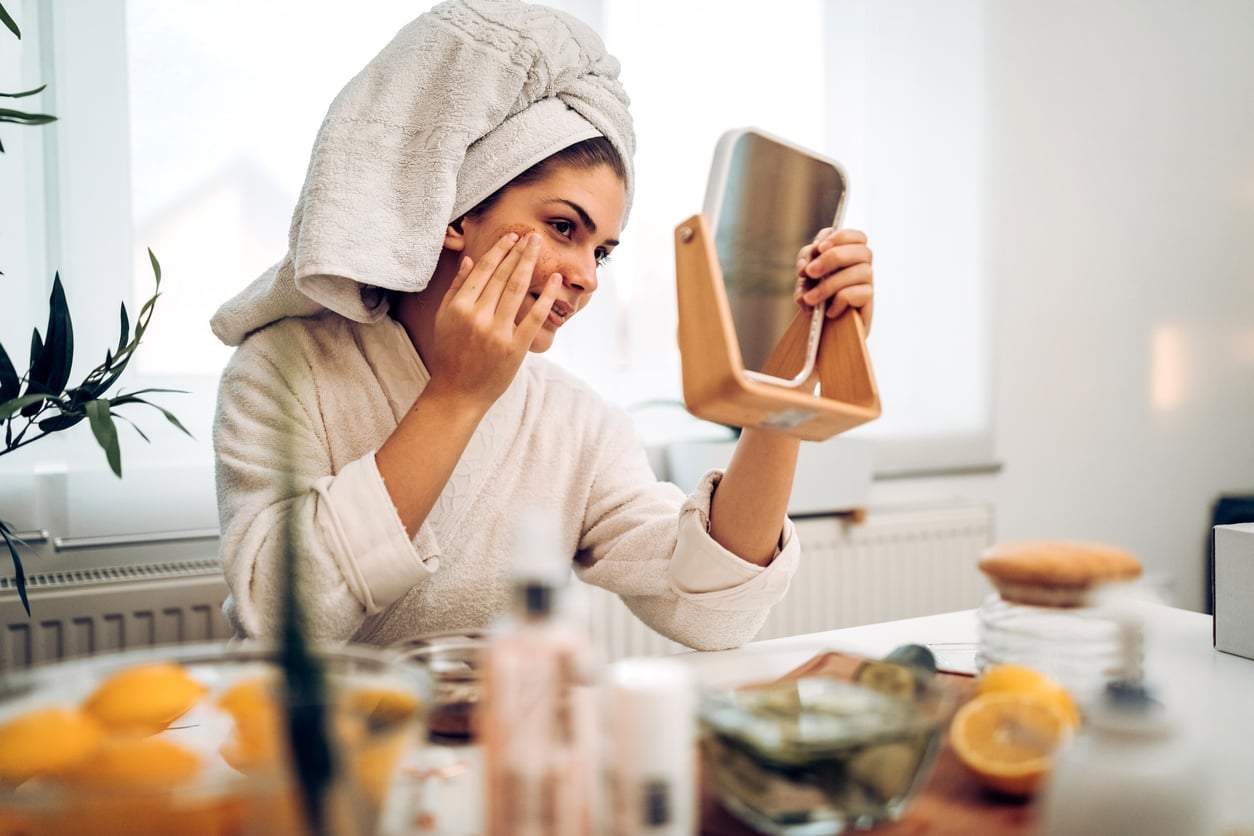
Sequence matters more than product count. Cleanse and, while skin is still slightly damp, apply a hydrating layer — a watery essence, a hyaluronic serum, anything humectant. Follow with a moisturiser that has some occlusive quality to it so the water stays put. On the specific dry spots, press in a very small amount of balm or rich cream with a fingertip and leave it to sink.
Then wait. This is the step everyone skips. Foundation applied onto tacky, half-absorbed skincare will pill, roll and cling, and no technique rescues it. Brush your teeth, make the bed, find your shoes — give it three to five minutes until the skin feels supple rather than damp. If you use sunscreen, that goes on before makeup and needs the same brief pause.
Choose a wetter formula and a lighter hand
Textures that stay flexible sit far better on rough skin than anything promising all-day matte transfer resistance. Look for skin tints, serum foundations, and creamy formulas that feel slippery rather than powdery when you rub a drop between your fingers. Long-wear matte bases set hard and fast, which is exactly the behaviour that highlights flakes.
Apply less than you think, and buff rather than drag. A slightly damp sponge, pressed and rolled over the dry zones, deposits product without lifting the surface; fingers work beautifully too because warmth helps the formula melt. Build coverage only where you want it, and leave the driest patch almost bare — nobody notices a lighter cheekbone, everyone notices texture.