Every summer, my skin runs the same tired script: it flushes red, dries out, then stays patchy and uneven for weeks after a day in the sun. At some point I got tired of guessing and started choosing my products more deliberately.
These aren't miracle cures. They're three ingredients that keep showing up in dermatologists' recommendations and on beauty shelves for good reason: vitamin C serum, centella asiatica, and the lesser-known but seriously interesting PDRN.
Why all three are having a moment right now
Summer skin faces completely different stress than it does in winter. UV rays, heat, air-conditioned offices and heavier sweating all pile onto the skin barrier, your skin's natural protective layer.
These three ingredients reinforce exactly where summer hits hardest. One boosts the effectiveness of your sun protection, another calms inflammation, and the third supports the skin's ability to renew itself.
Vitamin C serum: more than a sunscreen sidekick
Vitamin C has been a skincare staple for years, but summer is when it truly earns its place. As a powerful antioxidant, it neutralizes the free radicals triggered by sunlight and polluted air, while brightening your complexion and fading dark spots over time.
Applied in the morning under your sunscreen, it works like an almost invisible layer of armor throughout the day.
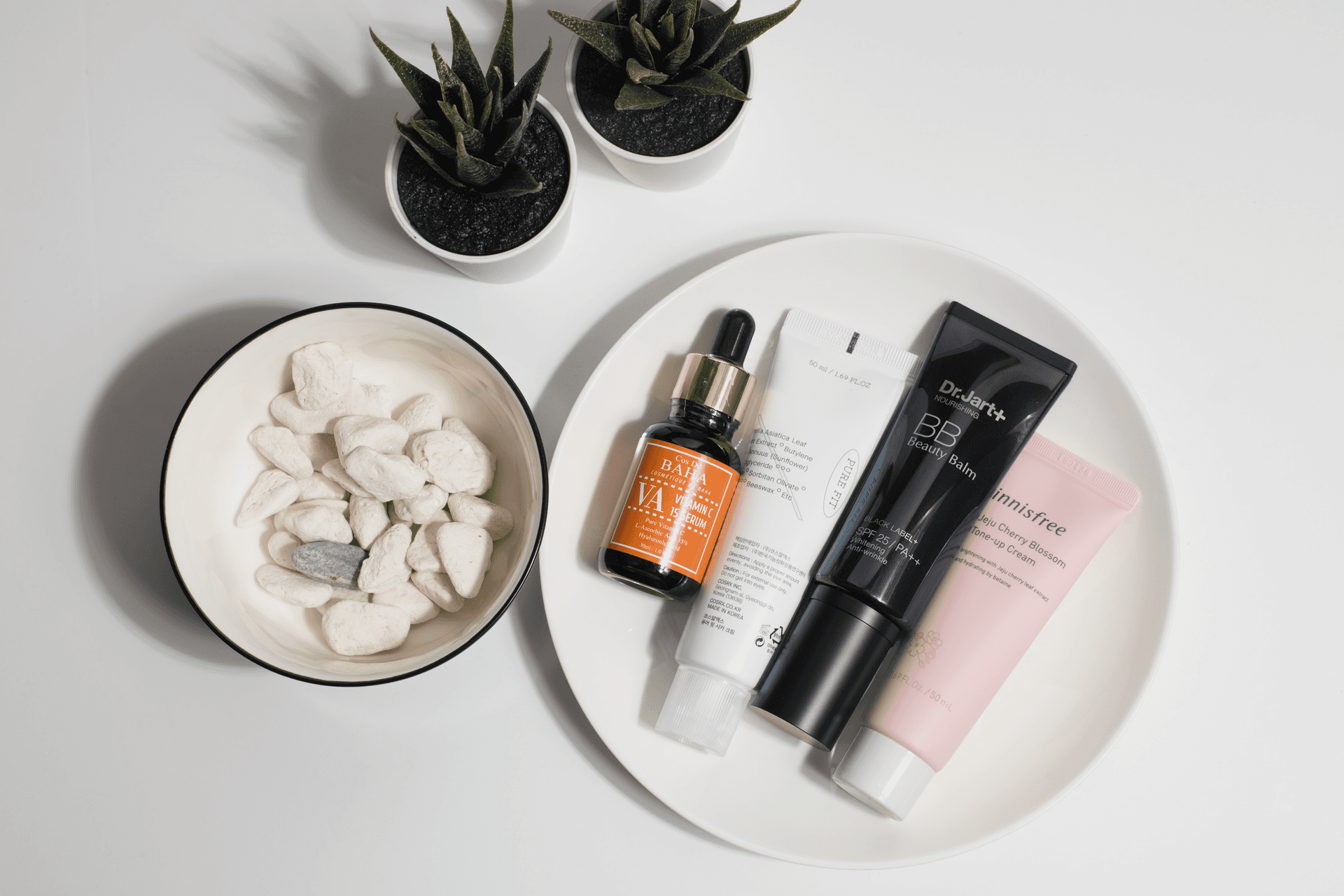
One thing matters a lot: look for a serum in dark, airtight packaging. Vitamin C is extremely sensitive to light and air, and it oxidizes quickly. If the product changes color and takes on a brownish tint, it's time to replace it, because its effectiveness has already dropped significantly.
Centella asiatica: the calming super-ingredient
Centella asiatica, better known as tiger grass, has been a mainstay of Asian skincare for a long time, and in recent years it has exploded in popularity across the rest of the world too. It's brilliant at soothing sun-stressed, red and irritated skin, and it supports the skin's natural recovery process.
You'll often find it in after-sun creams, face masks and serums. If you're prone to redness or have sensitive, reactive skin, centella-based products can be an almost essential part of your summer routine.
PDRN: the new name worth remembering
PDRN, short for polydeoxyribonucleotide, is an active ingredient derived from salmon roe. It first became popular in medical products designed to speed up wound healing, but today it's making its way into the beauty world too. It stimulates cell renewal and collagen production, which can leave skin looking firmer and plumper.
It's still less common than vitamin C or centella in many markets, but more and more serums and ampoules now feature it from widely available brands. Start slowly with a small amount and watch how your skin responds before applying it all over your face.
How to fit all three into your summer routine
The good news is that these three ingredients don't compete with each other. In fact, they complement each other beautifully. In a typical morning routine, vitamin C serum goes on first, over freshly cleansed skin, followed by your sunscreen. In the evening, after sun exposure, centella or PDRN-based products can help your skin repair itself overnight.
There's no need to introduce all three at once. Try them one at a time and give it two to three weeks to see how your skin reacts before making any of them a permanent part of your regimen.
Can I use all three ingredients on the same day?
Yes. They complement rather than compete with each other. A simple approach is vitamin C in the morning under sunscreen, and centella or PDRN in the evening after sun exposure.
How do I know if my vitamin C serum has gone bad?
Watch the color. If the serum changes shade and turns brownish, it has oxidized and its effectiveness has dropped significantly, so it's best to replace it.
Which ingredient is best for sensitive, easily reddened skin?
Centella asiatica, or tiger grass, is especially good at calming sun-stressed, red and reactive skin, which makes it an almost essential summer addition for sensitive skin types.
Is PDRN safe to start using right away?
Introduce it gradually. Begin with a small amount and observe how your skin responds before applying it across your whole face.