There's something about bronzer that makes almost everyone nervous the first time. Too dark. Patchy. Orange. Those are the exact fears that stop people from ever reaching for it. And that's a shame — because bronzer is one of the most flattering products you can own, once you know how to use it.
Applied well, it gives your skin warmth, depth and that unmistakable "just back from vacation" glow — without anyone realizing you're wearing makeup at all. And here's the secret most people miss: it's rarely about the product itself. It's about how and where you put it.
Where should bronzer actually go?
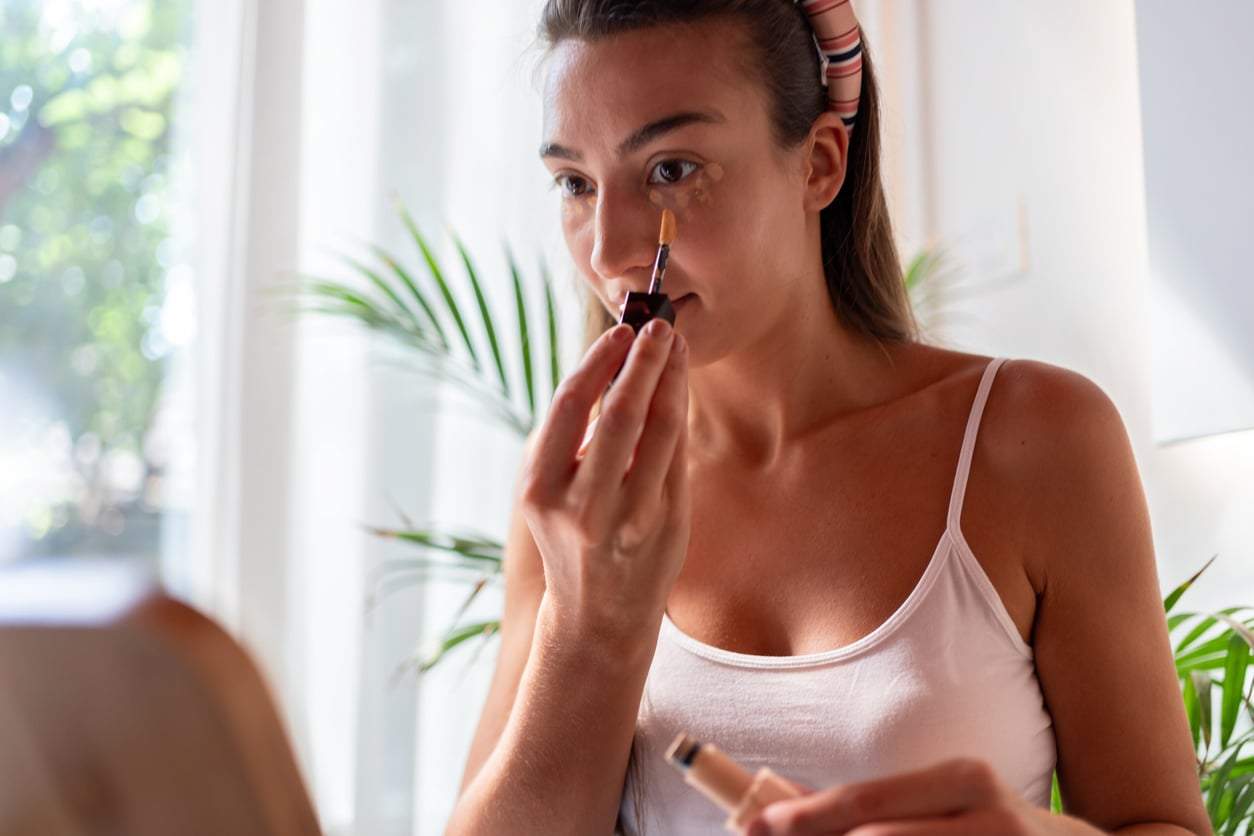
The golden rule is simple: apply it where the sun would naturally hit your face. According to makeup artist Jamie Genevieve, that means the top of the forehead, the cheekbones, the bridge of the nose, and just a touch on the chin.
"I always start at the cheekbones, working inward in small circular motions. That way you're shaping the bronzer to your face and adding this beautiful, natural warmth to the skin."
If you have a wider forehead, it's worth concentrating more on the sides of the temples and just under the jaw.
"For a wider forehead, sweep it across the top in a half-moon shape and blend it into the hairline." — makeup artist Chelsea Roach
There's a clever trick along the jawline too: take your bronzer behind the ear and trace it along the underside of the jaw. It adds a surprising amount of definition.
Before you dive in, though, one thing needs clearing up. Bronzer and contour are not the same thing — even if more and more people are now skipping contour altogether and working with bronzer alone. The two products do completely different jobs and belong in completely different places. If you're curious, take a look at our guide to effortless, minimalist makeup.
Bronzer adds warmth and a sun-kissed effect, and it goes on the higher points of the face — the areas the sun would touch. Contour, on the other hand, mimics shadow. It sits below the cheekbone, along the sides of the nose and the jawline, and it's usually a cooler, greyer tone. Swap the two by accident and your face can quickly look heavy and drawn — which is exactly why it pays to know which one goes where.
Where bronzer should never go
Knowing where not to put it is just as important as knowing where to apply it.
"I avoid the center of the face and the area right under the cheekbone. If bronzer lands there, it drags the features downward and makes everything look heavy. If you want to lift the face, keep it high on the cheekbones." — London-based makeup artist Keeley Wilson
How to choose the right shade
When it comes to shade, let your skin's undertone lead the way. If you have a rosy undertone, reach for a bronzer with cooler, pinkish tones. If your undertone is golden, go for something warm and golden.
As a general rule, aim for a bronzer that's about two shades darker than your natural skin tone.
Go too dark and the face looks heavy — but the right shade gives nothing but warmth and depth.
Application and the brush that changes everything
The tool you use matters just as much as the shade you pick. Here's how to match your technique to your formula:
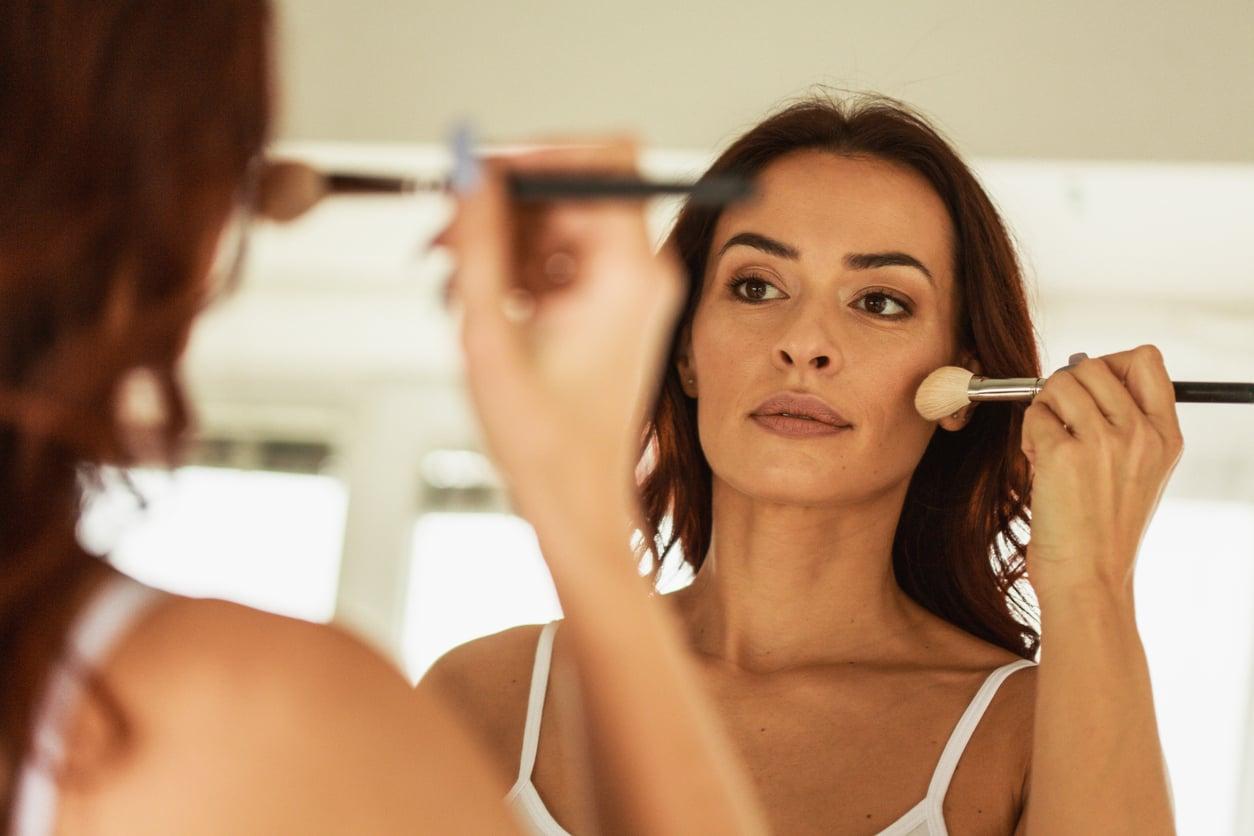
- For powder bronzer, a larger, loosely bristled brush is your best friend. It picks up just the right amount of product and gives the most natural finish.
- Cream bronzer is best applied with a damp beauty blender, so it melts smoothly into the skin without leaving streaks. Cream formulas are also more pigmented than powders, so a little goes a long way.
- With liquid bronzer, use pressing and dabbing motions — never drag the product, or you'll end up with streaks. A synthetic, angled brush works best for precise placement.
The finishing touch
Once the bronzer is on, a little highlighter and blush on the highest point of the cheekbone brings the whole look together. Bronzer delivers the warmth; blush and light add the vibrancy that makes your face look healthy and fresh.
Because bronzer isn't there to darken your face — it's there to breathe life into it. Follow these steps and you're all but guaranteed a warm, natural glow. Exactly the kind you'd have if you'd just come back from a long, sunny vacation.
Is bronzer the same as contour?
No. Bronzer adds warmth and a sun-kissed effect on the high points of the face, while contour mimics shadow in a cooler tone and sits below the cheekbone, along the nose and jawline. They serve different purposes and go in different places.
What shade of bronzer should I choose?
Start with your undertone — pinkish bronzer for rosy skin, warm golden tones for golden undertones. As a general rule, go about two shades darker than your natural skin tone.
Which brush works best for bronzer?
It depends on the formula. Powder bronzer suits a large, loosely bristled brush, cream works best with a damp beauty blender, and liquid is easiest to place with a synthetic, angled brush using pressing motions.
Where should I avoid applying bronzer?
Steer clear of the center of the face and the area directly under the cheekbone. Bronzer there drags your features down and makes the look heavy — keep it high on the cheekbones to lift the face instead.