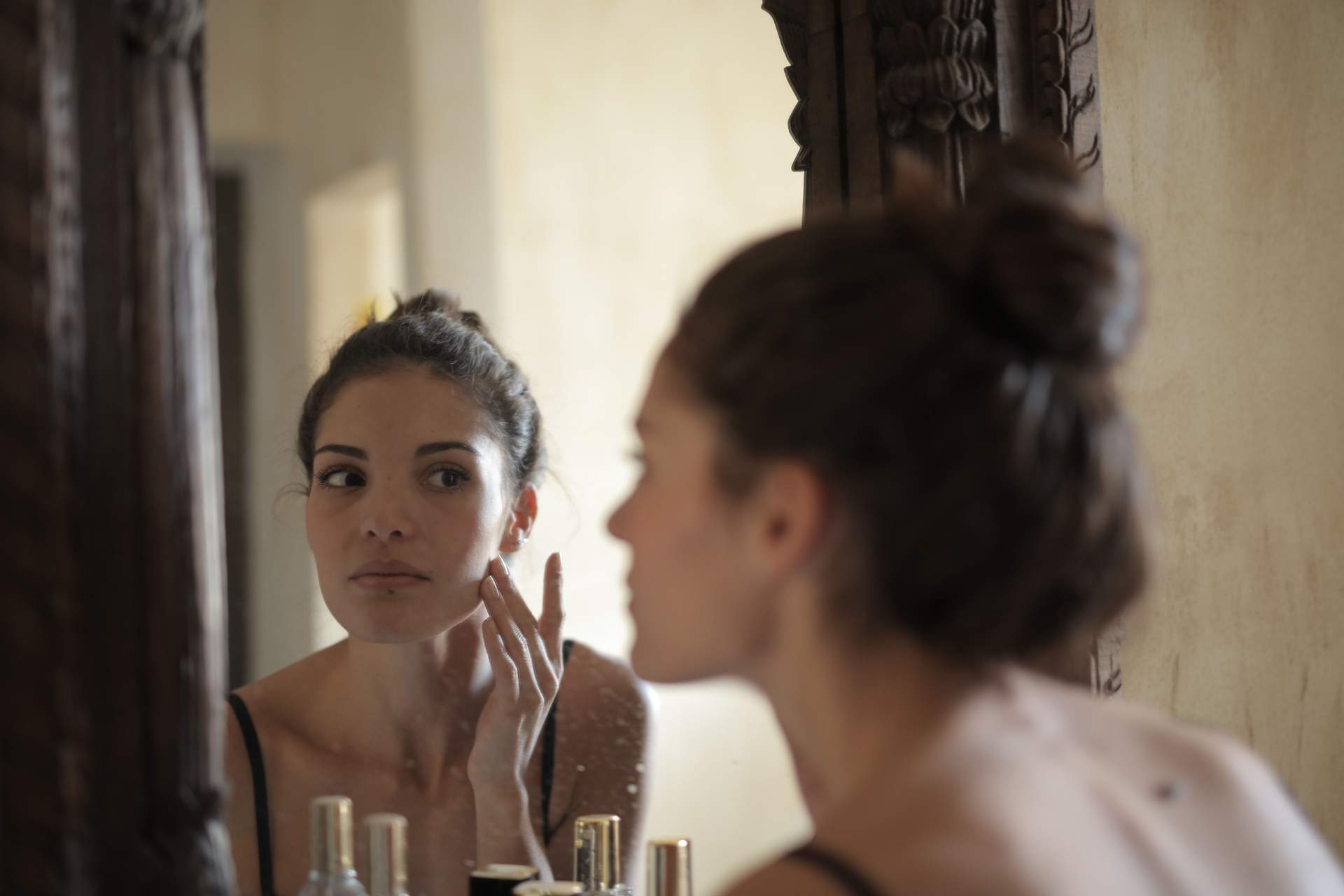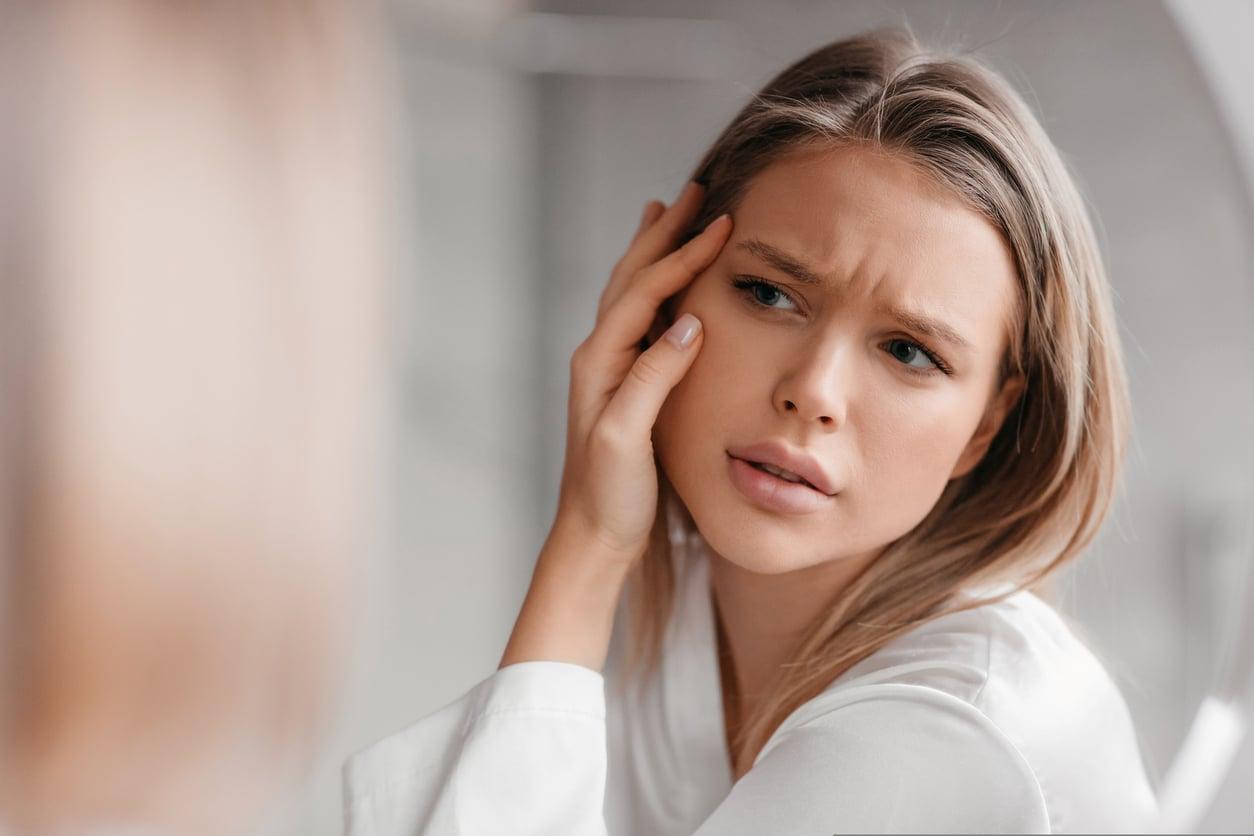
You buy a product because everyone loves it. It's all over your social media feed, influencers swear by it, and the reviews are glowing. Then you put it on — and somehow it just doesn't look the same on you. Here's the thing: the product probably isn't bad, and your technique is most likely fine. The real issue is that the formula simply isn't compatible with your skin type.
Large pores are a skin characteristic, not a flaw. But certain makeup products can make them look dramatically more visible — turning your skin into an orange-peel texture even on a good skin day. Most people blame themselves when this happens, assuming they're applying it wrong or that makeup just "isn't for them." In reality, it almost always comes down to one thing: the wrong texture for your skin.
Once you understand how your skin behaves, everything changes. So why do some products make pores so much more noticeable? It comes down to three things: product settling into pores, formulas that amplify texture, and light that casts sharp shadows across the skin's surface.
The two biggest culprits are high-shine formulas and thick, greasy textures. Luminous products act like a flashlight on your face — they highlight every dip and imperfection. Heavy, creamy formulas slide into pores and stay there, especially as your skin warms up throughout the day and starts producing sebum.
Why glowy and dewy products work against you
Dewy, glow, and luminous foundations have been among the most popular makeup products in recent years — and for good reason. On many skin types, that lit-from-within effect looks genuinely beautiful. But on larger pores, the same light that looks fresh and youthful on others magnifies every tiny indentation on your face.
The same goes for liquid luminizers — those base products applied under or over foundation to boost radiance. The more concentrated the glow and the oilier the texture, the more likely your pores will be the most prominent feature on your face by midday — not your makeup.
Highlighter is one of the most common mistakes people with larger pores make — not because it's inherently bad, but because most popular formulas contain coarse, chunky shimmer particles that don't sit on top of the skin. Instead, they physically fall into pores and glitter from inside them. The result is nothing like the soft, healthy glow you see in ads. It's an effect that amplifies every texture and imperfection on your face.
Pressed, heavily pigmented highlighters are especially tricky because they're hard to apply with a light hand — and just a fraction too much tips the whole look over the edge. The truth is, most people with larger pores don't need highlighter at all. A well-chosen foundation and primer combination already creates a beautiful, even surface that looks far better than any added shimmer. If you really want that glow, opt for a cream-based formula instead — it's much easier to control and blends more naturally into the skin.
What actually works for larger pores
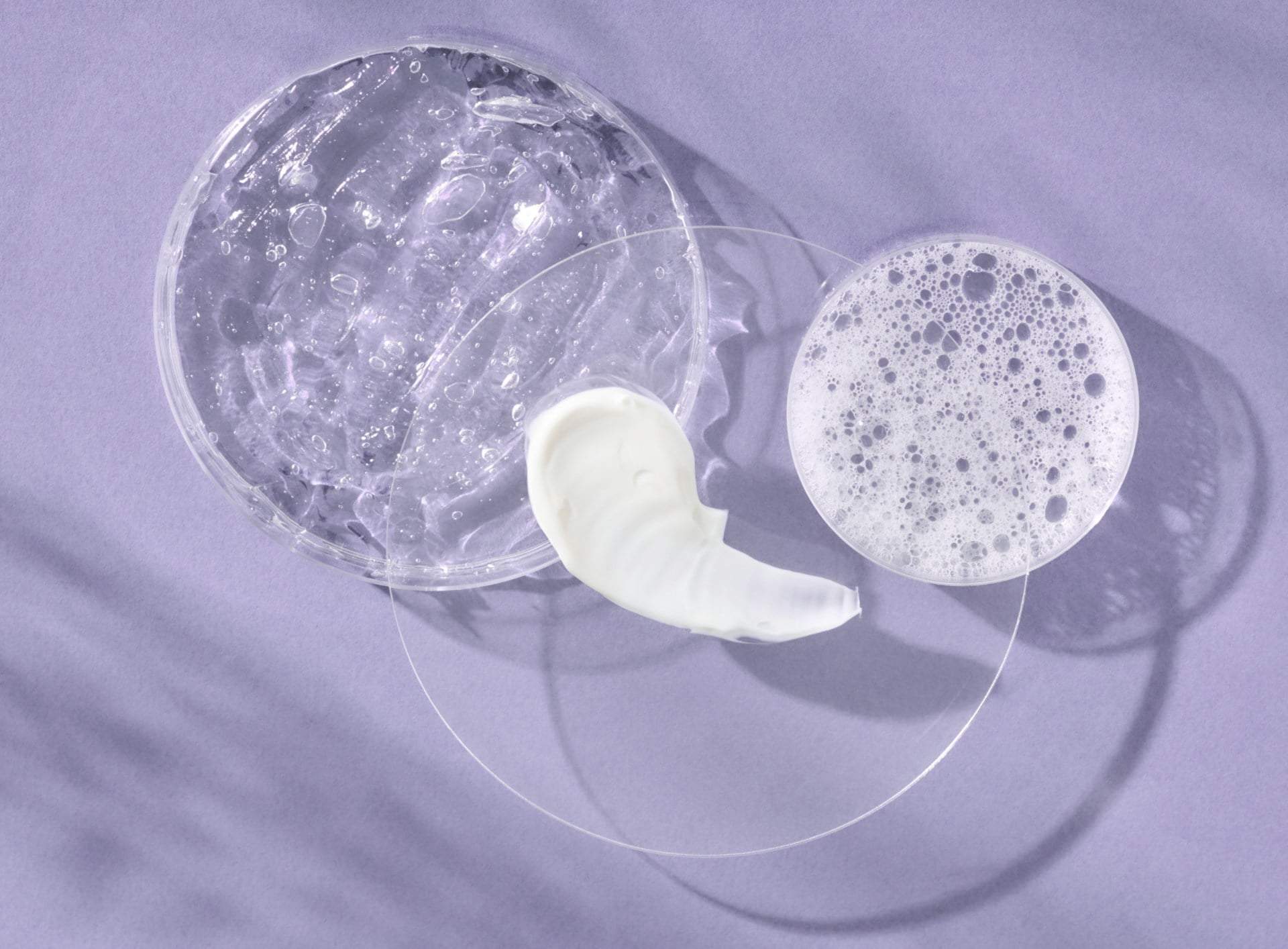
Skin with larger pores needs a matte or satin finish — never an overly luminous one. Before foundation, the single most effective step is applying a silicone-based pore-minimizing primer. It optically fills in the surface, creates a smoother canvas, and helps your foundation last significantly longer without breaking down.
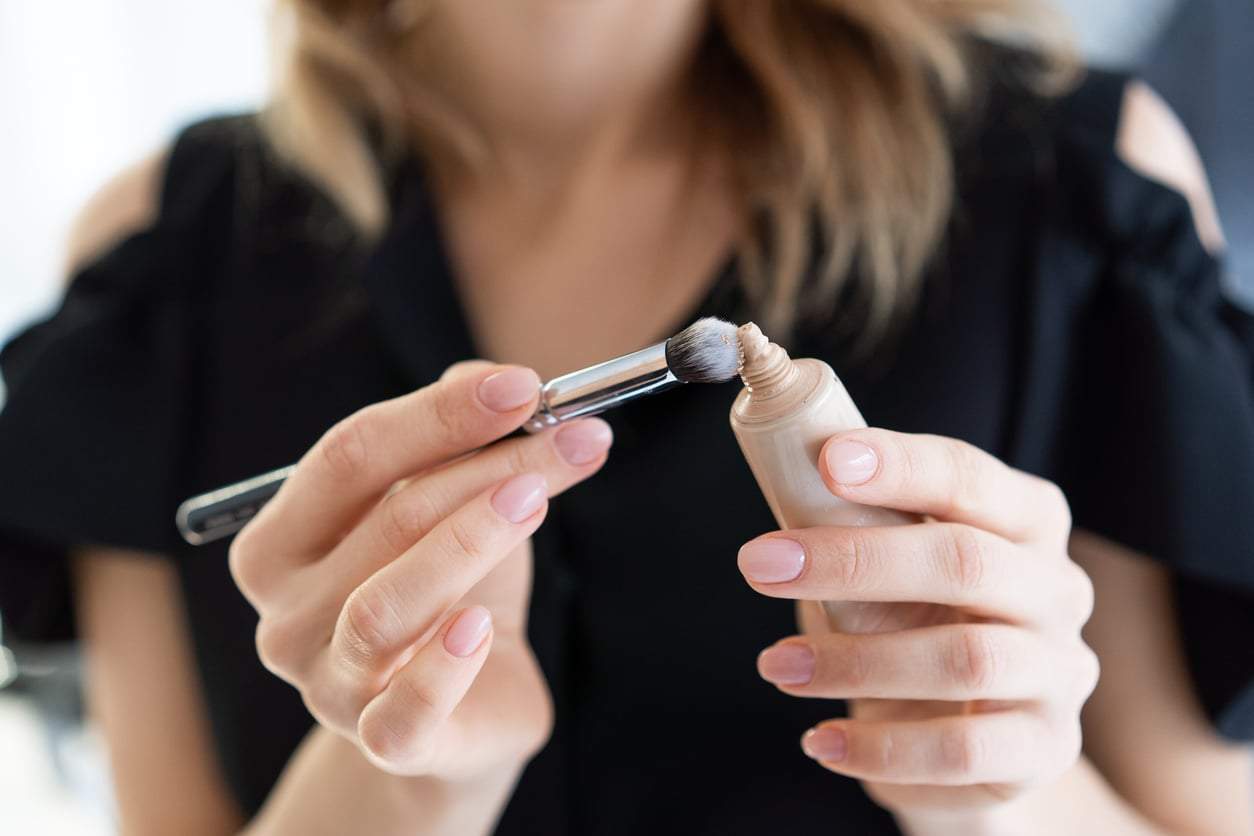
For foundation, lightweight, water-based formulas are your best friend. They don't migrate into pores throughout the day the way heavier formulas do. The goal isn't maximum coverage — it's an even, uniform surface. A buildable, medium-coverage product applied in thin layers will always look better than one thick coat of a full-coverage formula.
A setting powder can also make a real difference — but only if you choose a finely milled, translucent version and apply it with a light, pressing motion rather than dragging or packing it in. Too much powder can paradoxically make pores look more visible, not less, so a little goes a long way.
All-over shimmer rarely works well on larger pores — but that doesn't mean your makeup has to look flat or lifeless. The right primer and foundation combination on its own creates a natural, polished finish that looks far more refined than any glow product applied on top. Sometimes, less really is more.