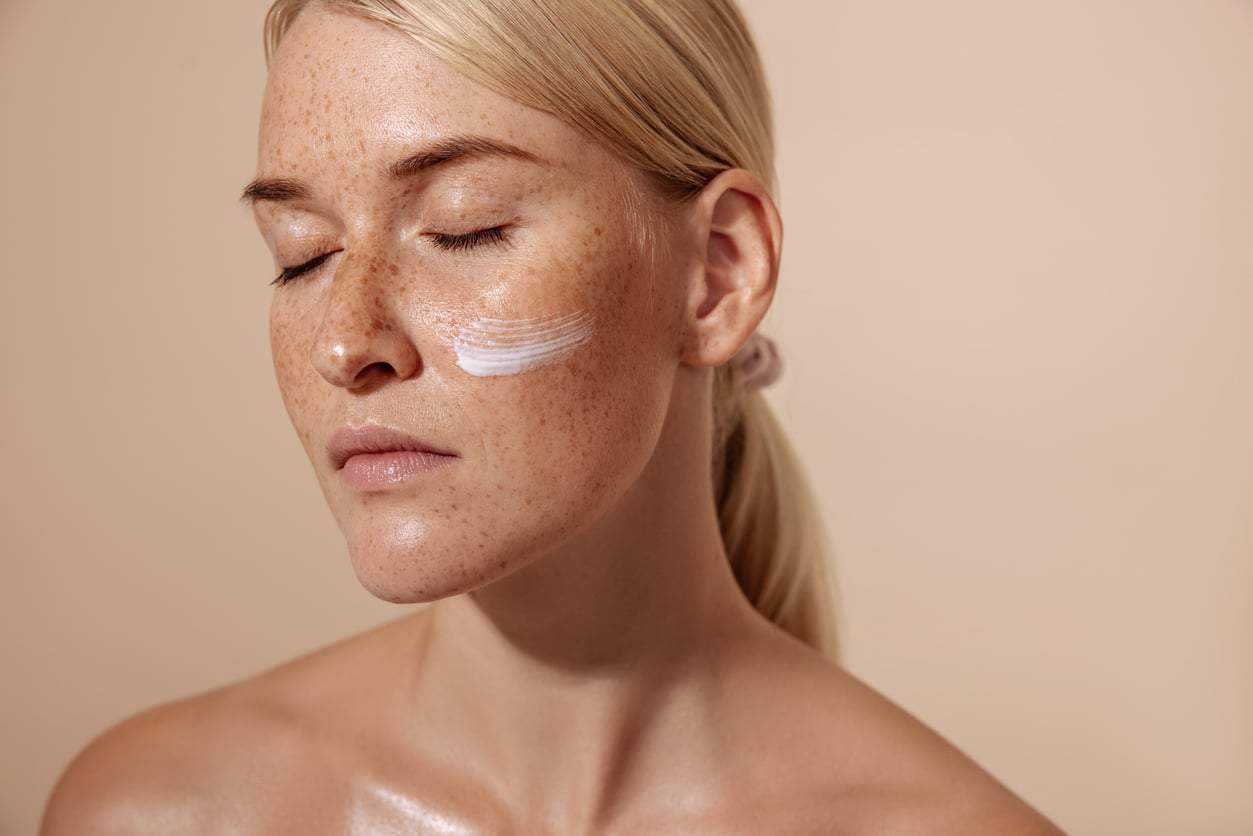
Every September my inbox fills with the same photograph: a cheekbone in unforgiving bathroom light, with a question attached. The freckles have joined up. There is a soft brown shadow above the lip that wasn't there in May. The spot that healed in July has left a mark that refuses to leave. Nothing has gone wrong — this is what skin does after months of light. But autumn is genuinely the best window to work on it, and the order you do things in matters more than the number of products.
First, work out what you are actually looking at
Pigmentation is a family, not a single condition, and the members respond differently. Small, distinct brown spots on the areas that catch the most sun — cheekbones, nose, hands, the top of the chest — are sun-related and usually the most cooperative. Larger, softer, blotchier patches with fuzzy edges, often symmetrical across the cheeks, forehead or upper lip, behave more like melasma: hormonally influenced, aggravated by heat as well as light, and inclined to return. Dark marks left behind by spots or by picking are post-inflammatory pigmentation, which fades on its own over months if you stop irritating the area.
Knowing which you have saves money. Sun spots reward brightening actives and patience. Melasma-type patches reward relentless sun and heat avoidance, and often benefit from a professional's input rather than a shelf of hopeful serums. And if any single spot is changing shape, colour or size, growing, itching or bleeding, skip the skincare aisle and get it looked at by a doctor.
The unglamorous foundation: light management
Nothing you apply at night will outrun what happens between nine and five. Pigment cells are triggered by ultraviolet light, and in some skin, by visible light and heat too, which is why the shadow on your cheeks can deepen on a bright but chilly October afternoon or over a hot hob. So sunscreen stays in the routine year-round, applied as the last step of your morning skincare, on the face, ears, neck and the backs of your hands.
Layer physical shade on top of it, because that does the heavy lifting: a hat with a real brim, sunglasses, the shady side of the street, a seat away from the window on long train journeys. If you are treating melasma-type patches, a tinted sunscreen or tinted mineral base is worth trying, as tint gives some protection against visible light that clear formulas do not. This is the boring part, and it is also the part that decides whether the rest of your effort holds.
Ingredients that earn their place — and how to introduce them
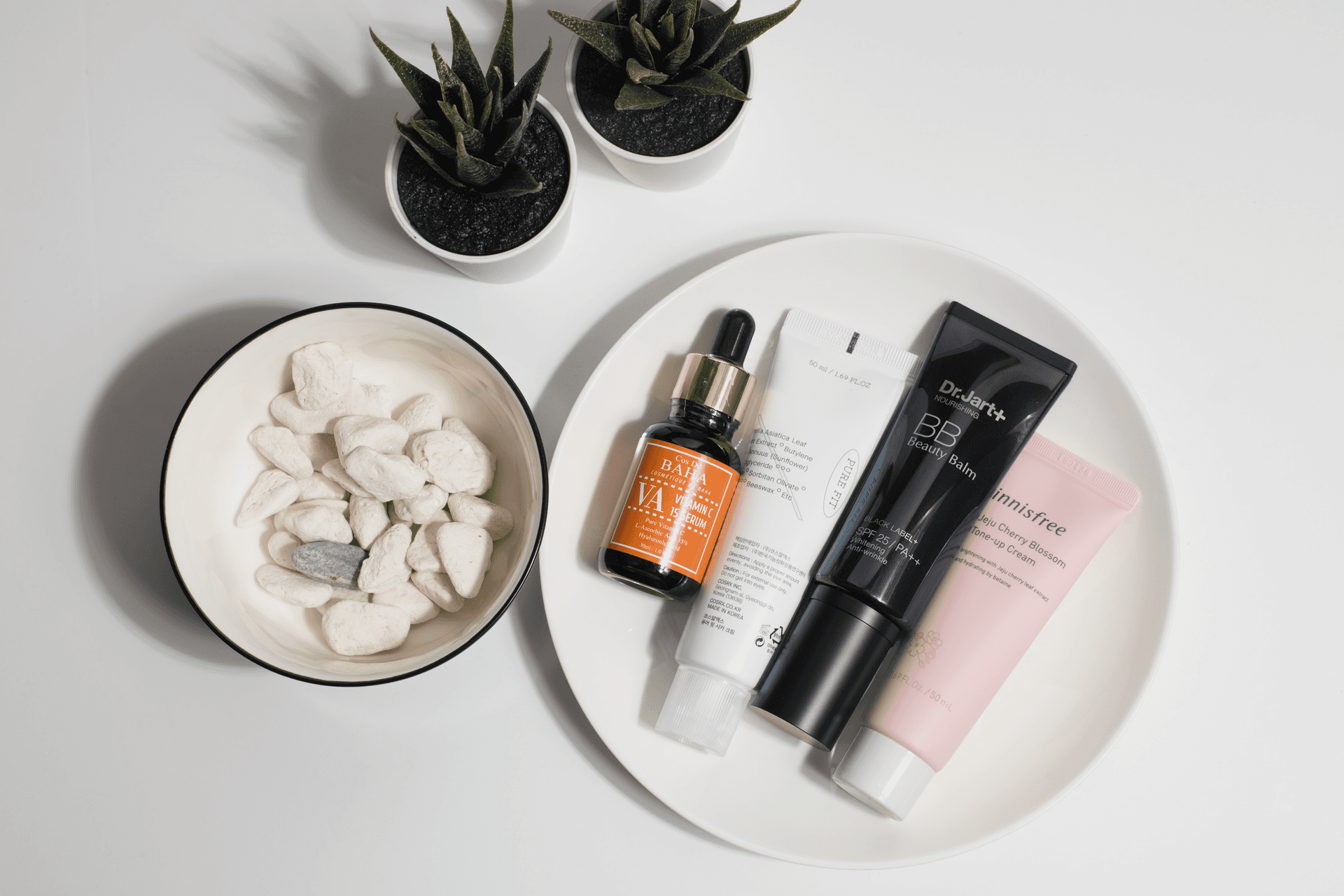
You do not need a long list. A vitamin C serum in the morning supports brightness and works well under sunscreen. Niacinamide is a gentle all-rounder that suits almost everyone. Azelaic acid is my favourite for skin that is both marked and reactive, and it is kind to post-spot pigmentation. Alpha arbutin and topical tranexamic acid formulas are useful additions for stubborn patches. In the evening, a retinoid encourages faster cell turnover, which helps pigment disperse over time, and a gentle exfoliating acid used once or twice a week keeps the surface clear.
Introduce one new active at a time, roughly two weeks apart, and use it on alternate nights until you know how your skin takes it. Resist the urge to run everything at once: the fastest route to worse pigmentation is inflammation, and stinging, peeling, over-exfoliated skin makes more pigment, not less — especially in medium and deeper skin tones. That is also why aggressive scrubs, DIY lemon juice and hot-and-heavy facial steaming belong nowhere near this project.
How long before pigmentation actually fades?
Think in seasons rather than weeks: post-spot marks often lighten noticeably within a couple of months, while sun spots and melasma-type patches typically need consistent care across an autumn and winter before the change is obvious in daylight rather than in a hopeful mirror. Photograph your face in the same light every four weeks, because gradual fading is almost impossible to see day to day, and that is precisely when people give up and start again with something new.
Do I really need SPF indoors and in winter?
If you spend your day away from windows, a morning application is enough and you do not need to reapply for the sake of it. But if you sit beside glass, drive, walk at lunchtime or live somewhere with bright winter light, keep it up — ultraviolet light that drives pigmentation is present on grey days too, and the patches you spent autumn softening are the first thing to darken again in spring.