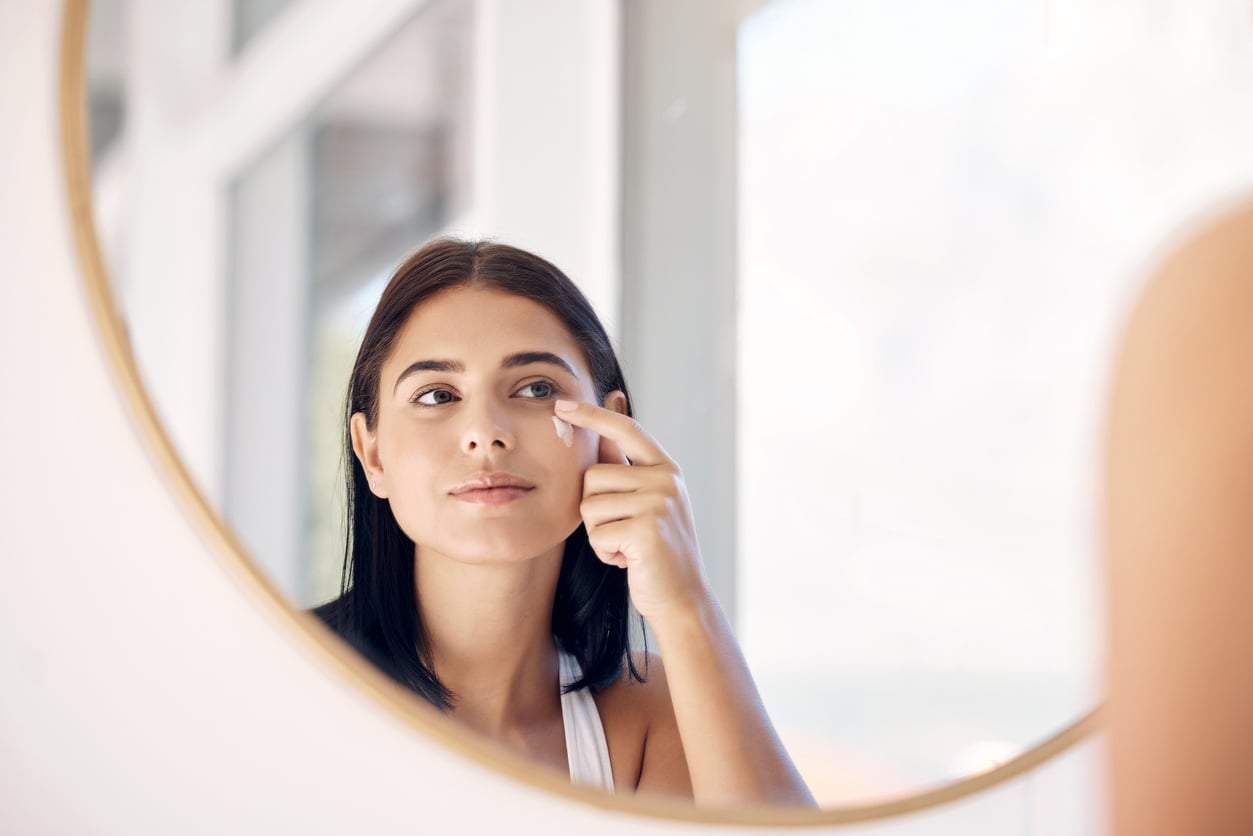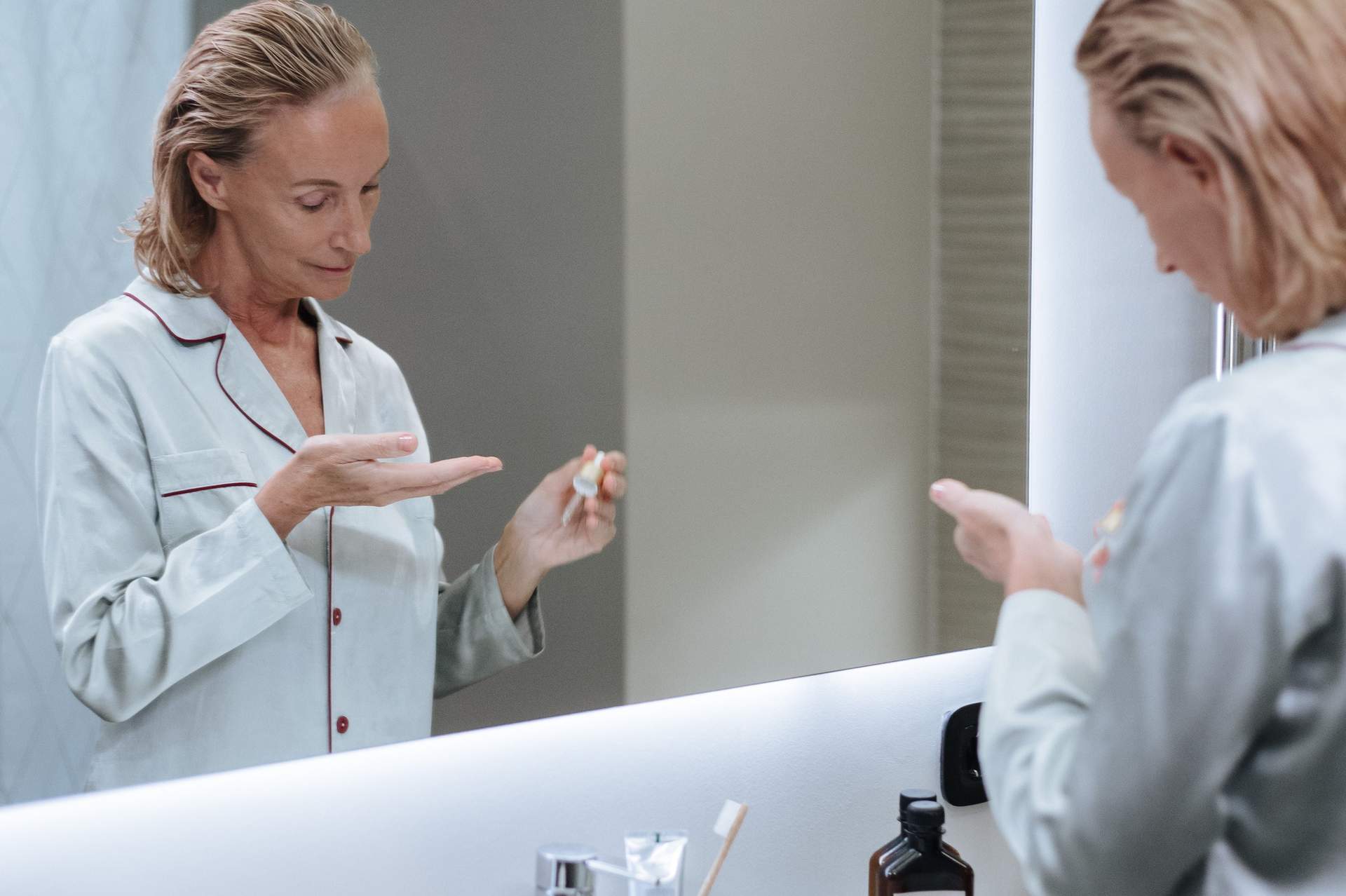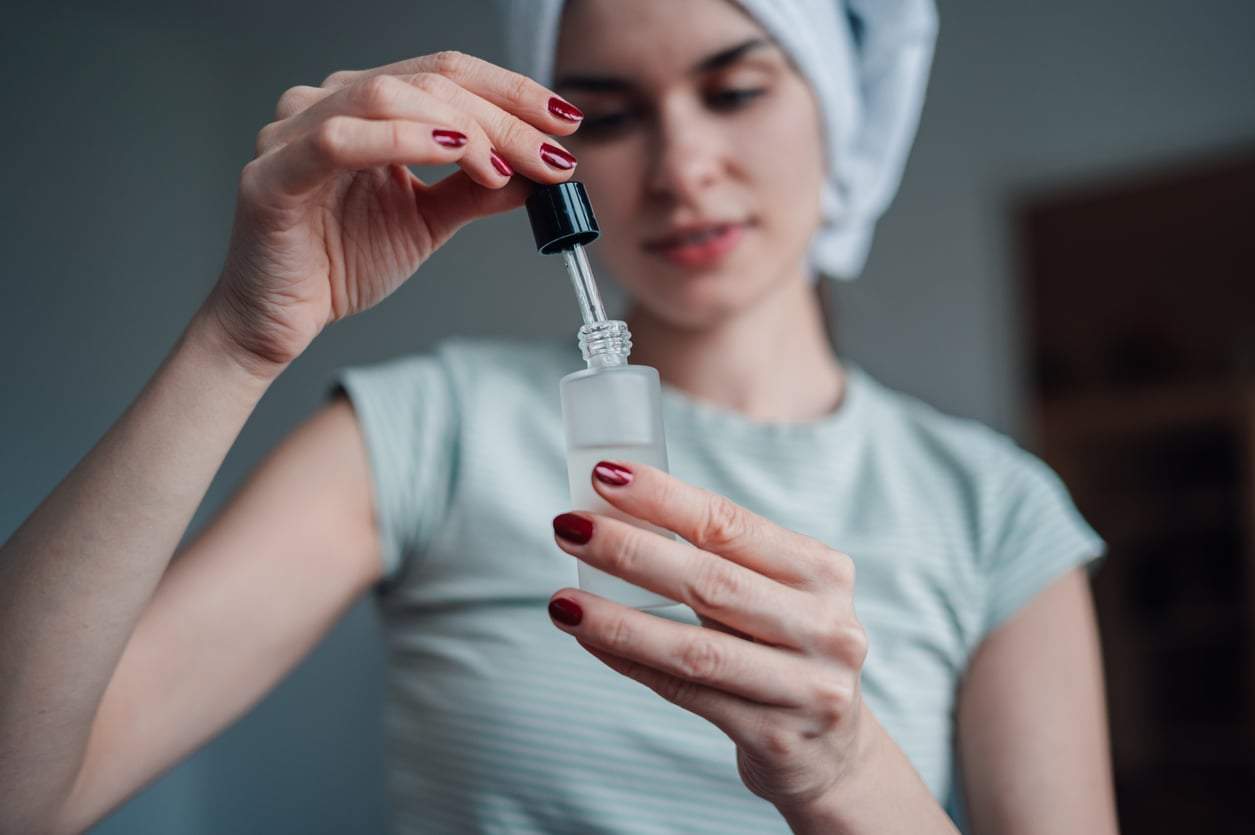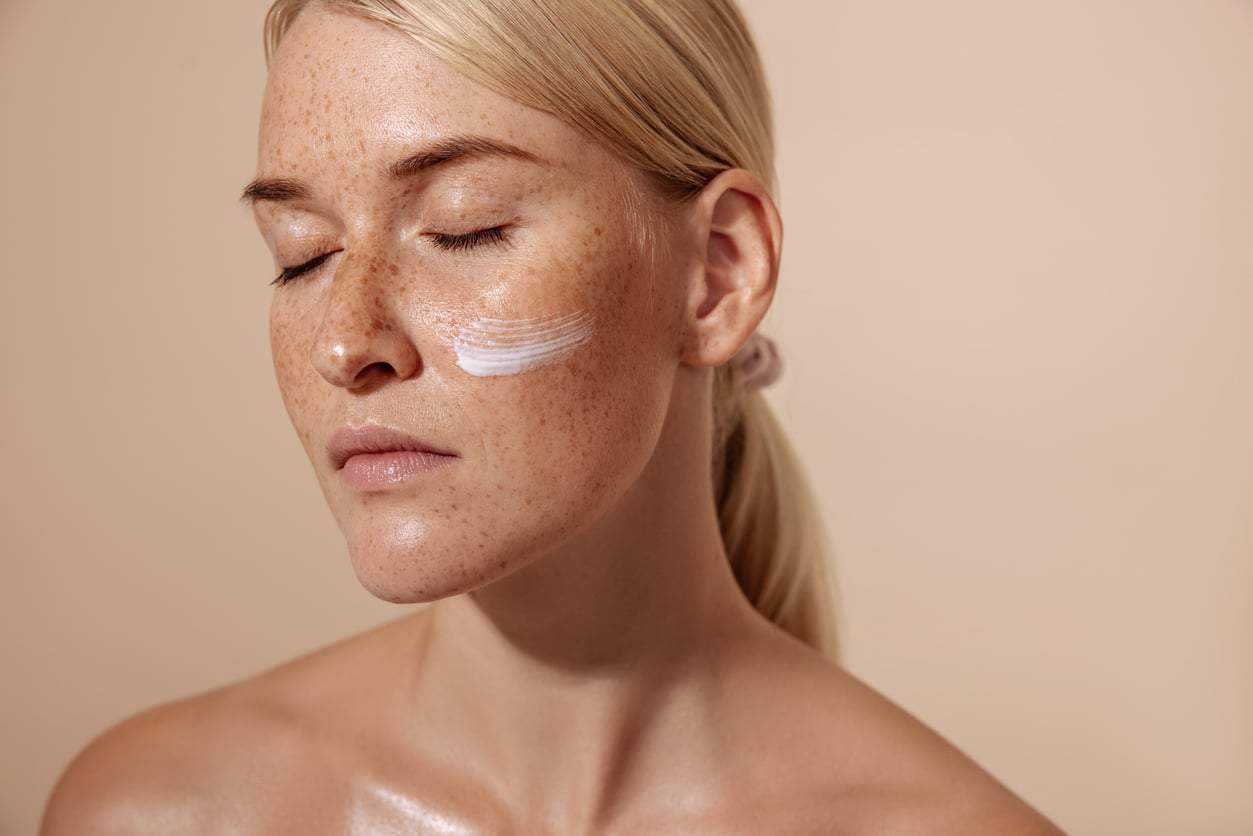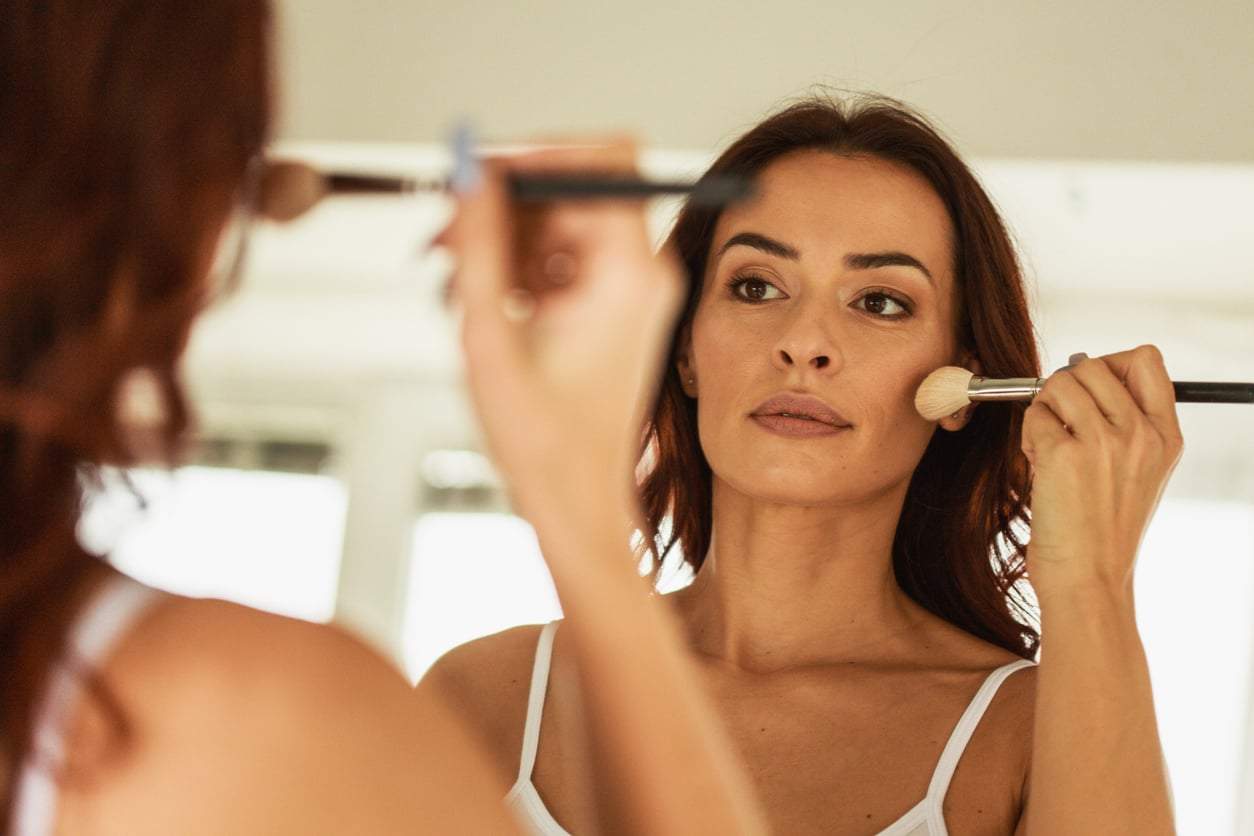
There is a specific moment, usually in the first properly grey week of the month, when you look in the mirror in indoor light and see what the summer actually did. Not a tan — a patchwork. A shadow across the cheekbones that used to be three separate freckles. Texture on the forehead that catches the light. A tone that reads slightly grey rather than warm. Every year the conversation about sun damage picks up again at exactly this point, and every year the temptation is the same: to attack it all in one weekend with the strongest thing in the bathroom cabinet.
That is precisely how people end up in October with a compromised, flaking, stinging face and pigmentation that looks worse than it did in August. Inflamed skin makes more pigment. The order of operations matters more than the ingredient list.
First two weeks: repair, don't correct
Sun-exposed skin at the end of a summer is usually dehydrated and slightly reactive, even if it feels oily. So the first stretch is deliberately boring. Cleanse with something that leaves your face comfortable rather than tight, use a moisturiser with barrier-type ingredients — ceramides, glycerin, squalane, panthenol, whatever your skin has always liked — and put nothing new or acidic on it.
You will notice something useful in this fortnight: a good chunk of the roughness and dullness is dryness and dead surface cells, and it improves on hydration alone. What remains after two weeks of gentle care is your actual to-do list, and it is almost always shorter than the one you wrote in a bad mirror in August.
Then one active at a time
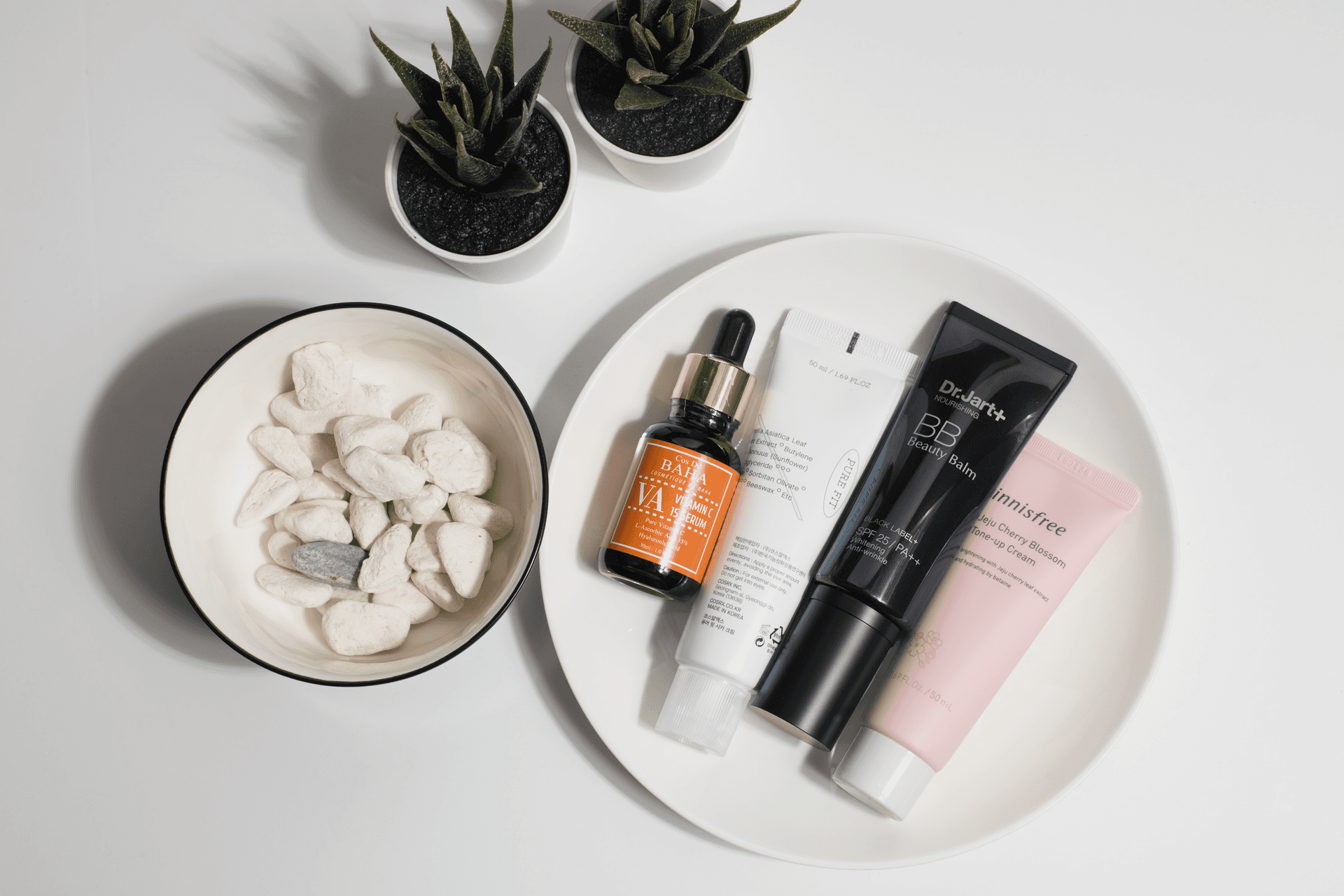
Once your skin feels calm, introduce a single product and give it three or four weeks before adding anything else. For tone, a vitamin C serum in the morning is the easiest place to start. For texture and pigment together, a retinoid at night is the workhorse — begun at the lowest strength you can find, twice a week, on dry skin, buffered with moisturiser if it bites. Gentle exfoliating acids can do good work too, but pick either acids or a retinoid for the evening rather than stacking both.
Niacinamide sits happily alongside almost anything and is a reasonable second addition. What you do not need is four brightening serums layered on top of each other; pigment responds to consistency over months, not to intensity over a weekend. Photograph your face in the same light every four weeks, because progress this slow is invisible day to day and you will otherwise conclude nothing is working.
The unglamorous part that does most of the work
None of the above holds if you drop sunscreen in September. Pigment that has been treated is more reactive to light, not less, and autumn daylight through a train window or a lunchtime walk is plenty to bring marks straight back. Daily SPF on face, ears and the back of the hands, reapplied when you are properly outside, is the difference between fading marks and running in place. A hat still helps in October.
One important boundary: this is cosmetic housekeeping for even tone and texture, not diagnosis. Any mark that is new and changing, growing, asymmetrical, itching, bleeding, or simply different from everything else on your skin belongs in front of a doctor or dermatologist rather than under a serum. Get it looked at first and treat the cosmetic stuff afterwards.
How long until pigmentation actually fades?
Longer than the packaging implies. Surface-level marks from this summer often soften noticeably over a couple of months of consistent use plus daily sun protection, while older, deeper discolouration can take much longer and may only ever lighten rather than disappear. The realistic goal for one autumn is a more even overall tone and smoother texture, not a blank canvas.
Can I use vitamin C and retinol together?
Most skin does best splitting them: vitamin C in the morning, retinoid at night, which sidesteps irritation entirely and lets each one do its job. If your skin is robust and already tolerant of both you can experiment, but if you are dealing with post-summer dryness or sensitivity, keep them apart and add a hydrating layer between steps.