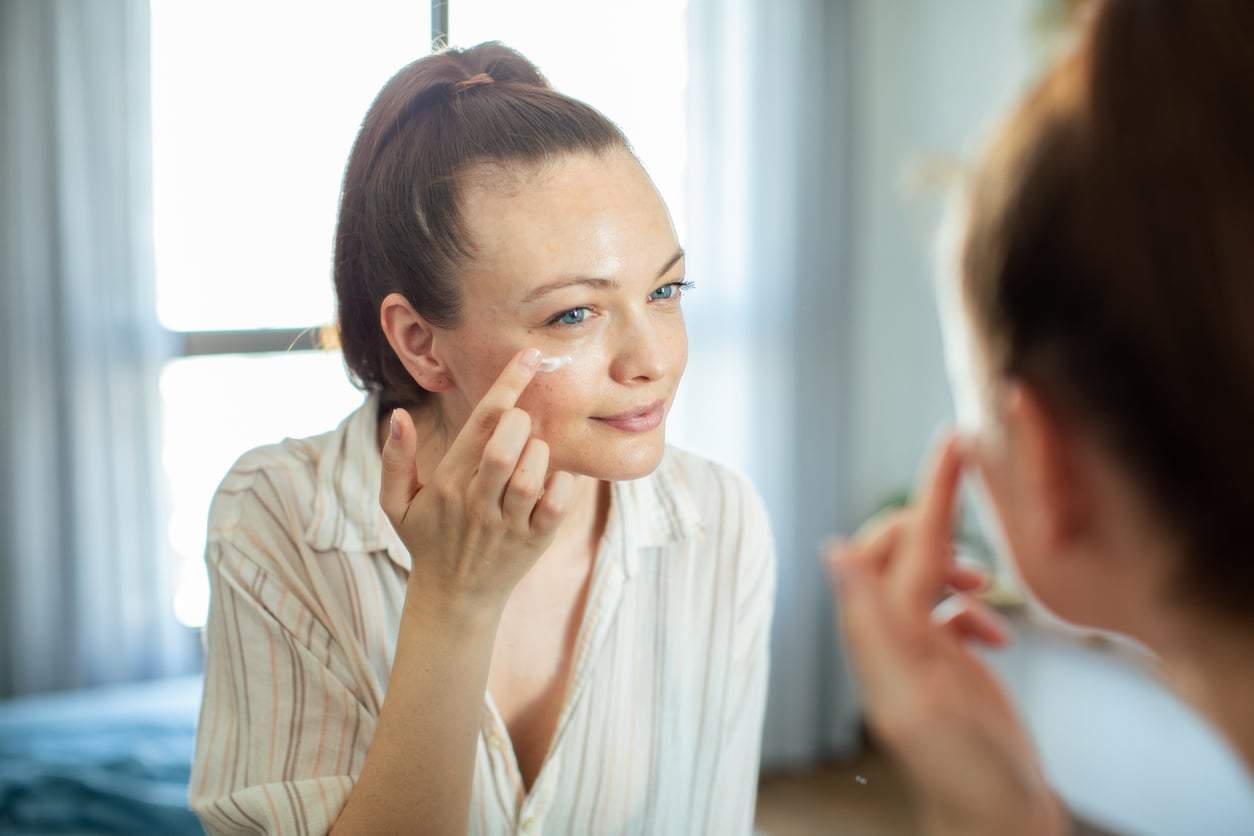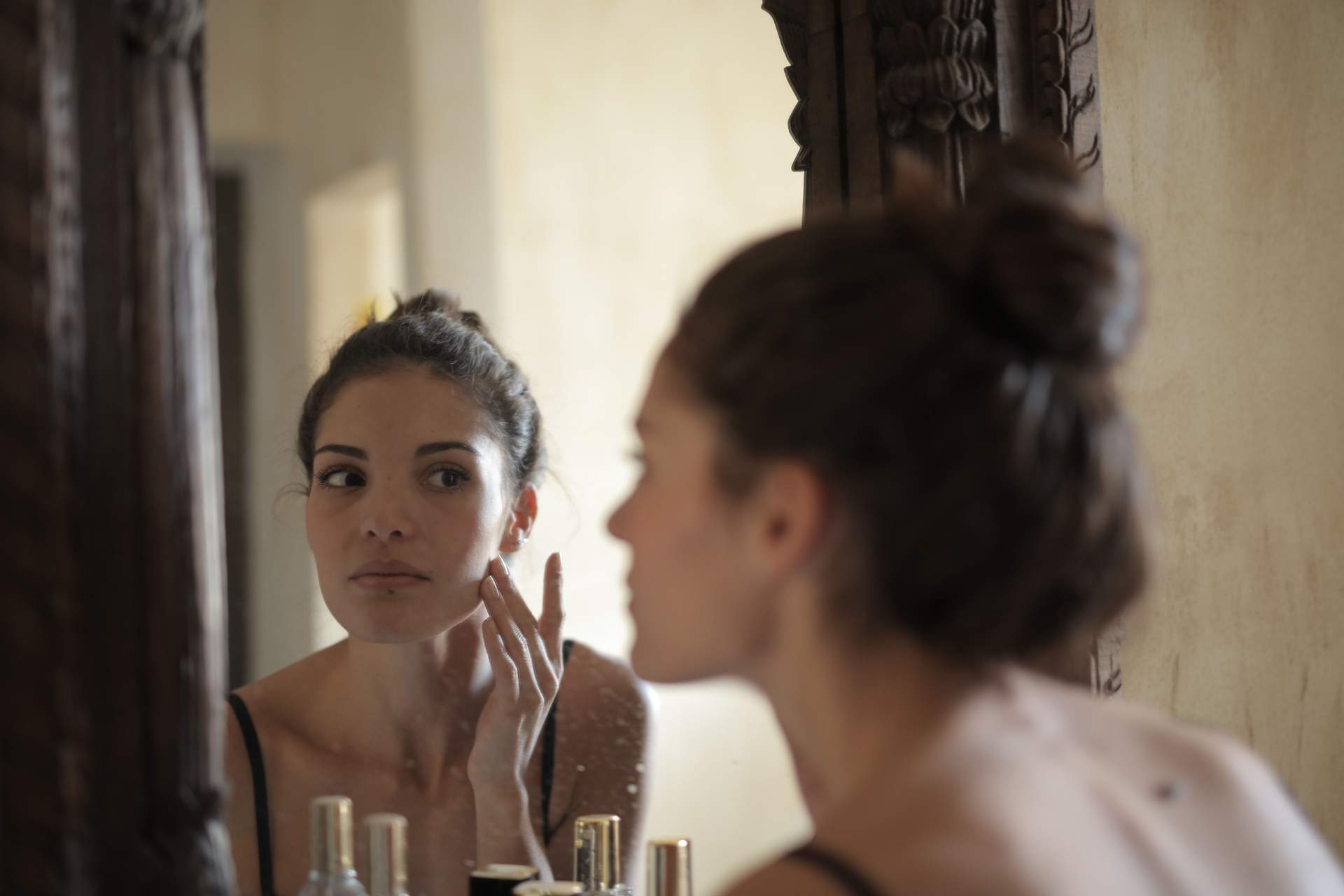
You moisturize your face every day. You've got a serum, maybe an eye cream, possibly a full ten-step routine. But there's one stretch of skin most people forget entirely — and it happens to be one of the first places that gives your age away.
The skin on your décolletage is thin, delicate, and exposed to the sun far more than you realize. A single deep wrinkle or a scattering of pigmentation spots there can quietly reveal your real age, no matter how flawless your face looks.
Summer sun is the obvious culprit, with UV rays doing serious damage to this sensitive zone. But cold, windy weather is just as unforgiving. Here's how to keep your décolletage looking youthful — and what to do if the signs have already shown up.
Why décolletage skin needs special care
Most people assume the skin on their chest behaves just like the skin on their arms or legs. It doesn't.
The skin on your décolletage is thinner and has fewer oil glands, which means it dries out faster and is far more prone to wrinkles and discoloration.
That makes it much more vulnerable to everything the world throws at it — sunlight, wind, and polluted air all take their toll.
Without proper care, this area can lose its firmness surprisingly quickly. It starts with fine lines, then deepens into more noticeable wrinkles. The good news? The sooner you spot the early signs, the faster and more effectively you can slow them down.
How to protect your décolletage
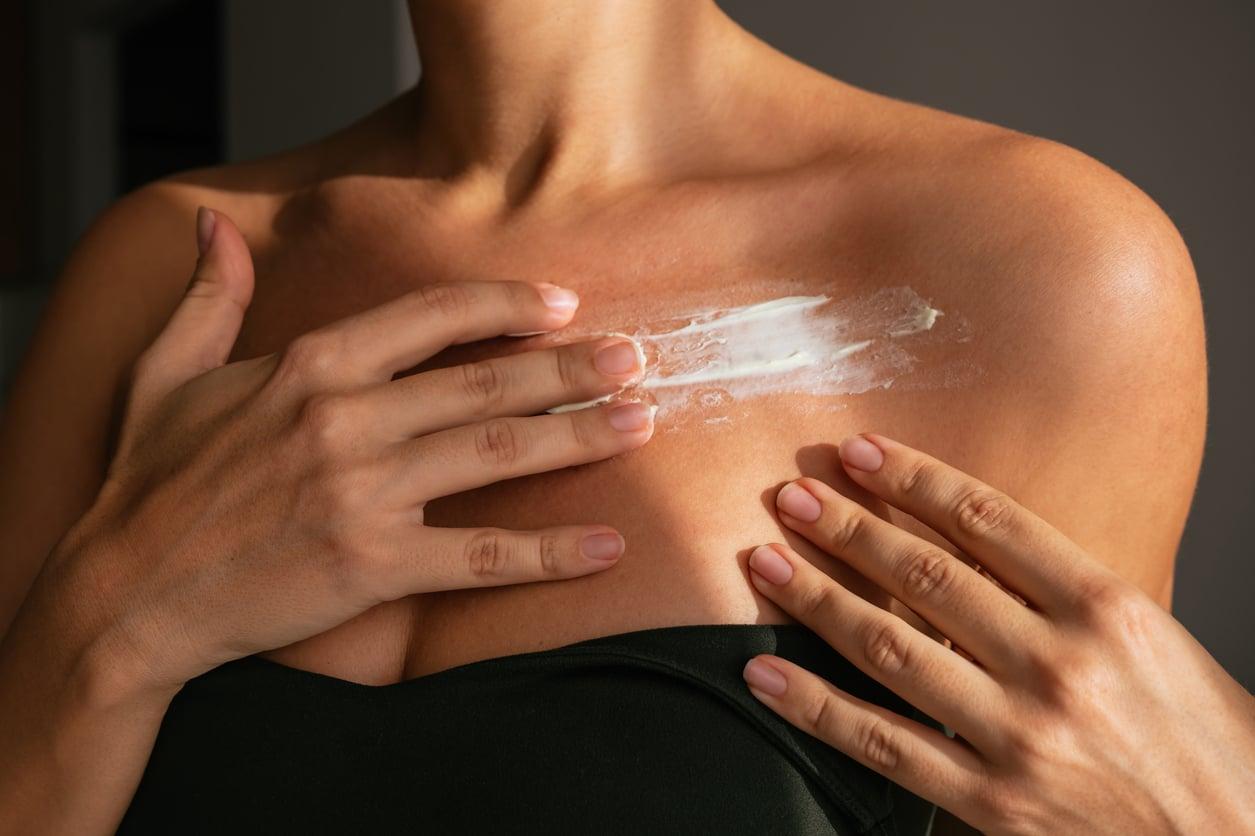
The single most important step in any routine here is sun protection. UV rays are the leading cause of premature aging, and the effect is especially visible on the chest. Every morning, apply a sunscreen with SPF 30 or higher to this area, just as you would to your face.
Don't forget: UV protection matters even in winter and on overcast days.
The second essential is consistent, proper hydration. Choose a cream or serum suited to your skin type — ideally one rich in antioxidants and skin-softening ingredients that restore moisture and elasticity. Vitamin E, hyaluronic acid, and peptides are especially worth looking for on the label.
If you're not sure which formula suits you, it's worth learning how to pick the right protective cream before you buy.
What to do if the damage is already there
If you're already seeing wrinkles or pigmentation spots on your chest, don't panic. Modern skin treatments offer plenty of effective options.
For lighter discoloration, vitamin C serums or chemical exfoliants — like products containing alpha-hydroxy acids (AHAs) — can help fade the marks over time.
For deeper wrinkles, it may be worth taking a more proactive approach with non-invasive treatments such as microdermabrasion, laser therapy, or mesotherapy. These can help restore firmness and smoothness to the skin.
Lifestyle changes that make a difference
Radiant, healthy skin always starts from the inside. A balanced diet — rich in antioxidants, healthy fats, and vitamins — plays a major role in keeping your skin looking youthful.
Loading up on vegetables, fruit, and fish is especially good for your skin.
Don't overlook regular exercise either. It boosts circulation, which helps deliver oxygen to the skin and supports its natural renewal. Quitting smoking and cutting back on alcohol can also do wonders for your skin's overall health.
The bottom line: your décolletage needs a little extra attention — but with consistent, mindful care, you can noticeably improve how it looks and hold back the years.
Why does the skin on the décolletage age faster?
Because it's thinner and has fewer oil glands than the skin on your face or body, it dries out more easily and is more prone to wrinkles and pigmentation. That makes it especially vulnerable to sun, wind, and pollution.
Do I really need sunscreen on my chest in winter?
Yes. UV rays cause premature aging year-round, so daily sun protection matters even in winter and on cloudy days. Aim for at least SPF 30.
Which ingredients help protect and hydrate this area?
Look for creams or serums rich in antioxidants and skin-softening ingredients. Vitamin E, hyaluronic acid, and peptides are particularly effective at restoring moisture and elasticity.
Can existing wrinkles and pigmentation spots be improved?
Yes. Vitamin C serums and AHA-based exfoliants can help fade lighter discoloration, while non-invasive treatments like microdermabrasion, laser therapy, or mesotherapy can address deeper wrinkles.