The beauty industry is very good at one thing: making you feel like you need something. Backed by glowing before-and-afters, lab-coat aesthetics, and ingredients you can barely pronounce, countless products promise transformative results — and deliver almost nothing. Here are five you can almost certainly stop buying.
1. Pore-minimizing toners
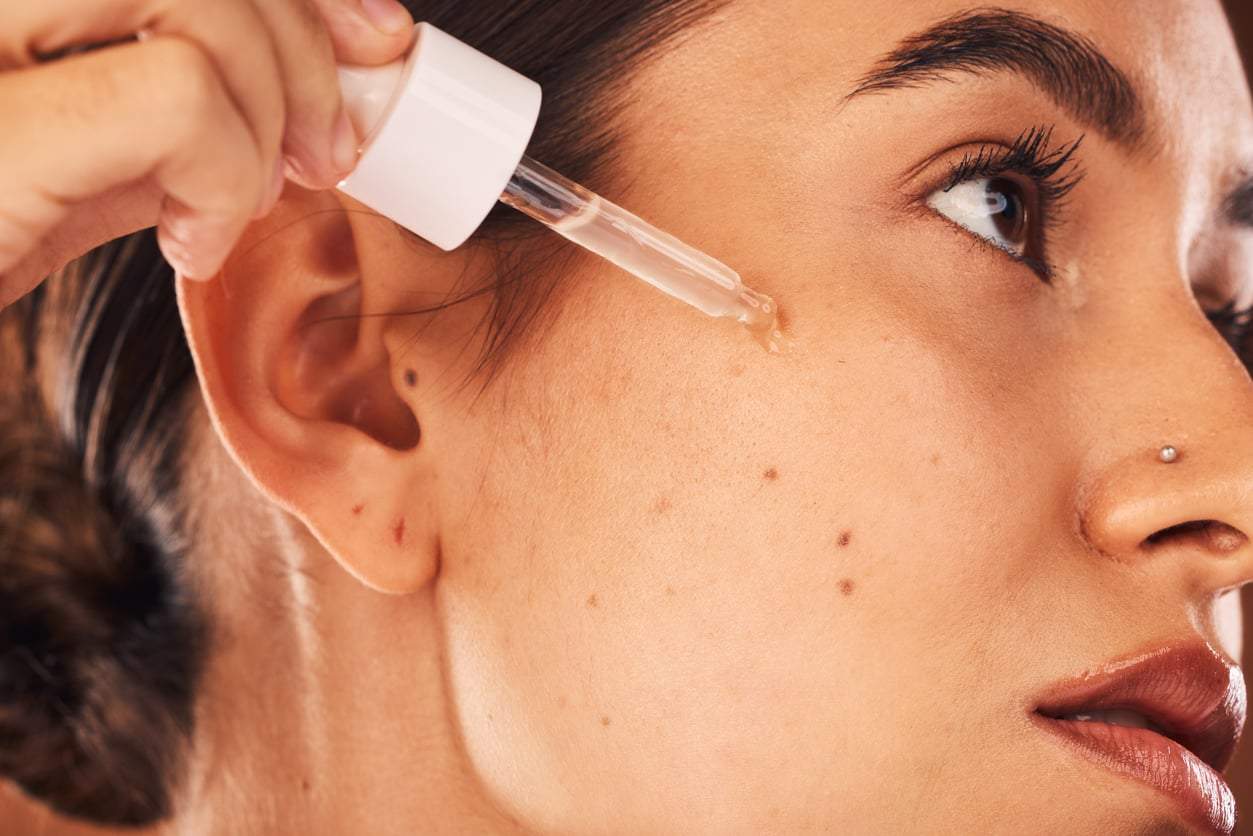
The idea that you can physically shrink your pores is one of the biggest myths in skincare. Dermatologists are clear on this: pore size is largely determined by genetics, and no toner, serum, or cream can permanently change it. What you actually feel after applying one of these products is a momentary surface effect — alcohol or certain acids dehydrate the top layer of skin, causing slight swelling that makes pores look temporarily smaller for a few minutes.
Long-term, that kind of repeated dehydration can do more harm than good. Stripped skin often compensates by producing more sebum, which can paradoxically make pores appear even more prominent over time. If clearer, more balanced skin is what you're after, a gentle daily cleanse and consistent moisturizing will get you much further than any miracle toner.
2. Sheet masks
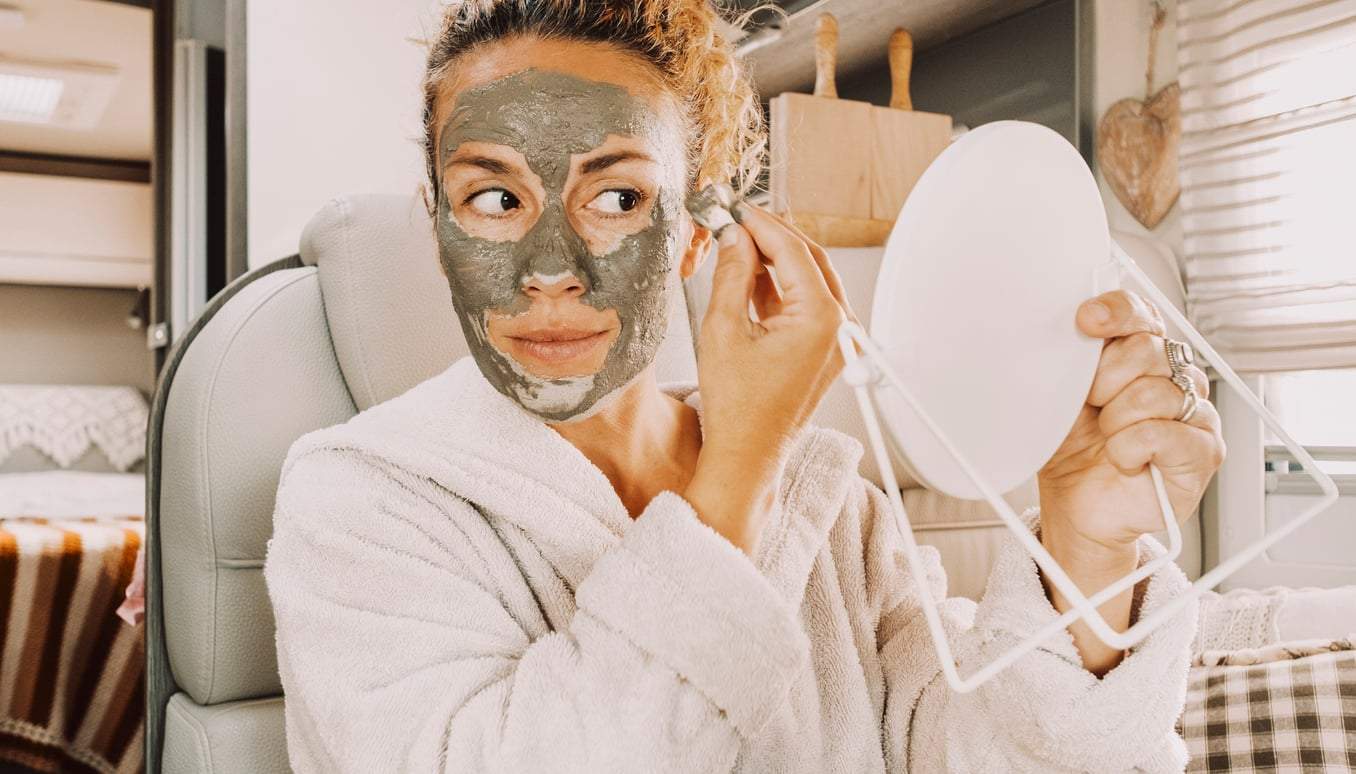
The evening sheet mask selfie has become practically mandatory on social media — but the results are far more modest than the ritual suggests. Sheet masks deliver a single session of intense hydration. It feels pleasant, but it doesn't meaningfully change your skin's long-term condition. The ten to twenty minutes a mask sits on your face simply isn't enough time to achieve the deep regeneration the packaging promises: wrinkles don't disappear, skin texture doesn't rebuild.
What actually happens is a short-lived boost of moisture that fades within a few hours — unless it's followed by a well-constructed daily skincare routine. The mask itself isn't doing the heavy lifting.
Behind the shiny packaging, it's usually the same handful of ingredients — just at a much higher price.
3. Separate eye creams
The skin around your eyes is genuinely thinner and more delicate than the rest of your face — but that alone doesn't justify buying a separate, significantly more expensive product for it. Most eye creams share nearly identical formulations with a good-quality face moisturizer, just in smaller packaging at a higher price per ounce.
Dermatologists frequently point out that a well-formulated, non-irritating face cream is perfectly safe to use around the eye area, as long as you keep it away from the lash line itself. And when it comes to dark circles and puffiness, the real factors are sleep quality, hydration levels, and genetics — not which jar you're dipping your ring finger into.
4. Anti-cellulite creams
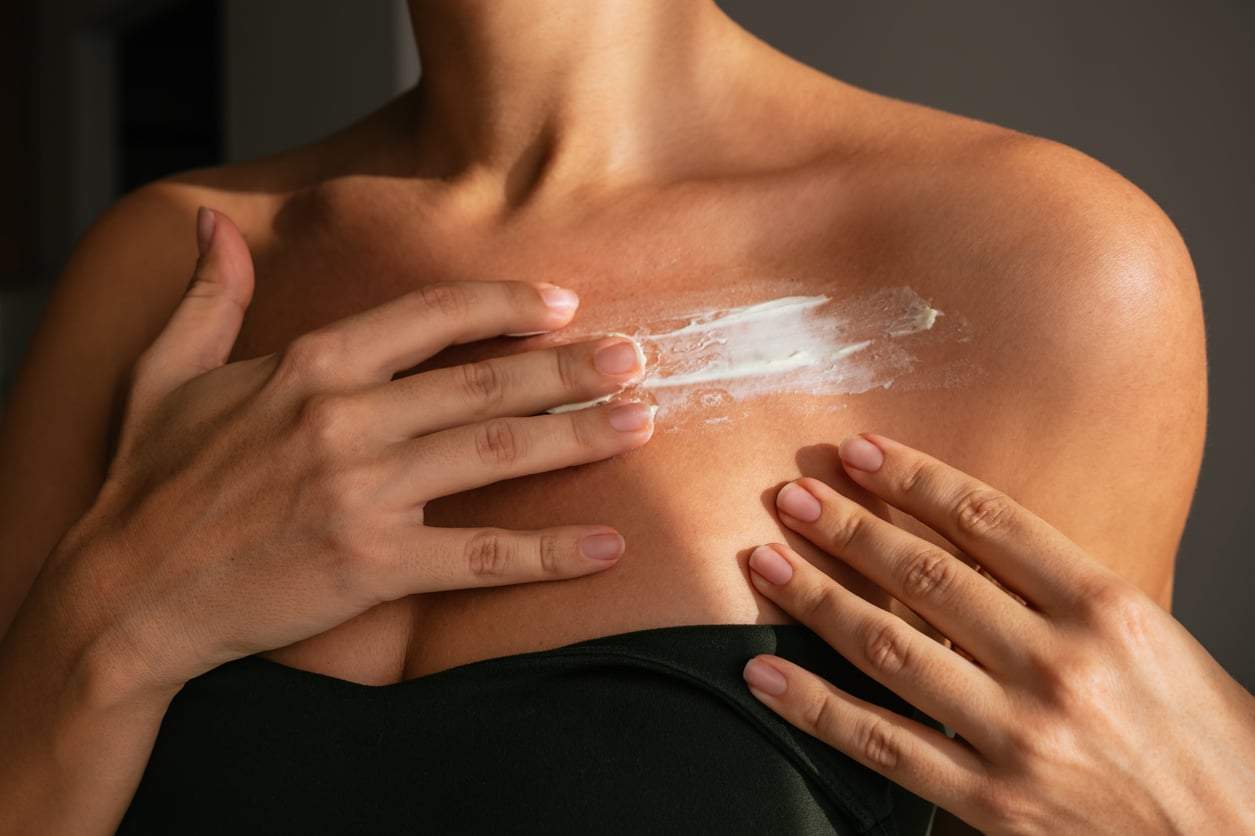
Cellulite is not a flaw — it's a normal skin phenomenon that appears on the vast majority of women. It's caused by the structure of the connective tissue beneath the skin and the way fat cells are distributed. That's precisely why no cream can eliminate it: the issue exists below the skin's surface, in the connective tissue layer, which a topically applied product simply cannot reach in sufficient concentration to make a structural difference.
Many anti-cellulite creams contain caffeine or other circulation-boosting ingredients that can create a brief, cosmetic skin-tightening effect — but it fades within hours, and the underlying structure of the skin remains completely unchanged.
If you genuinely want to address it, the focus is better placed on exercise, muscle tone, and long-term skin elasticity — not a jar of cream.
5. Luxury-brand foundations
An elegant glass bottle, gold lettering, a prestigious counter — and suddenly the price triples or quintuples, even though the ingredient list is often barely different from a drugstore alternative. With luxury foundations, a significant portion of the premium goes toward packaging, brand name, marketing campaigns, and the prestige of the fragrance industry — not toward what actually lands on your skin.
Numerous independent tests and dermatologists' assessments consistently show that coverage, longevity, and skin compatibility depend far more on formula quality and compatibility with your skin type than on the price tag. A well-chosen, affordable foundation can deliver exactly the same natural, flawless finish as an exclusive boxed product — without your money quietly disappearing behind a beautiful bottle and a well-crafted story.
None of this means you should never buy products that bring you joy — the ritual, the self-care moment, the beautiful packaging all have genuine value. But it's worth knowing when you're paying for actual skincare, and when you're paying for a very well-told story.
Are pore-minimizing toners ever worth buying?
Not for actually shrinking pores — that's not physically possible with any topical product. Some toners do contain beneficial ingredients like niacinamide or gentle exfoliants that can improve skin texture over time, but the "pore-minimizing" claim itself is marketing, not dermatology.
Can anything actually reduce the appearance of cellulite?
No cream can structurally eliminate cellulite, since it exists in the connective tissue layer beneath the skin. Consistent exercise, improved muscle tone, and maintaining skin elasticity can make a visible difference over time — topical creams cannot.
Is it really okay to use a regular face cream around the eyes?
According to dermatologists, yes — a well-formulated, non-irritating moisturizer is generally safe for the eye area, as long as it's kept away from the lash line. The key is the formula's suitability for sensitive skin, not whether it comes in a smaller jar labeled "eye cream."
How do you tell a genuinely good foundation from an overpriced one?
Look at the formula, not the packaging. Coverage, finish, and wear time depend on ingredients and how well a foundation suits your skin type. Independent beauty testing sites and dermatologist reviews are far more reliable guides than the price on the label.