Your hands are the one part of your body you never hide with makeup, a scarf, or a long-sleeved sweater — and yet they're almost always the last thing we think of when it comes to skincare. That's a problem, because the skin on the back of your hands is thinner than facial skin, has fewer oil glands, and is constantly exposed to sunlight, water, dish soap, and hand sanitizer.
The good news? You don't need expensive treatments or injections to see a real difference. A few natural habits, applied consistently, can make your hands look noticeably smoother, firmer, and younger.
1. Gentle exfoliation, done regularly
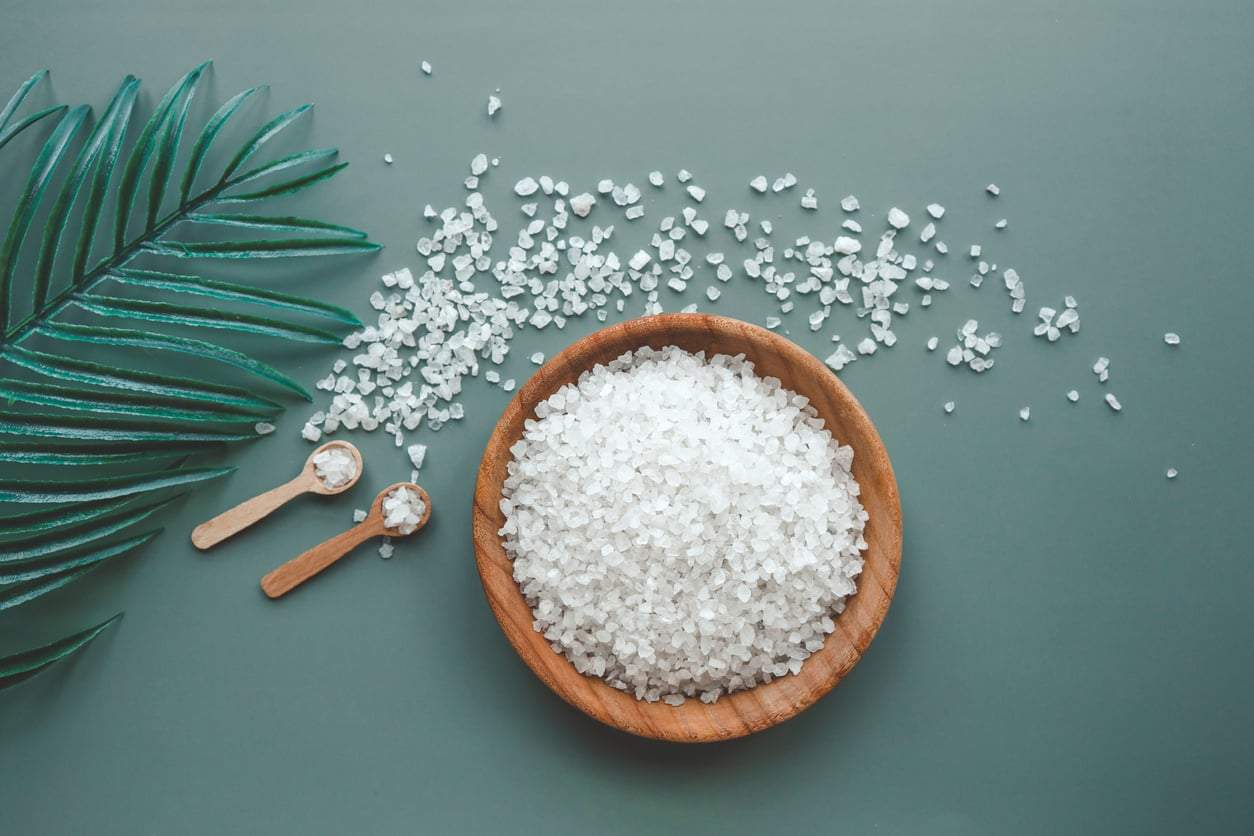
Hand skin constantly renews itself — but as dead cells accumulate, that process slows down. The result is skin that looks dull, rough, and tired. A mild homemade sugar scrub used once or twice a week can refresh the surface beautifully: just mix a tablespoon of brown sugar with a few drops of olive oil or honey, massage it into the backs of your hands in circular motions, then rinse with lukewarm water.
Exfoliation matters more than most people realize. When dead skin cells build up, even the best hand creams can't absorb properly — so you're essentially moisturizing a barrier, not your skin.
Don't scrub too hard. The skin on the back of your hands is delicate, and aggressive rubbing will irritate it rather than refresh it.
2. Plant-based oils and skin-friendly fatty acids
Dry, flaky skin on the hands is one of the most common complaints — especially from fall through spring, when central heating and cold air strip away moisture. Alongside regular hand cream, it's worth trying pure plant-based oils, which are rich in essential fatty acids and deeply nourish the skin. Avocado oil, sweet almond oil, and cold-pressed olive oil all work well.
The best time to apply them is in the evening, just before bed, when your skin has hours to absorb the nutrients before it comes into contact with water or soap again. Many dermatologists also point to vitamin E-rich oils — or even oil squeezed directly from a vitamin E capsule — as a helpful addition for maintaining skin elasticity. It's not a miracle cure, but it's a solid supporting act.
3. Sun protection — the step that actually matters most
Dermatologists consistently emphasize that the majority of skin aging isn't caused by the passage of time — it's caused by UV exposure. And the backs of your hands are in the sun constantly: while driving, cycling, or simply walking to the store. Yet they almost never get sunscreen.
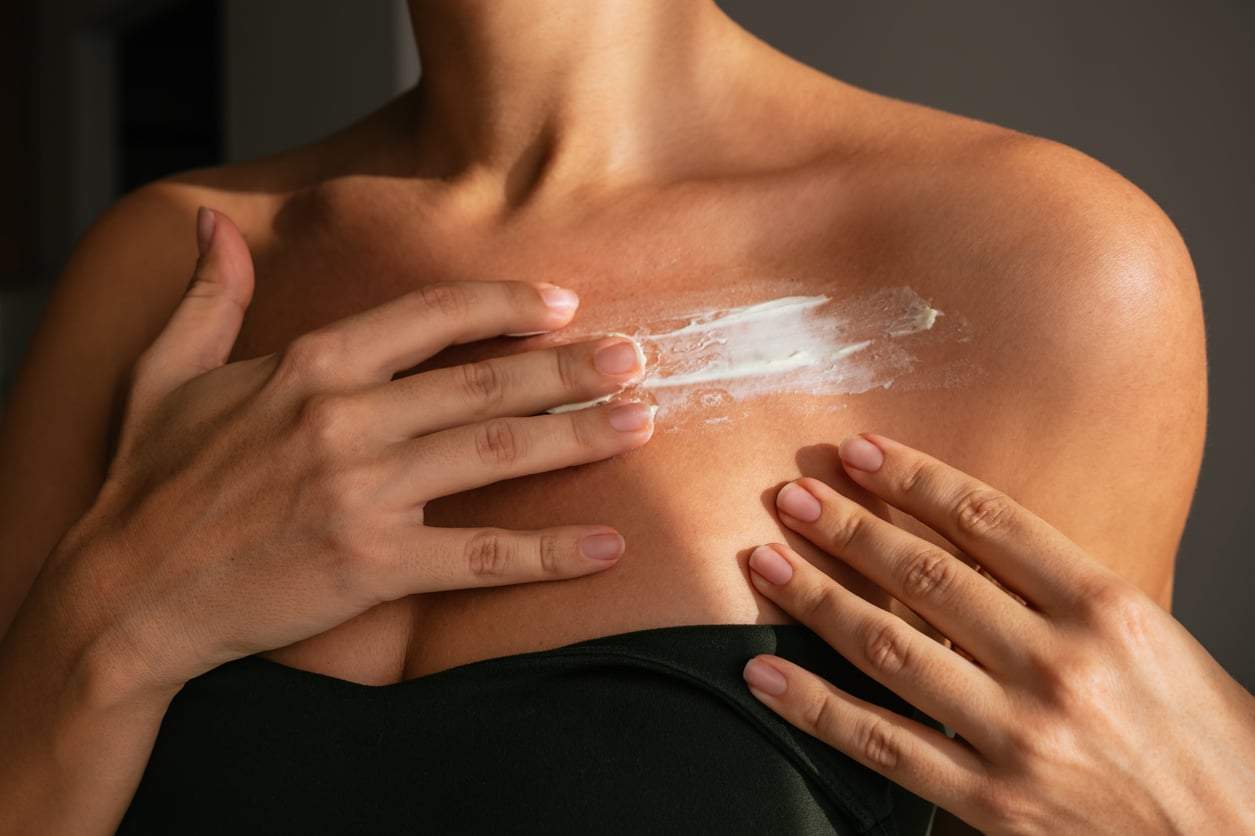
Age spots, thinning skin, and lost elasticity are largely the result of years of unprotected sun exposure. Applying a high-SPF sunscreen to your hands can become just as natural a habit as applying it to your face — and in the long run, it's one of the simplest, most effective things you can do to keep your skin from aging faster than it should.
4. Nourish your skin from the inside out
The condition of your skin is directly connected to what you eat and drink. Dehydration shows up on the backs of your hands just as much as anywhere else — skin firmness and elasticity depend heavily on whether your cells are getting enough water. Beyond hydration, vegetables and fruits rich in vitamin C, along with adequate protein, support collagen production, which is what keeps skin looking firm and supple.
You don't need a radical diet overhaul. Just make a conscious effort to include fresh vegetables and a solid protein source in your daily meals — and make sure that alongside your coffee or the occasional glass of wine, you're still drinking enough plain water.
Each of these habits makes a difference on its own. But the real transformation happens when you apply them together, consistently. The skin on your hands responds quickly to neglect — but it's just as quick to respond with gratitude when you finally give it the attention it deserves.
Does sunscreen really make a difference on hands?
Yes — significantly. Dermatologists say UV radiation is responsible for the majority of visible skin aging, including age spots and loss of elasticity. The backs of your hands are exposed to sunlight daily, often without any protection, making SPF one of the highest-impact habits you can build.
How often should I exfoliate the skin on my hands?
Once or twice a week is enough. More frequent exfoliation can irritate the thin skin on the back of your hands rather than help it. A simple brown sugar and olive oil scrub is all you need — no special products required.
Which oils are best for dry, aging hand skin?
Avocado oil, sweet almond oil, and cold-pressed olive oil are all excellent choices due to their high essential fatty acid content. Vitamin E-rich oils are also worth considering for their role in supporting skin elasticity. Apply them in the evening before bed for best results.
Can diet really affect how my hands look?
It can, yes. Adequate hydration and a diet rich in vitamin C and protein both support collagen production, which directly affects skin firmness. You don't need to follow a strict regimen — small, consistent improvements to daily eating habits are enough to see a difference over time.