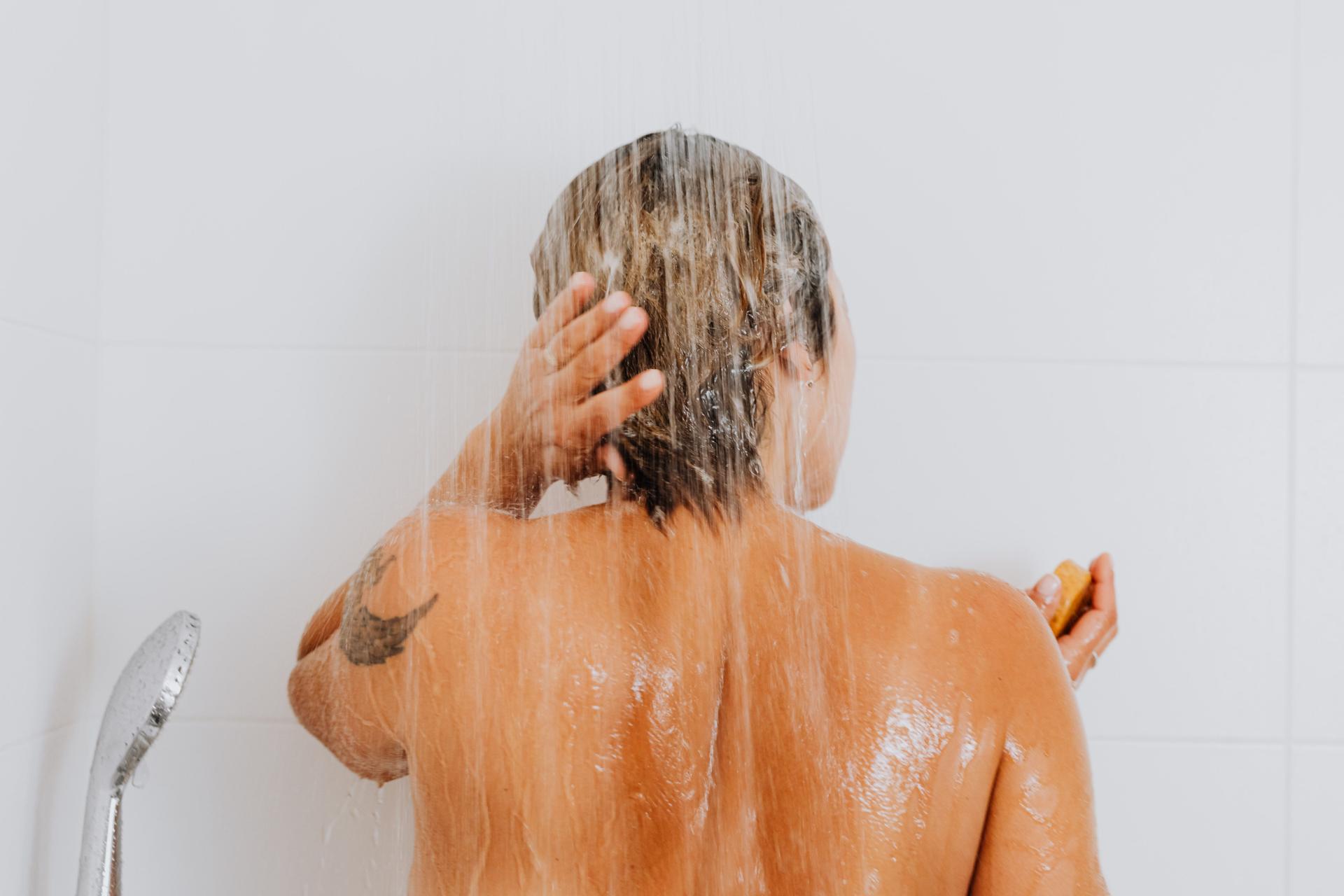
If your skin feels tight, itchy, or flaky no matter how much lotion you use, the cause might not be the weather or your moisturizer at all. It could be your shower.
A long, cozy rinse and a few everyday bathroom habits can quietly break down your skin's natural protective barrier, leaving it dry, irritated, and prone to peeling. The four habits below feel completely normal in most homes — yet they're worth rethinking.
1. Water that's hotter than hot
Warm water feels amazing, especially in the colder months. But when it's too hot, it literally rinses away the lipids your skin needs to hold moisture in.
Your skin barrier is a thin layer of natural oils, and very hot water gradually breaks it down. Once that happens, your skin loses water to the air far more easily. Many dermatologists recommend lukewarm, comfortably warm water instead — it's gentler, and your skin is far less likely to come out red or feeling tight.
2. Too much soap, too strong
Foamy, fragrant shower gels feel wonderful, but many of them contain harsh, sulfate-based cleansing agents that strip away more than just dirt — they wash off your skin's own protective layer, too. If you're curious about kinder options, it's worth looking into gentle, hydrating body washes that clean without drying you out.
When you scrub your entire body with a thick lather every single day, your skin's microbiome and lipid layer never get the chance to recover between showers.
The fix is simple: give the areas that actually sweat and get dirty a proper wash, and let water plus a milder, fragrance-free cleanser handle the rest.
3. Showers that drag on too long
A long, unhurried shower feels like pure relief after a tough day. The problem is that the longer you stand under the water, the more you rinse away the substances that lock moisture into your skin.
After about five to ten minutes, the top layer of your skin becomes oversaturated with water — and then, once you're out, it loses that moisture faster and in larger amounts. Ironically, a shorter, more focused shower keeps your skin better hydrated than a long, leisurely soak.
4. Skipping moisturizer right after your shower
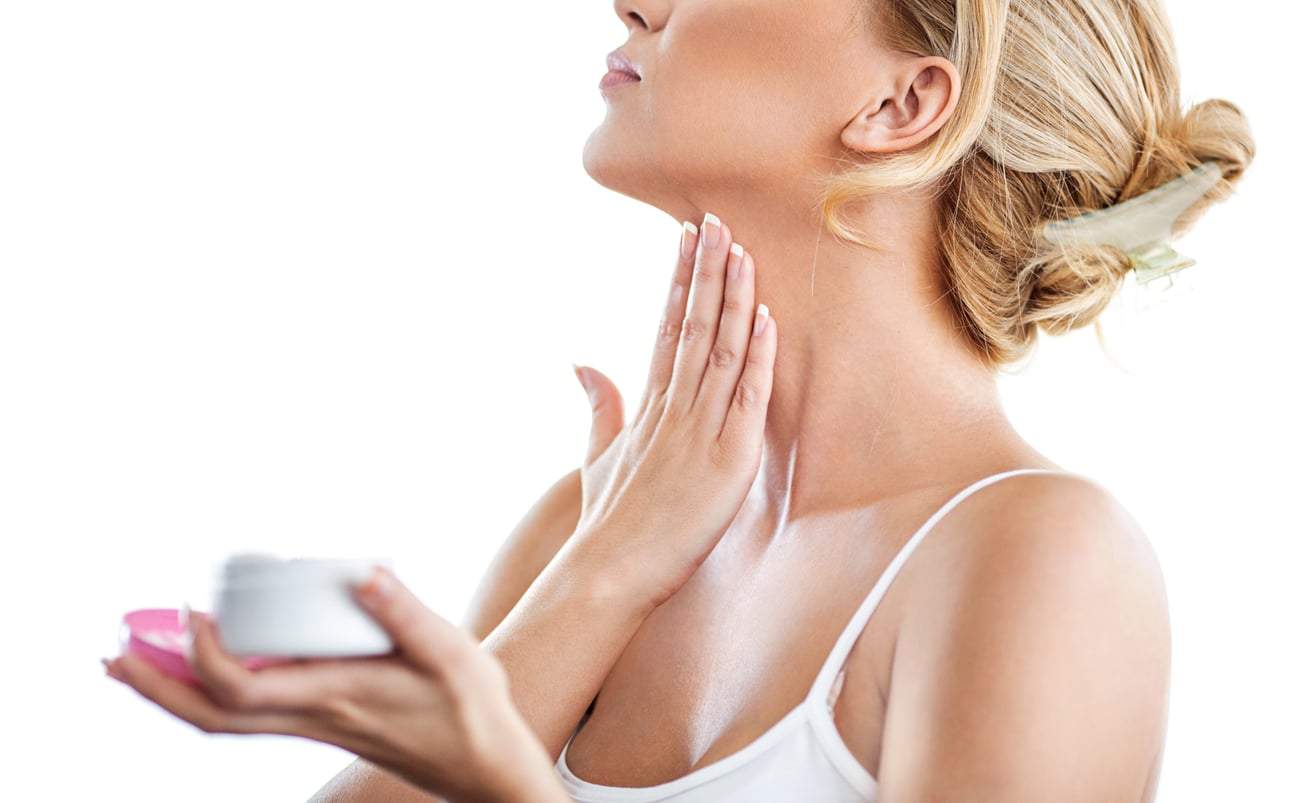
The fourth mistake — and maybe the most common — doesn't happen in the shower at all. It happens right after. In the few minutes after you towel off, your skin's surface dries out rapidly if it doesn't get any reinforcement.
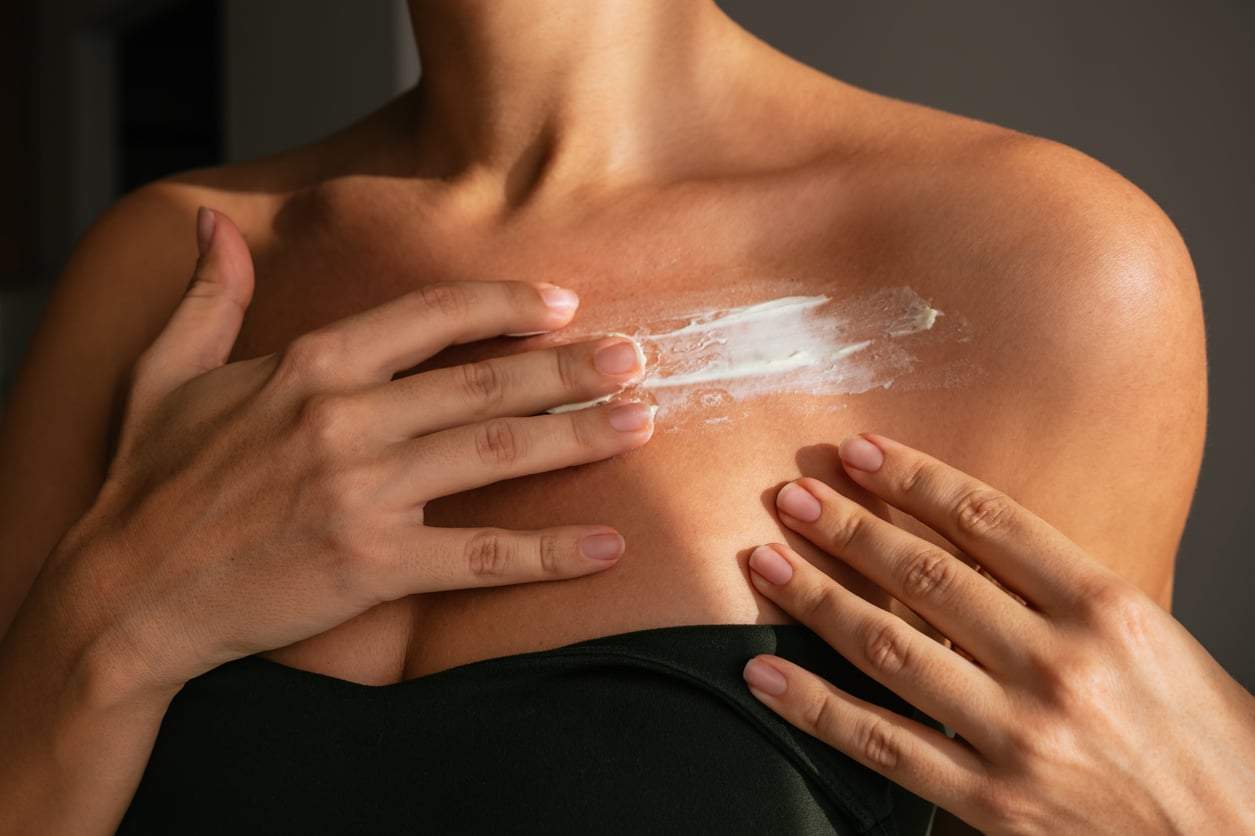
Many dermatologists call this the hydration window. If you apply a body lotion while your skin is still slightly damp, the product helps seal water into the skin — whereas the very same cream is far less effective on fully dry skin.
How you dry off matters, too. Rough rubbing can cause tiny micro-tears, while gently patting your skin and letting it soak up the towel is a much kinder approach.
On their own, each of these habits does a little damage. Together, they easily explain why your skin can still feel tight and thirsty even after a thorough shower. The good news? None of them require expensive products or a complicated routine — just a little attention to how you behave under the water.
Is hot water really that bad for your skin?
Very hot water breaks down the thin layer of oils that make up your skin barrier, so your skin loses moisture more easily afterward. Lukewarm, comfortably warm water is a gentler choice.
How long should a shower be to protect my skin?
Keep it short and focused. After about five to ten minutes, the top layer of your skin gets oversaturated and then loses moisture faster once you're out.
When is the best time to apply body lotion?
Right after your shower, while your skin is still slightly damp. Applying lotion during this hydration window helps seal water into the skin, which makes it far more effective than using it on fully dry skin.
Do I need to soap my whole body every day?
Not necessarily. Wash the areas that sweat and get dirty more thoroughly, and let water plus a mild, fragrance-free cleanser handle the rest so your skin can recover between showers.