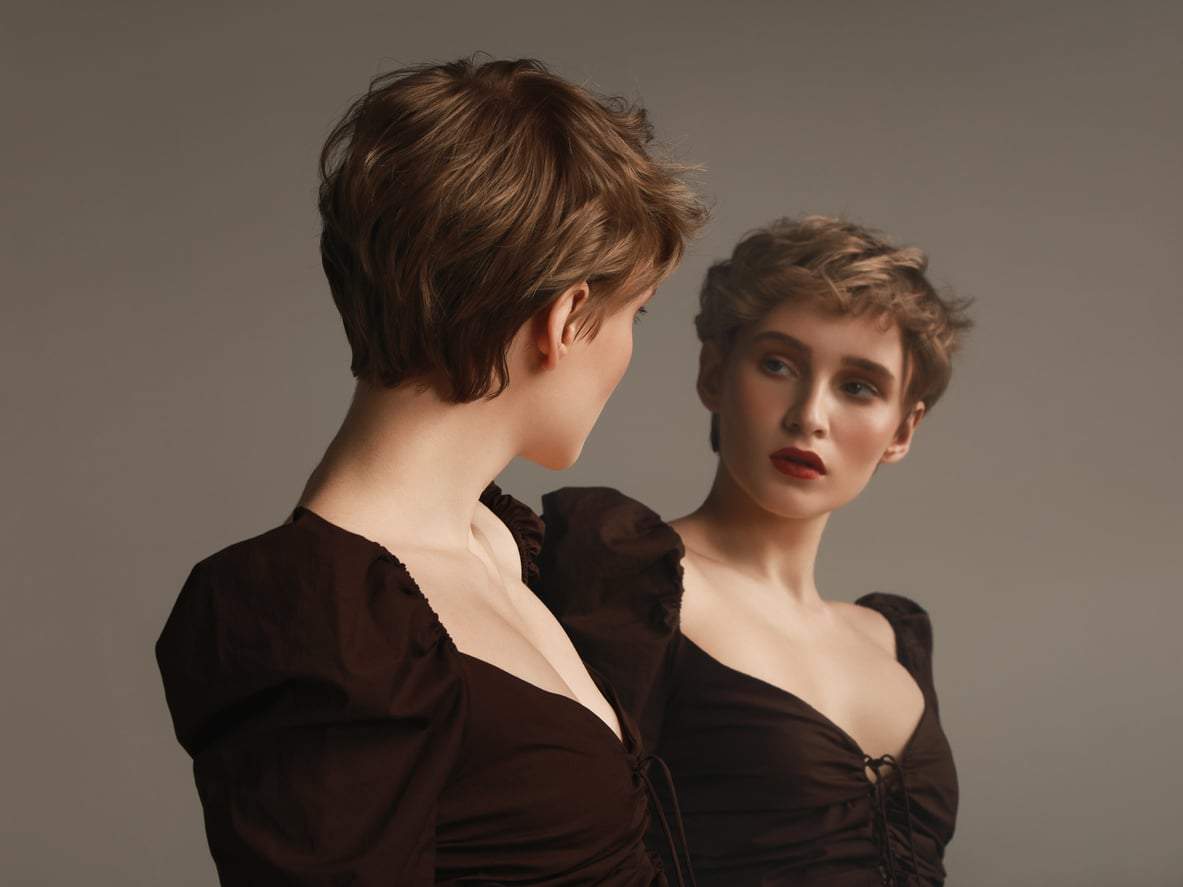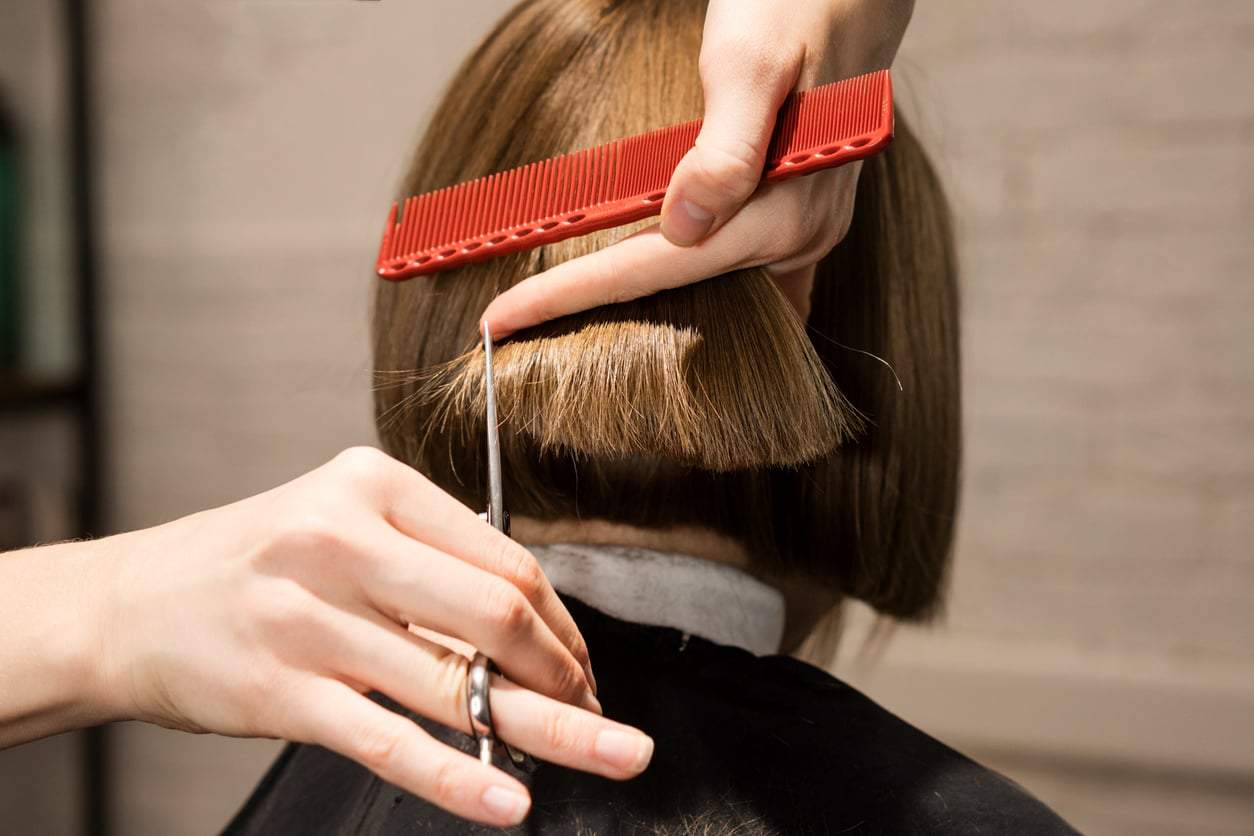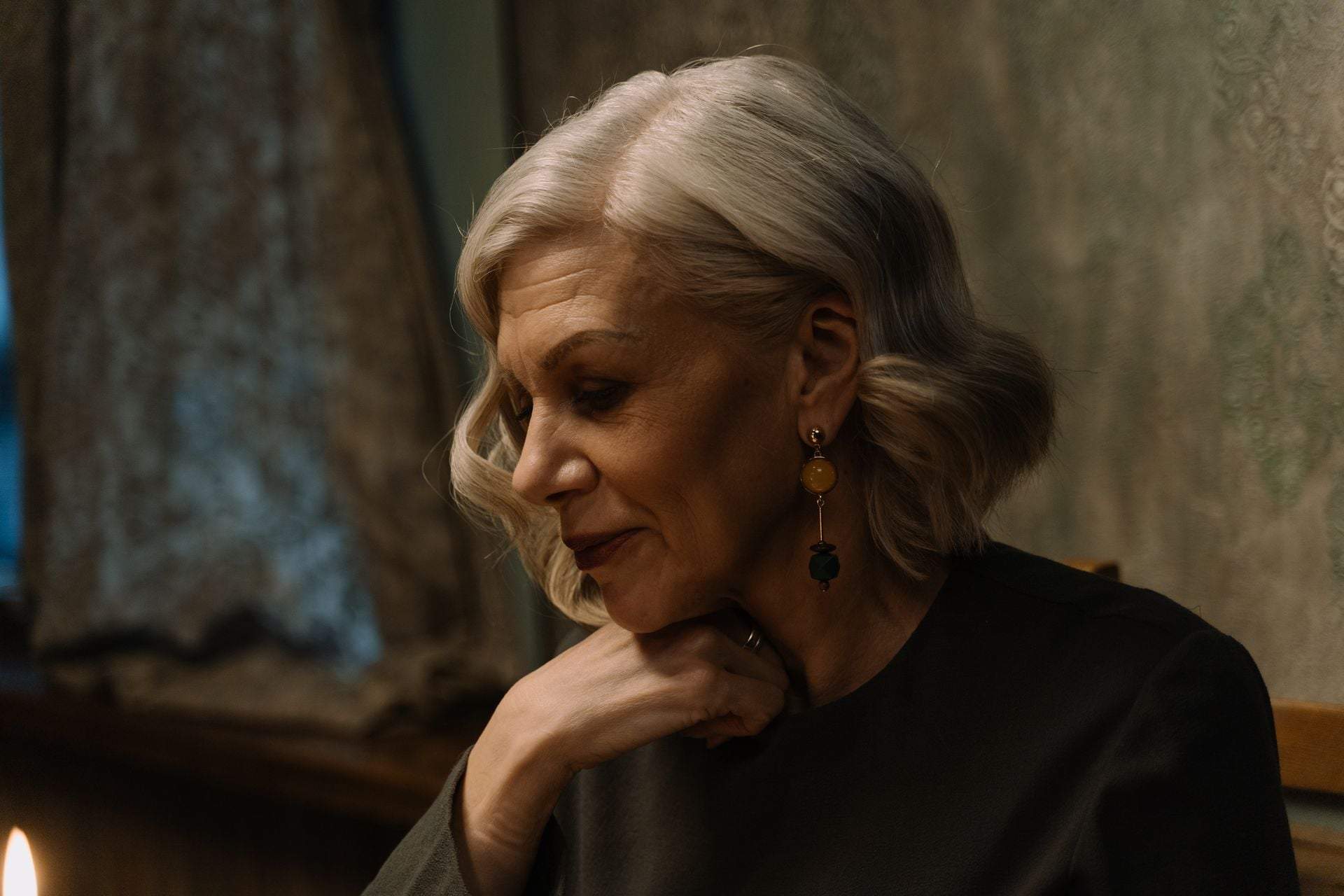
There is a moment, usually the first week you need a jacket, when summer hair stops making sense. The lightened ends that looked sun-touched in July suddenly read as tired. The pale, cool blonde that suited a tan looks slightly severe against a September face. And so the salon searches begin: deeper brunette, warm chestnut, copper, chocolate with a bit of red in it.
The instinct is right. What goes wrong is the execution — specifically, the way a single depth of colour applied from root to tip can flatten hair into something that looks painted on rather than grown. The fix is not a different shade. It is understanding that rich autumn colour is built from at least two tones, and that shine does more work than pigment.
Depth is the decision, tone is the detail
Before you think about whether you want coffee brown or copper, decide how many levels darker you actually want to go. One to two levels below your natural depth is the safe, flattering zone: it adds richness, frames the face and still bounces light. Three or four levels darker is a genuine transformation, and it changes how much contrast there is between your hair, your brows and your skin — which usually means your make-up has to shift too, or you look washed out and blame the colour.
Tone is the easier part. Warm tones — toffee, chestnut, russet, whisky-ish coppers — tend to flatter skin that looks good in gold jewellery and camel coats. Cooler tones — ash-leaning brunette, cool espresso, mushroom — suit skin that comes alive in silver, grey and navy. Your eye colour matters less than people think. Your eyebrows matter more: if the colour makes your brows disappear, it is too dark or too warm for you.
Why flatness happens, and how to design it out
Flat hair colour is almost always a lighting problem, not a pigment problem. Hair looks expensive when light moves across it, which requires variation: slightly deeper at the root, a touch lighter through the mid-lengths where the light naturally hits, and ends that are not noticeably paler than everything else.
If you are going darker over previously highlighted hair, ask for a root shadow or root melt rather than a single flat application — the colour starts deepest at the scalp and softens as it travels down. If your hair is virgin and all one colour, a handful of fine face-framing pieces one or two levels lighter is usually all it takes. Think of it the way you would think about a room: one paint colour everywhere is not restful, it is airless.
Gloss is the cheapest upgrade in hair
A demi-permanent gloss or glaze deposits tone and closes the cuticle, which is what produces that glassy, reflective finish you see in salon photographs. It fades gently rather than growing out with a hard line, and it is the sensible entry point if you are not sure about committing to a full colour change. Book one in September, another in late autumn, and your existing colour will look like a different, richer version of itself.
At home, the maintenance list is short and genuinely effective: wash less often than feels natural, use lukewarm rather than hot water, add a colour-safe conditioner or mask weekly, and rinse the last time with the coolest water you can stand. Heat styling above what you actually need is the fastest way to strip warmth out of a new colour, so turn the temperature down a notch and use a heat protectant every single time.
Will going darker make my hair look flat and heavy?
It can, if the colour is applied at one uniform depth from root to tip, and especially if your hair is fine or one length. Ask for dimension built in — a softer root, a few lighter pieces around the face, or a gloss with some warmth in it rather than a solid matte tone — and ask your stylist to keep a little contrast between your hair and your brows so your features do not get swallowed.
How do I stop copper fading into brassy orange?
Red and copper molecules are the largest and the most prone to washing out, so the real strategy is slowing the fade rather than correcting it later. Wash less frequently, keep the water cool, use a colour-depositing conditioner in a matching copper tone every second or third wash, and book a gloss top-up roughly every six to eight weeks so the tone is refreshed before it collapses into brass.
If you are starting from a heavily lightened base, or you have had colour go wrong before, take photographs to your consultation — both what you want and what you did not want last time. A picture of a result you disliked tells a colourist more in ten seconds than a paragraph of adjectives.