You've switched shampoos, cut back on heat styling, tried the pricey serum everyone raves about — and yet the flakes, the shedding, or the greasy roots keep coming back. Frustrating, right?
Here's the twist most people miss: scalp and hair problems aren't always about what you put on your hair. Dandruff, thinning, and excess oil can be outward signs of what's going on inside — stress, hormones, nutrient gaps, or a body that's quietly out of balance. That's exactly why the usual haircare routine sometimes falls flat. To fix the problem, you often have to look beneath the surface.
Why your hair is falling out
Losing some hair every day is completely normal — it's just part of your hair's natural cycle. But when the shedding ramps up or drags on for weeks, it's worth paying attention.
Hormonal shifts are a common culprit. An underactive thyroid or the changes that come with menopause can trigger noticeable hair loss, and stress plays a bigger role than most of us realize. Nutrition matters too. When your body is running low on key building blocks — iron or B vitamins, for example — your hair growth can take the hit.
Dry hair and split ends
Dry, dull hair and brittle, splitting ends are easy to ignore — but they're often trying to tell you something. Dehydrated hair frequently signals that your body simply isn't getting enough fluids.
It's not only about how much water you drink, though. What's on your plate matters just as much. Healthy fats — especially omega-3s — are essential for strong, glossy hair. Without them, strands can dry out, and your skin may lose its bounce and glow too.
Scalp trouble: dandruff and itching
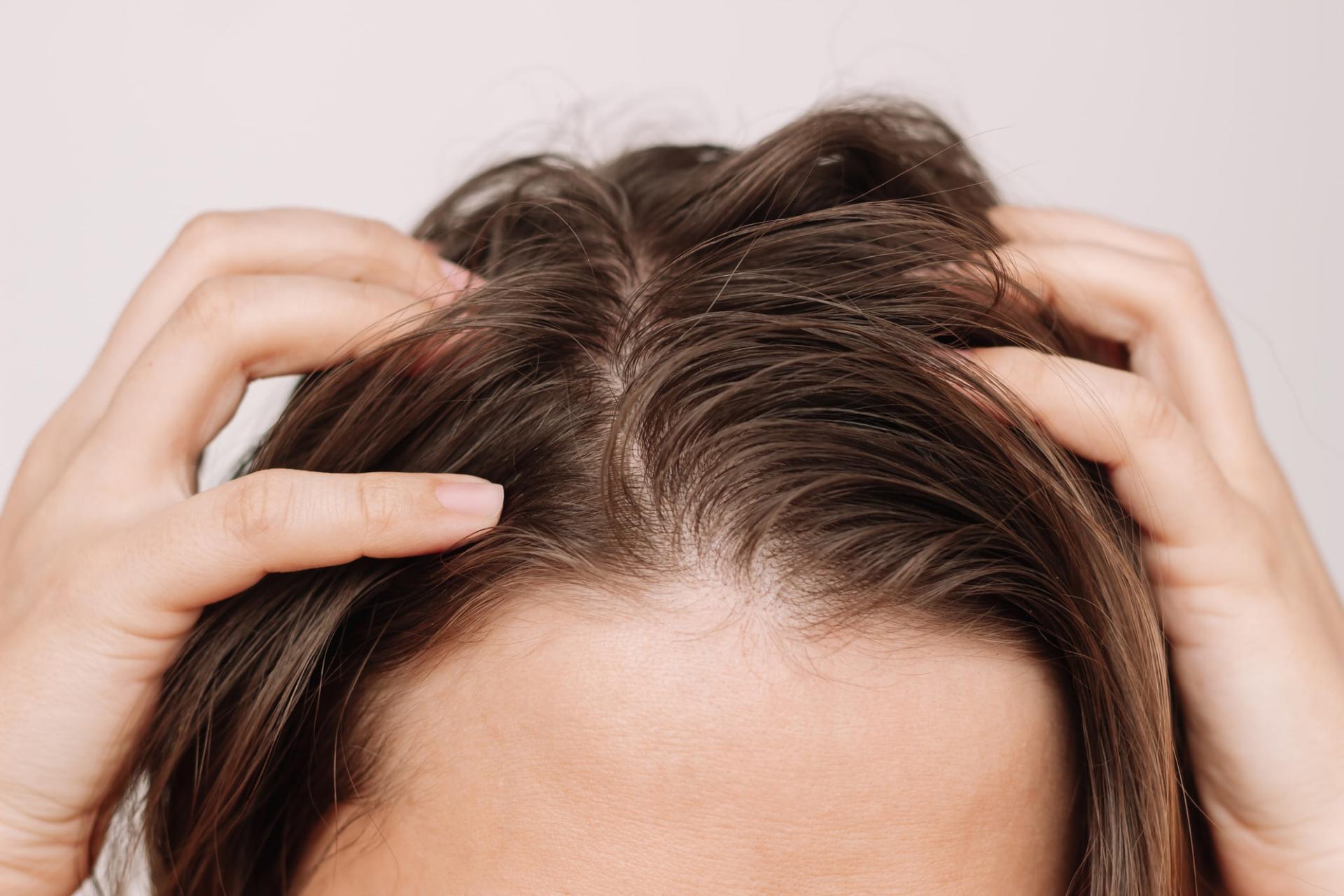
Few things dent your confidence quite like an itchy, flaking scalp. And dandruff can have several triggers, including hormonal ups and downs, stress, or even the wrong anti-dandruff products for your scalp.
Fungal infections can cause similar symptoms too, and in more stubborn cases those may need medical treatment. If you're dealing with a persistently itchy or flaky scalp, it's worth seeing a dermatologist who can pinpoint the real cause and match it with the right treatment.
Oily hair and greasy roots
Overactive oil glands and hair that looks greasy hours after washing aren't just a cosmetic annoyance. This is often a sign that your hormones may be out of balance — think polycystic ovary syndrome (PCOS) or the hormonal surges of the teenage years.
Choosing the right haircare helps, but if the greasiness is persistent, a visit to an endocrinologist can help uncover what's driving it.
When your hair color changes
Sometimes an unexpected change in hair color is worth a second look. Fading or graying is usually a natural part of getting older, but premature graying can point to a vitamin B12 deficiency, low iron, or simply your genes.
In some cases, thinning and fading strands are linked to autoimmune conditions such as alopecia areata, where the immune system mistakenly attacks the hair follicles.
How to keep your hair healthy
When it comes to caring for your hair, the right products and a nourishing diet matter just as much as regular check-ups. A balanced diet rich in nutrients, omega-3 fatty acids, iron and vitamins supports growth and keeps strands strong.
And don't underestimate stress. Its long-term effects reach far beyond your mood — they can quietly undermine your physical health, and your hair right along with it.
The link between your overall health and the state of your hair is real. So if you notice anything worrying on your scalp or in your strands, don't put off seeing a professional. Acting early protects not just your hair's beauty, but your whole well-being.
Can hair problems really be a sign of something internal?
Yes. Dandruff, hair loss and excess oil can reflect stress, hormonal changes or nutrient deficiencies inside the body, not just external haircare habits.
Which nutrient deficiencies affect hair the most?
Low iron and a lack of B vitamins can affect hair growth, while missing omega-3 fatty acids can leave strands dry and dull. A balanced, nutrient-rich diet helps support healthy hair.
When should I see a doctor about my hair or scalp?
If shedding increases or lasts a long time, or if you have persistent itching, flaking or an unexplained change in hair color, it's worth seeing a dermatologist or endocrinologist to find the underlying cause.
Can stress cause hair loss?
Yes. Stress can play a significant role in intense hair loss, and its long-term effects can also harm your physical health, so managing it matters for your hair too.