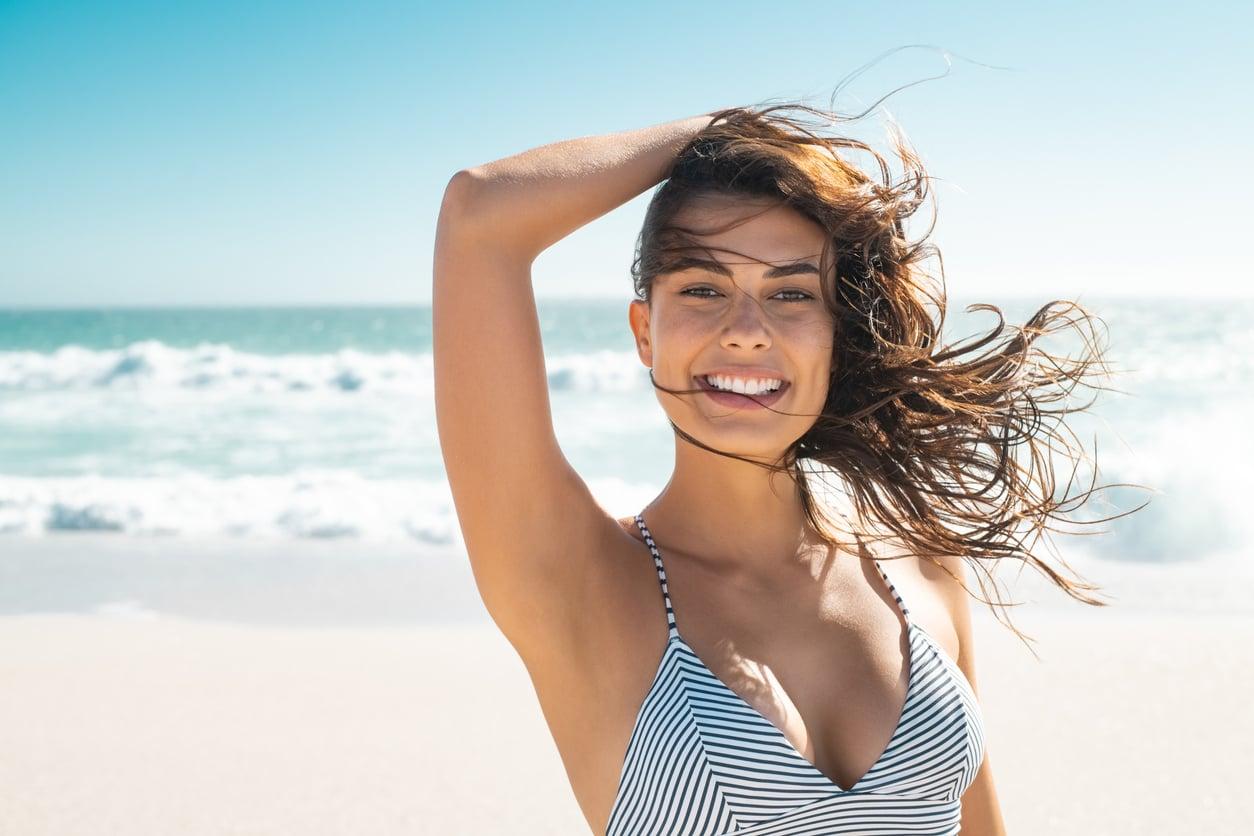
Sun, salt water, chlorine and a lot of rough handling — summer puts your hair through more than any other season. And most of the damage doesn't happen because of the heat itself, but because of a few easy-to-avoid mistakes we make at the beach.
The good news? A smart summer routine can keep your hair hydrated, healthy and shiny, even at the end of a long beach season. Here's exactly how to protect it.
The invisible enemies of summer hair damage
Sunlight doesn't just affect your skin — it attacks the structure of your hair, too. According to master stylist Zoltán Hegedüs, founder of the BubblyPro hair care brand, the sun doesn't only burn your skin; it also breaks down and fades the hair itself.
In summer your hair is under attack on two fronts at once. Strong UV radiation on one side, constant physical stress on the other — and together they can lead to fast dryness and dullness.
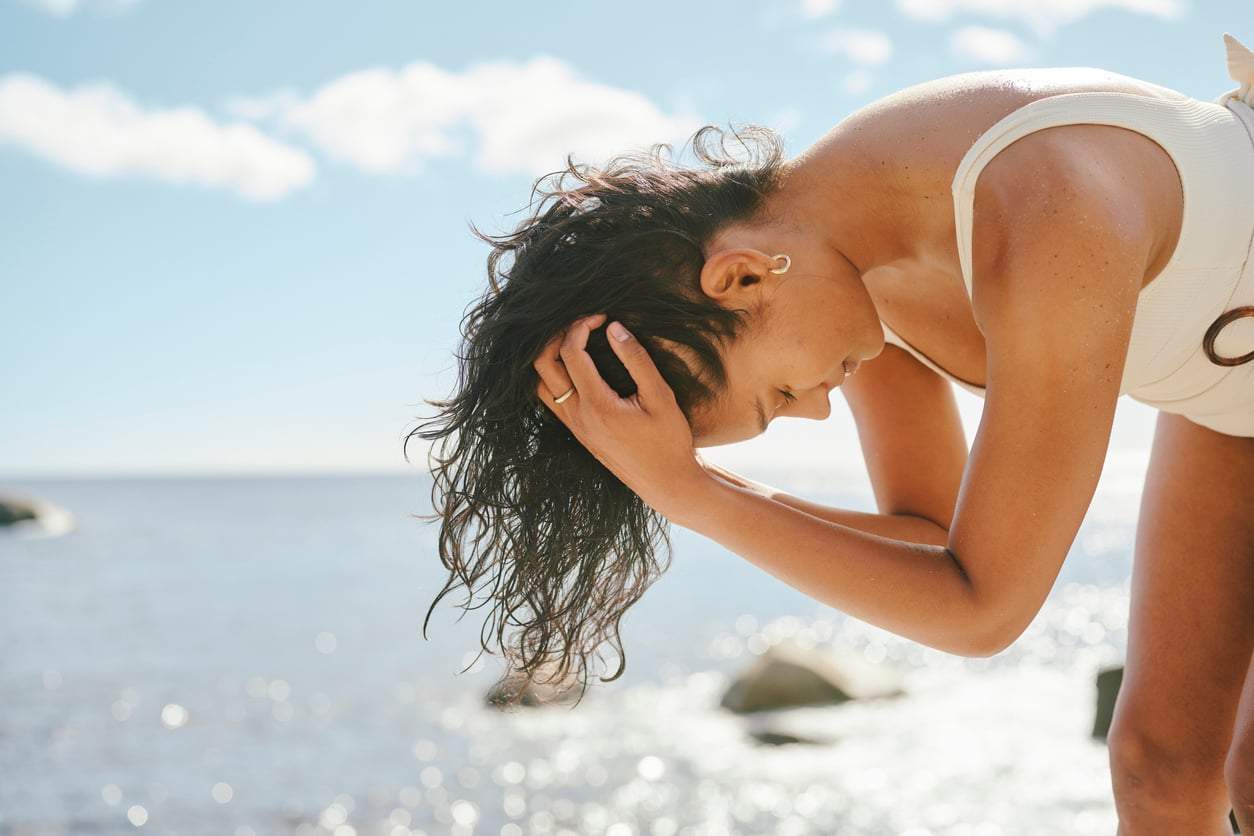
The expert also points out something most people overlook: wet hair is far weaker and more fragile than dry hair. Combing it roughly in that state — especially straight after a swim — can easily cause breakage and split ends.
A smarter summer hair care routine
The key to prevention is consistent, gentle care. As Zoltán Hegedüs puts it: "If you follow a silicone- and sulfate-free routine all year round, you don't really have to do much extra, because your hair is already in its best possible shape."
During beach season, though, it's worth adding a few extra steps:
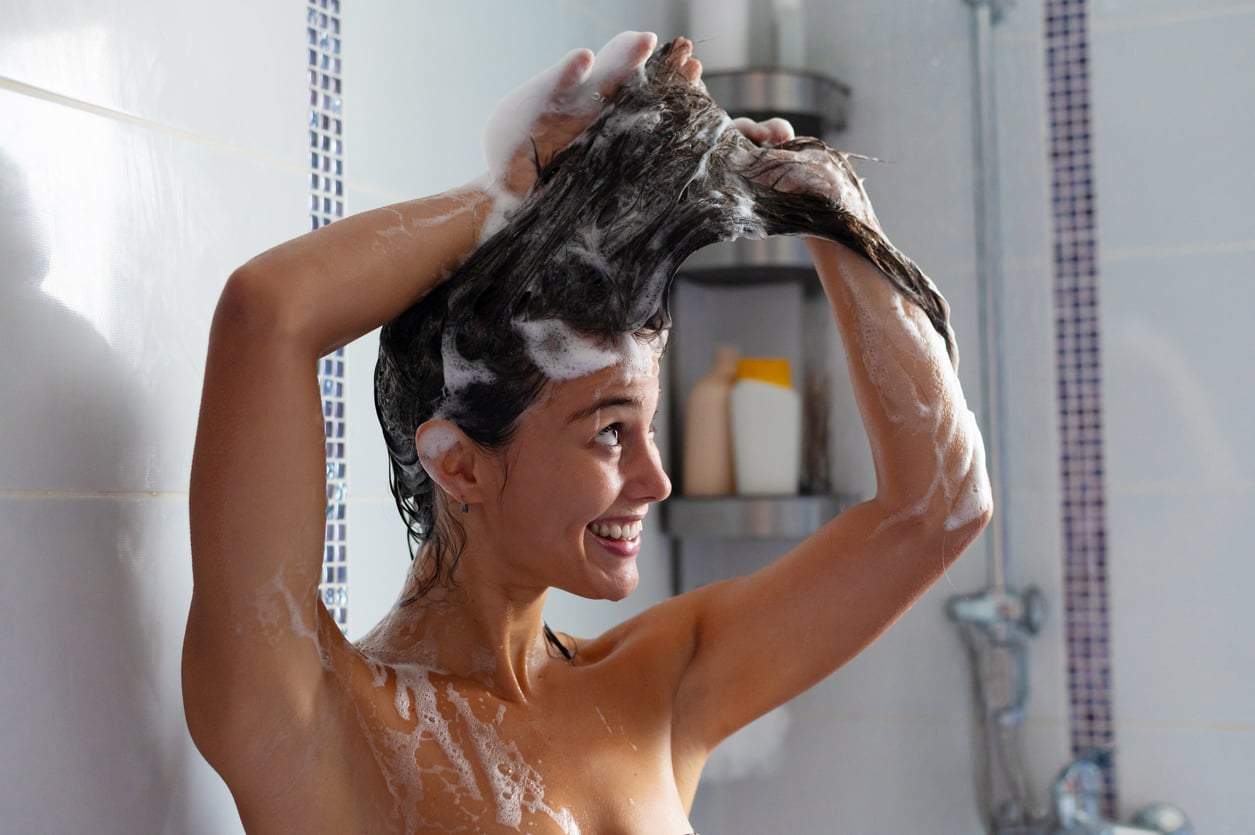
- Double cleanse: always wash your hair twice, strictly with a sulfate-free shampoo.
- Longer contact time: let your conditioner or mask sit on towel-dried hair a little longer than usual.
- Leave-in conditioner: mist it through before drying for continuous hydration.
- Ends oil: apply after drying to lock in moisture where hair is driest.
The expert also warns about one common everyday mistake: "Never rub your hair hard with a towel," because it causes frizz and breakage.
If you love making the most of your holiday look, you might also enjoy our guide to the prettiest beach hairstyles for your vacation.
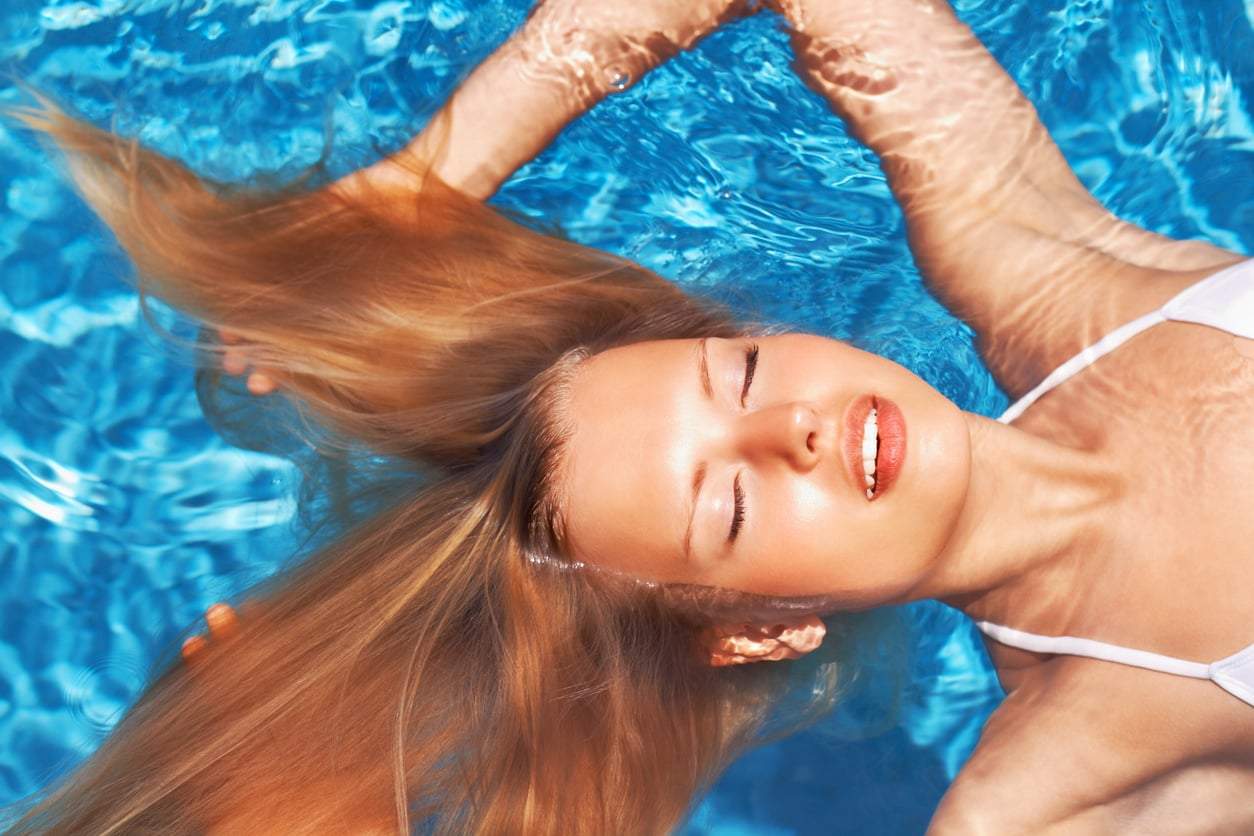
Chlorine or salt water: which one is worse?
Both pools and the sea are tough on your hair — but in very different ways.
"Chemically, chlorinated water is more dangerous; physically, it's salt water," says Zoltán Hegedüs.
Chlorine dries the hair out and, on lightened or bleached hair, can even cause a greenish tint. Salt water, on the other hand, crystallizes on the surface of the strands, making them rough — which leads to tangling and breakage.
The "sponge method" for protection
According to the expert, there's a simple and effective defense he calls the "sponge method": "Before you get in the water, wet your hair with fresh water, then spray it with a leave-in conditioner."
Once the strands are already saturated, they can no longer soak up the harmful salt or chlorinated water.
Physical protection: the most important summer step
When it comes to the summer sun, a hat or a scarf is the most effective protection there is. Zoltán Hegedüs says these "offer 100% physical protection for the scalp and hair," because they create shade and directly reduce UV exposure.
UV-filter hair products play a much smaller role: "UV protection sprayed onto the hair is nowhere near as effective as sunscreen applied to the skin," because it easily washes off or disappears.
Colored and bleached hair: extra vulnerable in summer
Chemically treated hair has a more porous structure, so it absorbs harmful substances faster. "With bleached hair, over-saturating with leave-in is a must," because it dries out and discolors so easily.
The expert highlights three basic rules:
- Use a leave-in conditioner before every trip to the beach.
- Wear a hat or scarf to prevent fading.
- Stick to sulfate- and silicone-free hair care.
The most common summer mistakes
Hair damage often comes down to simple but serious mistakes. According to Zoltán Hegedüs, the biggest harm isn't caused by the sun itself, but by the bad habits we fall into at the beach.
The most frequent problems:
- skipping physical protection (sunbathing without a hat or scarf),
- combing wet hair too roughly,
- not rinsing out chlorine and salt,
- overusing silicone-based products.
"Silicone forms a plastic layer on the strands, so the hair slowly suffocates," the expert explains.
SOS tip: what to do when your hair is already dried out
If your hair has already lost its shine and elasticity, there's still a way back. According to the expert, "chlorine and salt can only be 100% removed from the strands with a proper shampoo wash."
The key to recovery is deep hydration — and you can boost it with a little heat: "Warmth helps the nourishing ingredients penetrate the inside of the strands much faster."
The at-home "steam therapy"
In the evening, try this:
- wash your hair with a sulfate-free shampoo,
- apply a mask to towel-dried hair,
- wrap it in a towel and let it rest,
- then allow a little gentle warmth to work its way in.
This can help restore your hair's hydration and elasticity.
Summer hairstyles that are kind to your hair
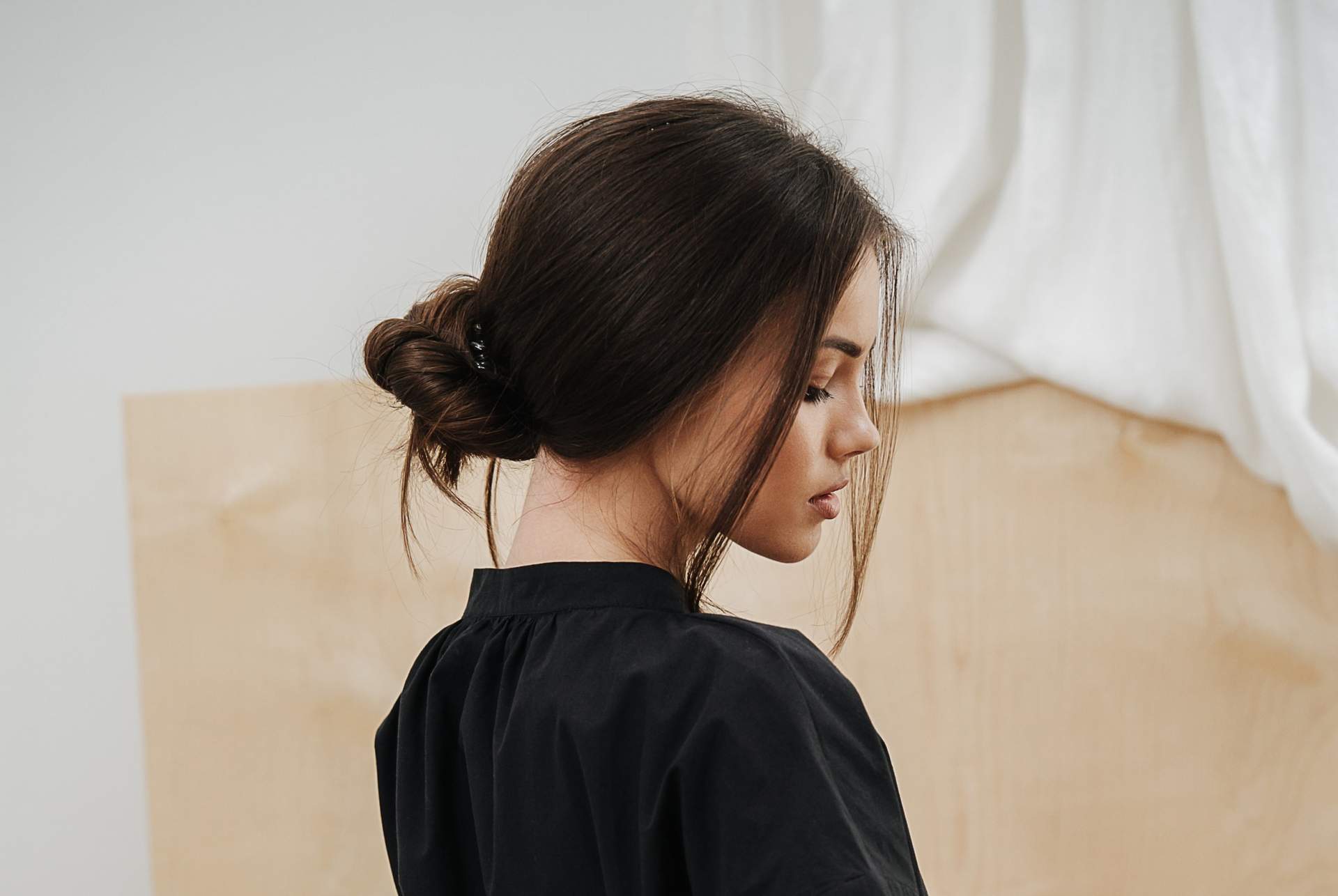
The right hairstyle isn't just practical — it also protects your hair. The expert recommends using soft fabric or silk hair ties, since they're much gentler on the strands and less likely to break them.
Recommended styles:
- a loose high bun,
- braids (fishtail or Dutch),
- a headscarf or turban look.
Braids, for example, can even work as a "one-day deep-conditioning treatment" if you make them with a leave-in conditioner in.
A little awareness goes a long way
The secret to summer hair care is awareness. The right protection, gentle handling and regular hydration work together to keep your hair healthy, even in the fiercest heat.
As master stylist Zoltán Hegedüs emphasizes: the biggest difference doesn't come from the products you buy, but from your daily habits.
Does salt water or chlorine damage hair more?
According to the expert, chlorine is the more chemically damaging of the two, while salt water is harder on hair physically. Chlorine dries hair out and can even turn bleached hair greenish, whereas salt crystallizes on the strands and causes tangling and breakage.
How can I protect my hair before swimming?
Use the "sponge method": wet your hair with fresh water and spray it with a leave-in conditioner before getting in. Once the strands are saturated, they can't absorb as much salt or chlorinated water.
Do UV-protection hair sprays actually work?
They help, but only to a limited degree. The expert notes that UV protection sprayed onto hair is far less effective than sunscreen on skin, because it washes off or wears away easily — a hat or scarf offers much stronger protection.
What should I do if my hair is already dry and dull?
Wash it properly to remove all chlorine and salt, then focus on deep hydration. Applying a mask to towel-dried hair, wrapping it in a towel and adding gentle warmth can help restore moisture and elasticity.
Why is bleached or colored hair more at risk in summer?
Chemically treated hair is more porous, so it absorbs harmful substances faster and dries out or discolors more easily. That's why over-saturating it with leave-in conditioner and keeping it covered is especially important.