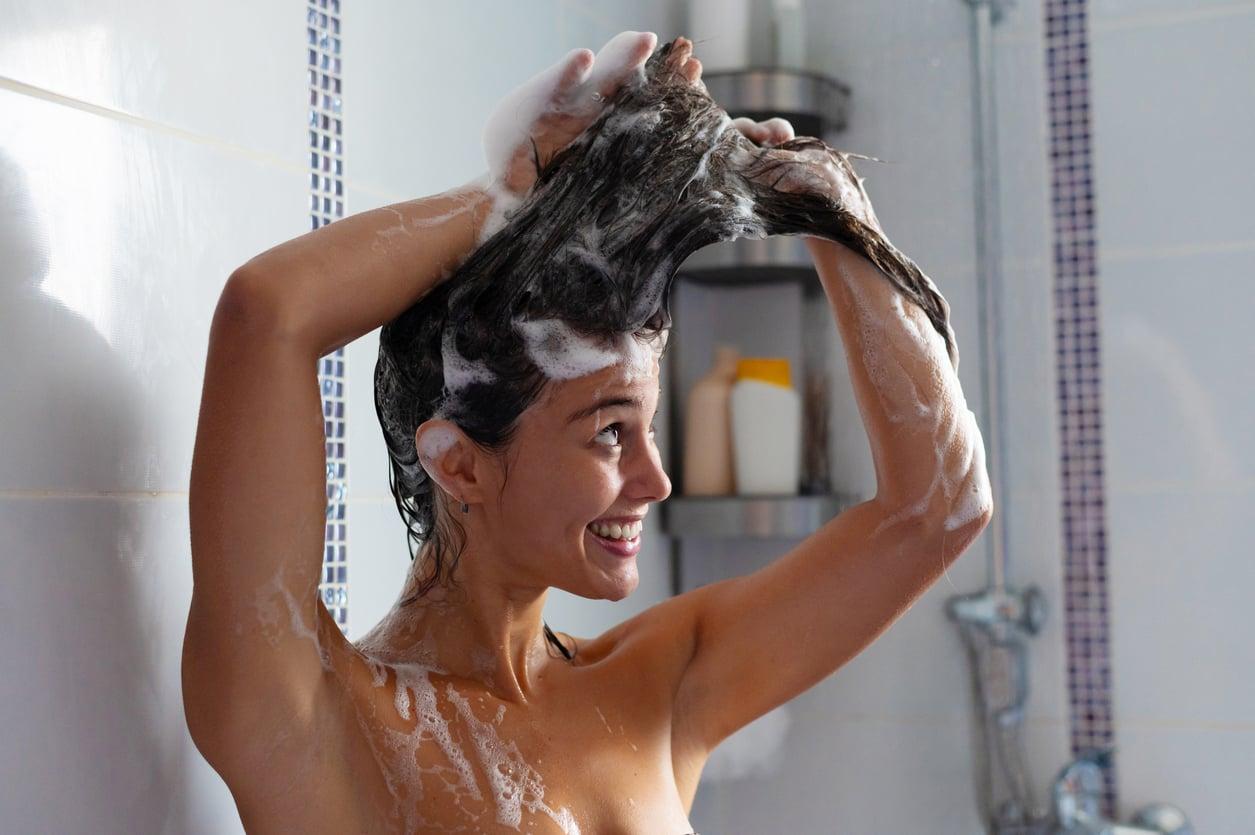
Most of us assume great hair starts with the right shampoo. But according to the pros, the truth is much smaller and more surprising: it's the tiny, everyday habits that really decide whether your hair looks healthy or worn out.
One of the biggest culprits? The way you apply conditioner. Many people put it exactly where it does the least good — and skip the spots that need it most.
HuffPost asked several respected stylists which hair care mistakes they never make, on their own hair or on their clients'. Their advice goes beyond a prettier blowout. It reveals the simple habits that help keep hair strong, shiny, and healthy for the long haul.
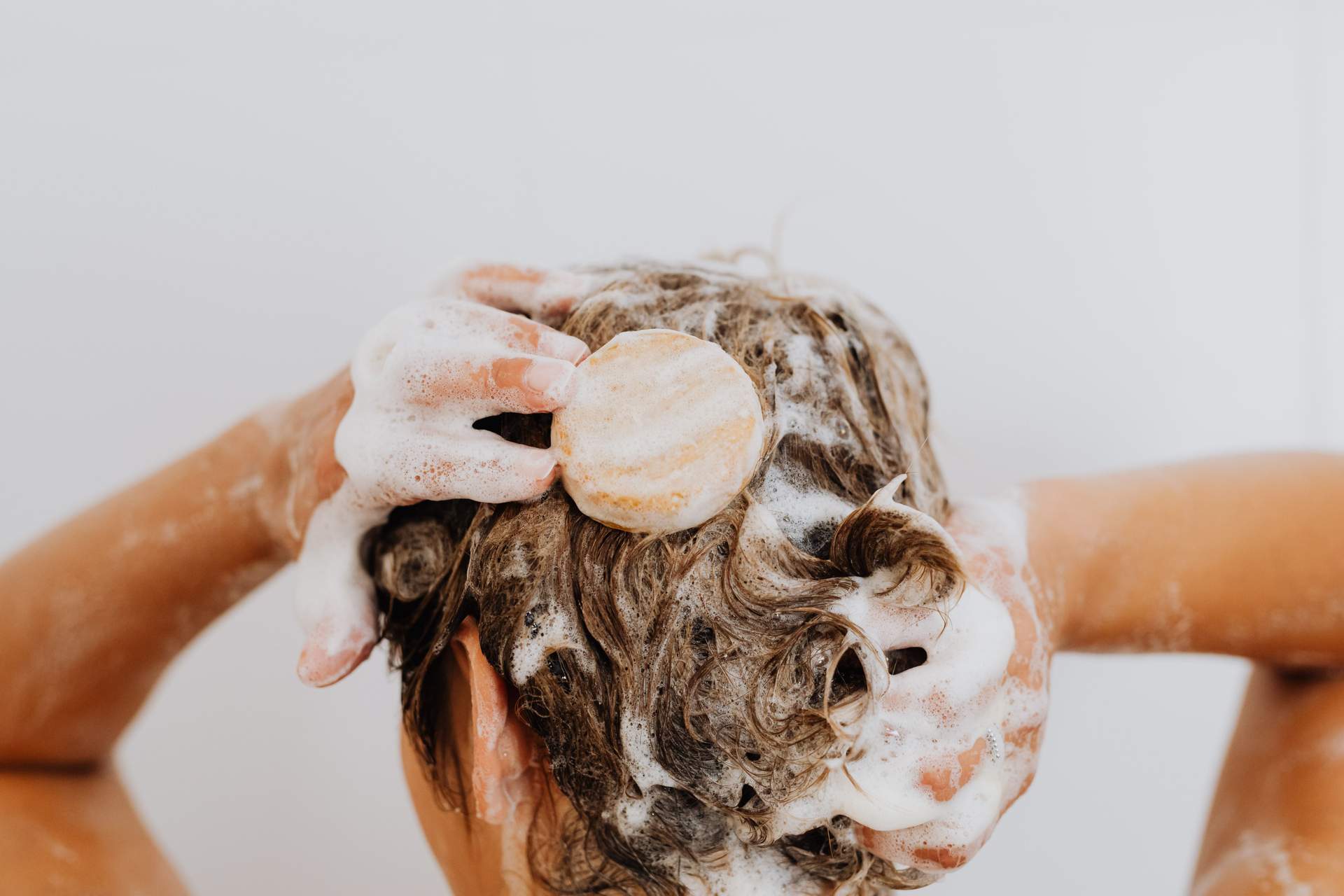
Conditioner doesn't belong at the roots
Plenty of people apply conditioner the same way they apply shampoo — straight onto the scalp and roots. According to Tatum Neill, creative director at Aveda Arts & Sciences Institutes and Elevate Hair, that's one of the most common mistakes out there.
His reasoning is simple. The job of shampoo is to clean the scalp, where oil, sweat, and buildup collect. Your ends, on the other hand, are naturally much drier, because the scalp's oils barely reach them. That's exactly why conditioner should go mainly on the mid-lengths and ends, where the hydration is actually needed.
When conditioner lands on the roots, hair often feels heavier and gets greasy faster — while the ends, which take the most abuse, don't get the care they need.
But skipping conditioner isn't the answer either
Some people avoid conditioner entirely, worried it'll leave their hair flat and lifeless. Ash Therese, director of The Bird House Salon in New York, says that's a mistake too — because these days there's a formula for nearly every hair type.
Think of it like skincare, she says: you wouldn't cleanse your face and then skip moisturizer. Hair works the same way, and needs to reclaim the moisture that shampoo strips away. This matters especially for colored, bleached, or permed hair.
A good conditioner or leave-in treatment can make a real difference to your hair's elasticity and shine. Two-in-one shampoo-and-conditioner products, she notes, rarely deliver the targeted care you get from using the two separately.
What about sulfate shampoos?
Hair care expert Titi Bello, founder of Ori Lifestyle, says both types of shampoo have their place — even though many people now swear exclusively by sulfate-free shampoos.
In her experience, sulfate shampoos remove buildup more effectively, clearing away excess oil and leftover styling products. She's seen stubborn flaking and scalp buildup improve noticeably in clients who started reintroducing a sulfate shampoo every so often.
Of course, anyone who's sensitive to these ingredients should steer clear of them. But for most people, occasional use is nothing to worry about.
Never use hot tools without heat protection
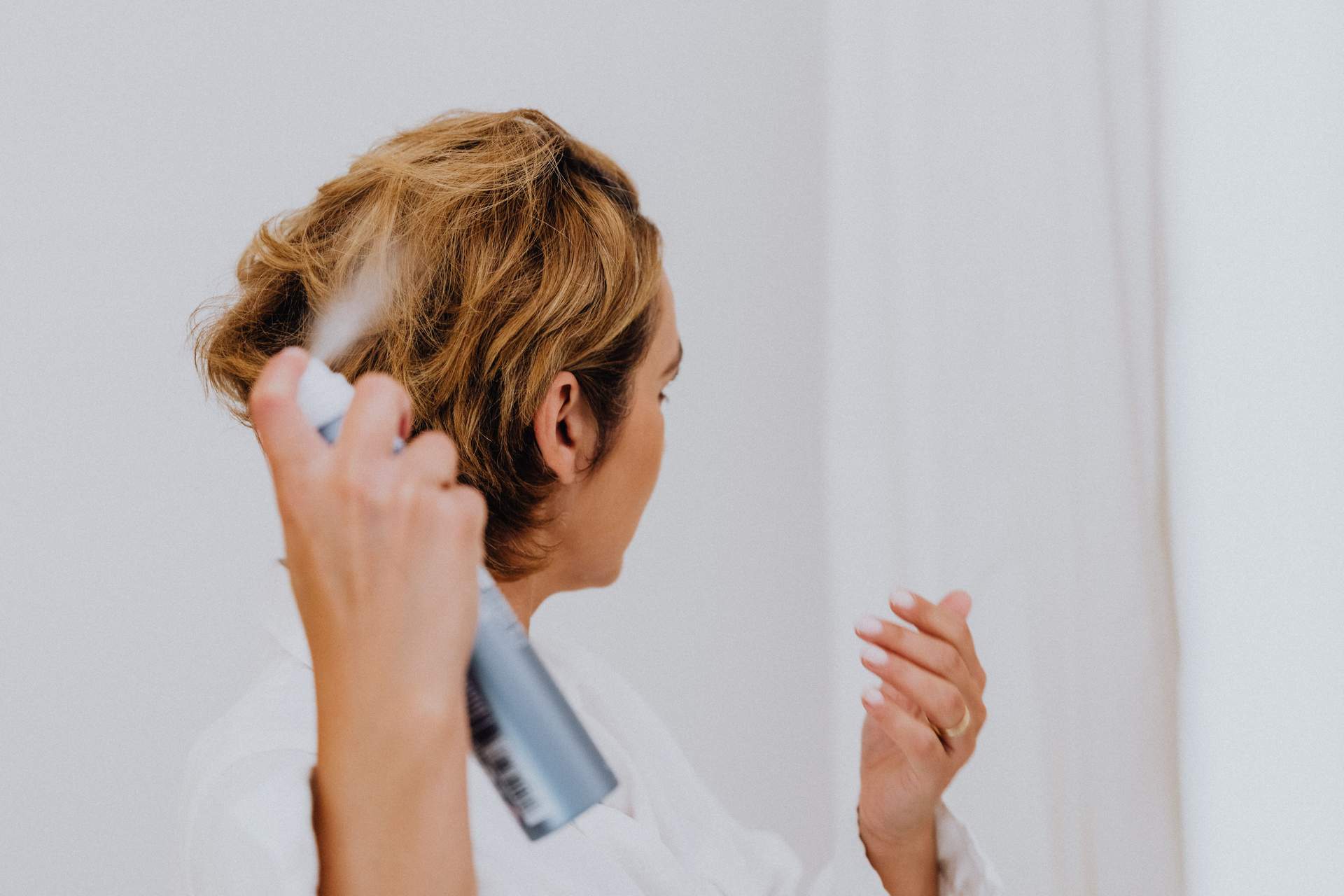
Flat irons, curling wands, and even your blow-dryer all put serious stress on your hair. According to Shantel Keeley, co-owner of Platinum Salon in Connecticut, using a heat protectant before every styling session is non-negotiable.
In her experience, heat damage is irreversible: dried-out, splitting strands simply can't be repaired, which is why prevention matters most.
It's also worth remembering that heat protectants don't last forever. Once opened, they have a shelf life too — usually shown by the little open-jar symbol on the packaging.
When you dry your hair, start at the roots
Tatum Neill says a lot of people slip up by drying their ends first. The problem: moisture left at the roots then travels back down and re-dampens the lengths you've already dried, forcing you to reheat the same hair all over again.
The faster, gentler approach is to dry the roots first, then work your way gradually down toward the ends.
Cheap styling tools can cost you more
Ash Therese is clear that pricier isn't automatically better. But with extremely cheap devices, quality is usually the first thing to suffer.
In her experience, low-quality blow-dry brushes and flat irons often heat unevenly, run too hot, and cause breakage more easily. Before you buy, it pays to check the tool's reliability and read a few honest reviews.
You don't need to crank the flat iron to max
Many people believe the hotter the tool, the longer their style will hold. Shantel Keeley says that's simply not true.
While plenty of flat irons can climb to around 230 °C (450 °F), most hair types do perfectly well at a much lower setting. Excessive heat can easily wreck the hair's structure — especially for colored or fine hair.
Tight hairstyles can damage hair over time
Tight ponytails, aggressively braided styles, and high-tension extensions all put real strain on the follicles as the years go by.
Trichologist Nikka Whisenhunt warns that constant pulling can even lead to thinning hair.
Titi Bello adds that hair naturally loses strength and density as we age. That's why it's worth adjusting your hair care habits to your stage of life, and wearing styles that keep your scalp under constant tension less often.
Consistency is what really pays off
According to Nikka Whisenhunt, the secret to healthy hair isn't one miracle product — it's consistent care. Regular trims, snipping away split ends, the occasional deep-conditioning treatment, and proper scalp care all work together to protect your hair's beauty.
And that's true whether you wear your hair completely natural or color and bleach it regularly.
A few small changes go a long way
What stylists see again and again is that the most damaging hair care mistakes aren't dramatic — but over time, they make a real difference.
You're already doing your hair a big favor if you:
- apply conditioner mainly to the ends,
- never skip hydration,
- use a heat protectant before hot tools,
- and avoid both excessive heat and overly tight hairstyles.
These simple habits can help keep your hair strong, shiny, and easy to manage for far longer.
Where should you actually apply conditioner?
Focus conditioner on the mid-lengths and ends, where hair is naturally driest. Keeping it off the roots helps prevent your hair from feeling heavy or getting greasy too quickly.
Are sulfate shampoos bad for your hair?
Not for most people. Sulfate shampoos clear buildup, excess oil, and product residue effectively, and occasional use is generally fine. Only those who are sensitive to these ingredients should avoid them.
Do I really need a heat protectant every time?
Yes. Stylists consider it essential before any hot tool, because heat damage is irreversible — once strands are dried out and splitting, they can't be repaired.
What's the best way to blow-dry hair?
Start with the roots and work gradually toward the ends. This stops leftover moisture at the roots from re-dampening the lengths, so you don't have to reheat the same hair twice.