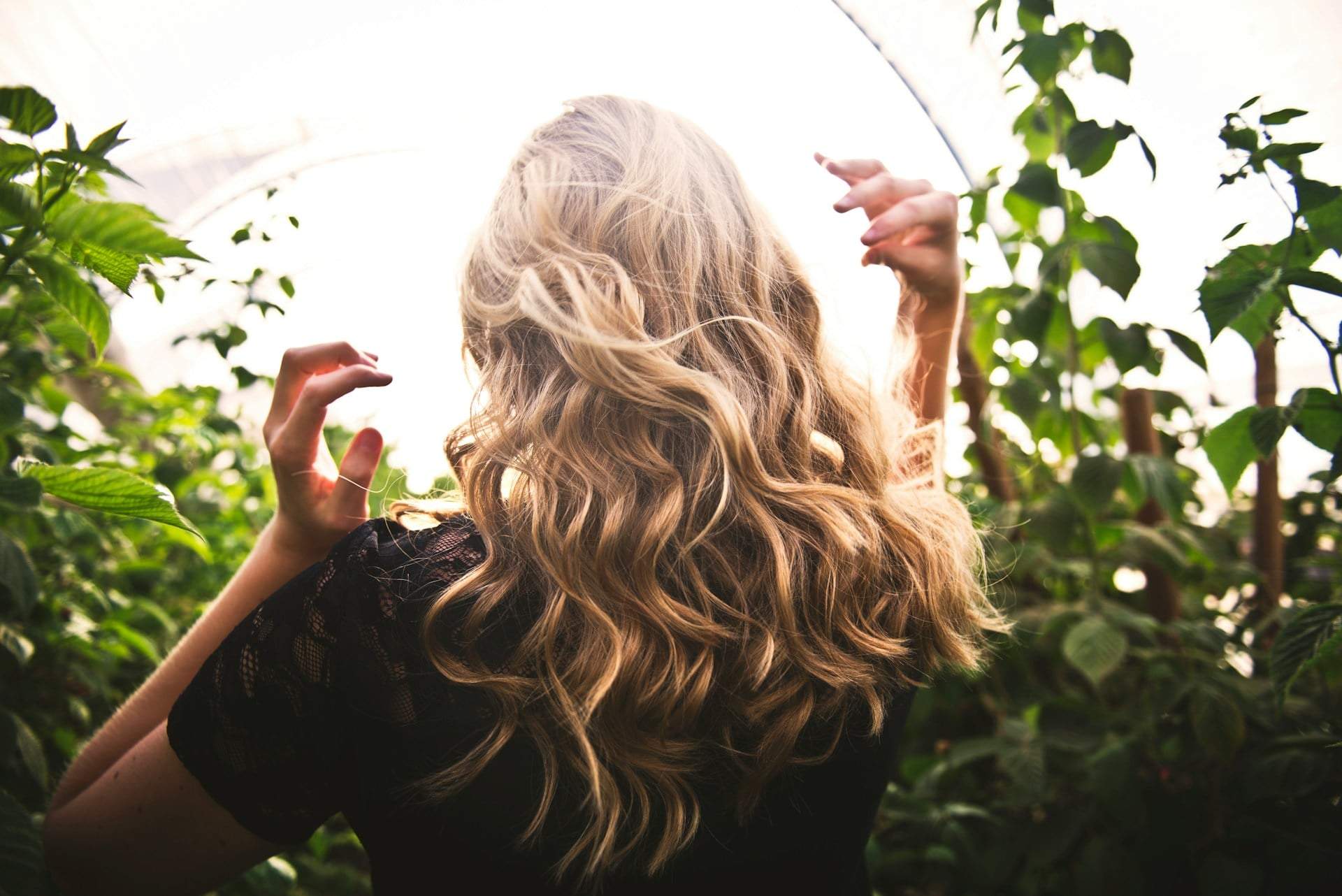
You've tried the serums, the masks, the gentle detangling, the regular trims. And yet, month after month, your hair stays exactly the same length — as if it hits an invisible wall and simply stops. For years, you might have told yourself that this is just the hair you were born with. But according to hair health experts, that's almost certainly not the case.
There's actually a name for what you're experiencing, and more importantly, there's a real explanation behind it. The good news? You don't have to accept it as your permanent reality — you just need to look for the solution in a very different place than you have been.
What is "chronic hair length"?
When your hair refuses to grow past a certain point no matter what you do, trichologists — specialists in hair and scalp health — call it chronic hair length. And in most cases, it comes down to two core factors: nutrition and inflammation.
Here's the key insight that changes everything: your hair isn't actually stopping its growth. The real problem is that it can't hold onto the length it gains. The strands become progressively thinner and more fragile, breaking or shedding before they ever reach a significant length. Because there's no dramatic hair loss to notice, most people don't realize what's happening — the hair keeps growing, it just never gets long.
The strands gradually weaken, the ends split and snap constantly, and no matter what you do, the length barely changes from one month to the next.
What's really behind it
Not enough protein
Hair is made almost entirely of protein. When your body doesn't get enough complete amino acid sources — especially from animal proteins like eggs, fish, and meat — your hair strands become structurally weak from the inside out.
Hair is one of the first things the body deprioritizes when nutrients are in short supply.
It's no coincidence that many people notice a change in their hair's texture and growth rate after switching to a stricter diet or transitioning to a vegetarian or vegan lifestyle. The connection between what you eat and how your hair grows is far more direct than most people realize.
Chronic inflammation
Ongoing stress, elevated cortisol, a pro-inflammatory diet — too much sugar, ultra-processed foods, low omega-3 intake — and underlying health issues can all quietly disrupt the hair growth cycle. Inflammation acts like background noise that constantly burdens the body. You can't see it, but its effects show up clearly in the condition of your hair.
Daily styling habits
Regular heat styling, coloring, bleaching, and harsh chemical treatments weaken the hair shaft over time, making it brittle and prone to breakage at the ends. If the hair is already fragile internally due to poor nutrition or high inflammation, external damage accelerates the process dramatically. The hair breaks before it can grow — and the cycle repeats itself endlessly.
Why your usual hair care routine isn't working
Because most hair products and routines are trying to solve an internal problem from the outside. Nourishing masks, hair growth serums, and regular trims all have their place — but if your hair is fundamentally weak due to poor nutrition or chronic inflammation, they only treat the symptoms.
Think of it like filling a bucket with a hole in it. No matter how much water you pour in, the level never rises. Until you patch the hole — meaning, address the internal causes — external treatments will only ever get you part of the way there.
What you can actually do about it
The answer isn't another new shampoo. Addressing chronic hair length means strengthening your hair from within, and that calls for a more holistic approach.
Increase your protein intake
This is one of the most important and most overlooked steps. Protein-rich foods like eggs, fish, and meat directly support the structural integrity of each hair strand. If you follow a vegetarian or vegan diet, it's especially worth paying attention to protein combinations and considering supplements to make sure you're getting the full amino acid profile your hair needs.
Cut back on heat and chemical treatments
This doesn't mean you can never blow-dry your hair or visit a colorist again. But if your hair is chronically breaking, reducing the frequency of heat styling and bleaching while you rebuild its strength from the inside will make a noticeable difference.
Massage your scalp regularly
Regular scalp massage improves blood circulation, creating a healthier environment for hair growth. Even just three to five minutes a day can produce a meaningful difference over time — and it costs nothing.
Address inflammation at the source
This is perhaps the hardest step, but also the most powerful one. Managing stress, eating an anti-inflammatory diet — more vegetables, more omega-3s, less sugar and processed food — and considering peptide-based supplements where needed can all help preserve the integrity of your hair strands over time.
The goal isn't to make your hair grow faster. It's to make it strong enough to actually keep the length it grows. If you've always assumed your hair is just "like this," it's worth taking a step back and looking at what's happening beneath the surface. Because in most cases, the problem isn't your hair — it's what your body is or isn't getting.