There's one week every month when even your best workout plan hits a wall, when you crave chocolate instead of salad, and when the person in the mirror doesn't quite look like you. That's not weakness, and it's not an excuse. Your estrogen and progesterone levels genuinely rise and fall throughout the month, and that shift affects your energy, your appetite, and even how much your body can take.
Why it's worth paying attention to at all
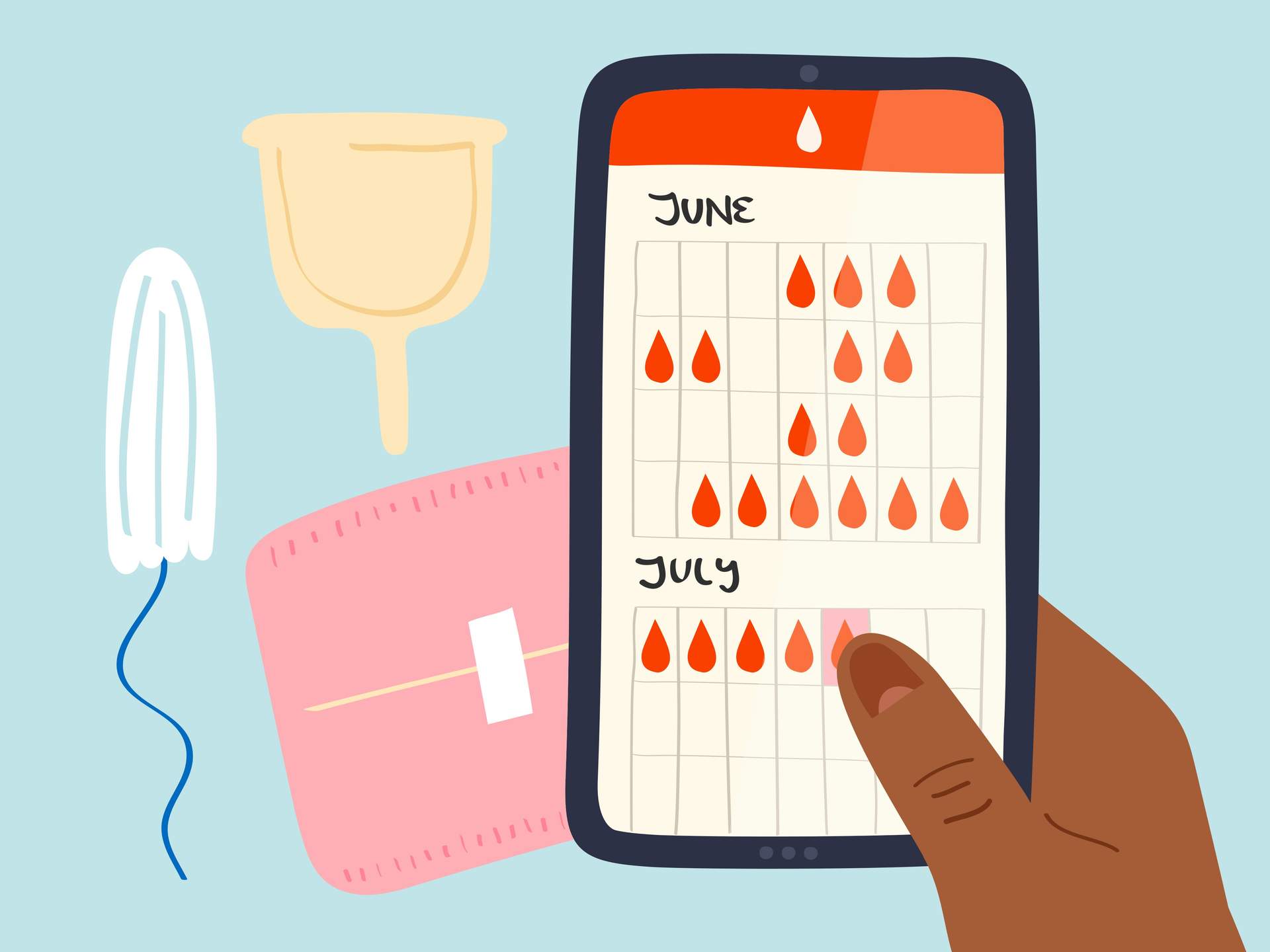
Your cycle moves through four phases — menstrual, follicular, ovulatory and luteal — and each one comes with a different hormonal backdrop. Some nutritionists and exercise physiologists point out that insulin sensitivity, body temperature and even your pain threshold shift across the cycle, which changes how your body responds to both training and food.
This doesn't mean following four separate diets. It's about listening to the signals and adjusting your daily routine to match.
Menstrual phase: when resting is a form of performance
During your period, estrogen and progesterone are at their lowest, which for many people means fatigue and a dip in energy. Your body is also losing iron and magnesium right now, so it's worth leaning on iron-rich foods like lentils, spinach or red meat — paired with vitamin C-rich vegetables to help your body absorb the iron more effectively.
When it comes to movement, these are the few days when a walk, some gentle stretching or an easy yoga session does more for you than a punishing HIIT workout. Slowing down on these days isn't failure. Your body isn't malfunctioning when it can handle less — it's simply focused on something else.
Follicular phase: your energy comes back
Once your period ends, estrogen starts to climb again, and many people notice a brighter mood, sharper focus and greater capacity to push themselves. This is the stretch when your body handles complex carbohydrates well — think whole grains and fermented foods like kefir or sauerkraut, which also support your gut.
If you're curious about how these hormonal shifts shape your daily life, it's worth exploring how a cycle-synced lifestyle works in more detail.
On the training front, this is a great time to try a new form of movement, add more intense strength work, or plan a longer run — your body also recovers better during this phase.
Ovulatory phase: your peak days
Estrogen peaks mid-cycle, and just before that, a surge in luteinizing hormone triggers ovulation. During these days many people feel more confident, more articulate and physically stronger. It's a good moment to build in fiber-rich vegetables, berries and quality protein sources like fish or legumes, which support your liver's detox work — because your hormones are running at full tilt right now.
In the gym, these are the days when you can lift the heaviest weights at the most intense pace, because your body is at its most prepared to handle it.
Luteal phase: slow down and eat with intention
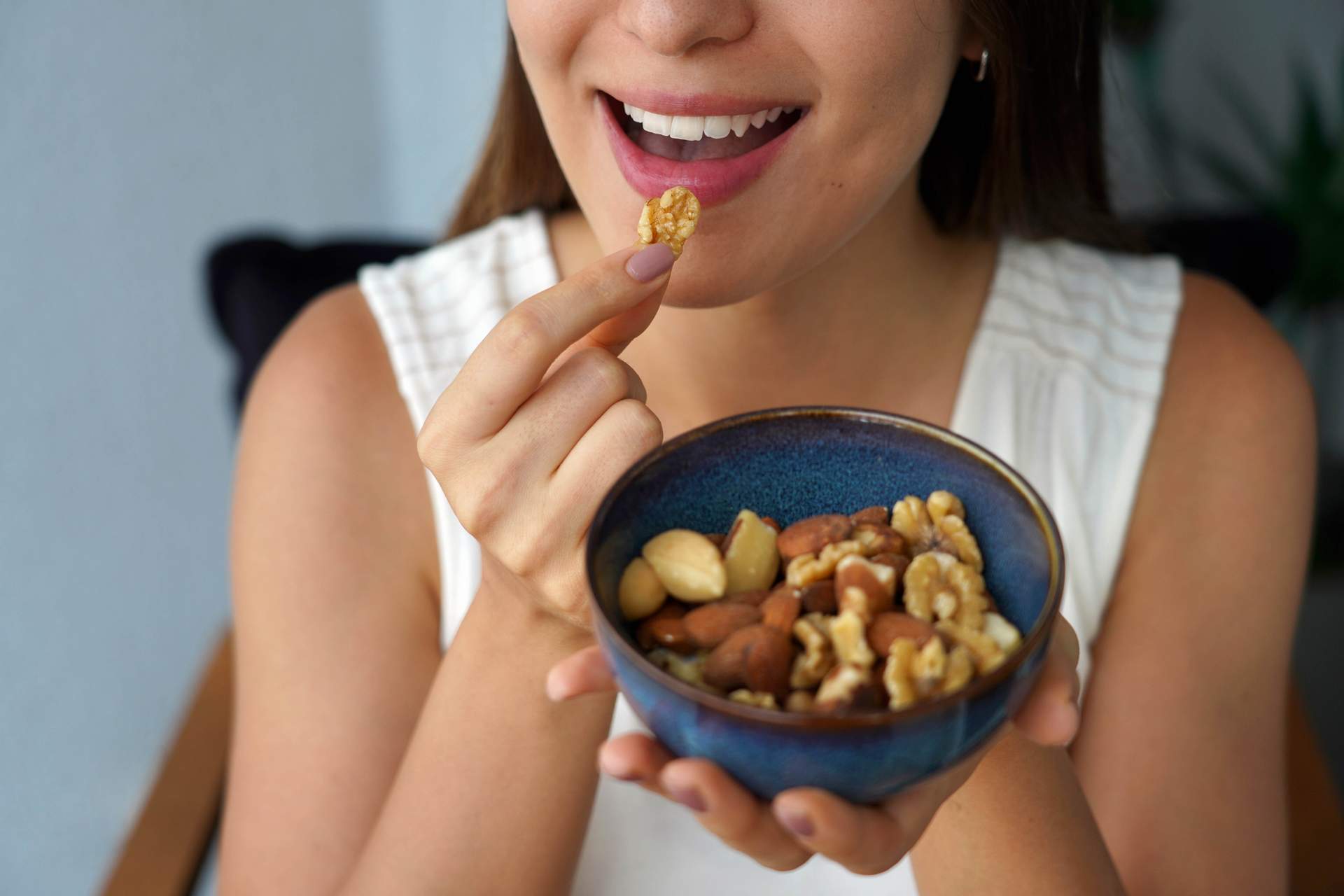
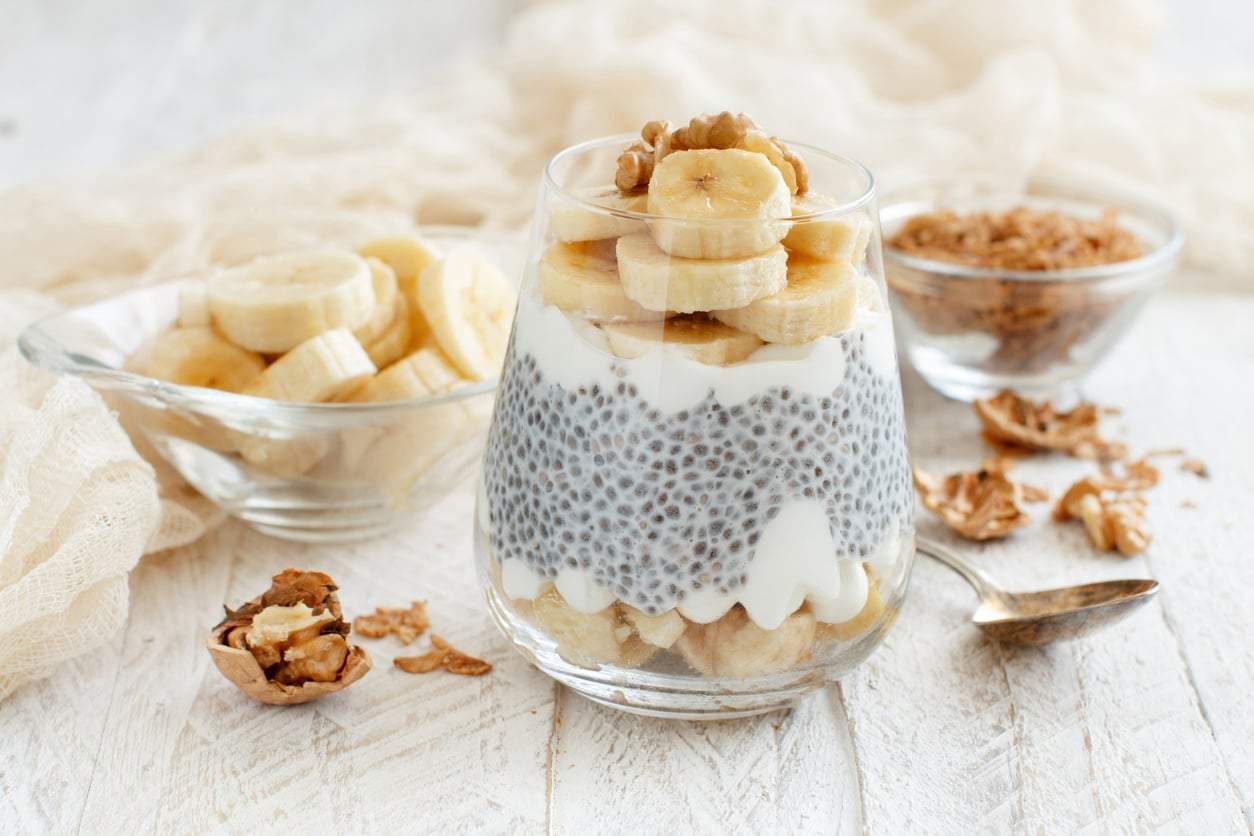
After ovulation, progesterone takes the lead, and for many people that brings bloating, irritability and stronger sugar cravings — the cluster of symptoms most of us simply know as PMS. Your body's need for magnesium and vitamin B6 rises in this phase, so nuts, seeds, bananas and whole-grain foods can help keep your mood on an even keel.
Instead of intense training, it's smart to gradually ease off — leaning toward Pilates, moderate cardio or strength work before your cycle circles back to its quieter, restful phase.
Not a strict rule, more of a compass
Cycle syncing isn't about everyone following the same pattern — the intensity of hormonal swings and individual sensitivity vary enormously from person to person. But once you start noticing what your energy, appetite and sleep look like week to week, you'll find it easier to recognize when to rest and when your body can take on something harder.
This kind of self-awareness is far more sustainable than a rigid diet or workout plan you force on yourself the same day every month, no matter what your body is actually telling you.
What is cycle syncing?
It's the practice of adjusting your workouts and nutrition to the four phases of your menstrual cycle, so you work with your changing hormones rather than against them.
Which phase is best for intense workouts?
The follicular and ovulatory phases are generally when your energy and recovery peak, making them ideal for heavier lifting, higher intensity and trying new forms of movement.
What should I eat during my period?
Your body loses iron and magnesium during menstruation, so iron-rich foods like lentils, spinach and red meat — paired with vitamin C-rich vegetables — can help you feel more balanced.
Do I really have to follow four different diets?
No. Cycle syncing isn't about strict, separate diets. It's about paying attention to your body's signals and making small adjustments to your routine as your energy and cravings shift.